





 Portuguese
  English
  Spanish
  3 min of reading


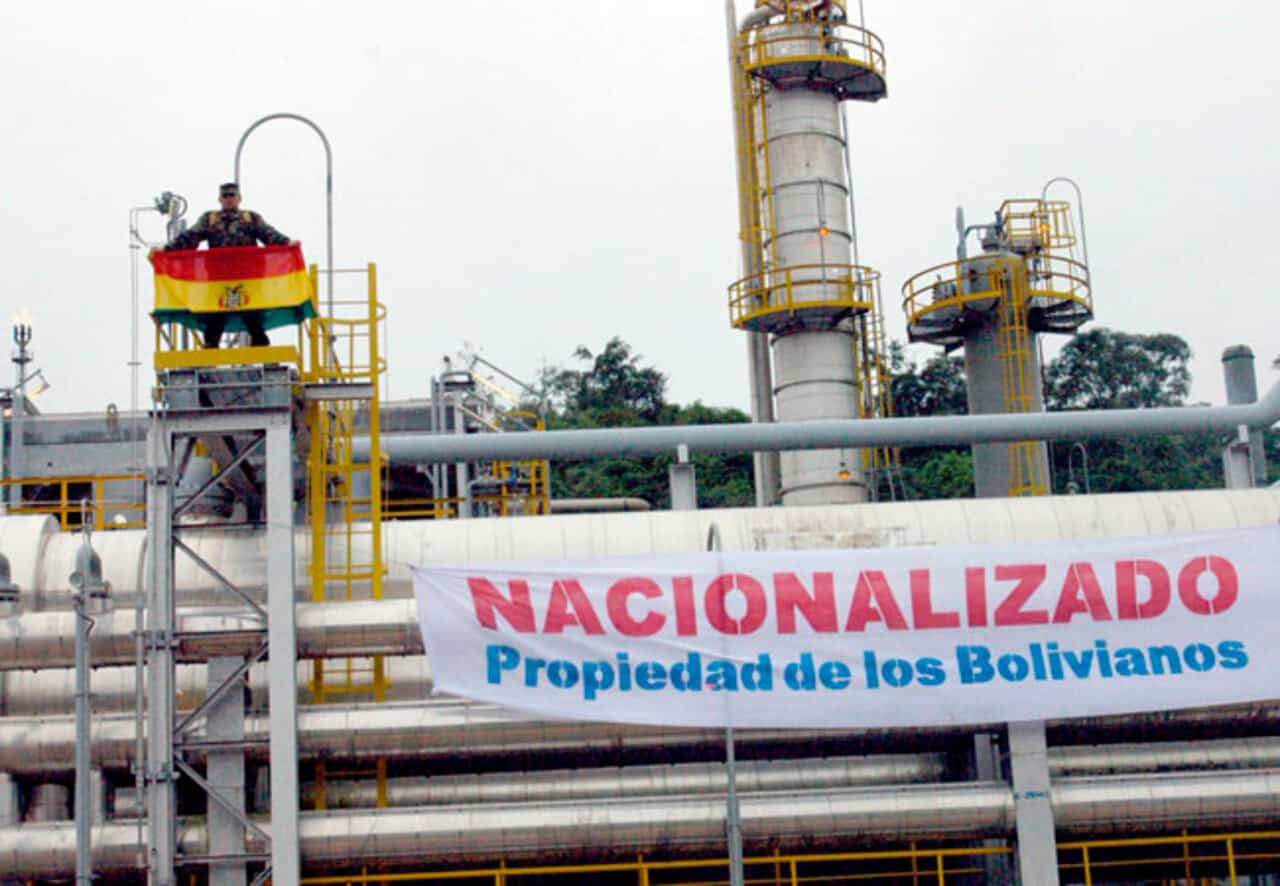
Experts Claim There Is a Great Chance That Bolivian Gas Will No Longer Be an Export Product Due to Lack of Investment in the Area. Brazil, Which Imports the Fuel, Would Be Strongly Affected, So Petrobras Is Already Seeking a Possible Solution Before the Scenario Materializes.
According to the Bolivian government, speculations about the lack of investment in Bolivian gas are false, which, in theory, would leave Brazil safe for a considerable time. However, Petrobras’ team seems to believe in the mentioned forecasts since they are searching for a viable solution to avoid being caught off guard. According to experts, the year 2030 should mark the end of the export era.
How Would Brazil Be Affected If Bolivian Gas Stopped Being Exported?
In quantitative terms, Brazil has already imported about 30 million cubic meters of gas per day directly from Bolivia.
The peak occurred in 2022, through the Brazil-Bolivia pipeline, but an agreement on price adjustments was necessary, and the shipment was reduced to 20 million cubic meters per day.
-
A study confirms that the natural gas sector will reduce greenhouse gas emissions in Brazil by 0.5% and accelerate the energy transition by 2026.

-
Petrobras implements a severe adjustment and confirms a 55% increase in the price of aviation kerosene with a proposal for installment payments for the companies.

-
The rise in oil prices could ensure an extra revenue of R$ 100 billion for the Federal Government, indicates a recent economic study.

-
Naturgy begins an investment of R$ 1.6 million to expand the gas network in Niterói and benefit thousands of new residences and businesses.


In other words, a possible interruption of this agreement would cause damage to the Brazilian economy, especially for companies like Petrobras.
As possible solutions, the entity has the Rota 3 of the pre-salt pipeline, which is still under construction, as well as seeking support from other producers in neighboring countries, such as Argentina.
Wood Mackenzie Explored the Issue and Conducted a Study of YPFB’s History to Understand the State Company’s Future
To avoid hasty decisions, the Bolivian government made it clear that the area is indeed receiving the necessary investments from plans of at least US$ 325 million.
The initiative would be for both the continuous exploration of wells and the prospecting of possible new locations.
The focus would be on the state-owned Yacimientos Petrolíferos Federales de Bolivia (YPFB), which is, in fact, the largest external supplier of gas to Brazil.
Despite the statement released, expectations remain low, considering an analysis conducted by Wood Mackenzie.
According to the report, YPFB’s last attempts were unsuccessful, as in 2021 it aimed to explore 20 wells in Bolivia but ended up limiting itself to only three – which were, in fact, dry.
In a written statement, they said: “Our research indicates that operators have reduced their spending in Bolivia due to unsuccessful campaigns to increase production, especially in already established fields.” In the same statement, they detailed the reason: “Additionally, recent exploration efforts have not shown the desired results. Two or three high-potential exploratory wells failed.”
The statements made are based on concrete data observed over the years. For example, it has been found that total exports of Bolivian gas have fallen by about 40% since 2015, indicating that the future for the area is becoming increasingly fragile in the current scenario.
For Rivaldo Moreira Neto, CEO of Gas Energy, a Brazilian consultancy: “The concern with Bolivia is very evident because the decline has been noticed for some time. The country has not been successful in attracting private investment to explore new fields, and from recent announcements, what we see is YPFB itself investing capital because, in fact, the country’s rules have not been attractive for a long time.”
Petrobras’ search for a substitute solution is therefore valid. The reduction in the flow of Bolivian gas into Brazil, caused by the lack of investment, becomes an increasingly imminent danger over the years, and a collapse could happen in the short term.







Seja o primeiro a reagir!