





 Portuguese
  English
  Spanish
  5 min of reading
  1 comment





The Construction Industry Faces a Growing Challenge with the Lack of Qualified Professionals, Forcing Companies to Adopt Unusual Strategies and Innovative Technologies to Ensure Production, Expand Operations, and Face Competition from Other High-Growth Economic Sectors.
The shortage of qualified labor is hitting the construction industry hard in Brazil, leading companies to adopt unconventional strategies to try to fill the gap of professionals.
According to engineer Gilson Porto, product director at São Benedito Construtora, the lack of specialized workers has become so pronounced that the company has started paying employees to refer friends for open positions.
As Porto reported on the program Oeste Negócios, aired on May 26, the construction company launched an internal campaign offering R$ 100 as a reward to each employee who brings a known person to join the staff.
-
Unemployment rises again to 5.8% at the beginning of 2026, raising alarms about the end of temporary positions and its impact on the Brazilian job market.

-
Document organization can cut invisible costs in small businesses, a simple step that prevents waste, rework, and losses in daily operations.

-
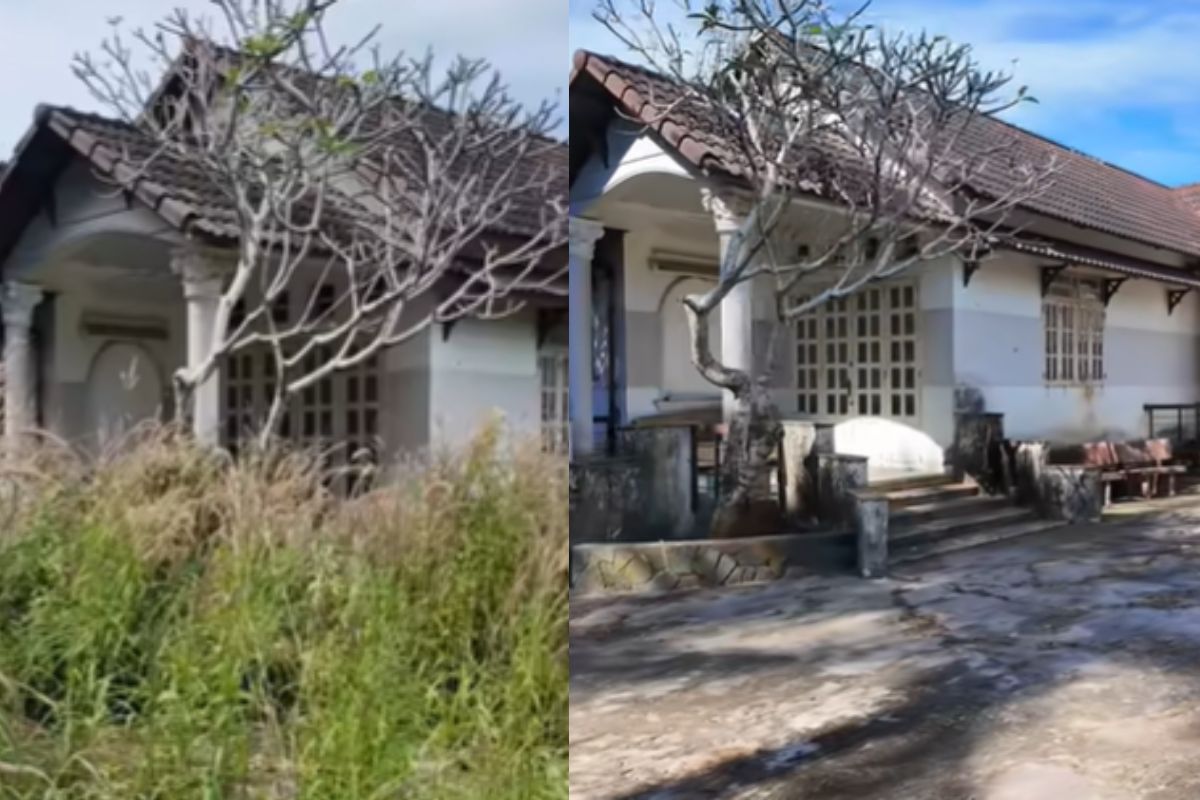
Abandoned house for 15 years disappears in the woods, shocks owner with unrecognizable scenery and is reborn in an intense transformation after almost 90 hours of work in just 10 days.
-
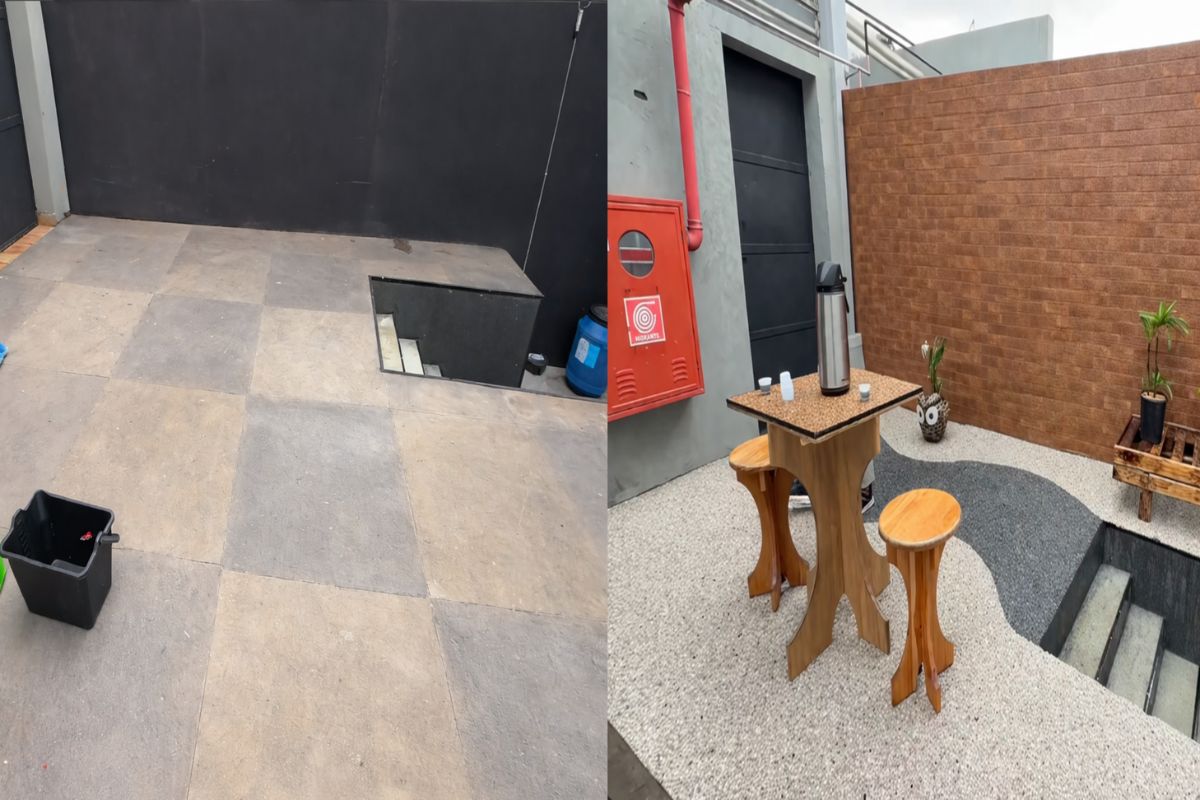
In just three hours, a natural stone floor transforms the entrance of the house with an organic effect, immediate drainage, and a sophisticated non-slip finish that doesn’t puddle water, dries quickly, and impresses with the final result.

“The competition to find labor is so fierce that we are paying people to refer their friends to work with us,” the engineer stated.
This type of initiative highlights a larger problem plaguing the construction industry: the difficulty in attracting and retaining qualified professionals to work on projects, even in the face of growing demand for construction in the country.
The situation worsens in regions like the Midwest, where São Benedito concentrates a large part of its operations, but faces strong competition from the agricultural sector, which also attracts many workers.
Turnover and Training: The Challenge of Retaining Talent
The shortage of labor is not limited to just finding new employees.
According to Amir Maluf, marketing director at São Benedito and a third-generation representative of the family leading the company, the sector faces high turnover, with many employees leaving in a short time.
“There is a lot of turnover. A lot of employee rotation. Today, employees do not stay long,” explained Maluf.
Therefore, the company has invested not only in financial incentives but also in a work environment that motivates and trains professionals, preventing them from viewing their jobs merely as an obligation.
To this end, São Benedito has implemented innovative initiatives, such as creating classrooms within projects to promote training and technical qualifications.
“We set up classrooms on-site to train and make employees more comfortable with the company,” the executive added.
These trainings play a crucial role not only in improving productivity but also in making workers more confident and engaged, which helps to reduce turnover and increase the quality of services provided.
Technology and Innovation to Tackle the Labor Shortage
The construction sector is constantly evolving, especially in light of the advancement of new technologies and construction methodologies.
For Gilson Porto, the use of modern techniques can be a strategic solution to minimize the impact of the labor shortage.
“The construction industry requires continuous learning, especially due to new technologies and equipment,” explained Amir Maluf, emphasizing that innovation is essential to keep up with market changes.
One of the alternatives being explored by São Benedito is the adoption of faster construction processes that are less reliant on specialized labor, such as producing 100% with pre-fabricated concrete walls.
“We want to expand to other cities, but how do we do that with the labor deficit we face? We are thinking about new construction methodologies that are quicker and simpler, with less need for highly specialized professionals,” Porto detailed.
This approach allows a few specialized technicians to coordinate the work while other employees carry out more manual tasks, making construction more efficient and reducing costs.
Additionally, the use of technologies such as BIM (Building Information Modeling), automation, and 3D printing is gaining traction in the industry, representing a promising path to overcome the labor crisis.


A Complex National Scenario
The labor crisis in the construction sector reflects a broader national scenario, marked by challenges in the job market and professional training.
Data from IBGE indicates that, despite unemployment decreasing in recent months, sectors that require technical and specialized labor continue to suffer from shortages.
According to experts, the lack of investment in technical training, the aging workforce, and the allure of more dynamic and technological sectors help to explain this gap.
In the case of construction, which traditionally relies on intense, in-person labor, the problem is even more evident.
Beyond the internal strategies of companies, governments and educational institutions are seeking to expand technical courses and professional training, particularly focused on new technologies applied to construction.
However, the speed of these actions still does not keep pace with market demand.
Incentives to Attract and Retain Professionals
In addition to financial rewards for referrals, many construction companies have invested in benefits that go beyond salary, such as career plans, flexible hours, and more humanized work environments.
The goal is to make the sector more attractive, especially to young people seeking jobs with growth prospects and quality of life.
At São Benedito, the focus is on creating a culture that values employees, which involves training, workplace safety, and recognition.
“We want employees to feel they are part of the company and that their work is valued, not just a temporary job,” emphasizes Amir Maluf.
The Future of Construction Depends on Adaptation
The labor crisis in the construction sector is a challenge that demands creative solutions, investment in training, and the adoption of innovative technologies.
Companies like São Benedito are already signaling that the way forward involves reinventing processes and valuing professionals more to ensure competitiveness and expansion in the market.
The balance between innovation, training, and incentives can transform the sector and ensure it keeps pace with the country’s economic growth, even in light of current difficulties.
Have you seen any unique initiatives to tackle the labor shortage in your field? How do you think companies could improve to attract and retain talent?









Incentivo as empresas estimularem os colaboradores a empreenderem na desintermediação oferecendo-lhe jornadas reduzidas e treinamentos nos seus propros negócios den desintermediação, em troca eles captam parceiros de confiança pra se associarem ao empreendedorismo com colaboração na construção civil em troca