





 English
  Francês
  Alemão
  Italiano
  Japonês
  Norueguês
  Portuguese
  Spanish
 3 min of reading
  0 comments


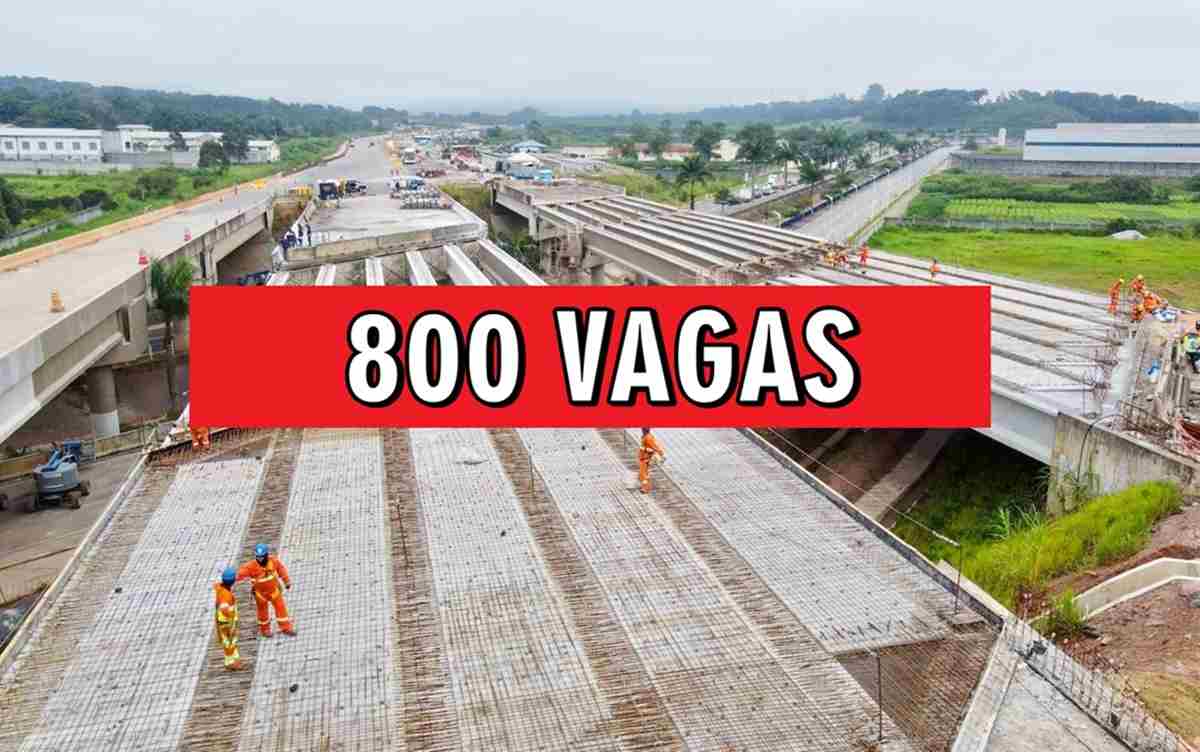
Even With 800 Openings and Attractive Salaries, Construction Sector Faces Shortage of Workers and Low Youth Engagement.
The construction industry faces a problem that goes beyond machinery or materials. The lack of skilled labor affects even large infrastructure projects, such as the North Section of the Rodoanel Mário Covas in São Paulo, which has more than 800 open positions but records low demand among workers.
Important Project, but with Difficulties
Extending 44 kilometers, the section will connect Avenida Raimundo Pereira de Magalhães to Rodovia Presidente Dutra (BR-116).
Construction resumed in 2024 after a six-year hiatus.
-
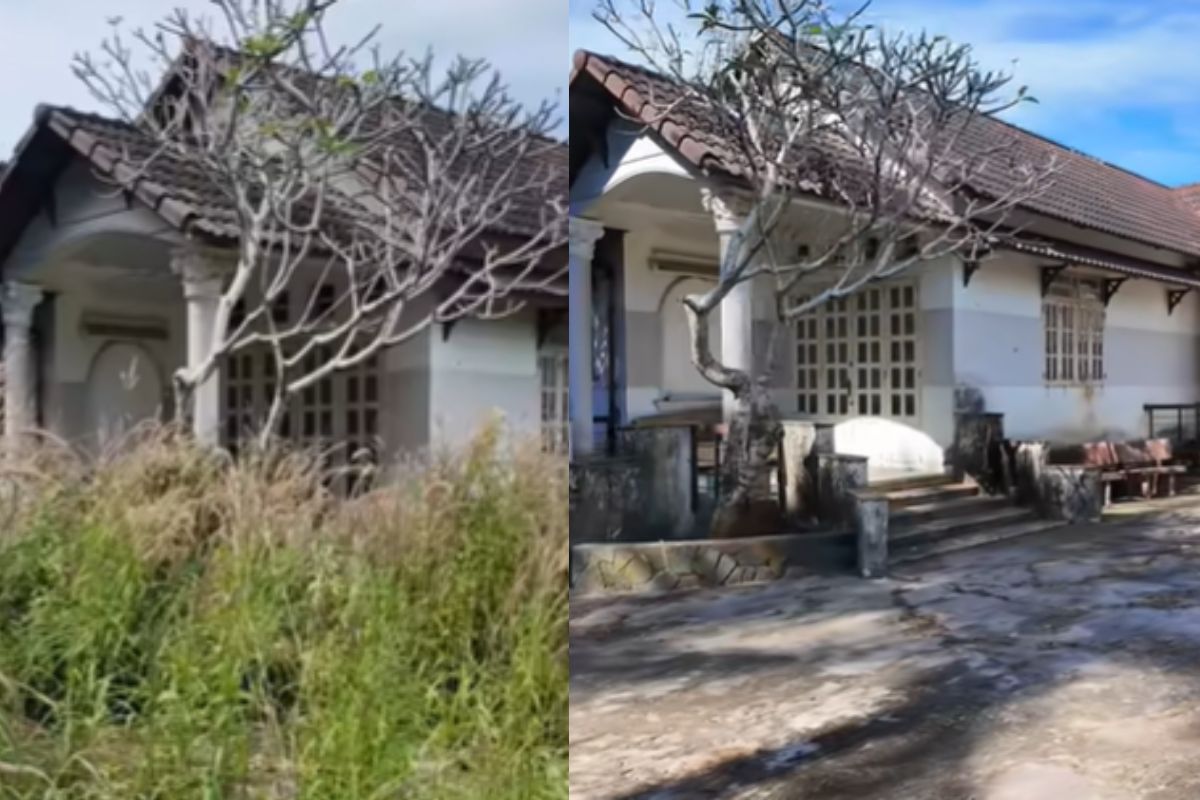
Abandoned house for 15 years disappears in the woods, shocks owner with unrecognizable scenery and is reborn in an intense transformation after almost 90 hours of work in just 10 days.
-
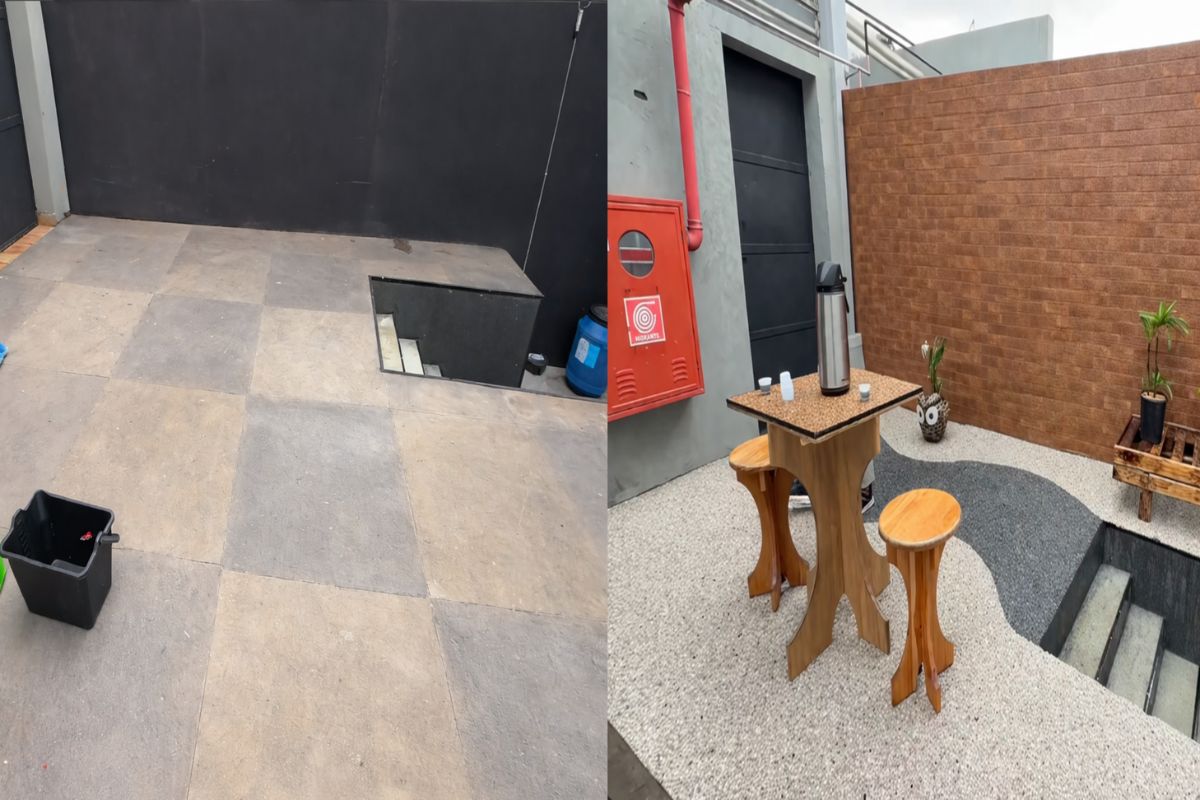
In just three hours, a natural stone floor transforms the entrance of the house with an organic effect, immediate drainage, and a sophisticated non-slip finish that doesn’t puddle water, dries quickly, and impresses with the final result.
-
Future profession with immediate earnings: Specialist reveals how a solar energy technician earns R$ 8,000 per month by taking advantage of the explosion in demand across the entire country.

-
Work from 8:30 AM to 5:30 PM with a 1-hour break at Sicredi as a Customer Service Assistant and receive a salary + benefits such as life insurance, dental plan, partnerships, Gympass, and much more in job openings across various states.


Despite the project’s significance for urban mobility in the metropolitan area, the shortage of workers has been a constant challenge for those responsible for the project.
The Cantareira Consortium, responsible for the project — formed by Odebrecht Engenharia e Construção and Renea Infraestrutura — states that there are over 800 job opportunities available.
The openings are for various positions, such as production assistant, carpenter, electrician, and concrete mixer driver.
Salaries range from R$ 2,500 to R$ 6,000, in addition to benefits such as medical assistance, on-site meals, transportation vouchers, food vouchers, chartered transport, and life insurance.
The work schedule is from Monday to Thursday, from 7 a.m. to 5 p.m., and on Fridays from 7 a.m. to 4 p.m. Even so, filling the vacancies has been challenging.
Sector with Millions of Jobs, but in Crisis
According to Caged (General Register of Employed and Unemployed Workers), the construction industry finished March 2024 with 2.9 million formally employed workers.
Even though it is one of the sectors that generates the most jobs in the country, the industry is currently facing a real “blackout” of labor.
David Fratel, director of the People division at SindusCon-SP (Union of Construction Industry of the State of São Paulo), highlights a specific issue: the shortage of youth entering the profession. “We currently have a significant crisis. These entrants who are apprentices and helpers are in short supply. Our biggest crisis is in the entry of these helpers, who account for 50% of our workforce in construction,” he states.
According to him, there is difficulty in demonstrating that the field offers opportunities for real growth.
Currently, a professional starting with salaries between R$ 2,500 and R$ 6,000 can, over the years, earn between R$ 13,000 and R$ 15,000 as an experienced bricklayer.
There are even more promising cases. “Even without higher education, it is possible to achieve positions such as construction manager, with earnings exceeding R$ 20,000 per month,” he explains.
To try to address this situation, SindusCon-SP and Sintracon-SP (union of construction workers) are developing a structured career plan to showcase the paths of advancement within the profession.
Youth Prioritize New Work Models
A recent survey by Instituto Locomotiva helps to understand why so many young people are distancing themselves from the sector.
The survey shows that 63% of workers in São Paulo dream of having their own business.
Only a minority sees formal employment with a signed contract as a guarantee of stability. For 67% of respondents, formal employment no longer represents security for the future.
Moreover, 64% of participants stated that formal employment offers little flexibility to balance personal and professional life.
Renato Meirelles, president of Instituto Locomotiva, highlighted the shift in perception among young people. “When we are able to understand the stories of these individuals, we realize that they are starting to change how they value their own time, their own work. It’s as if they no longer wait for others to determine the worth of their own hour, and this transforms the relationship between employers and employees. This is an objective reality, and it is futile to ‘argue’ with the data,” he affirmed.
With information from R7.










Seja o primeiro a reagir!