





 Portuguese
  English
  Spanish
  4 min of reading
  3 comments


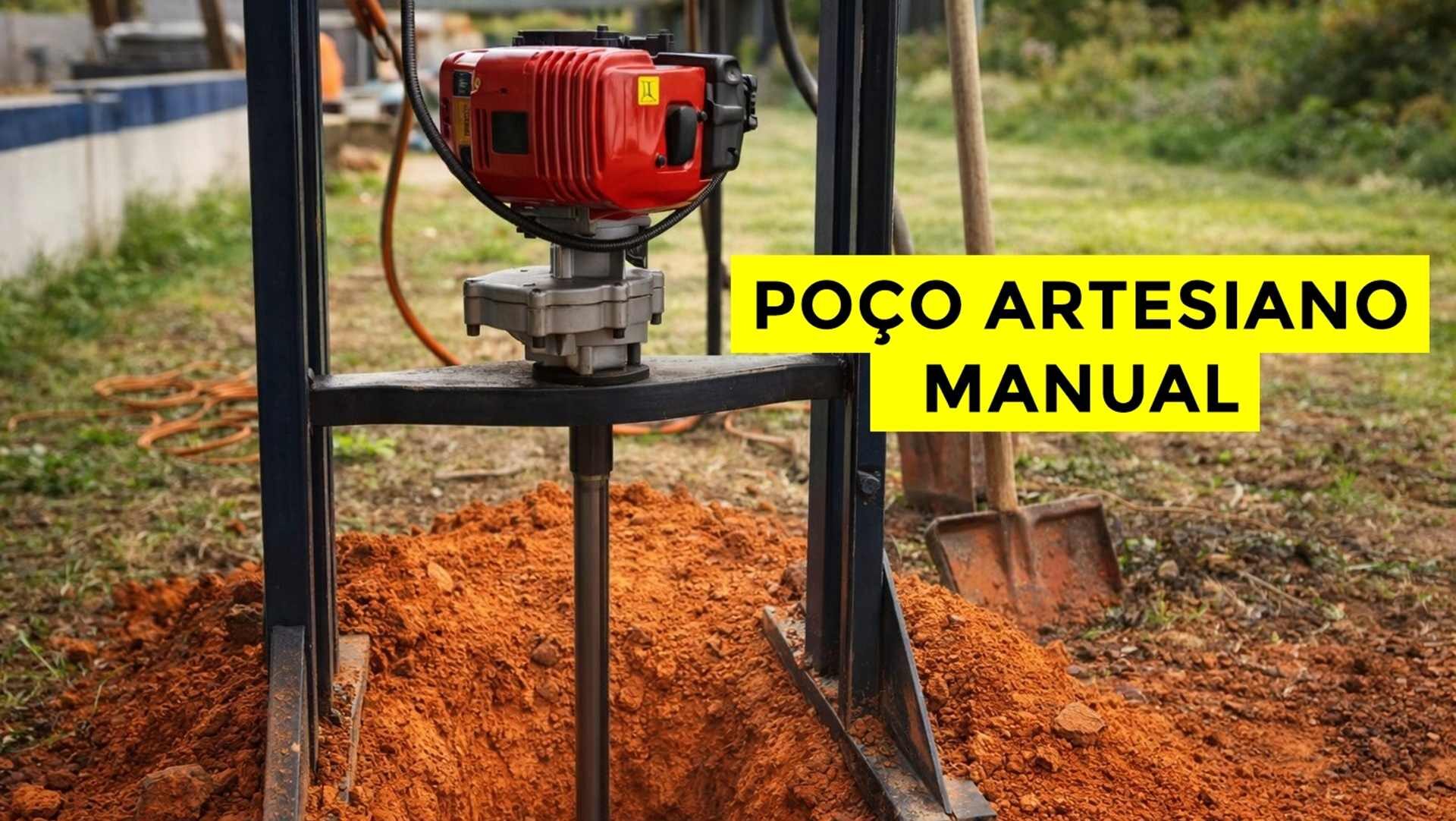


Manual Drilling of an Artesian Well 11 Meters Deep, Done in Two Days in the Interior of Pará, Guaranteed Water After More Than 90 Days of Drought and Revealed Costs, Physical Effort, and Risks of Living in the Countryside Without an Own Source.
The manual drilling of an artesian well 11 m deep was completed in two days of work in the interior of Pará.
The channel Coisasdenaza showed that the construction guaranteed continuous water supply to a family after more than three months of drought, highlighting costs, risks, and the centrality of water access for those who live or intend to live in rural areas.
The excavation took place on a property far from the urban perimeter, where the community microsystem failed to meet demand during the prolonged summer, interrupting supply for up to three consecutive days and forcing the use of buckets for basic tasks.
-
The Argentine government celebrates the lowest poverty rate in 7 years, but experts warn that the methodology has changed, real wages have fallen, unemployment has risen, and the number of people on the streets of Buenos Aires has increased by 57% since Milei took office.

-
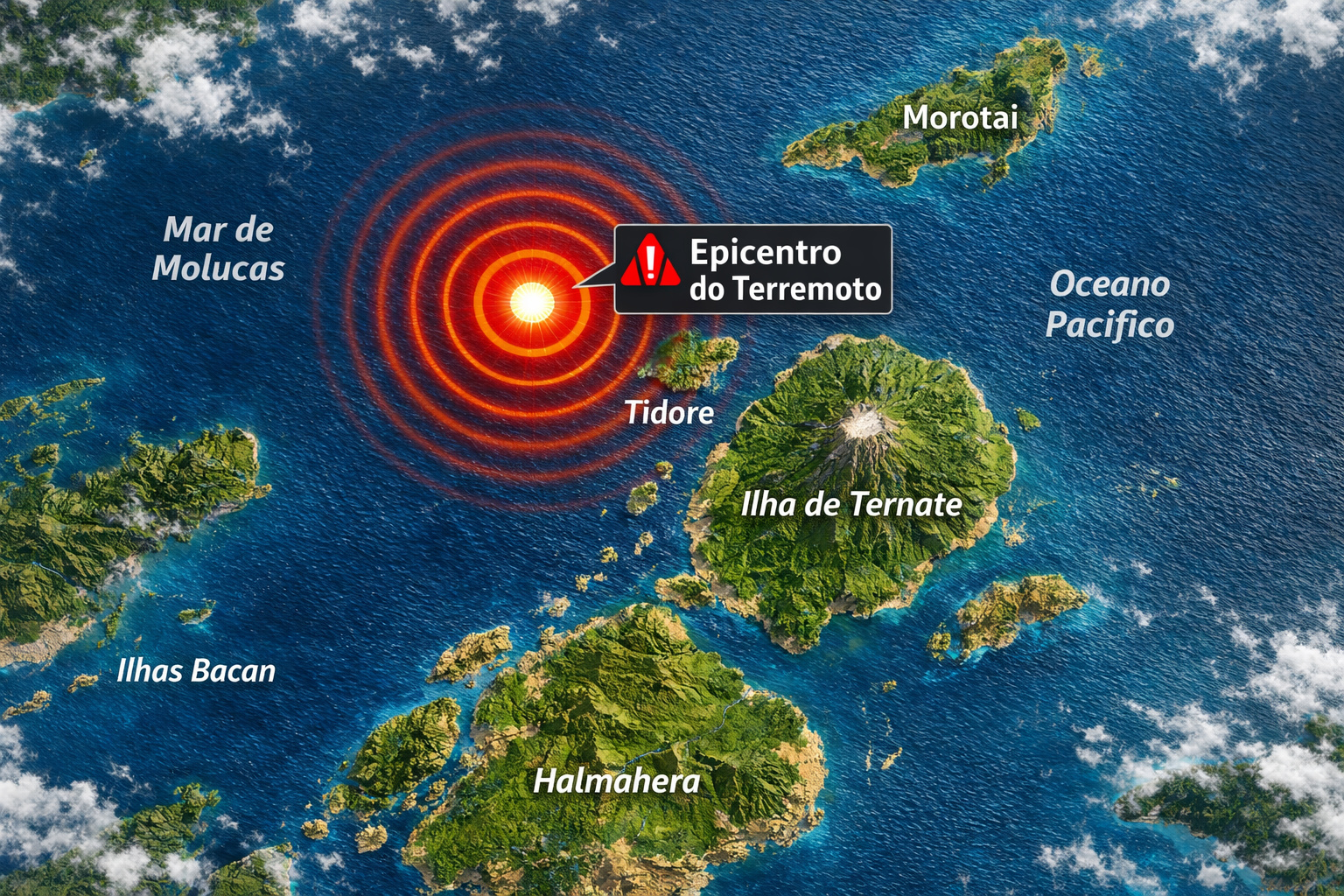
7.8 magnitude earthquake in Indonesia frightens the population, triggers tsunami alert, and hits an island with over 200,000 inhabitants this Thursday.
-
Google will finally let you change that embarrassing Gmail address you created in your teenage years without losing any accounts, logins, or old emails: the feature is already available in the United States.

-
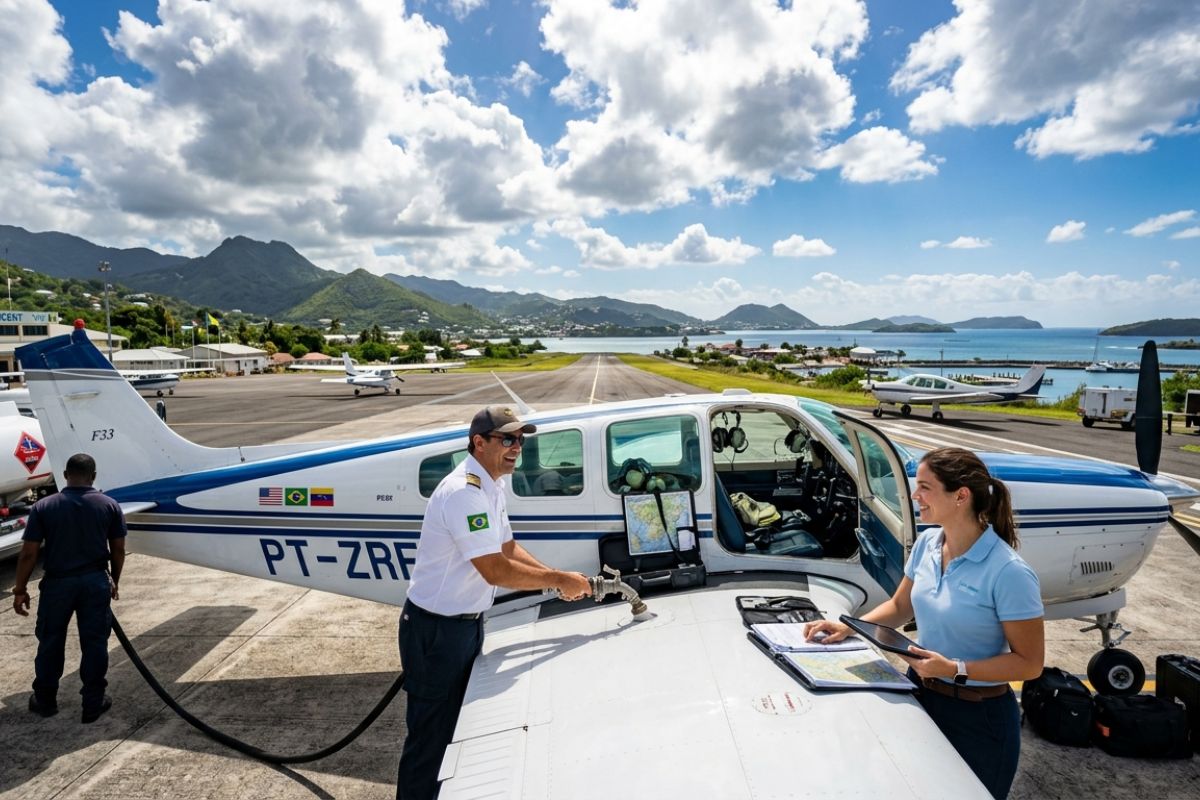
Heading to Brazil in a Bonanza F33 single-engine aircraft: a couple departs from Florida on a visual flight, makes technical stops in the Caribbean to refuel and organize paperwork, and begins the staged crossing until they reach the country.

The well was entirely handmade by two local workers, known as Edinaldo and Canhoto, using manual drills, iron rods, a pulley system, and 6 m PVC pipes, totaling 12 m installed.
The work began at 8 a.m. and progressed until late afternoon, with breaks for meals, requiring intense physical effort from four men on dry, compacted soil with the presence of pebbles, making initial drilling difficult.
According to the informal technical supervisor, water was found at about 5 m, but excavation continued to 11 m to ensure stable volume, culminating in a stone slab, considered ideal for keeping the water cleaner and protected.
Prolonged Drought Exposes Fragility of Rural Supply
The region is facing one of the most severe summers in recent years, with more than 90 days without significant rain, causing arid soil, loss of ground vegetation, and a drastic reduction in flow in old community systems.
Even with two water tanks in the house, insufficient pressure prevented the filling of the main tank, leaving bathrooms and kitchens without direct supply, a recurring situation in rural areas dependent on undersized collective networks.
The report highlights that not being completely out of water does not mean water security, as intermittency affects hygiene, food preparation, and health, especially in areas far from urban services.
The decision to drill the well was accelerated by the drought, despite the high relative cost for a family whose farm does not yet generate its own income, making the investment an inevitable financial sacrifice.
Manual Process Requires Technique, Time, and Experience
The excavation used a wide drill for the initial opening, followed by progressive advancement with constant removal of earth, hoisted by ropes and improvised pulleys, a common method in communities far from mechanized drillers.
The pipes received grooves made manually with a saw, allowing water entry and preventing excessive sand infiltration, an essential step for the proper functioning of the artisanal well.
The installation included a threaded union to facilitate future maintenance, allowing the pump to be removed without disassembling the entire plumbing, a technical detail that reduces costs and operational risks in the future.
Two full days of heavy labor were required, plus an additional morning dedicated to cleaning the well, removing sediments until the water showed clear coloration and stable cold temperature.
Initial Cleaning Reveals Volume and Quality of Water
The first activation of the pump resulted in yellowish water, rich in underground particles, a process expected and necessary for the internal renewal of the newly opened well.
After about 30 minutes of continuous pumping, the water began to visibly clear, indicating the removal of loose material accumulated during the manual excavation.
The flow demonstrated sufficient capacity to quickly fill the elevated water tank of the house, ensuring regular domestic supply even during critical drought periods.
The cold and abundant water also started to be used for emergency irrigation of soursop plants, planted in soil affected by extreme heat and the lack of regular rains.
High Investment, Immediate Return, and Daily Impact
Although the cost of the well is not detailed, the account reinforces that artisanal drilling still represents a high cost for rural families, especially when there is no income generation on site.
In contrast, the return is immediate, eliminating dependence on unstable community systems and ensuring water autonomy for consumption, hygiene, and basic agricultural production.
The construction of a small protective house for the pump, with simple roofing and structure, demonstrates care in preserving the equipment from intense sun and extending its lifespan.
Warning for Those Who Dream of Living in the Countryside
The experience serves as a direct warning to those planning to live in farms, smallholdings, or rural areas, highlighting that the first check should be the existence of water in abundance and reliable access.
Without its own water infrastructure, rural life can become unviable during periods of severe drought, common in various regions of the country, exacerbated by climate change and population growth.
The case also highlights the importance of the work of local professionals, who, even with simple tools and extreme effort, ensure essential solutions in remote communities.
In the end, the 11 m well represents not just a physical work, but the overcoming of a daily struggle, restoring dignity, security, and stability to the routine of those who live off the land.










Esse método de perfuração de pocos( sisternas) pra obtenção de água do subsolo é válido e muito importante,pois eu mesmo já presenciei a furacão de qum desse tipo em Mato grosso do Sul,um profissional do ramo inclusive me deu uma aula com uma forquilha de uma árvore onde que eu andava de um lado pra outro lado pra outro procurando água,onde a forquilha virava para baixo ali tinha água,inclusive vc não consegue segura- la quando ela está imbicando para baixo( terra) e por incrível que pareça ,faz mais de 40 anos que esse poço está fornecendo água pro pessoal que mora na chácara. Parabéns para os posseiros que trabalharam arduamente pra fazer a alegria dos moradores.
Um grande jeitinho aa moda brasileira! Disponibiliza o “faça você mesmo”!
Parabéns…que nunca .mais fiquem sem água