





 Português
  Inglês
  Espanhol
  4 min de leitura
  0 comentários


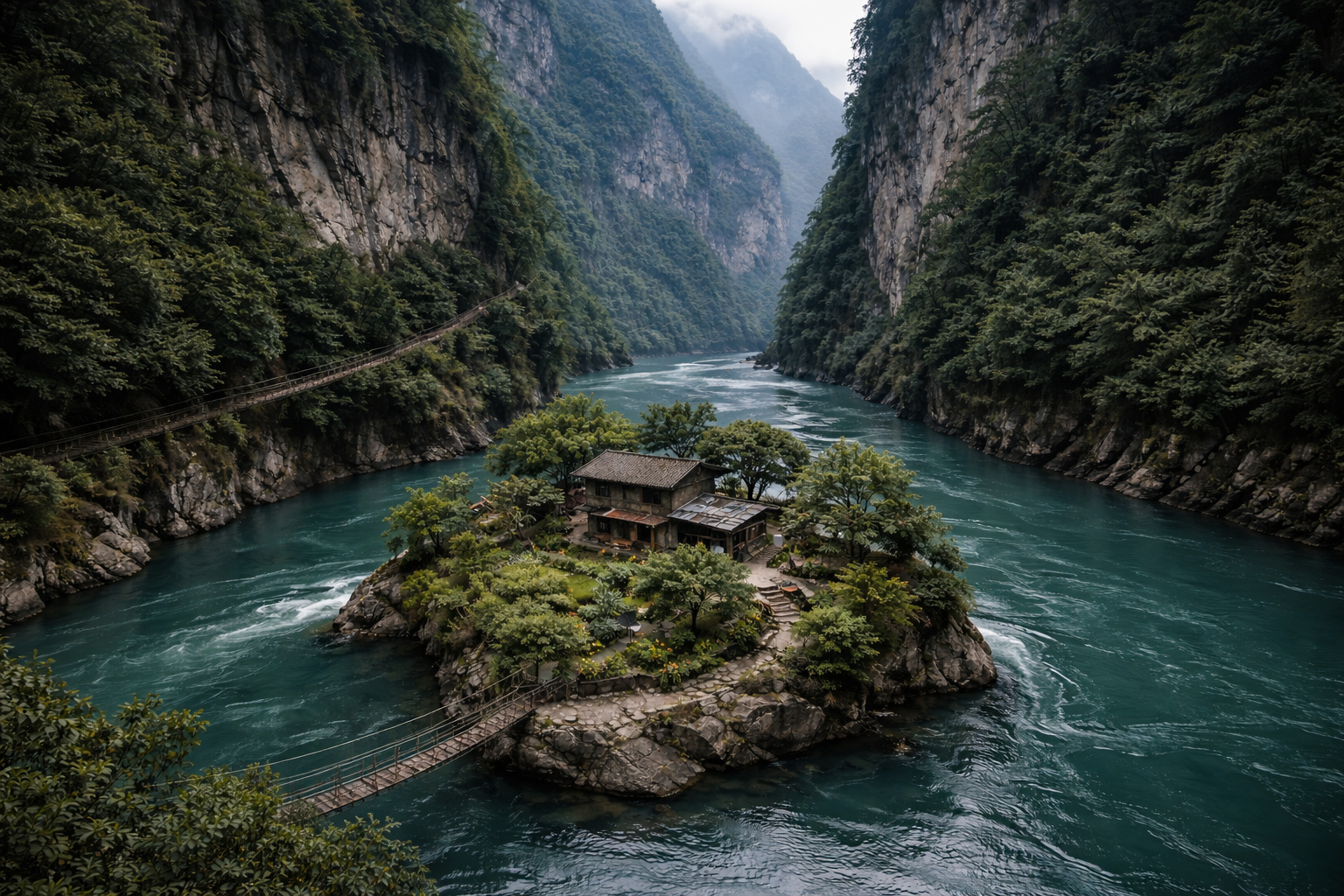
Story Shows How a Family Transformed a Small Island into Permanent Housing While Living Surrounded by Nature, Cliffs, and a Strong Current River
An unusual story of isolated living has been drawing attention in China for over two decades. A family has lived for more than 20 years on a small island situated in the middle of the Jinkou River, surrounded by giant canyons in Sichuan Province. The natural scenery impresses with vertical cliffs, dense vegetation, and a strong current river, creating an environment that combines geographic isolation and lush landscapes.
According to regional records released by local authorities in Sichuan and cited by reports in the Chinese media throughout the 2000s, the occupation of the area gradually arose from traditional subsistence activities. Thus, what initially served only as a support point for farming and hunting eventually transformed into permanent residence.
Origin of Housing on the Jinkou River Island
The decision to live on the island did not arise suddenly. In fact, previous generations of the family had already utilized the location as a support area for rural activities and hunting in the canyon region. Over time, however, the temporary presence was expanded, and their stays became increasingly frequent.
-
The world’s first octopus farm wants to open in the Canary Islands and is already provoking an international reaction: the plan aims to produce 3,000 tons per year.

-
Drought may be creating stronger superbugs in the soil and helping antibiotic resistance reach hospitals, warns a study highlighting a problem that could grow alongside extreme weather.

-
The biggest scam in history: Napoleon’s France deceived the United States by selling them a territory that was Spanish.

-
Why is the Danakil Desert so dangerous? It has unstable terrain and how extreme temperatures and toxic gases turn the region into one of the most hostile environments on Earth.

Thus, gradually, the island began to host a permanent residence. Consequently, the space transformed into a permanent living environment, offering autonomy, tranquility, and direct contact with nature.
Initial Isolation Required Risky Crossing
In the early years of occupation, isolation was extreme. To cross the river, for instance, the family used a steel cable with a rudimentary sliding system, which functioned as a kind of improvised crossing over the water.
Thus, any travel to nearby urban areas became time-consuming and risky. Additionally, transporting supplies, tools, or materials required considerable physical effort. According to reports cited by regional Chinese media, this routine profoundly marked the early years of life on the island.
Access Improvements After Works in the Region
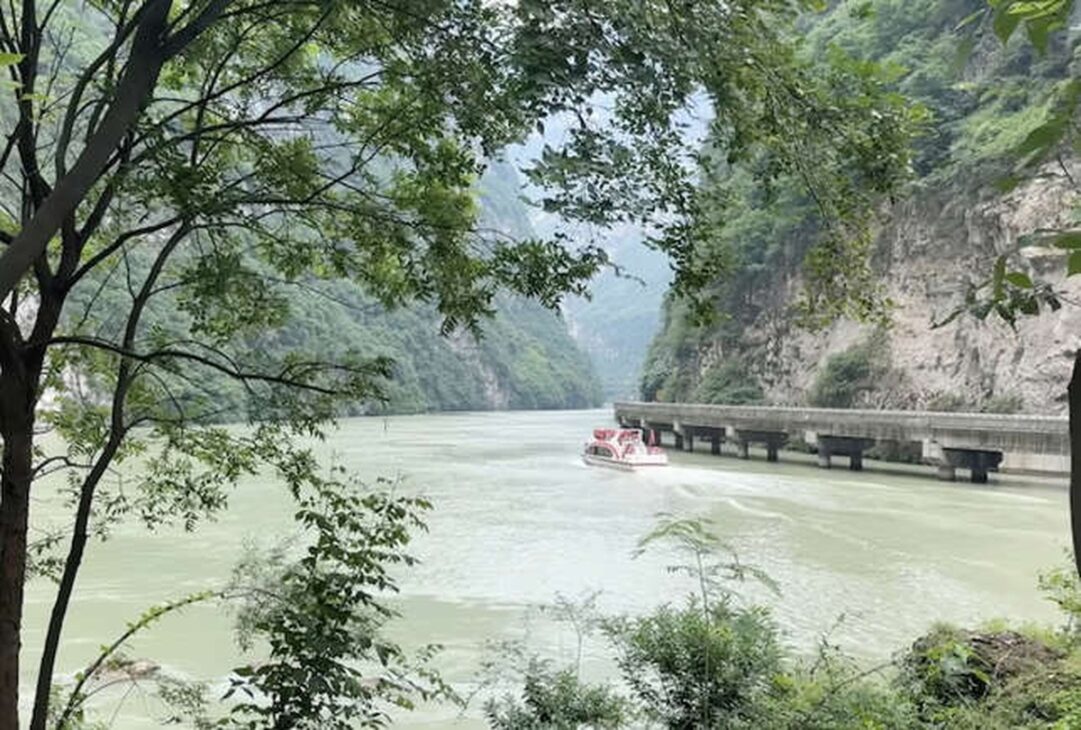
The situation began to change when a local power plant undertook infrastructure work on the canyon slopes. During this process, according to information released by local authorities, a trail was opened on the rocky slope, allowing for safer circulation.
Additionally, posts were installed along the way, which facilitated the transport of supplies and the movement of residents. Consequently, access to the island became less risky, although the location maintained its isolated character.
Subsequently, new improvements were implemented. Currently, access is made via a chain bridge and a road excavated directly into the canyon wall, a structure that still impresses visitors and locals.
House Construction Occurred Over the Years
The family’s residence was not built all at once. Instead, the house was gradually erected over the years, following the family’s needs and the conditions of the land.
Building materials were transported via improvised zip lines or manually carried by the residents. This process required planning and constant effort to expand the structure over time.
Over the years, the residence came to include two floors, an outdoor area with a table and television, and a large patio. Additionally, a space was created for the storage of tools and household items.
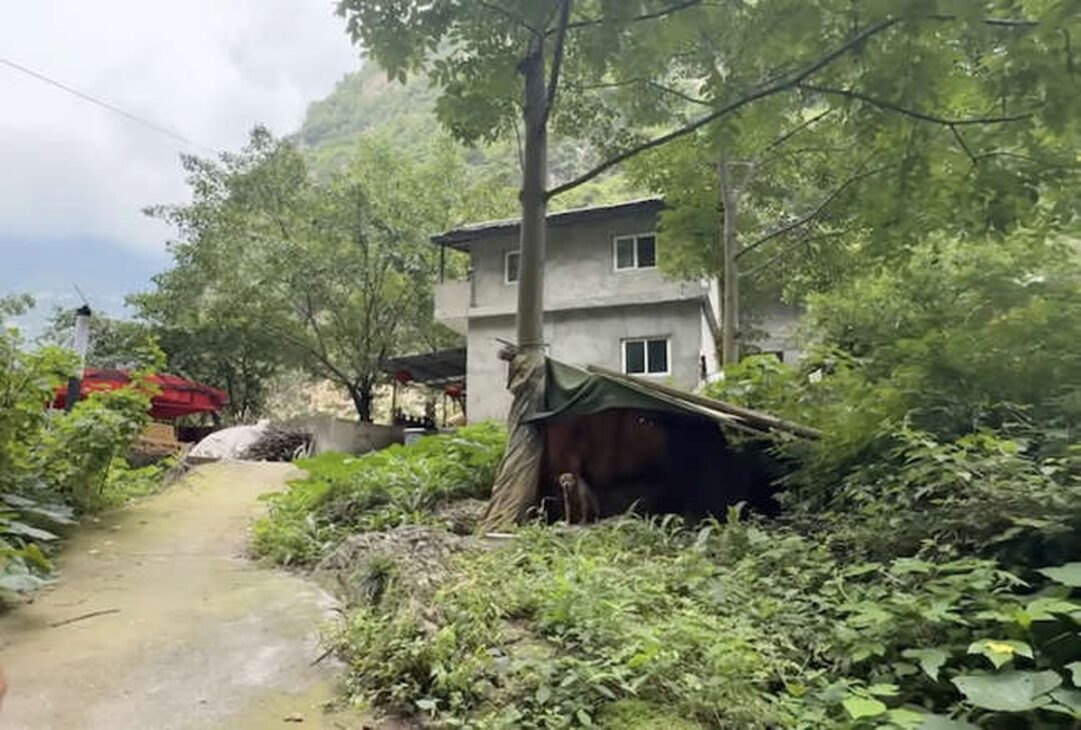
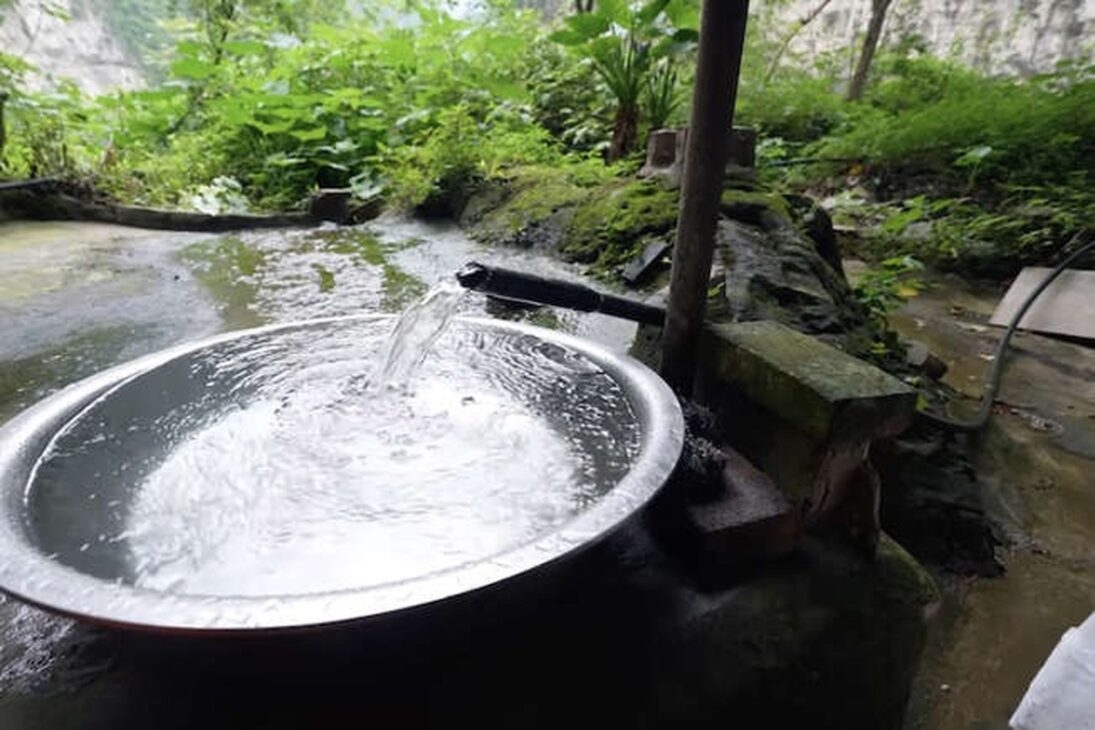
Another essential element involves water supply. A spring located on the canyon slope was channeled directly to the residence, ensuring a continuous supply of clean water.
Food Production and Natural Characteristics of the Island
The island also allows for food production. Thus, the family grows pumpkin, pepper, tomato, and various fruit trees, which contributes to their daily sustenance and reduces the need for frequent trips to the city.
According to reports released by regional media in Sichuan, the island’s climate has favorable characteristics for residency. During the winter, for instance, the location tends to be warmers than the higher areas of the canyon.
In summer, on the other hand, the environment is usually cooler, creating a relatively balanced microclimate. Additionally, the area is notable for its biodiversity.
The island is home to colorful butterflies and is surrounded by walnut trees, natural elements that reinforce the unique scenery of the region.
Geological Stability Ensures Housing Safety
Despite the impressive landscape, the family’s residence is also linked to the safety of the location. The house was built above the river’s flood line, reducing the risk of flooding.
Furthermore, the presence of a lower dam in the region helps control the water level, providing greater stability to the environment.
Another relevant factor involves the area’s geology. According to regional studies on the rock formation of Sichuan’s canyons, the hard rocks in the region have even withstood earthquakes, ensuring greater firmness to the terrain.
For Now, the Location Remains Preserved
Despite the unusual scenario and impressive landscape, the property has not yet turned into a tourist spot. At least for now, the family maintains its tranquil routine on the small island surrounded by the Jinkou River.
Thus, while many natural regions become popular attractions, this place continues to preserve the silence and isolation that motivated the family’s choice decades ago.
Given a life so different from urban reality, an inevitable question arises: Could you live isolated on a small island surrounded by canyons and a deep river?








Seja o primeiro a reagir!