





 Portuguese
  English
  Spanish
  5 min of reading
  2 comments


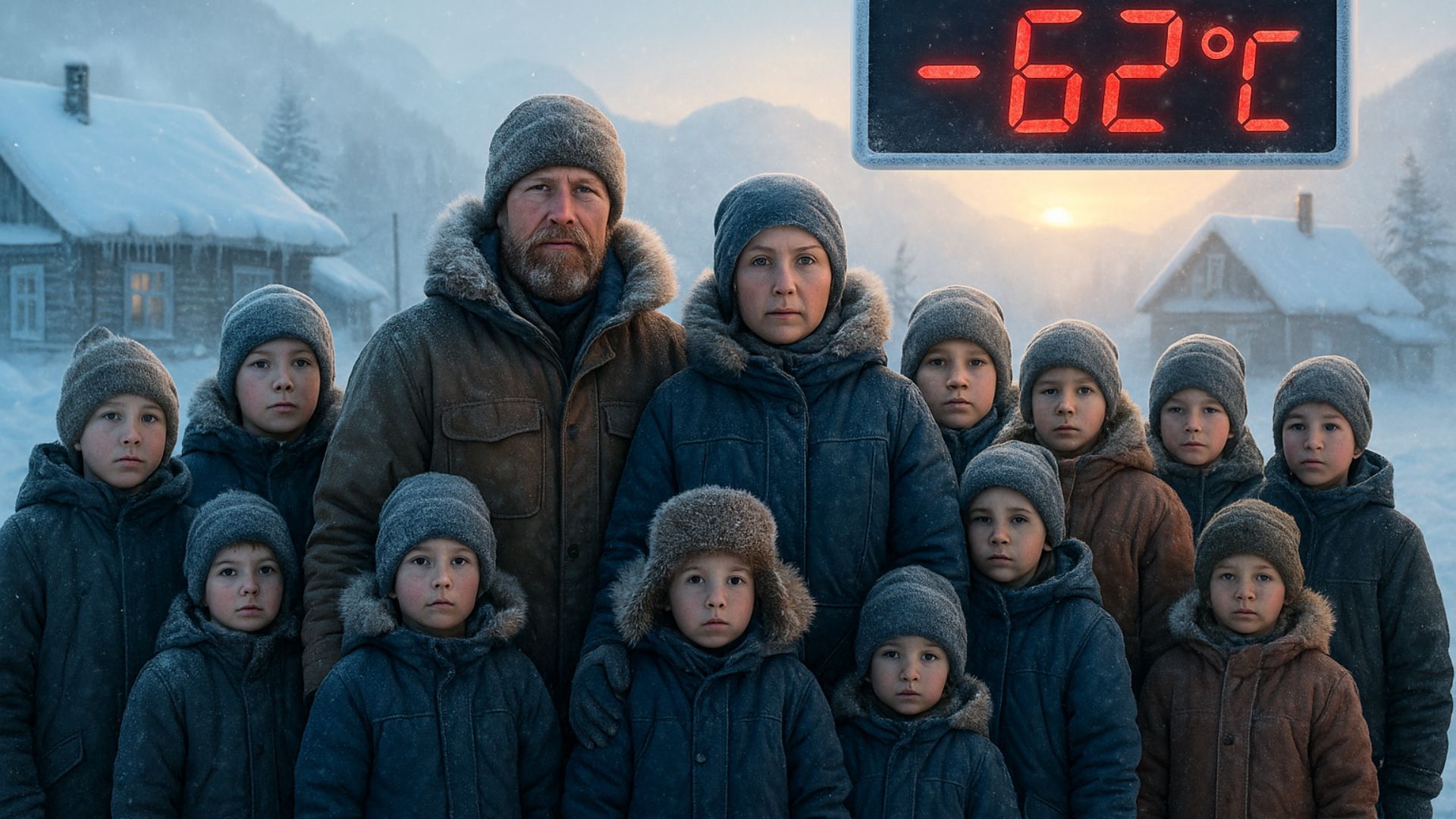


In The Coldest Village Of Siberia, A Family With 22 Children Faces Temperatures Of Up To -62 °C, Where Every Gesture, Clothing, And Meal Are Planned To Ensure Survival In One Of The Most Extreme Environments On The Planet.
Family Of 22 Children Is In The Coldest Place On Earth And Challenges The Impossible At -62ºC
In The Far East Of Siberia, In Oymyakon, A Family With 22 Children Organizes Their Routine To Face Days That Can Reach −62 °C.
Life Is Planned To The Minute: Dressing, Cooking, Storing Water, And Keeping The House Warm Become Survival Tasks.
-
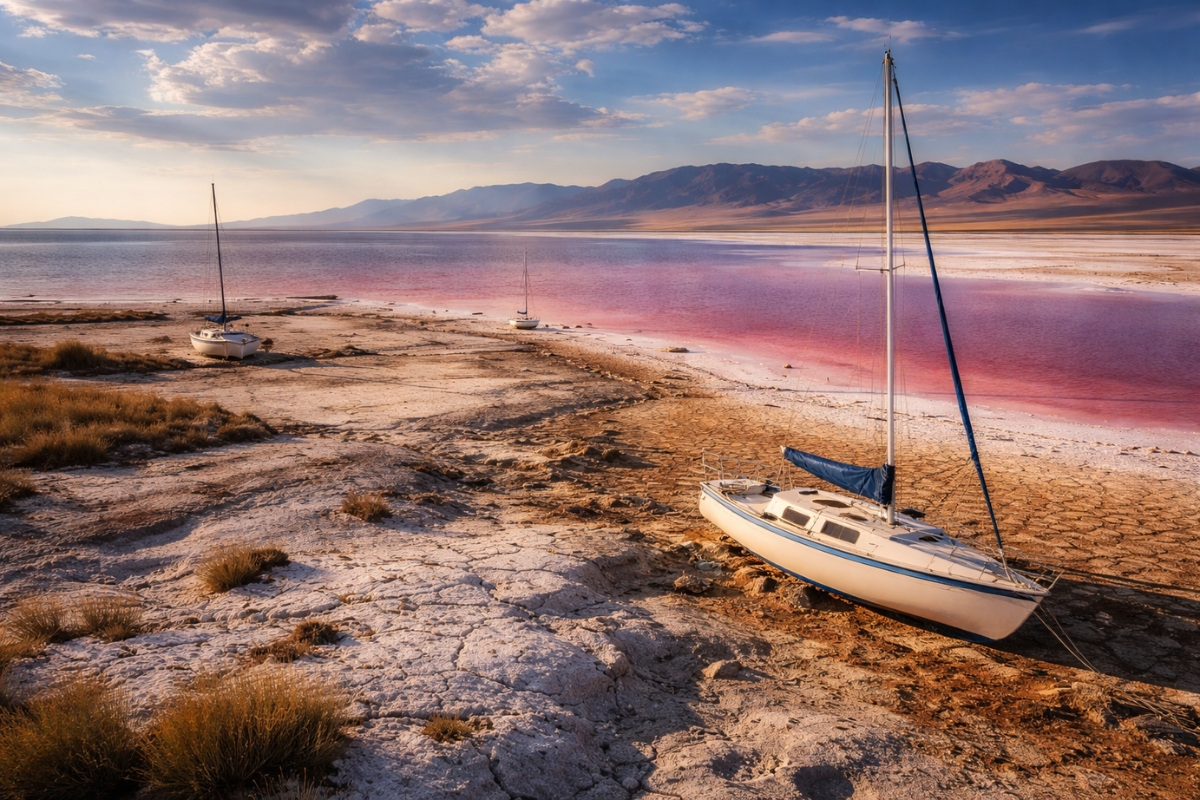
One of the most important lakes in the United States for birds, the balance of nature, and the climate has dried to historic levels, leaving boats stranded, revealing salt flats, and showing how the lack of water can transform an entire landscape.
-
It’s not Cristiano Ronaldo or Messi: the richest football player in the world is only 27 years old, has a fortune of 100 billion reais, and is the nephew of a sultan from an Asian country that few people know about.

-
At 77, the king of one of the most famous and powerful crowns on the planet is said to be under pressure to leave the throne, while behind the scenes there are already talks of a new coronation that could cost R$ 260 million.

-
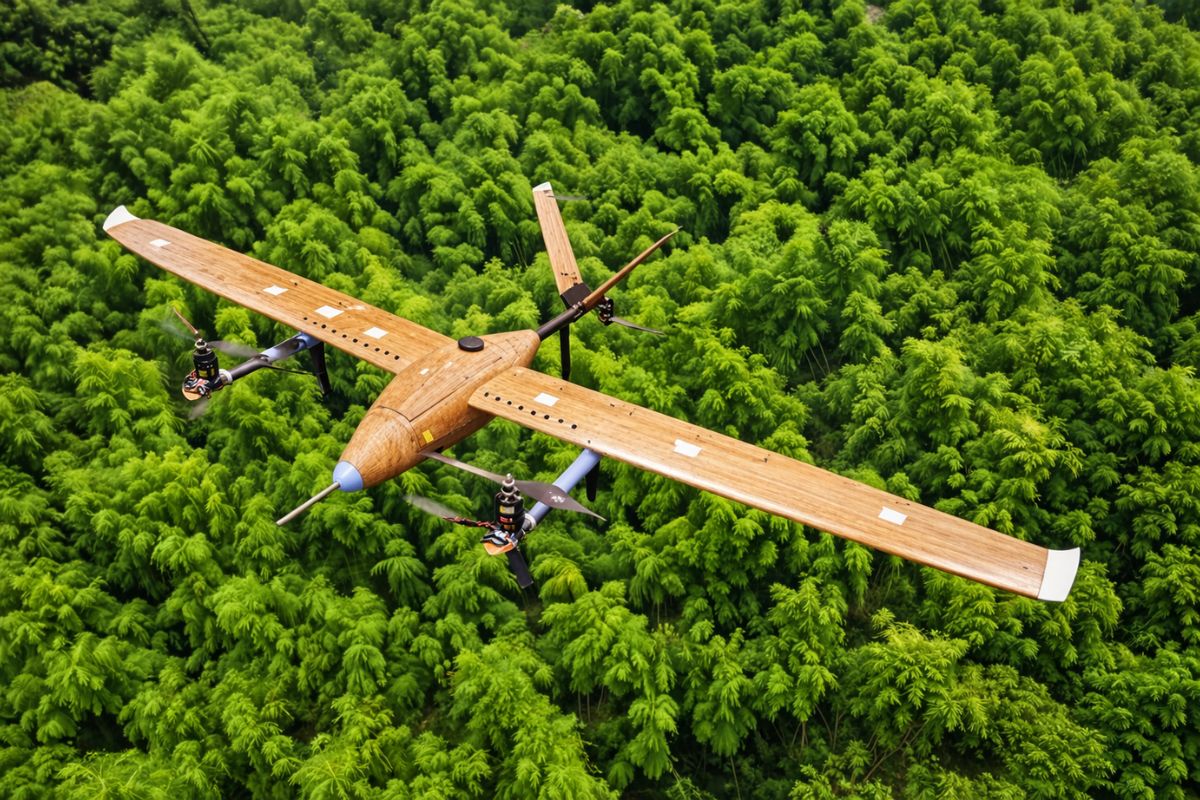
Chinese researchers have created bamboo drones that fly with the same precision as conventional models and have released the flight control software for free to the entire world in a technology that could revolutionize sustainable aviation.
In Conditions That Freeze Even The Air, Every Gesture Needs To Be Calculated To Reduce The Risk Of Frostbite And Preserve Energy.
Oymyakon: The Village Where The Cold Dictates Rules
Located In The So-Called “Cold Pole” Of Russia, Oymyakon Is Recognized As One Of The Coldest Inhabited Places On The Planet.
There, The Dawn Takes A Long Time To Gain Color And Sound; The Twilight Persists And The Air Cuts The Skin.
Before Stepping Outside, Residents Assess The Wind, Sensation Temperature, And Exposure Time, Because A Few Unprotected Minutes Are Enough To Cause Damage.

Dressing To Survive Extreme Cold
Going Outside Involves A Ritual Of Multiple Layers.
Thermal Layers Next To The Body, Wool In The Middle, And An Outer Coat That Blocks The Wind Form The Base.
Sturdy Boots, Thick Socks, Gloves With Good Sealing, And Hats That Cover The Ears Are Indispensable.
It’s Not Just The Clothing That Matters: The Time Each Person Will Spend Outside And The Shortest Route Between Shelters Are Also Determined.
Unplanned Interruptions Are Not Part Of The Daily Routine When The Cold Is Extreme.
The House As A Thermal Shield
Inside, The Residence Functions As A Fortress Of Heat.
The Stove Remains Lit All The Time To Ensure A Stable Temperature And Prevent Pipes, Furniture, And Internal Structures From Suffering Due To Ice Contraction.
Turning It Off Can Compromise Safety.
Walls And Windows Receive Constant Maintenance; Any Crack Allows The Entry Of Cold Air That Drops Thermal Comfort And Requires More Fuel.
Water That Freezes In Minutes
Water Is Stored Methodically Because It Freezes Quickly.
Part Of The Daily Consumption Comes From The Melting Ice Collected From The Environment.
Large Pots Are Ready To Heat Blocks And Replenish What Will Be Used For Drinking, Cooking, And Hygiene.
Taps And Internal Reservoirs Are Protected, And Waste Is Minimal: Each Liter Requires Effort, Time, And Fuel To Return To A Liquid State.

Food In The Cold: Food Always Rigid And Quick Handling
Food Usually Stays Frozen Outdoors, Taking Advantage Of The Natural “Cold Chamber.
Local Fish And Meats Are The Basis Of Meals, And Preparation Requires Attention.
Cutting Hard Pieces Like Stone Requires Sharp Tools And Protected Hands.
As Soon As The Ice Begins To Yield, The Pace Quickens: Portions Are Separated, Cooking Begins, And Leftovers Go Back To The Cold To Maintain Quality.
Throughout The Day, Everyone Helps To Ensure That The Cycle Of Withdrawal, Preparation, And Storage Operates Smoothly.
Energy On The Plate: Fat In Favor Of The Body
To Keep The Body Functioning Properly, The Menu Prioritizes Fats And Proteins, Sources Of Energy That Help Retain Heat And Support Long Periods Of Activity In Low Temperatures.
Meals Are Caloric And Strategically Distributed To Provide Fuel Before Outdoor Tasks And Replenish Reserves Afterwards.
Very Hot Drinks Serve A Dual Purpose: They Warm And Hydrate.
How To Breathe When The Air Hurts
Even Breathing Requires Care.
Outside, Residents Protect Their Nose And Mouth With Fabrics That Warm And Humidify The Inhaled Air, Reducing Thermal Shock In The Respiratory Tract.
The Effort Is Calculated To Avoid Hyperventilation And Preserve Energy.
Speaking Less And Keeping Movements Contained Is A Way To Save Heat, Especially When The Wind Intensifies.
Logistics Of A Full House
The Domestic Scale Of A Family With 22 Children Imposes Coordination.
Bath Shifts And Cooking Times Are Scheduled So As Not To Overload The Heating System And Ensure Enough Hot Water.
Tasks Such As Fetching Ice, Checking The Seals Of The Windows, And Organizing Food Supplies Rotate Among Residents, With The Elders Guiding The Younger Ones.
While The Street Freezes, The House Maintains Its Own Pulse, Sustained By Repeated And Efficient Routines.
Invisible Risks And Constant Prevention
Extreme Cold Does Not Warn Twice.
Initial Signs Of Frostbite On Fingers, Ears, And Nose Are Monitored During Any Movement.
Wet Clothes Are Changed Immediately To Prevent Evaporation From Stealing Heat From The Body.
Shoes And Gloves Dry Close To The Stove, And Spare Pieces Are Always Within Reach.
Planning, More Than A Habit, Is A Barrier Against Incidents In An Environment That Does Not Tolerate Improvisation.
Culture That Crosses The Ice
Despite The Hostile Climate, Local Traditions Remain Alive.
Inside The House, Stories, Recipes, And Practices Passed Down Through Generations Maintain A Sense Of Belonging.
Children Learn Early To Respect Their Surroundings, To Identify Weather Changes, And To Understand Why Certain Rules—Like Not Going Out Alone Or Checking The Wind Before Walking—Preserve Life.
The Transmission Of This Everyday Knowledge Creates A Protective Network And Reinforces The Community Identity.
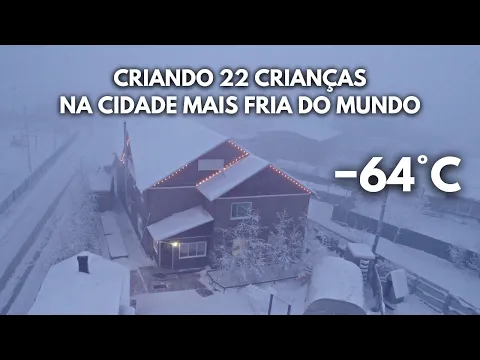

Silence Outside, Heating Inside
While The Landscape Is Immersed In Silence And Snow For Long Periods, The Interior Of Houses Is The Antithesis Of The Outside World: The Sound Of Boiling Water, The Smell Of Substantial Food, And Clothes Spread Out To Dry Form The Soundtrack Of Survival.
The Routine Is Not Romantic, But It Is Precise.
Every Day, The Same Set Of Decisions Is Repeated That Allow For Another Departure, Another Return, Another Night Without The Cold Winning.





Eu não aguentaria viver num lugar assim, esquecia as tradições e me mudaria.
Deve ser um povo muito cheiroso com 1 banho por semestre. Kkk