





 Portuguese
  English
  Spanish
  4 min of reading
  0 comments


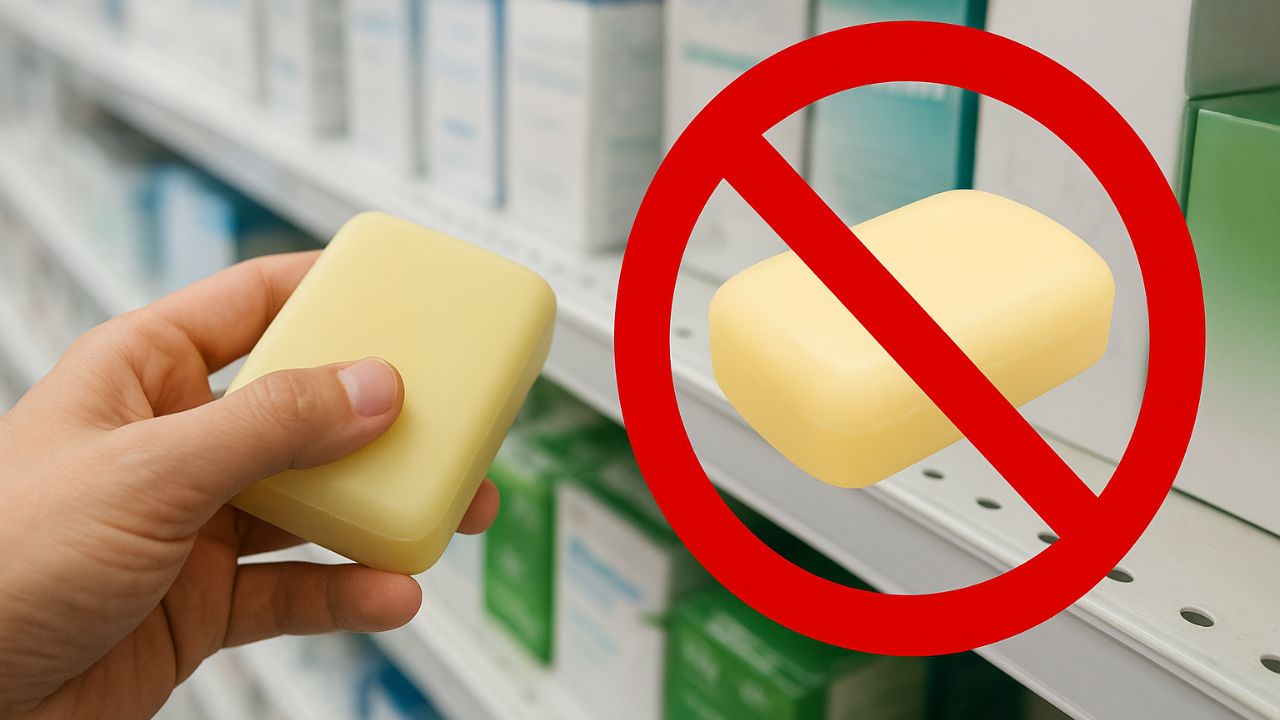
ANVISA Suspended the Sale of Soap in the Country Due to Lack of Registration. See Which Brands Were Affected, the Reason for the Ban, and What to Do If You Have Used the Product.
The National Health Surveillance Agency (ANVISA) suspended the production, distribution, marketing, and use of a liquid soap popular throughout the national territory, after finding that the product was being sold without the mandatory sanitary registration.
The measure was published in September 2025 and affects the “Pérolas do Campo” line from Bloom Perfumaria, manufactured by Dell Cosméticos Ltda EPP.
The ban applies to all of Brazil, as part of ANVISA’s intensified actions to combat irregular cosmetics that may pose risks to consumer health.
-
China alone accounts for 70% of trade within the BRICS, while Brazil establishes itself as an essential supplier of food and minerals: understand how the group, which already represents nearly 40% of the world’s GDP, is changing the game.

-
Starting in May, those who do not have registered biometrics will not be able to apply for Bolsa Família, sickness benefits, or unemployment insurance: understand the new rule that changes access to benefits for millions of Brazilians.

-
A new law being voted on in Brazil proposes a minimum fare of R$ 10 per trip and R$ 2.50 per kilometer for Uber and 99 drivers, and promises to ensure they earn as well as taxi drivers did during the golden age of taxis in the country.

-
Bauer Group collapses after failed judicial recovery: 25 years, 800 vehicles, and a network of gas stations leave a debt of R$ 50 million and 100 layoffs, exposing costs, tight margins, and expensive credit in Brazil.


In summary, what was at stake was safety – after all, without registration, there is no guarantee of quality or efficacy.
What Is the Soap Banned by ANVISA?
ANVISA identified that the soap marketed under the name “Pérolas do Campo” did not have sanitary registration, as required by the law regulating cosmetics and personal hygiene products.
Since the product was in circulation without legal formalization, the agency ordered that all lots be withdrawn from circulation.
This decision is part of ANVISA’s plan to intensify the inspection of cosmetics and personal hygiene in 2025, precisely to mitigate risks to public health.
The targeted product is the liquid soap from the “Pérolas do Campo” line by Bloom Perfumaria, manufactured by Dell Cosméticos Ltda EPP.
The ban applies to the entire national territory, without exception for states or municipalities.
In other words: if you bought this soap, it has been subject to recall/suspension and you should stop using it immediately.
Why Did ANVISA Act?
Because the product did not have sanitary registration. Brazilian legislation requires that cosmetics and personal hygiene products, such as soaps, be registered or notified to ANVISA to ensure their quality, safety, and efficacy.
Without this registration, there is no way to guarantee that the ingredients are safe, that the manufacturing process meets standards, or that the label contains correct information.
ANVISA’s own notice emphasizes that:
“Sanitary registration is the guarantee that the product underwent technical analysis and meets safety standards. Without it, there is no way to prove that the item is safe for human use.”
What Are the Impacts for Consumers?
If you purchased the soap in question, there are some immediate precautions:
- Stop using the product until there is official communication from the brand or ANVISA regarding return or replacement.
- Check if the product is listed in the banned lots or versions. ANVISA recommends that consumers follow the announcements.
- If you experience an adverse skin reaction (irritation, allergy, itching), seek medical advice and report the incident to the local health surveillance.
- For future purchases, check if the product has visible sanitary registration on the label or on its official website – this is a sign of compliance with ANVISA regulations.
What Do Companies and Manufacturers Need to Understand?
For manufacturers and distributors of soaps and cosmetics, this decision serves as a warning: without proper registration or notification to ANVISA, the company risks having its products recalled, facing sanctions, and damaging its reputation.
Moreover, as consumers are becoming more aware of product safety, regulatory failures can lead to loss of trust.
In the case of Bloom Perfumaria / Dell Cosméticos, the absence of an official statement until now reinforces the vulnerability in public communication.
How to Monitor and Report Irregularities to ANVISA?
ANVISA informs that consumers can report suspicious products or irregular sales through the following channels:
- ANVISA Ombudsman’s Phone: 0800 642 9782.
- Email or form available on the official website.
- State or municipal health surveillance, which work together in local inspections.
It is important that the consumer records the product name, brand, lot (if available), place of purchase, and describes the reason for suspicion.
The suspension of the sale of this soap by ANVISA demonstrates that even popular or “natural” products are not exempt from regulation and inspection.
The humanized and accessible language reinforces that, in the end, it is about protecting consumer health.
If you enjoy trying unique soaps, remember: checking registration, label, and lot is as important as checking price and fragrance.
And above all, situations like this reinforce ANVISA’s role as a guardian of sanitary safety in Brazil – so that “famous” does not mean “immune to the law.”
Source: Diário do Comércio.






-

-

-

-

5 pessoas reagiram a isso.