





 Portuguese
  English
  Spanish
 3 min of reading
  0 comments


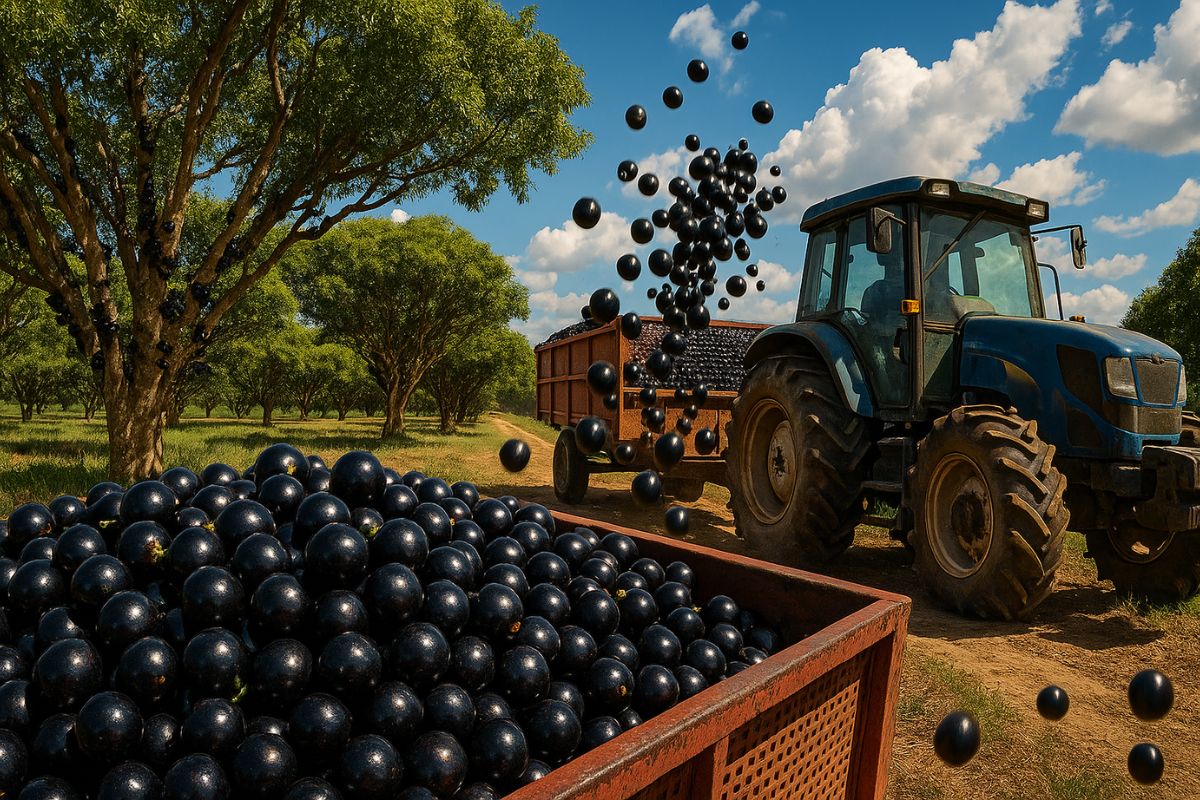
The Farm With Over A Thousand Jabuticaba Trees In Itu Combines Family Farming And Rural Tourism, Producing Up To 12 Tons Of Fruit Per Harvest And Receiving Thousands Of Visitors Seeking To Revive Memories Of The Countryside And Traditional Harvest
A sea of trunks covered with dark fruits dominates the horizon of the farm with over a thousand jabuticaba trees in Itu, in the interior of São Paulo. There are more than 1,100 trees cultivated side by side, producing about 12 tons per harvest and forming one of the most expressive orchards in the state.
The property, which combines agricultural management and tourism, has become a meeting place for those seeking contact with nature and childhood memories in the countryside. In addition to the beauty of the laden trees, the experience of picking jabuticabas directly from the tree has transformed the space into one of the most sought-after rural destinations in the region.
Production That Impresses For Its Volume And Tradition
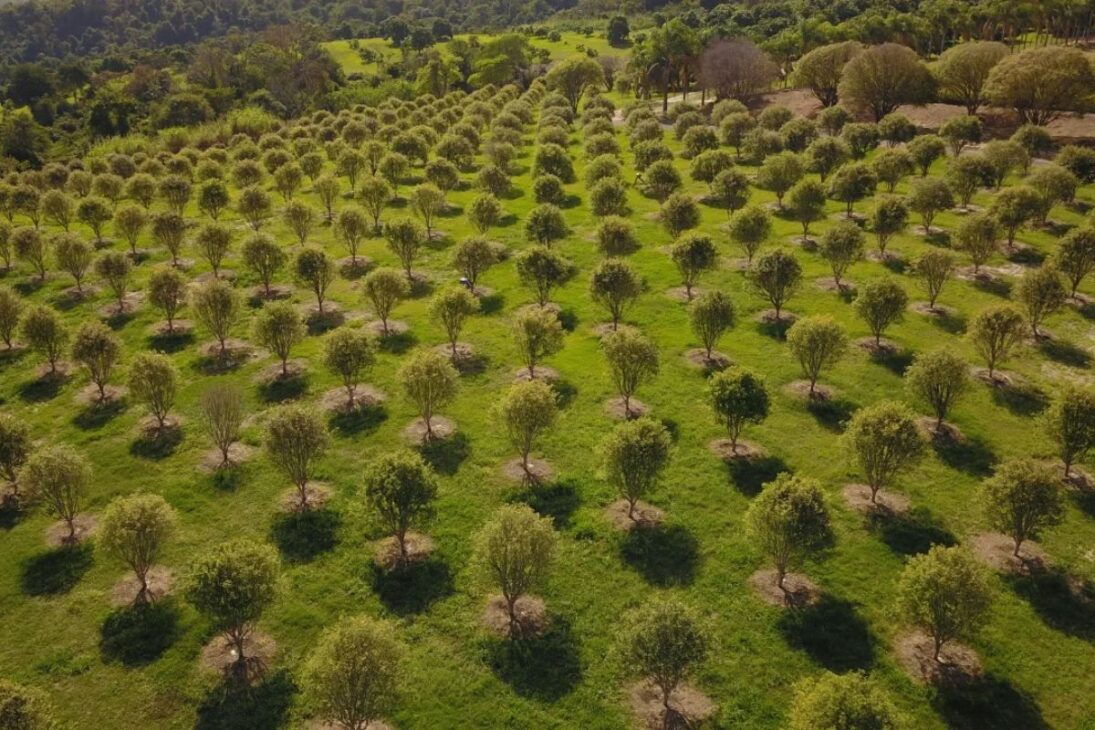
The plantation includes classic varieties such as Sabará, Paulista, and Ponhema.
-
They said no to 26 million dollars and would do it all over again: mother and daughter from Kentucky reject a million-dollar offer from a mysterious company that wants to build the largest data center in the state on more than 2,000 acres of rural land.

-
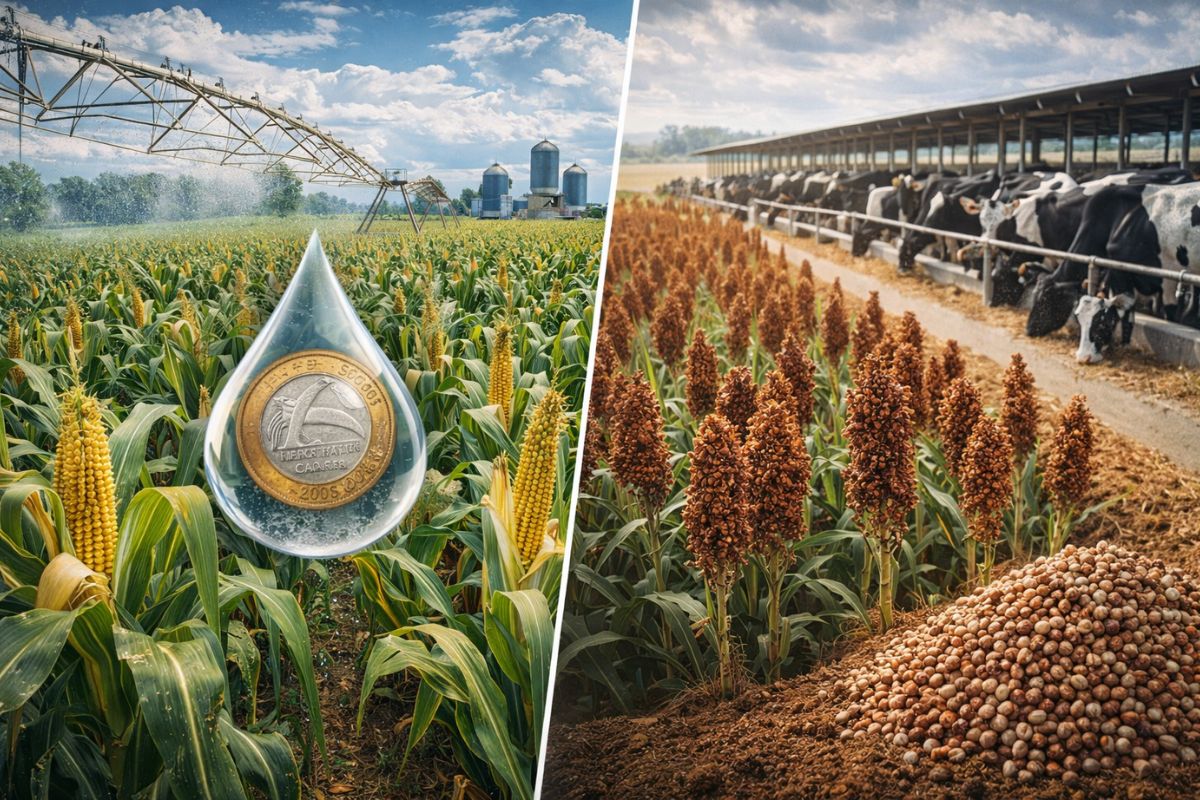
While corn requires rain and is expensive, sorghum produces almost the same volume per hectare at a cost up to 80% lower and uses less water, and it is revolutionizing dairy farming in the Triângulo Mineiro, where producers save hundreds of reais per hectare.
-
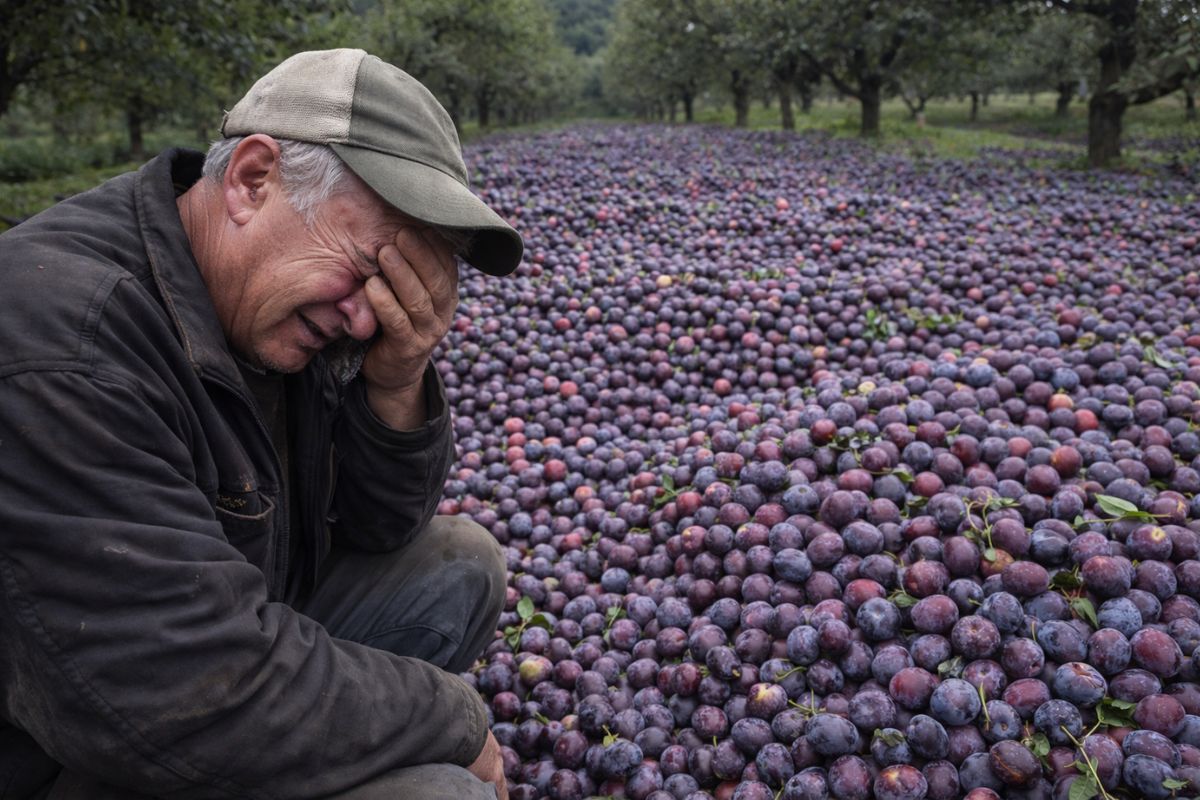
A rural producer from Urubici cries as he shows 50 tons of plums thrown on the ground because no one wanted to buy them, and in desperation, he records a video asking anyone to come to the property to pick the fruits before they rot.
-
Unable to pass through Hormuz, Brazil activated a plan B that uses Turkey as a gateway to the Middle East: the route through Gibraltar and the Mediterranean is longer and more expensive but ensures that chicken, beef, and corn continue to reach Arab markets.


Together, they ensure diversity of flavor, resilience, and productivity.
The productive cycle, which can occur several times a year, results in abundant and constant harvests.
According to agronomist Kazuo Kawakami, the secret lies in patience and continuous care.
A jabuticaba tree can take eight to ten years to produce commercially, but after that, it flourishes and bears fruit for decades, explains the expert, emphasizing that proper management ensures longevity and vigor for the plant.
How The Farm Became A Tourist Attraction
Managed by Henrique Maeda, the farm opened its doors to the public and adopted a pick-and-pay system, where visitors can pick the fruit directly from the tree.
The experience transformed the place into a reference for rural tourism in Itu, attracting families, schools, and groups of tourists.
In the last year, more than eight thousand people visited the orchard.
The scene of trunks covered with jabuticabas has become one of the most photographed in the city, and many tourists return each harvest.
The proposal, according to Maeda, is to unite leisure, learning, and appreciation for family farming.
An Affective And Cultural Symbol Of Brazil
Besides its economic value, the jabuticaba tree carries strong symbolism in Brazilian culture.
It is a fruit that evokes childhood memories and the experience of life in the countryside.
The rounded shape, the shine of the skin, and the fact that it grows directly from the trunk make the tree a visual spectacle.
The fruit, consumed fresh or transformed into <strong=jams, wines, liqueurs, and juices, is also recognized for its nutritional value.
Rich in vitamin C, antioxidants, and fiber, the jabuticaba helps strengthen the immune system and contributes to a healthy diet.
Tourism, Sustainability, And Rural Education
The space was designed to promote direct contact with the countryside and environmental awareness.
Local guides explain the cultivation process, the role of bees in pollination, and the techniques of organic fertilization used in the orchard.
In addition to tourism, the farm serves as a living laboratory for students and researchers, showing how agribusiness and rural tourism can coexist in a sustainable and educational way.
Visitors leave with a bag of fruits and a practical lesson on the productive cycle of the jabuticaba tree.
The Flavor And The Right Time For Harvesting
Those who visit the orchard also learn to choose the ideal fruit.
The darkest and soft-skinned jabuticabas are the sweetest and juiciest, producers recommend.
Since they ripen quickly, they need to be consumed shortly after harvesting to maintain their characteristic flavor and freshness.
The sweet aroma and delicate texture are part of the sensory experience that the tour provides, turning the act of harvesting into a ritual of memory and connection with the earth.








-

-

-

-

-

-

44 pessoas reagiram a isso.