





 Portuguese
  English
  Spanish
  5 min of reading
  4 comments


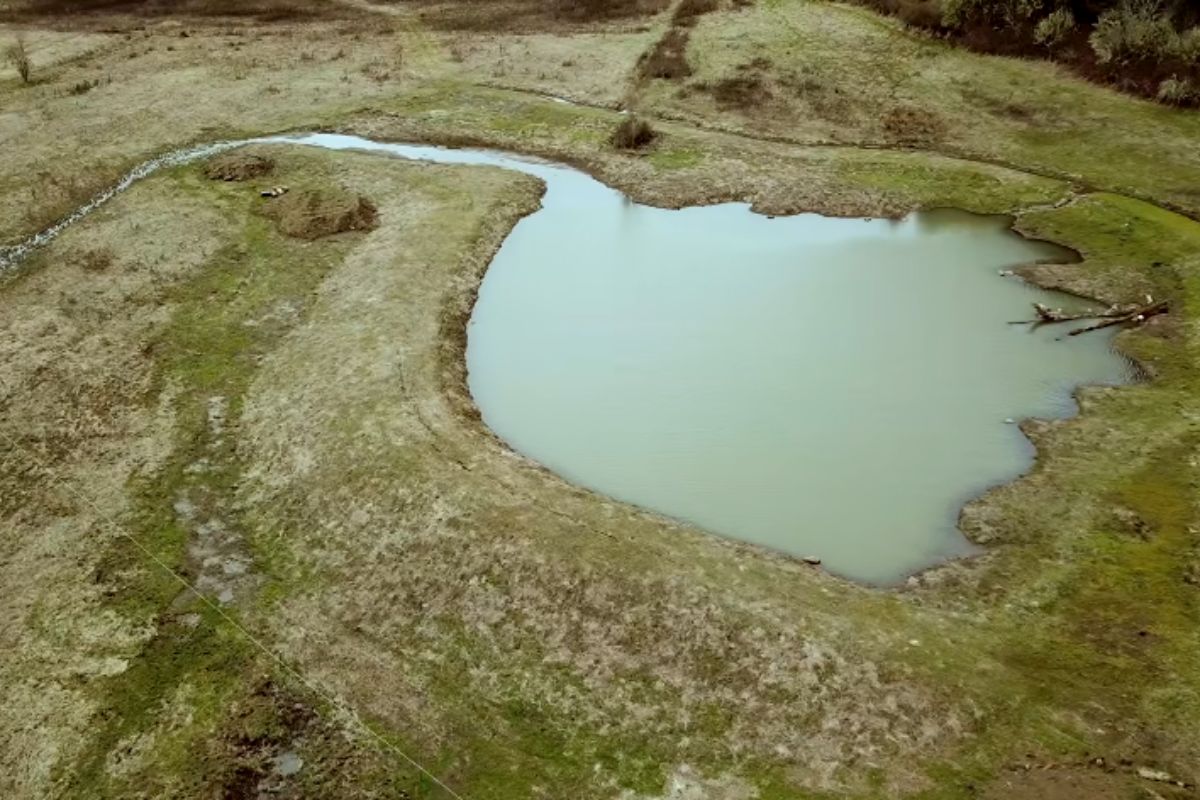


Even With Equipment Failures, Hidden Drainage Pipe, and Soil Challenges, the Artificial Lake Was Sealed with Clay, Received an Overflow, a Spring, and Brought Vegetation and Wildlife Back
A struggling farm decided to turn the tide by building a large-scale artificial lake after discovering a deep layer of clay capable of holding water in the soil. The change began with a practical assessment of the terrain and cut tests, focused on what was truly “beneath their feet.”
The artificial lake project faced equipment failures, tight deadlines, and hidden surprises in the landscape, but progressed with a central solution: connecting the dam to a deeper layer of clay, compacting the material in layers to prevent leaks and maintain perennial water.
The Turning Point Starts Underground: The Value of Finding Clay at Depth
Before drawing complex maps, the team went for the essential: testing the soil. The logic is straightforward: without adequate clay or rock, water leaks and the reservoir cannot sustain itself.
-
New CCR concrete paving technology promises roads up to 3x more durable, less maintenance, and cost reduction in Brazil.

-
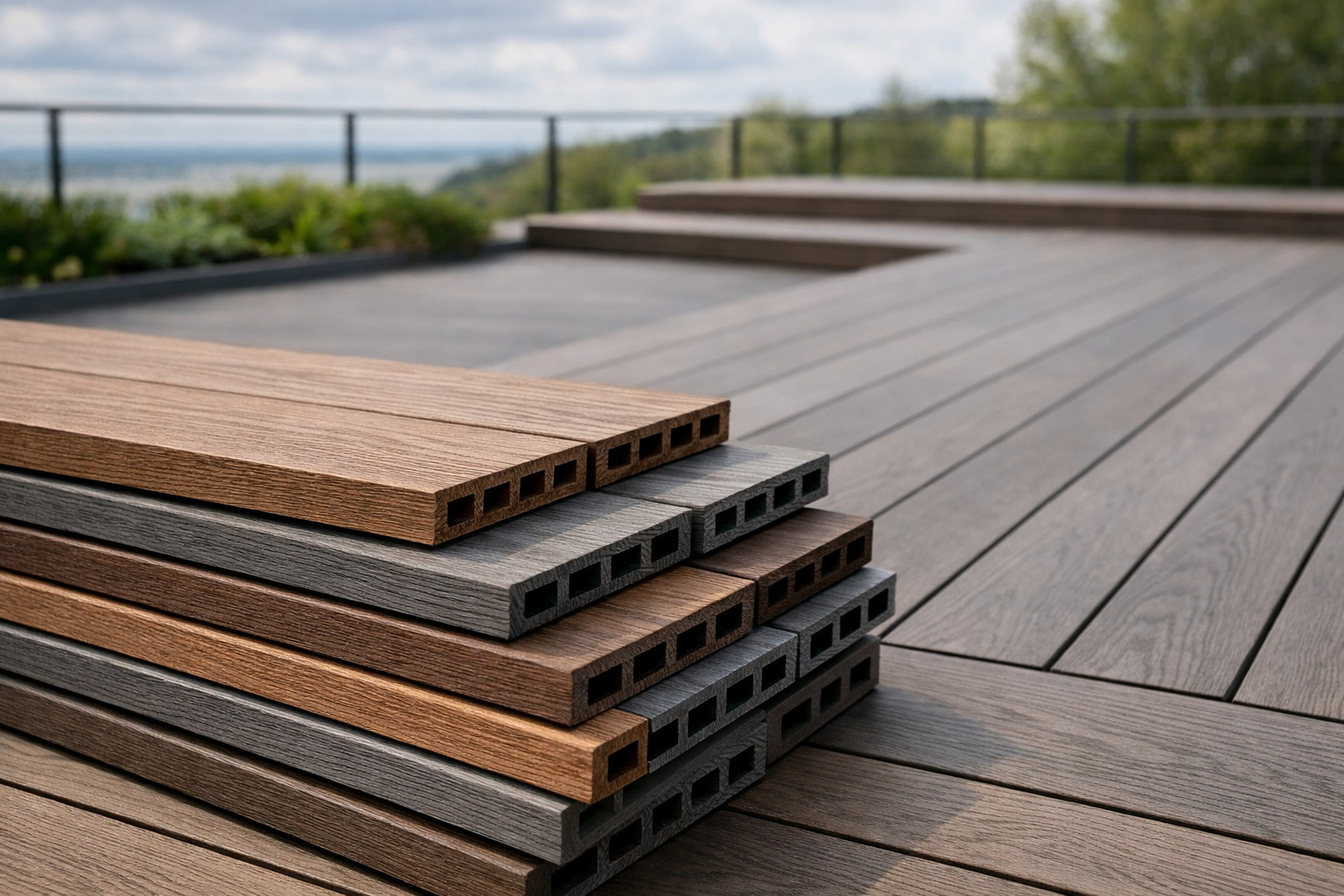
Made from recycled plastic, plastic wood is gaining space in the construction industry because it does not rot, resists moisture, and reduces maintenance costs over the years.
-
Florianópolis will receive a million-dollar BRT that will begin construction in 2026 with nearly 400 million in funding from the federal government and the Inter-American Development Bank, and the map already shows the routes for the exclusive bus corridors.

-
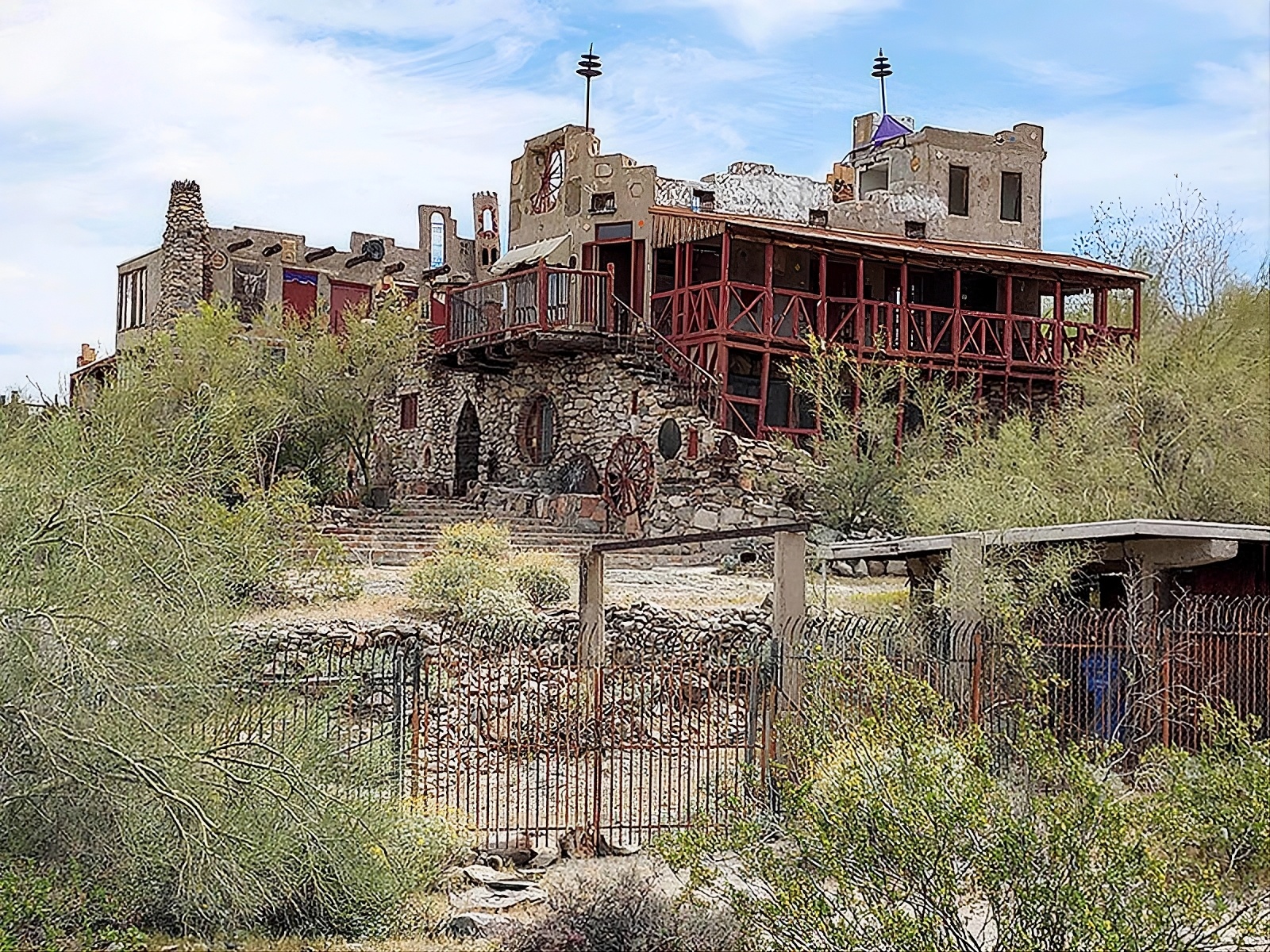
Without a blueprint, without an engineer, and using scrap from the dump, a father spends 15 years building an 18-room castle for his daughter, featuring tram tracks, 13 fireplaces, and over 700 m², which may now be demolished.

With abundant clay, the farm gained the possibility of creating a body of water that does not disappear over time.
During three days of area assessment, what mattered most were the results of the “test slices,” used to measure the proportion of clay at different points. The discovery of the deep clay layer was the key that made the artificial lake viable.
The Most Critical Step: The “Key” of the Dam and Layered Compaction
The technical heart of the artificial lake was the construction of the so-called “key” of the dam, a core trench that needs to be cut and connected with the right layer of clay at the bottom. After that, the clay is added and compacted layer by layer until the new water level is reached.
This is the type of detail that determines the project’s fate. If the key is not well connected, the artificial lake can drain from below and become a disappointment.
Machine Failure at the Wrong Time and Improvisation to Stay on Schedule
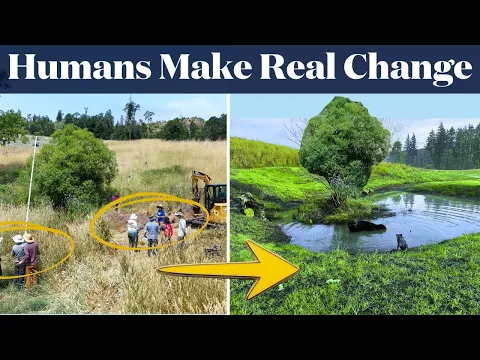

As the work progressed, a serious problem occurred: the “sheep’s foot” compactor developed a leak and broke on the second day.
Without the equipment, the team had to compact the key using the bucket and tracks of the excavator, losing operator time at a critical point.
The scenario was even tighter as a water cycle restoration event was approaching.
Even with a small team, tight deadline, and limited budget, the artificial lake needed to move forward. The compactor was repaired a few days later, and the race to regain momentum began.
Intensive Course Mid-Project: Students Build Their Own Reservoir
With about 30 students arriving for an eight-day intensive, the farm had to balance construction and training.
To keep on schedule, the team relied on support from a former apprentice to lead the construction of the main artificial lake while the students learned by doing.
The group was also challenged to design and build a small water reservoir. After excavating a sample and finding clay, the students took turns on the excavator, learning to create a functional body of water. The practice reinforced the central idea of the project: without clay, there is no reliable artificial lake.
The Overflow and the Engineering of Controlled Spillover
In addition to the smaller reservoir, the students helped measure and mark the overflow of the larger lake. The goal was to ensure the correct slope for the terrace, allowing water to flow smoothly when the artificial lake overflows.
The work was described as complicated, especially for those who had never used a laser level, but the result was a structure designed to ensure that excess water does not cause erosion but rather <strong/feed the surrounding landscape.
The Hidden Risk: An Old Drainage Pipe Could Empty the Artificial Lake
In the midst of the process, a finding emerged that could compromise everything: an old clay drainage pipe installed decades ago to drain the land. In theory, this type of drainage could empty the artificial lake and the area they aimed to rehydrate.
The solution was to build carefully, breaking the found pipe. And here comes a decisive point: since the key of the lake was connected to a deeper layer of clay than the drainage, the risk was controlled. Without this step, the pipe could have become a silent disaster.
A Spring, A Copper Pipe, and Drinking Water for Visitors
By the end of the intensive, the team included one more project: capturing a spring near the students’ lake.
Activating a spring is delicate, requiring careful planning, careful excavation, and correct pipe placement, as a wrong step can force a restart.
The work was successfully completed, and a copper pipe was adjusted to carry drinking water to the visitor area. The artificial lake began to integrate not only water retention but also local supply.
Six Months Later: Permanent Water, Overflow, and Ecosystem Recovery

After completing the artificial lake and additional parts of the project, the team returned six months later to assess the results.
The scene was surprising: the lake was full and overflowing into the spillway, nourishing the surrounding landscape with water.
With water stability, the farm gained a new standard of retention. The text describes a return of wildlife and signs of a reacting ecosystem, with animals such as moose, deer, bears, frogs, turtles, and migratory birds appearing in the area. The artificial lake became an ecological oasis and a milestone in land recovery.
Do you think an artificial lake like this should be more common on farms in dry areas, or does the risk of construction errors still scare those thinking of trying?








Muito boa a ideia, mas aqui o cidadão se não tivesse sido preso, estaria sendo processado e com multas que vendendo a fazenda não paga. Tudo feito por conta da defesa do meio ambiente.
I was looking to see where it is located and what size this “artificial lake” is. By the accompanying photo the “lake” appears to be an ordinary agricultural
pond. It has all of uses listed, but seldom is of a size to be described as a lake
Fiquei esperando dizer o tamanho do lago.
Pelas fotos me pareceu bem pequeno.
Mas, o importante é a iniciativa e o impacto dele no local.