





 Portuguese
  English
  Spanish
  6 min of reading
  7 comments


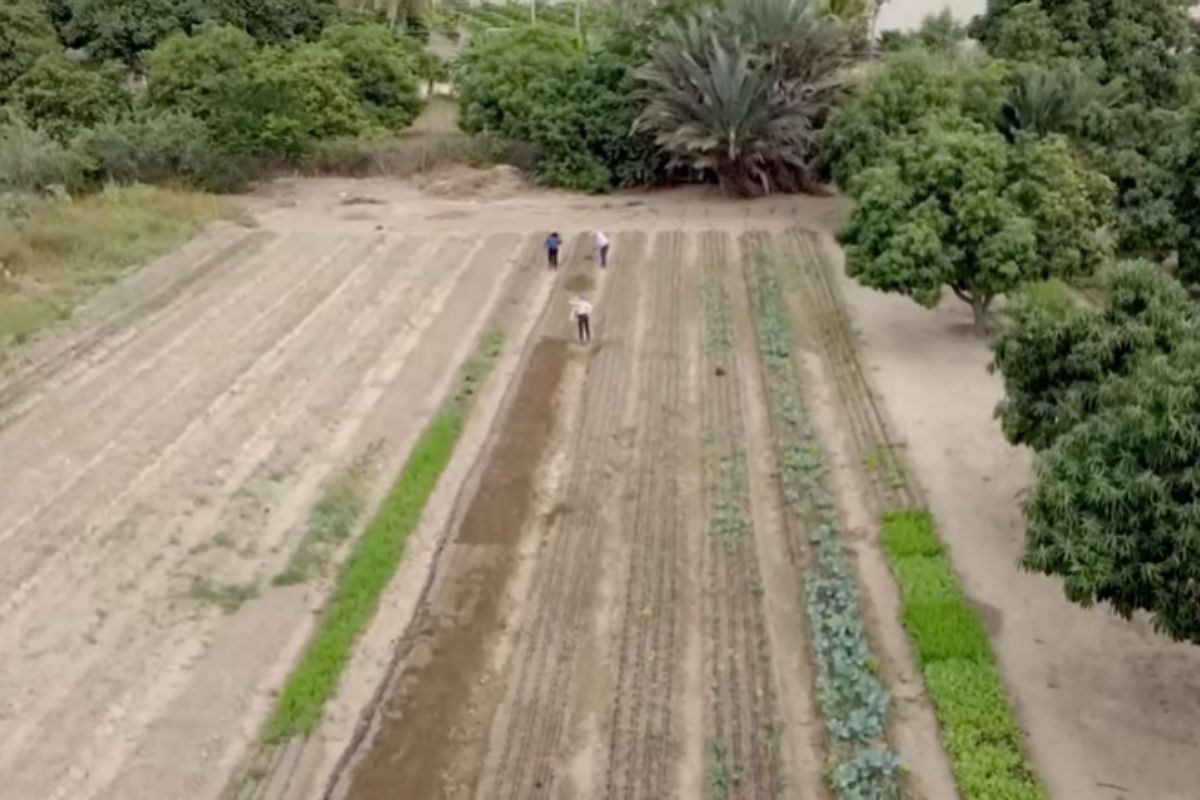


In The Heart Of Baja California, He Transforms Desert Into Fertile Soil, Grows Over 60 Crops Without Chemicals Or Machines, And Shows How Living Soil Can Produce Abundant Food Even In The Harshest Climate.
In the middle of an arid region of Baja California, a farmer in a wheelchair shows how to transform a desert into fertile soil, using only organic farming techniques, composting, and the natural rhythm of nature to produce food where almost nothing should grow.
At first glance, the scenery does not seem promising: little rain, intense heat, sandy and poor soil. Even so, over the years, he has created a system capable of transforming sand into fertile land, growing dozens of different crops, and proving that it is possible to farm in the desert with fertile soil without chemicals, using only planning, crop diversity, and extreme care with the soil.
From Desert To Fertile Soil: The Farm That Was Born From Sand
John Graham lives in a desert area of Baja California, Mexico, which receives only between 4 and 6 inches of rain per year.
-
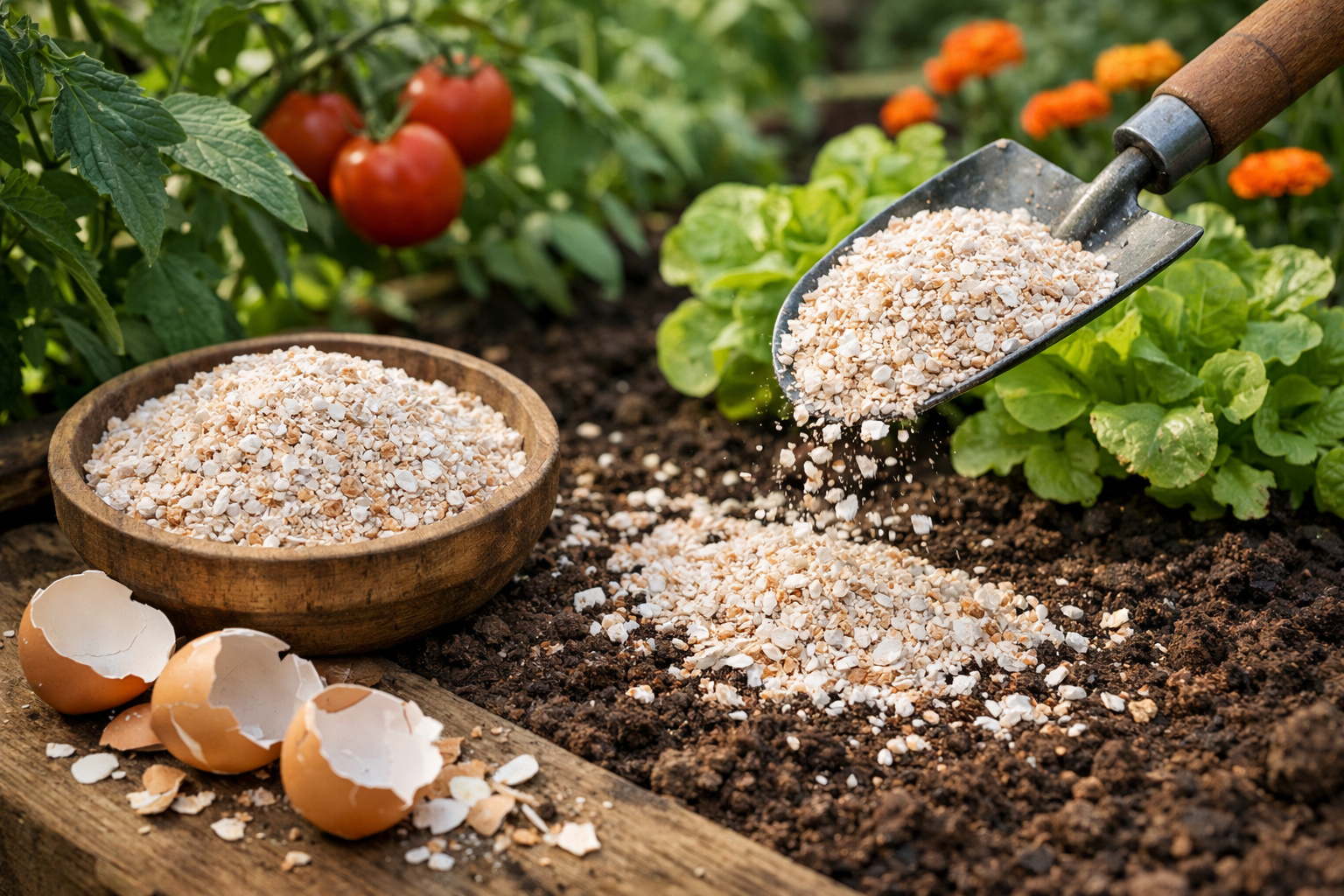
The eggshell that almost everyone throws away is made up of about 95% calcium carbonate and can help enrich the soil when crushed, slowly releasing nutrients and being reused in home gardens and vegetable patches.
-
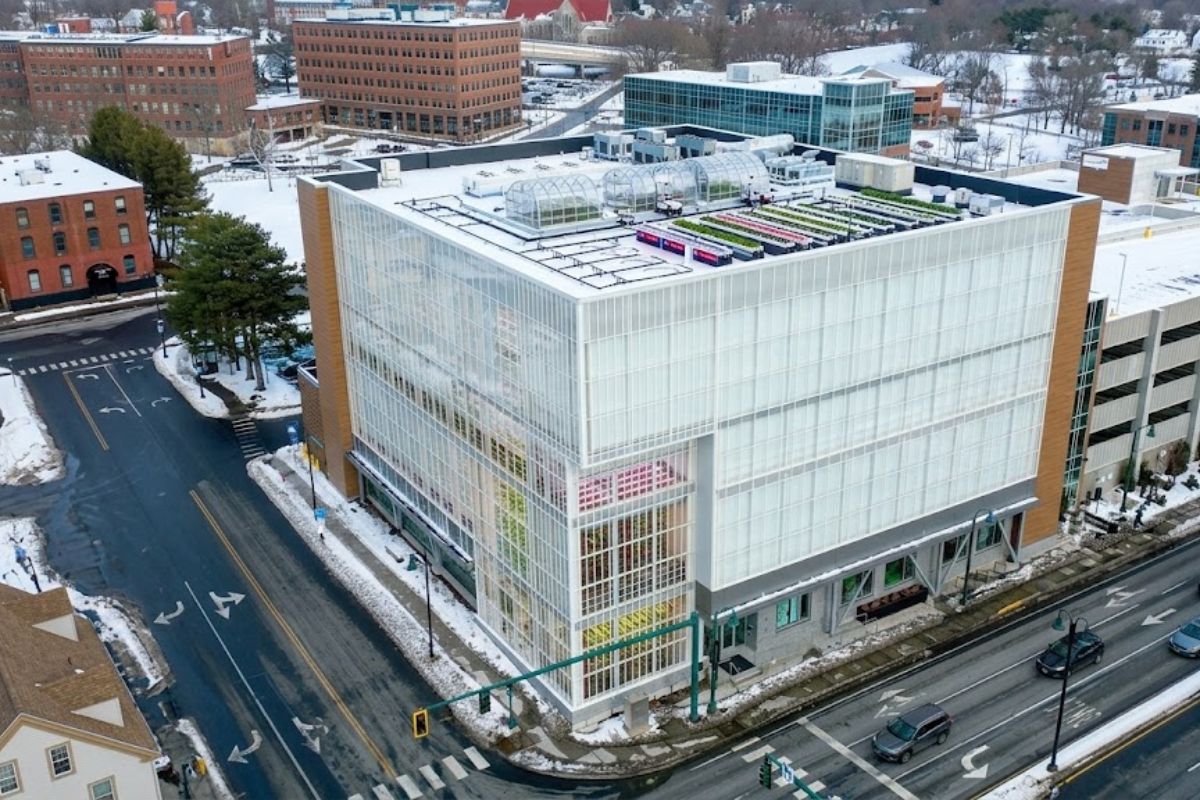
This farm in the United States does not use sunlight, does not use soil, and produces 500 times more food per square meter than traditional agriculture: the secret lies in 42,000 LEDs, hydroponics, and a system that recycles even the heat from the lamps.
-
The water that almost everyone throws away after cooking potatoes carries nutrients released during the preparation and can be reused to help in the development of plants when used correctly at the base of gardens and pots, at no additional cost and without changing the routine.

-
The sea water temperature rose from 28 to 34 degrees in Santa Catarina and killed up to 90% of the oysters: producers who planted over 1 million seeds lost practically everything and say that if it happens again, production is doomed to end.


Temperatures often reach 40 °C, the air is dry, and the soil was originally little more than loose sand. Nevertheless, he decided that a productive farm, focused on the local market and built on the concept of transforming desert into fertile soil, would rise there.
Today, where there once was only barren land, there are deep beds filled with vegetables, herbs, and flowers.
The farm covers about 2.5 acres, a little more than 1 hectare, and has grown around 60 types of crops at the same time, with plans to reach about 80 varieties during the winter.
None of this was done with heavy machinery. Everything was built with hand tools, daily observation, and a simple principle: the more you respect the soil, the less brute force is needed.
Farming In The Desert Without Tractors Or Chemicals
Instead of relying on tractors, harrows, and sprayers, John organized the work around permanent, deep, and narrow beds that are never stepped on once ready.
He basically uses three tools: a shovel, a gardening fork, and a modified version of the so-called broad fork, with deep blades that loosen the soil without turning it completely.
Thus, the beds are dug to about 60 centimeters, remain loose, full of air, and ready to retain water and roots, while the natural structure of the soil is preserved.
Instead of plowing and inverting all layers, he simply loosens the profile so that water and roots can penetrate easily.
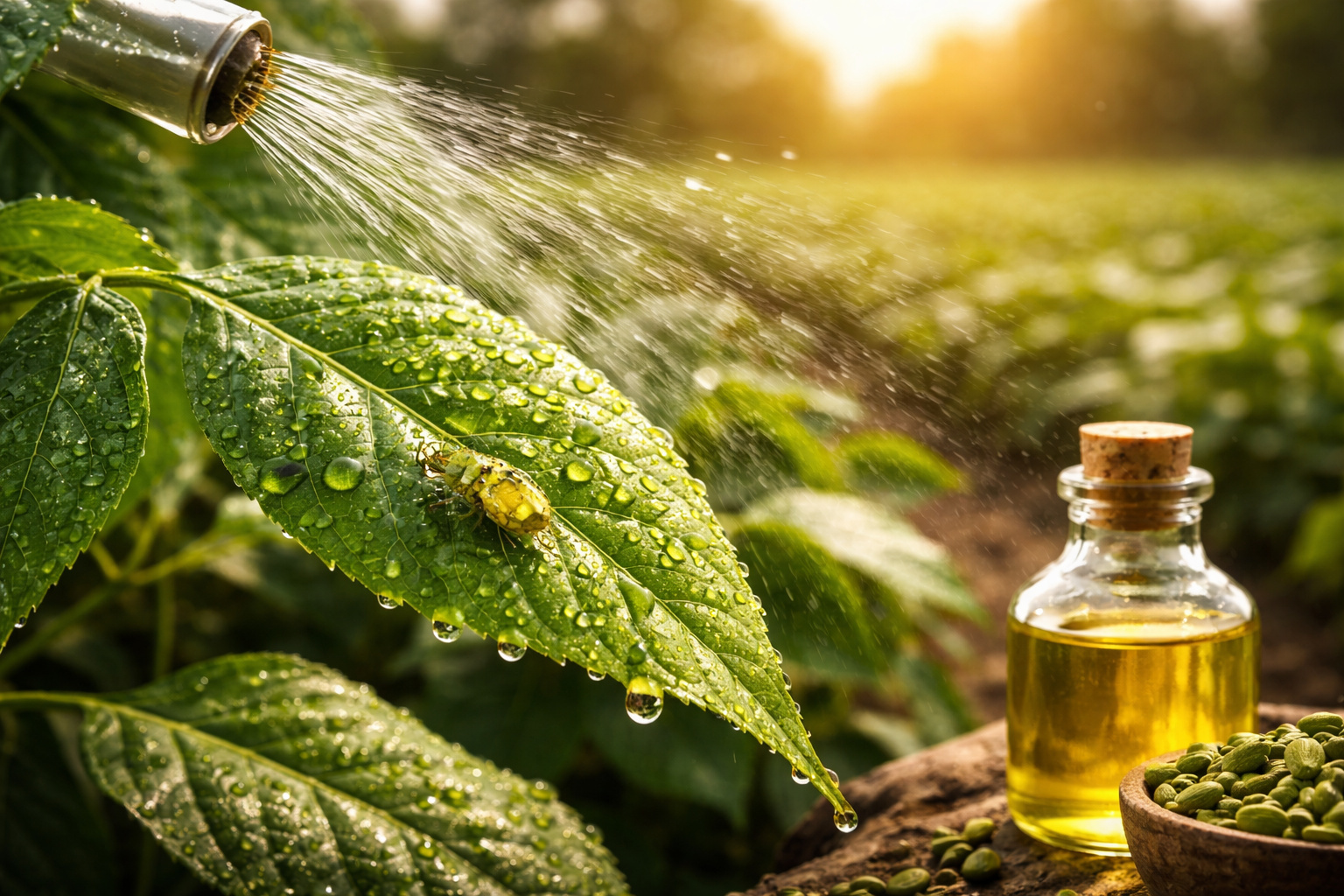
Instead of synthetic fertilizers, he uses compost and charcoal transformed into biochar. Instead of synthetic pesticides, he resorts to natural extracts from neem and chrysanthemum, mild agricultural soaps, and constant monitoring of the plants.
If a crop appears to be heavily affected, it is replaced by another, more vigorous one, before the problem spreads.
The invisible rule is clear: the soil feeds the plant, not the other way around. John concentrates his energy on building living soil, rich in organic matter and microbial activity. In response, the plants grow healthier and are less susceptible to pests and diseases.
How He Transforms Sand Into Fertile Soil In Practice

The transformation of the desert into fertile soil begins with deep digging and continues with the patient building of fertility.
The sandy soil receives large amounts of organic compost, produced on the farm itself, which increases organic matter, improves water retention, and provides a constant buffet of nutrients for the life of the soil.
Next comes the biochar, inspired by the famous “terra preta” of the Amazon. John grinds charcoal into fine particles, mixes it with compost, and lets this mixture inoculate the charcoal with beneficial microorganisms.
When this biochar goes into the bed, it becomes a kind of sponge for nutrients and water. The microscopic pores of the charcoal store fertility and moisture, helping sustain fertile soil without chemicals for much longer.
Over time, each planting cycle leaves the soil a little better than before. Instead of exhausting, the system regenerates. In an environment with little rain and intense heat, this makes all the difference.
Drip irrigation comes in as a complement, delivering water exactly where the roots are, without waste.
Extreme Diversity To Keep The Desert As Living Fertile Soil

Another pillar of the system is diversity. In a single 50-meter bed, he can distribute more than a dozen different crops.
There are no large blocks of monoculture exposed to the attack of a single pest, but rather a living mosaic where each species plays a role.
Aromatic plants like basil help repel some insects. Colorful flowers attract beneficial insects that keep pests under control.
Instead of seeing insects as absolute enemies, John treats them as part of the system: many are allies, and if the environment is balanced, they help more than hinder.
This logic, combined with the constant succession of crops, ensures that the beds are always covered. When one harvest ends, another takes its place.
The soil does not remain bare, does not burn in the sun, and does not lose structure. This is how, by repeating this cycle, a piece of sand starts to resemble rich, dark, and vibrant soil.
A Wheelchair Farm Designed To Work With Nature
The story takes on another dimension when considering that John has been in a wheelchair for over two decades after a serious car accident.
Instead of abandoning the field, he adapted everything to keep working: accessible paths, ramps, height of the beds, and organization of workspaces.
The house has become an integrated center for agriculture and logistics. It houses the seed bank, the seedling nursery, and the food preparation area for the local market and farmers’ markets.
By organizing the farm around accessibility and efficiency, he shows that transforming a desert into fertile soil is not just about technology, but about intelligently designing the system so that people and nature can work together.
At the same time, the farm serves as a living proof that it is possible to produce fresh, nutritious, and flavorful food without chemicals in an environment considered almost unsuitable for agriculture.
The surrounding community gains access to local food, while the soil gains life and water retention capacity, and the desert loses some of its advance.
What The Future Of Food Has To Do With A Desert Turning Into Fertile Soil
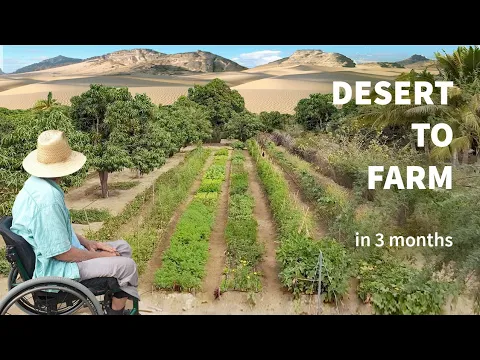

When John says that “cheap food is not cheap,” he is pointing to something that goes beyond his property. Environmental costs of contaminated water, degraded soil, and polluted air rarely appear in the final price of conventionally produced foods.
At the farm lost in the middle of the desert, he chose the opposite path: to take on the costs of time, effort, and patience so that the system becomes more resilient and less dependent on external inputs.
In the end, the transformation of that desert into fertile soil is more than just an odd case. It is a possible model of how to produce in extreme regions without repeating the mistakes of intensive agriculture that depletes the land.
Instead of fighting against the climate and soil, John reorganized his way of working so that the climate, soil, microorganisms, and insects work in his favor.
Seeing this story, with a productive farm created from sand, compost, biochar, and patient observation, the question remains: do you believe that the future of food lies in models like this, which transform desert into fertile soil with organic farming techniques, or do you still trust more in the logic of industrial agriculture with chemicals and giant machines dominating the field?








Excelente. Debemos regresar al campo y sembrar nuestros alimentos a la usansa ancestrales conforme a su naturaleza sin alterar sus moneculas y sin usar productos químicos. Cumpuestos por el hombre que producen efectos colaterales qué afectan a la PACHA MAMÁ de una irreversible. Afectando notablemente a todos los seres vivos en todos sus ambientes. Llámese aguas. Mares ríos. Lagunas. Tierras. Y aire. Y por consiguiente al gerero humano.
La verdad estoy asombrado con lo que he visto y leido acerca de esto porque parece increible que bueno y maravillosa la idea del Señor para que la gente se de cuenta que el que quiere hacer las cosas las logra claro con su inteligencia y ganas y Dios por delante se logran las cosas y millones de FELICITACIONES al señor que Dios lo cuide toda vida y le de mucha Salud para que vea todo lo que le viene por delante
A este Hombre habría que darle el Premio Nobel de la Alimentación, es admirable y digno de replicar en el mundo ya que acabaría con la crisis alimentaria, en buena hora, Felicidades por tu ingenio.