





 English
  Francês
  Alemão
  Italiano
  Japonês
  Norueguês
  Portuguese
  Spanish
  4 min of reading
  0 comments


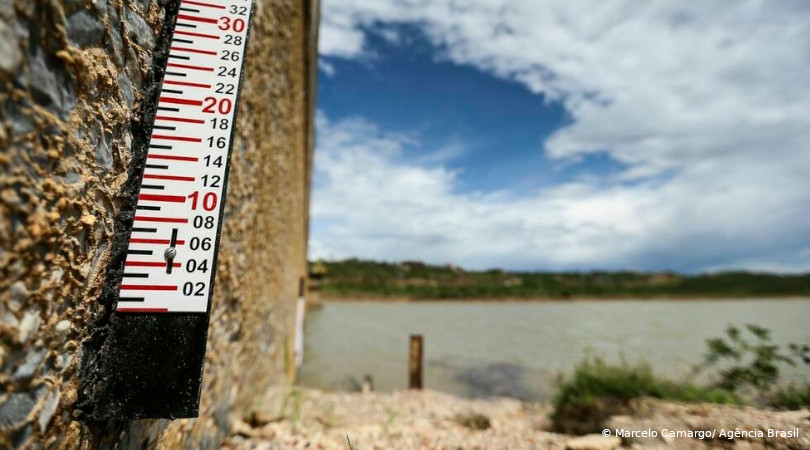
The Water Crisis Strongly Threatens Economic Recovery and Job Creation. The Federations of RJ and MG Presented Suggestions to the Federal Government to Avoid Greater Impacts
The water crisis causes enormous harm to the economy and the treasury of the Brazilian population, especially the most vulnerable. Due to the major water crisis in Brazil over the last 90 years, the industrial federations of Rio de Janeiro and Minas Gerais (FIRJAN and FIEMG) have united to minimize the impact of the crisis.
The federations prepared a statement with 14 suggestions to the federal government to reduce the impacts of the crisis and prevent it from happening in the future. The main objective of the federations is to ensure a strong economic recovery, in addition to stimulating industrial activities in the country without the need for rationing of energy.
Concerning Situation
Data from the National Electric System Operator (ONS) shows that the reservoir system in the Southeast and Midwest is at 17.9%. The states facing the most complicated situations are São Paulo and Paraná; however, the costs end up being higher for all Brazilians in all regions.
-
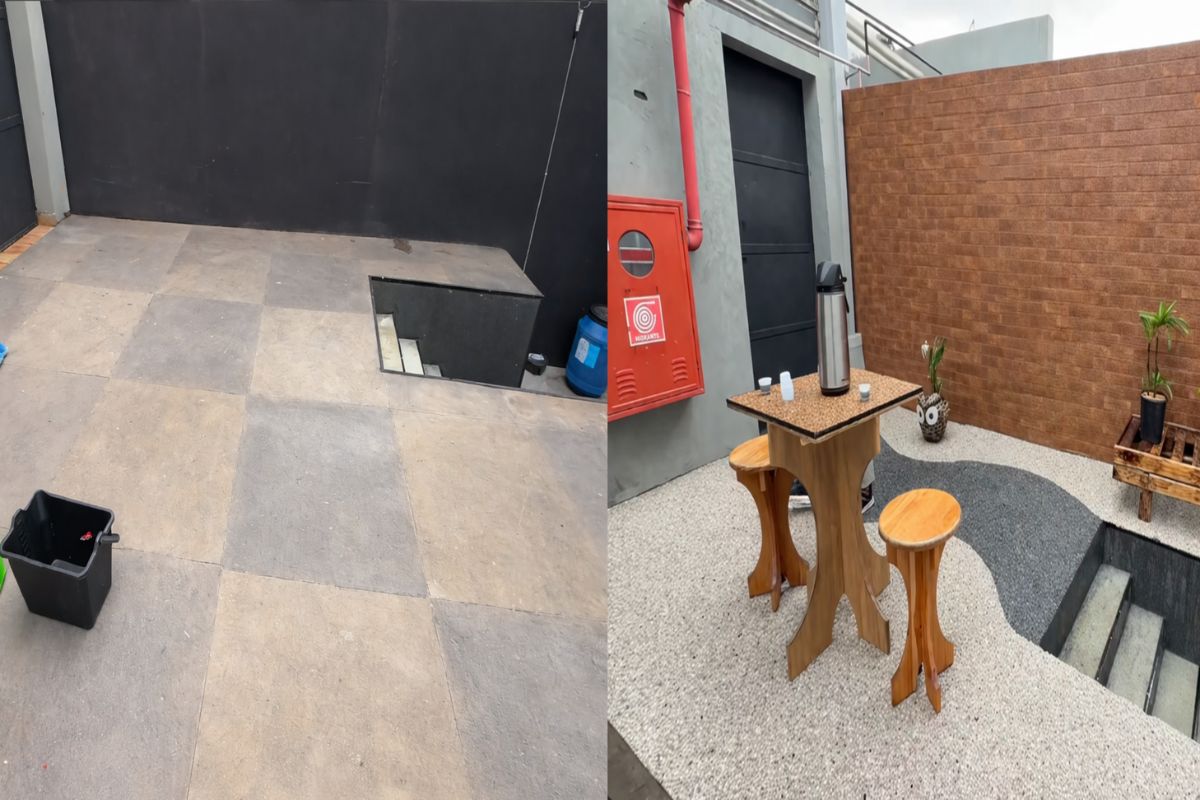
In just three hours, a natural stone floor transforms the entrance of the house with an organic effect, immediate drainage, and a sophisticated non-slip finish that doesn’t puddle water, dries quickly, and impresses with the final result.
-
‘Interlocking brick’ made of earth arrives in the construction industry with cost reductions of up to 40% on the project.
-
Espírito Santo will receive the largest engineering project in its history with the duplication of BR 262, which will have 50 viaducts, 28 bridges, and 2-kilometer tunnels cutting through the most challenging mountainous region of the entire state.

-
A project of nearly 9 million reais already has the first kilometer paved in Santa Catarina and promises to completely transform the access between Jaraguá do Sul and Rio dos Cedros in an area where tourism is growing at a rapid pace.


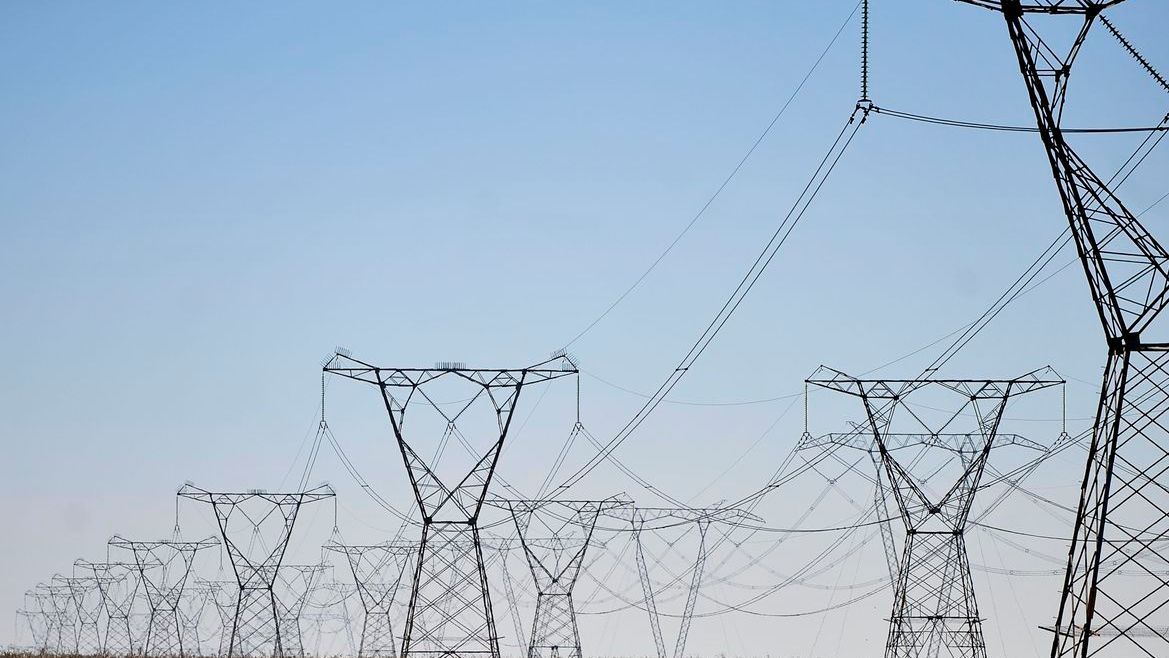
The federations also warned that the situation of the water crisis in Brazil could be at an even higher level if the Brazilian economy had been more heated in 2021. “Were it not for the successive economic crises that slowed the country’s development, we would be facing an unsustainable scenario,” says the statement.
The federations produced a total of 14 suggestions to minimize the impacts of the energy crisis on industrial production. One of the main suggestions is to improve the conditions for granting credit to companies that want to enhance energy efficiency.
The federations expect the water crisis to generate even more negative impacts on the country’s economy. Because of this, the federal government must be attentive and ready to act.
List of Suggestions to the Federal Government
1 – “Allow the Aneel energy efficiency program to be offered with grants for the industrial sector, similar to what is already done for social programs, the public sector, and non-profit organizations;
2 – Request Aneel to relax the collective continuity indicator – DEC so that distributors can schedule and perform shutdowns for new connections in distributed generation – which contributes to increasing energy production and reducing the demand for centralized generation;
3 – Enable the use of cogeneration and local industrial generation from diesel oil by developing a program that accelerates the entry of these sources into operation as soon as possible;
4 – Improve the financing conditions of BNDES credit lines dedicated to energy efficiency actions and, in particular, the acquisition of equipment for self-production;
5 – Create products within the Voluntary Demand Reduction plan – RVD – reducing the current threshold from 5 MW to 1 MW, allowing more industries to contribute to the program. Relax the limit of hours for adherence to the RVD to 2 to 7 hours daily. Additionally, allow consumers to confirm their adherence to the program the day before the actual RVD;
6 – Suggest replacing public lighting (IP) with LED in areas that do not already use it, and also reducing public lighting consumption by at least 20% in areas that do not pose a risk to public safety;
7 – Exempt the ICMS charge on the additional water scarcity flag, since the increase in tax results from an exceptional situation arising from an energy crisis;
8 – Encourage, similar to the federal government, the reduction of energy consumption in public buildings and in public utility companies such as those in the sanitation sector;
9 – Adjust the tariff points for captive consumers in Group A, so that the peak tariff reflects the peak hour of each distributor’s electric system;
10 – Prevent the hydraulic displacement caused by demand reduction programs from being borne by consumers through tariff charges;
11 – Utilize resources from the National Treasury to cover costs generated by demand reduction programs – whether voluntary or compulsory;
12 – Inhibit overpricing in the supply of fuel for thermoelectric plants;
13 – Ensure that the unavailability indexes of thermoelectric plants remain within the reference values used in calculating the physical guarantee of power plants, with the application of penalties stipulated in the contract;
14 – Initiate discussions on the modernization and repowering of hydroelectric plants, as well as re-evaluating the physical guarantee of enterprises to increase the adequacy of energy supply from the national interconnected system“.






Seja o primeiro a reagir!