





 Portuguese
  English
  Spanish
  3 min of reading
  0 comments


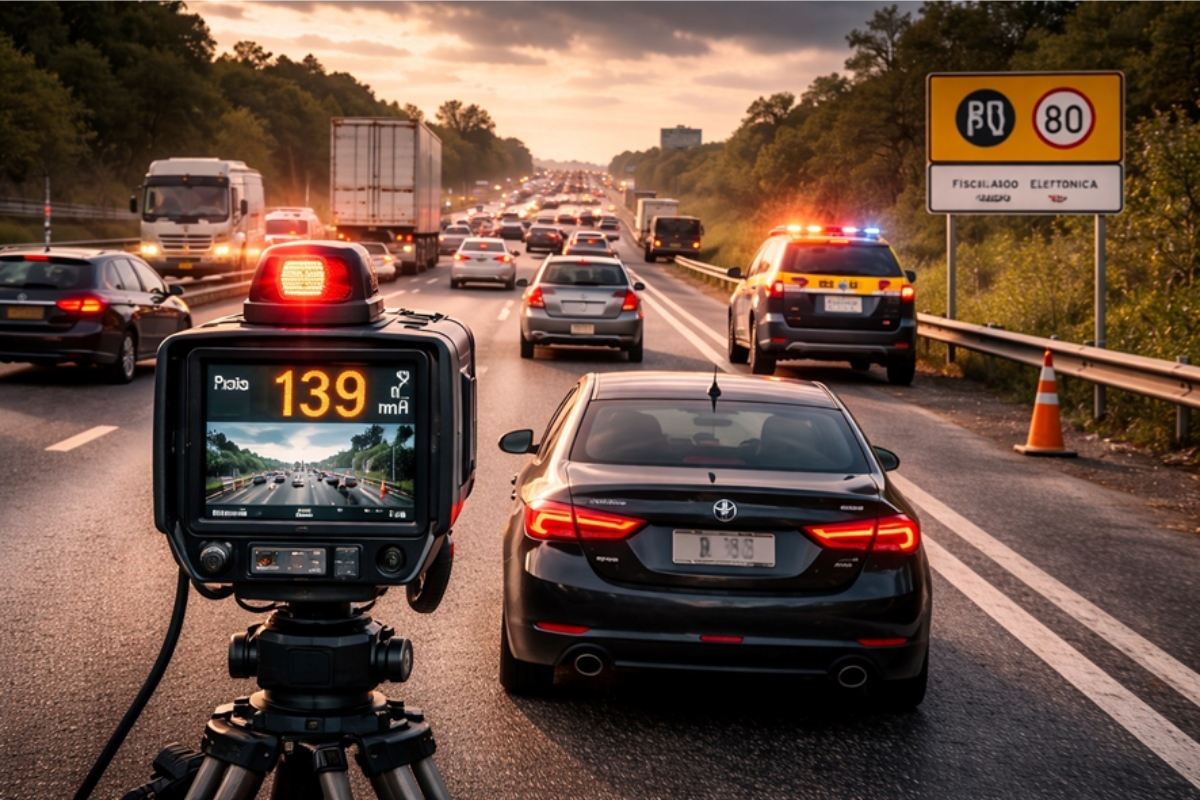
On Federal Highways in Brazil, the Federal Highway Police Recorded Over 10 Million Fines in 2025 to Curb Recklessness, Resulting in an 8% Increase in Infractions and Raising Concerns About Road Safety
The year 2025 marks a historic achievement for Brazilian roads with a staggering number. For the first time, the volume of fines on federal highways exceeded 10 million records.
This data reveals a clear change in the monitoring landscape and in driver behavior. What was once concerning has escalated further.
Images captured throughout the year show high-risk situations. Dangerous overtaking, prohibited maneuvers, and extreme speeds have become frequent occurrences in monitoring systems.
-
A French brand placed a car on four huge red balloons to prove that its suspension made the vehicle “float,” and the surreal scene became one of the most iconic and unusual images in automotive history.

-
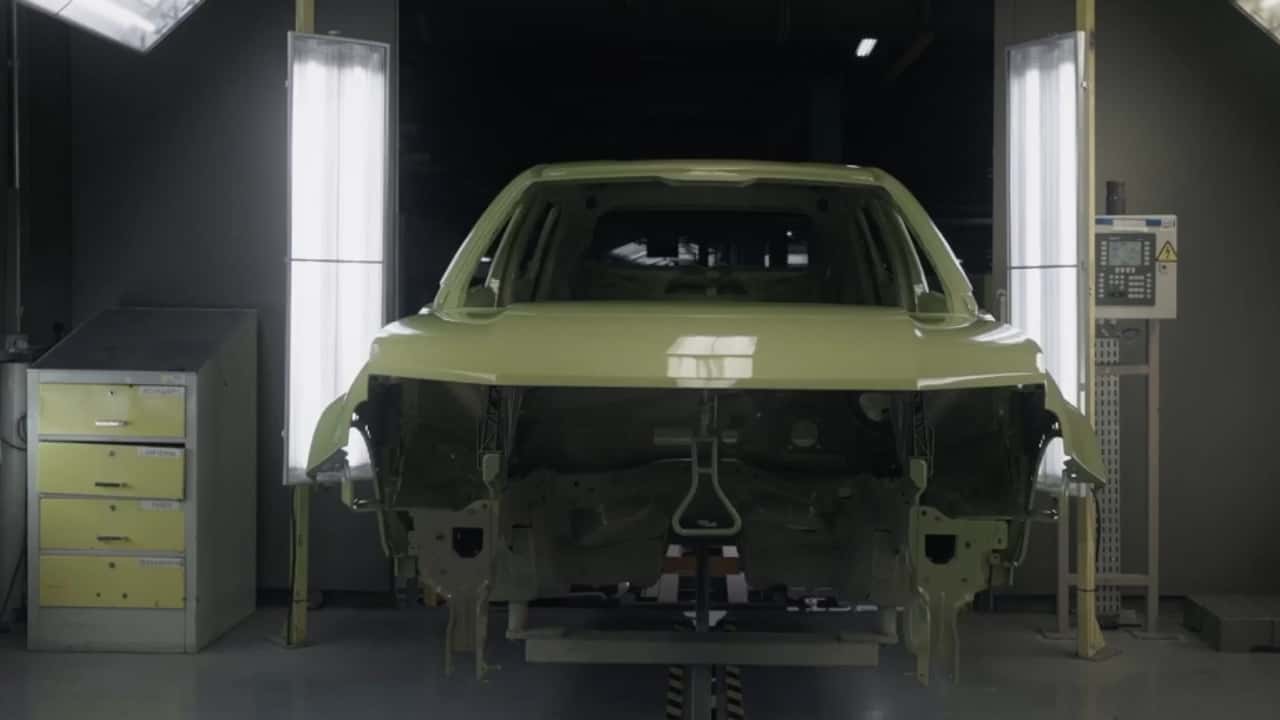
Jeep Avenger begins production in Brazil, debuting as the brand’s new entry-level SUV and inaugurating an unprecedented phase by becoming the first national Jeep manufactured outside of Goiana, as part of a R$ 3 billion plan.
-
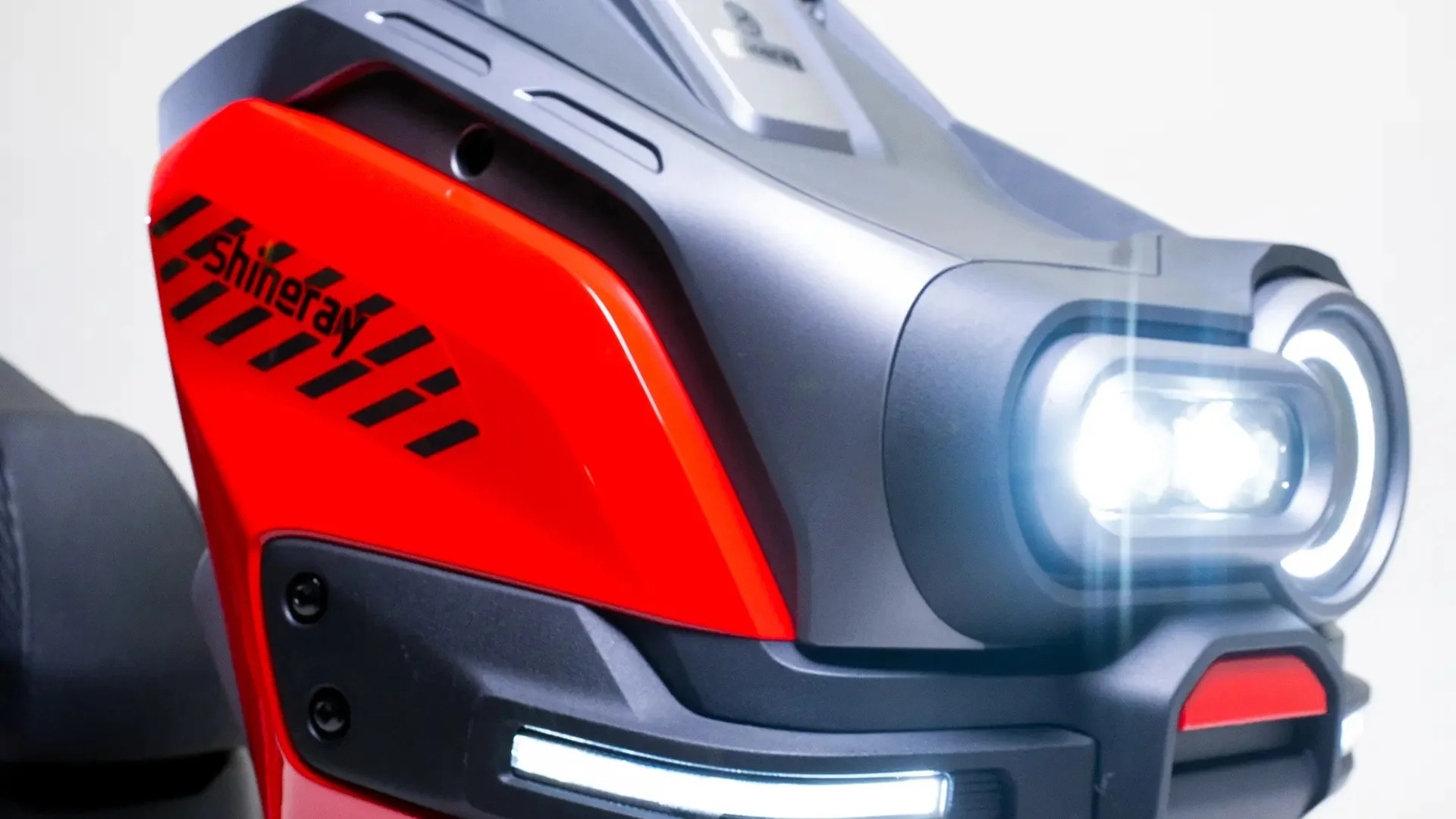
Costing R$ 12,490, the new Shineray Urban Lite 150 “cheap one” arrives in Brazil with a CVT transmission, digital dashboard, and LED lights, making it more affordable than the Biz and targeting those who want to abandon the bus.
-
Ducati brings to Brazil the Superleggera V4 Centenario: 228 hp that become 247 with a track kit, carbon fiber and carbon-ceramic brakes, estimated price between R$ 1.5 and 2 million, deliveries only in 2027.


The impact was immediate on statistics and placed road safety at the center of national discussions.
Extreme Risk Captures on the Roads Drew Authorities’ Attention
Among the recorded scenes, some stood out for their level of recklessness.
On BR 153, drivers attempted to overtake two trucks at the same time in a section where it was expressly prohibited. This infraction is considered severe under the Brazilian Traffic Code.
In the same roadway corridor, a truck ignored signage and performed risky maneuvers on the road recognized as having a high accident potential.
On BR 324, cameras recorded a motorcyclist riding over a pedestrian footbridge, a behavior that endangered both the rider and individuals using the structure.
Extreme Speeds Dominated the Infraction Ranking

Speeding was by far the most frequently recorded irregular behavior.
Seven out of ten fines issued in 2025 were for driving above the speed limit on federal roads.
On BR 381, in Minas Gerais, a radar recorded a car traveling at 200 kilometers per hour. Other vehicles passed the same point also exceeding the allowed speeds significantly.
According to technical evaluations, driving at high speeds drastically reduces reaction time in the face of danger and increases the severity of accidents.
Other Irregularities Also Increased and Expanded Statistics
In addition to speed, other infractions were prominently recorded.
Lack of vehicle licensing appeared among the most common occurrences, as did overtaking in prohibited areas.
The overall increase in fines reached 8% compared to the previous year, solidifying 2025 as the highest volume ever recorded.
High-traffic highways topped the ranking, particularly corridors connecting densely populated regions and strategic logistics routes.
BR 101 and BR 116 Concentrated the Largest Volume of Infraction Notices
The two highways that led the number of fines were BR 101 and BR 116.
Both cut through major urban centers and link the North and South regions of the country, which increases the daily flow of light and heavy vehicles.
The high traffic volume, combined with the risky behavior of some drivers, significantly raised the number of infractions in those segments.
The detail that caught the most attention was the repetition of infractions at the same monitored points.
Intensified Monitoring and Tripled Radars Expanded Records
The increase in fines is also tied to the reinforcement of monitoring.
The Federal Highway Police intensified operations and more than tripled the use of fixed radars in recent years.
The increase in technological presence enhanced the capacity to detect irregularities in real-time.
According to evaluations by the corporation, the current scenario results from two combined factors: reckless driver behavior and external conditions that make driving more dangerous, such as adverse weather and low visibility.
Expanded monitoring is expected to continue in the coming years.
The historic record of over 10 million fines reveals a profound transformation in monitoring and also in behavior on the roads. The combination of technology, recklessness, and high traffic volume has placed road safety at the highest level of attention.
Do you think that the increase in fines improves safety on highways or merely increases revenue? Your opinion is important; participate in the comments.










Seja o primeiro a reagir!