





 Portuguese
  English
  Spanish
 4 min of reading
  0 comments


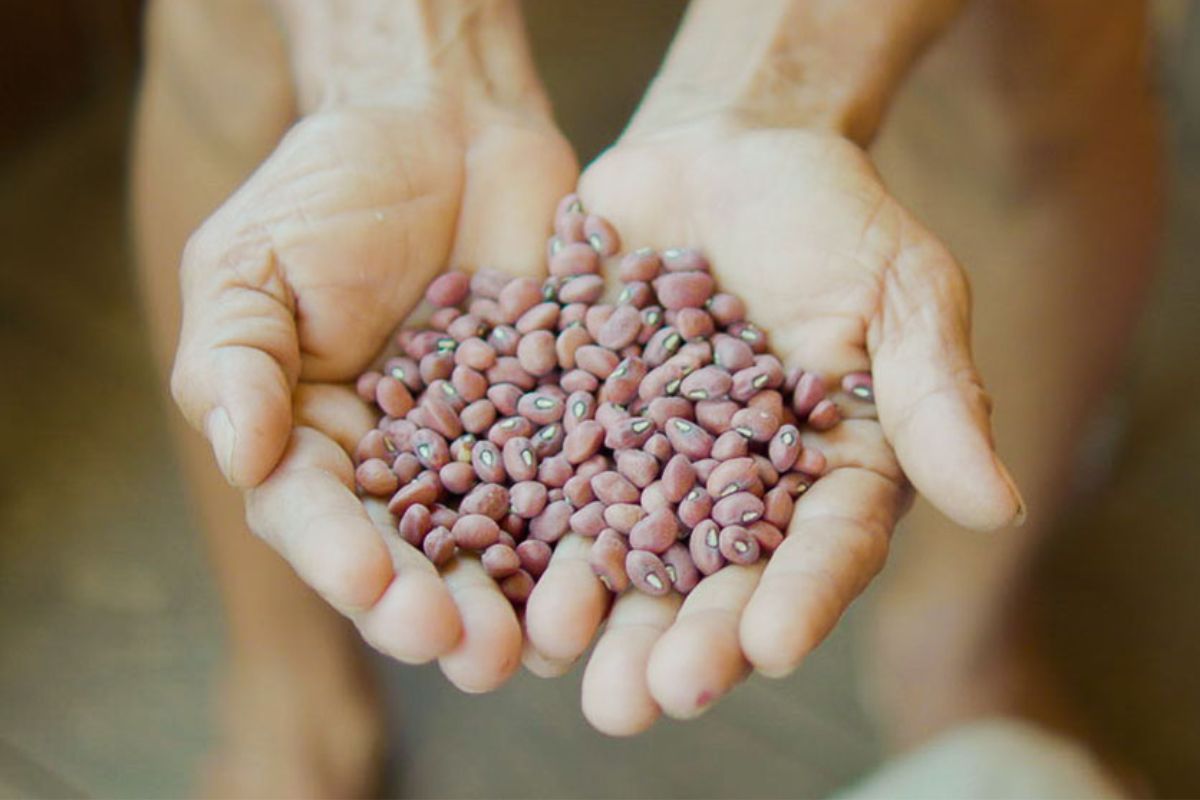
Research Reveals That Amazon Beans Exhibit Rich Nutritional Composition and Biodiversity, With Impact on Market Valuation and Sustainable Certification
The Amazon beans attract the attention of scientists, nutritionists, and farmers for their remarkable nutritional composition and regional biodiversity, according to a report published.
A study conducted over three years mapped 14 varieties cultivated in the Juruá Valley, Acre, highlighting that local traditional agriculture preserves valuable genetics.
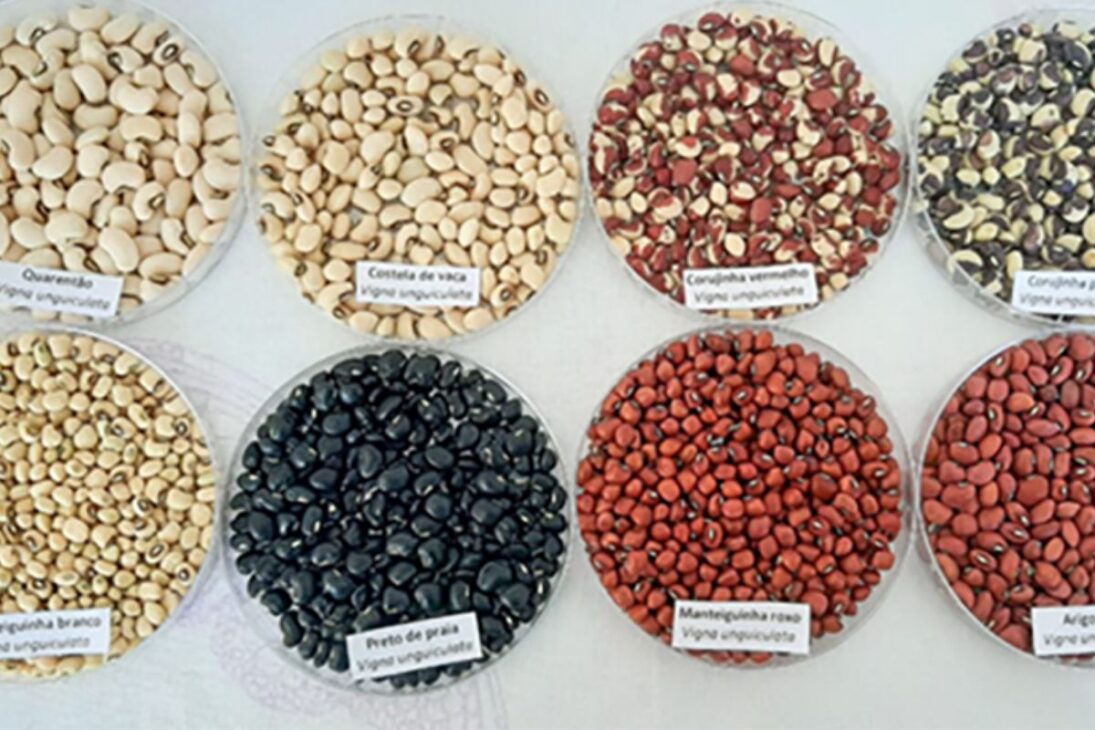
Laboratory analyses revealed that two varieties of beans: Costela de Vaca cowpea and Manteiguinha Branco reached protein levels of up to 27%, surpassing the usual average of 20% in other regions.
-
Unable to pass through Hormuz, Brazil activated a plan B that uses Turkey as a gateway to the Middle East: the route through Gibraltar and the Mediterranean is longer and more expensive but ensures that chicken, beef, and corn continue to reach Arab markets.

-
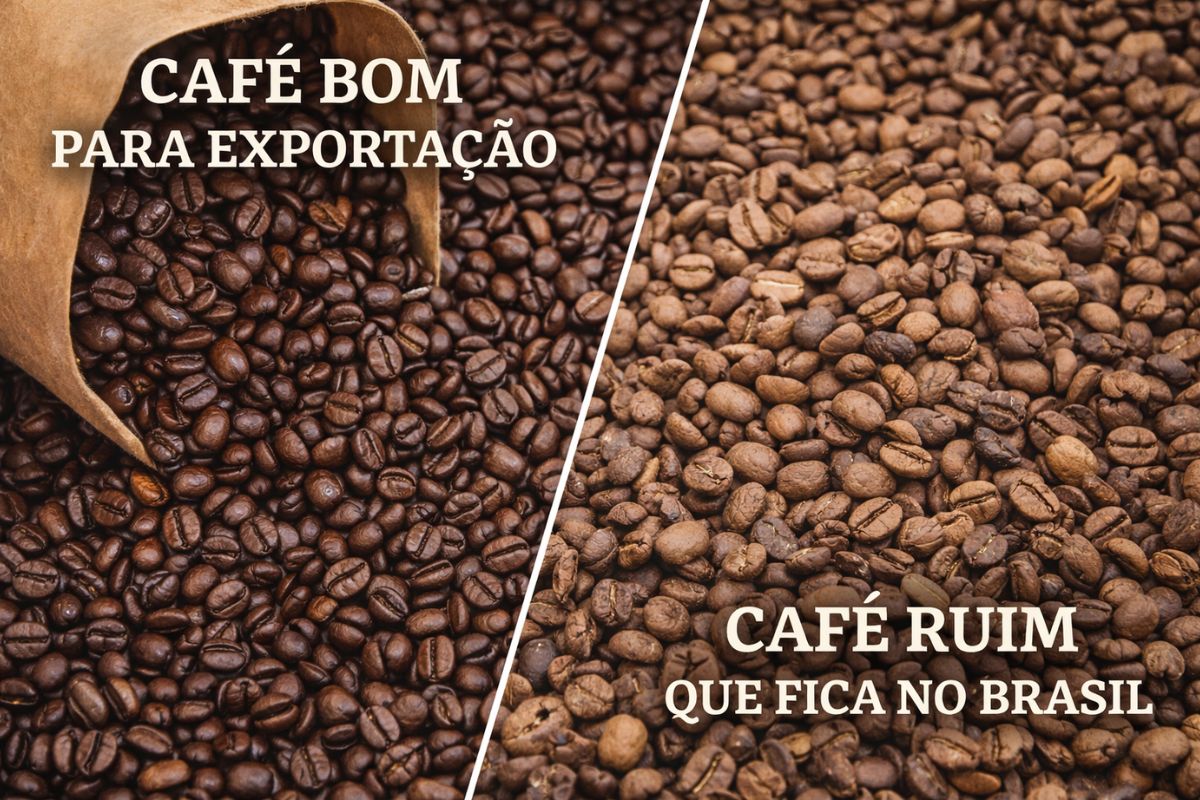
You grew up hearing that the good coffee from Brazil goes all abroad and the bad coffee stays for Brazilians, but this story has completely changed, and the numbers show that in the 1980s, thirty percent of the coffee sold here was adulterated with corn and barley.
-
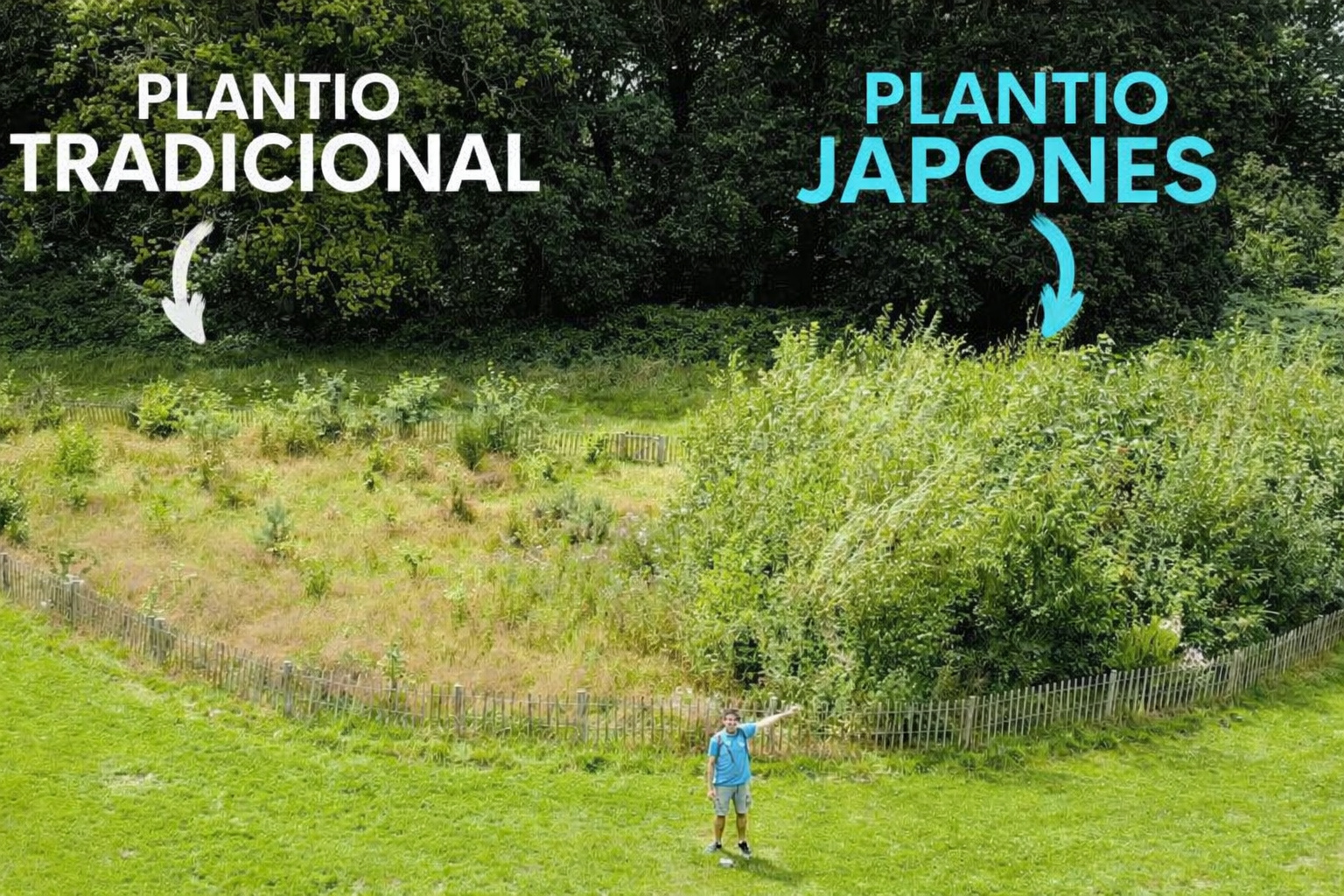
Engineer creates reforestation method that transforms small plots into dense forests in a few years using local biomass and can reduce environmental recovery costs.
-
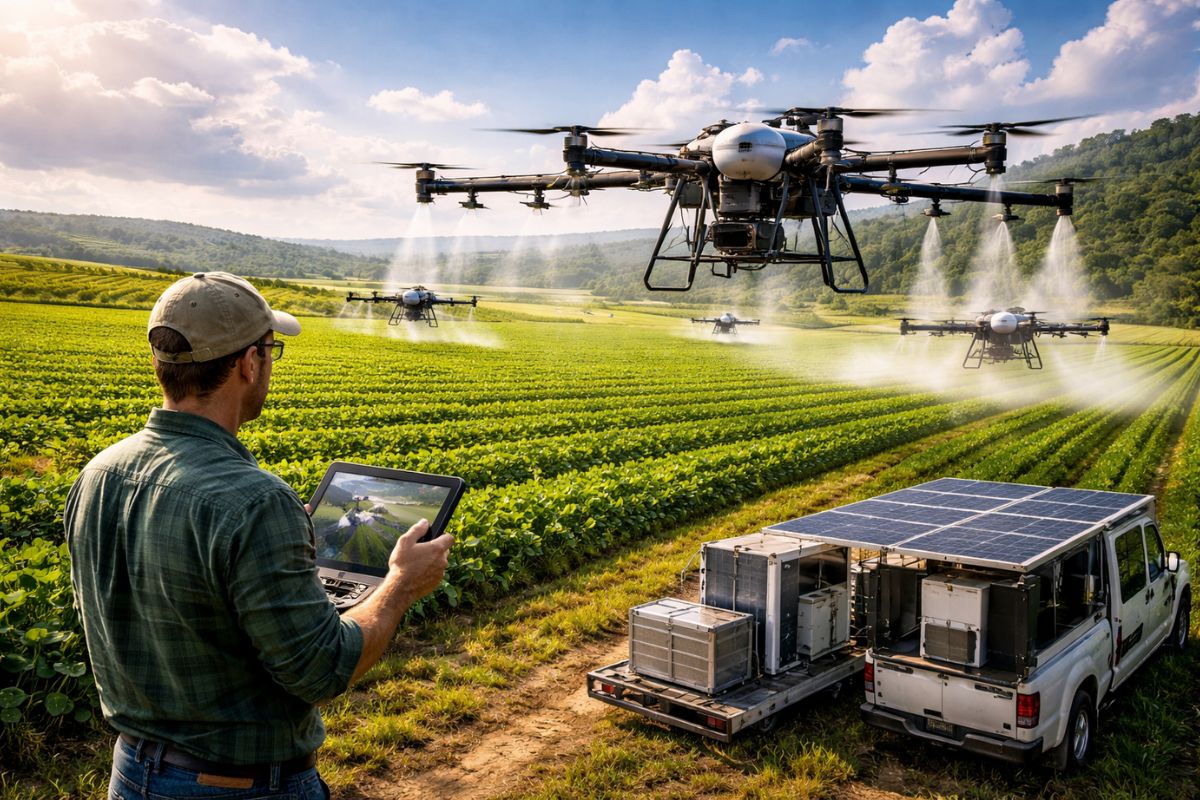
Alone, the producer applies 7,400 hectares with the T100 drone in an optimized structure, replaces the generator with a silent battery, and demonstrates how technology reduces costs, increases productivity, and even challenges the uniport in the field.

Levels of anthocyanins between 420 and 962 micrograms per gram were also identified in Arranque Black and Praia Black beans, values higher than those observed in white beans or less intensely colored beans.
The research on the Amazon beans also ensured that after 12 months of storage under varied conditions, the grains maintained their nutritional quality.
This accumulation of information is crucial to promote recognition, economic valuation, and food security for families, indigenous peoples, and traditional populations.
Proven Biodiversity in Juruá Valley Heritage Beans
The occurrence survey revealed that in Marechal Thaumaturgo, 23 varieties of beans were identified, making this locality one of the richest centers in genetic diversity of Amazon beans.
Based on this mapping of the Amazon beans, the presence of both common beans (Phaseolus vulgaris) and cowpeas (Vigna unguiculata) was recorded, cultivated along the banks of rivers such as Juruá, Breu, Tejo, and Amônia.
Family farmers, indigenous people, and quilombolas maintain this agricultural heritage through traditional agricultural systems, often in plots of up to one hectare.
In more populous regions of Acre, diversity is reduced to only three dominant varieties, which reinforces the uniqueness of the Juruá Valley as a living genetic hub.
The systematized document resulted in a regional map of native varieties in the state and will serve as the basis for conservation policies in situ.
This authentic biodiversity is essential for ensuring resilience against pests, climate change, and future demands.
High Energetic and Antioxidant Levels in Amazon Beans
A study released by Embrapa Acre unveiled that the nutritional composition analyses of the varieties were conducted in the Bromatology laboratory.
The samples revealed that the Costela de Vaca and Manteiguinha Branco varieties achieved 27% protein, clearly exceeding the global standard.
In addition, Arranque Black beans (Phaseolus vulgaris) and Praia Black beans (Vigna unguiculata) showed levels between 420 and 962 micrograms per gram of anthocyanins, antioxidant compounds linked to reducing cellular aging and preventing diseases such as cancer, Alzheimer’s, and heart diseases.
This suggests enormous nutritional benefits of Amazon beans in terms of amino acids, phenolic compounds, and stability during prolonged storage.
The consistency of the nutritional values of the Amazon beans was proven after one year of storage in different packaging, reinforcing the viability of this food for safe and long-lasting commercialization.
Market Strategies for Differentiated Marketing
With the richness of nutritional and genetic characteristics of Amazon beans, there emerges an opportunity to create a market for differentiated grains. To this end, it is necessary to articulate public policies and private initiatives.
The Ministry of Agrarian Development and Family Agriculture recently launched the Traditional Peoples and Communities of Brazil Seal – Identification of Origin, which allows associations and cooperatives to request recognition for the grains.
The attainment of Geographic Indication (GI) and organic certification for the beans in the region is also being studied, analogous to what has already occurred with regional manioc flour.
The adoption of vacuum packaging to reduce the use of insecticides is identified as an efficient conservation strategy.
By ensuring traceability, certification, and nutritional appeal, productive chains can reach consumer niches willing to pay a premium for the quality and cultural identity of the product.
Paths to Recognition and Inclusion in Public Policies
To consolidate this path of value aggregation, it is essential that the Amazon beans are incorporated into sustainability and certification agendas.
Research has already shown that native varieties maintain nutritional stability for up to 12 months and that their relevant genetic diversity reinforces ecological resilience.
With the use of origin seals and geographic indications, these grains gain national and international visibility. This stimulates greater income for family farmers, traditional peoples, and riverside communities.
Especially, small producers who cultivate rare varieties will have institutional support to access more selective markets.
Throughout upcoming events such as COP and within the Agrizone of Embrapa, valuation strategies can be presented and articulated at the institutional level.
This scenario opens real possibilities for Amazon beans to become a reference for nutritional excellence, biodiversity, and cultural identity on a national scale.




Seja o primeiro a reagir!