





 Português
  Inglês
  Espanhol
  4 min de leitura
  0 comentários


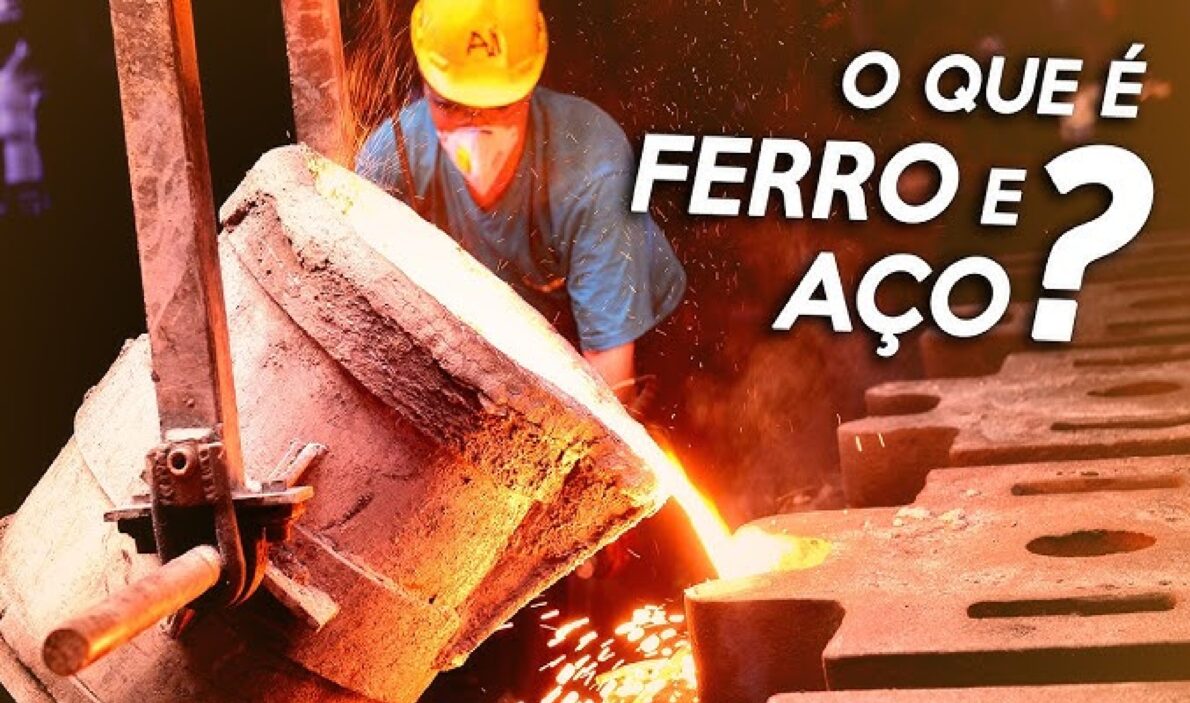
Know The Production Processes, Distinct Properties, And Applications That Define Iron And Steel In Industry And Civil Construction
Iron and steel are two fundamental materials in industry and civil construction, often used in a wide range of applications due to their distinct properties. Although frequently confused, iron and steel have unique characteristics and manufacturing processes that determine their specific use. While iron, one of the first metals to be worked by humanity, is known for its malleability and basic strength, steel, an alloy developed from iron, offers superior strength and enhanced versatility.
Learn below the main differences between iron and steel, including their production methods, properties, and applications, to better understand how these materials impact our daily lives and technological development, according to the video from the Engineering Detailed channel.
Iron And Steel: What They Are And How They Are Produced
Iron is a metal found abundantly in the Earth’s crust, primarily composed of iron oxides. This material is crucial to human history, dating back to the Iron Age, when it began to be used to manufacture tools and weapons as well as in civil construction. Iron is known for its strength and malleability, and its ability to be shaped and refined with relatively simple techniques makes it a versatile material. It can also be magnetized, which is useful in motors and electric generators.
-
A megaproject worth R$ 89 billion is advancing in Iraq and promises to change the game in global trade by creating a new corridor between Asia and Europe, reducing traditional routes and repositioning the country as a logistics powerhouse.
-
Goodbye bedside table: floating shelves become a trend in 2026 by freeing up space in the bedroom, improving circulation, bringing visual lightness, and integrating technology without taking up floor space.

-
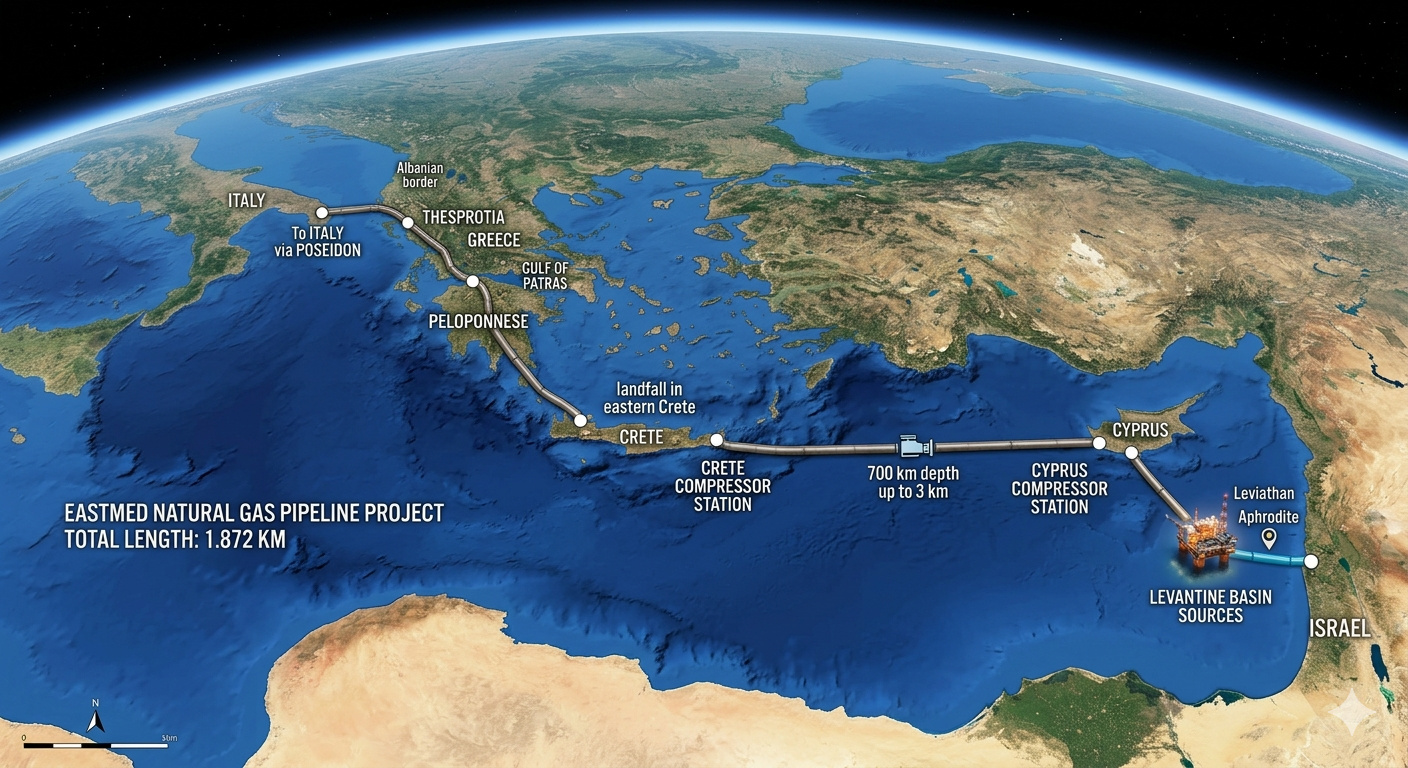
Israel, Greece, and Cyprus signed an agreement in 2020 to transport gas from the Mediterranean to Europe via a 1,872 km pipeline, but Turkey claimed sovereignty over part of the maritime route, and the project never materialized.
-
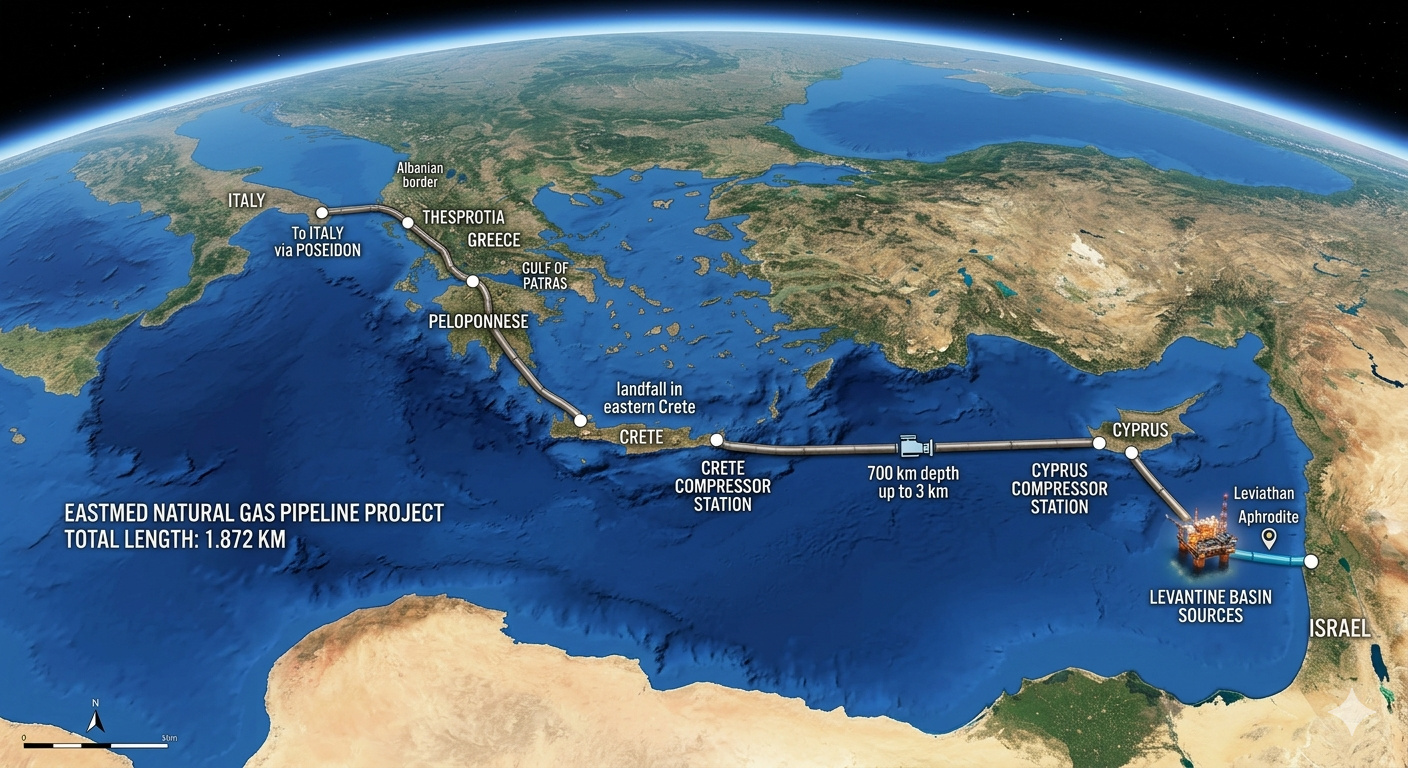
Israel, Greece, and Cyprus signed an agreement in 2020 to transport gas from the Mediterranean to Europe via a 1,872 km pipeline, but Turkey claimed sovereignty over part of the maritime route, and the project never materialized.

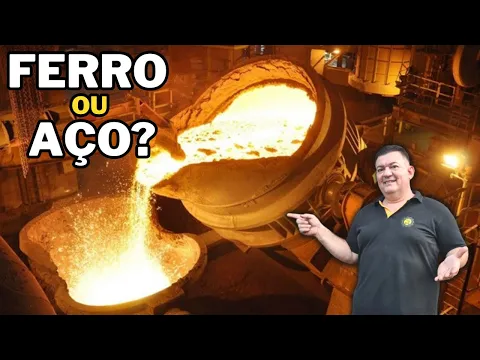

However, raw iron is not ideal for all applications, nor for civil construction. The transformation of raw iron into steel is a crucial step in creating a material with superior properties. Steel is essentially refined iron, with most impurities removed and a controlled amount of carbon added. Steel offers much greater strength than iron, making it ideal for structural and industrial applications.
The Iron Production Process
The production of iron begins with the extraction of iron ore, which is found in large deposits in the Earth’s crust. The raw ore is a mixture of ore and loose soil. To separate the iron, the ore is crushed and washed, removing the light soil. Iron ore consists of various chemical compounds, and its separation involves a smelting process.
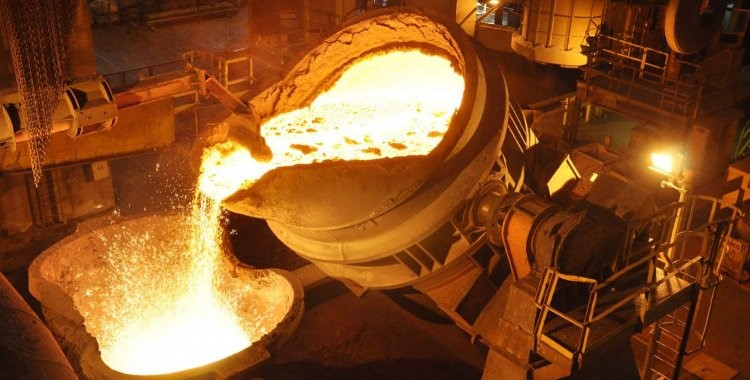
In the smelting process, the ore is heated to high temperatures until it becomes spongy and the chemical compounds decompose. This process releases oxygen, which combines with the carbon in the coal to create carbon dioxide and carbon monoxide. The resulting iron, still in spongy form, is known as wrought iron, which is shaped and refined to create tools and parts.
Over time, smelting technology evolved, leading to the development of the blast furnace. A blast furnace is an advanced equipment where iron ore, coal, and limestone are loaded and heated to around 1,600 degrees Celsius. The resulting liquid iron is called pig iron, which contains about 4 to 5% carbon and is quite hard and brittle.
Transformation Of Pig Iron Into Steel
To transform pig iron into steel, the liquid metal is processed in three main ways. The first is the removal of carbon, through heating and hammering, to create wrought iron, which is strong and malleable. The second is the combination of pig iron with scrap and alloys to form cast iron, ideal for the production of molded parts. The third and most advanced is the conversion of pig iron into steel, removing impurities and adjusting the carbon content to create steel with specific properties.
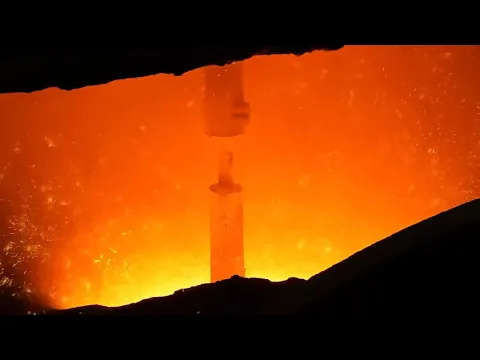
Steel can be produced in an open-hearth furnace, where pig iron is heated along with limestone and iron ore. During the process, impurities are oxidized and removed, and the carbon content is adjusted. The addition of elements such as chromium can create stainless steel, which is resistant to corrosion, while the addition of chromium and molybdenum can result in chrome-molybdenum steel, which is lightweight and strong.
Iron And Steel In Civil Construction
Iron, especially cast iron, has been widely used in civil construction since the Industrial Revolution. Its main characteristic is its high compressive strength, making it ideal for structural applications where the material needs to support large vertical loads. Cast iron has historically been used in columns and bridge supports, such as the famous Iron Bridge in Paris.

Steel, on the other hand, an alloy of iron with carbon and other elements, revolutionized civil construction due to its superior properties. The addition of carbon and other elements to iron significantly improves its strength, ductility, and corrosion resistance. Steel can be produced in various forms and alloys, allowing for specific adaptations to different engineering requirements.








Seja o primeiro a reagir!