





 Portuguese
  English
  Spanish
  4 min of reading
  7 comments


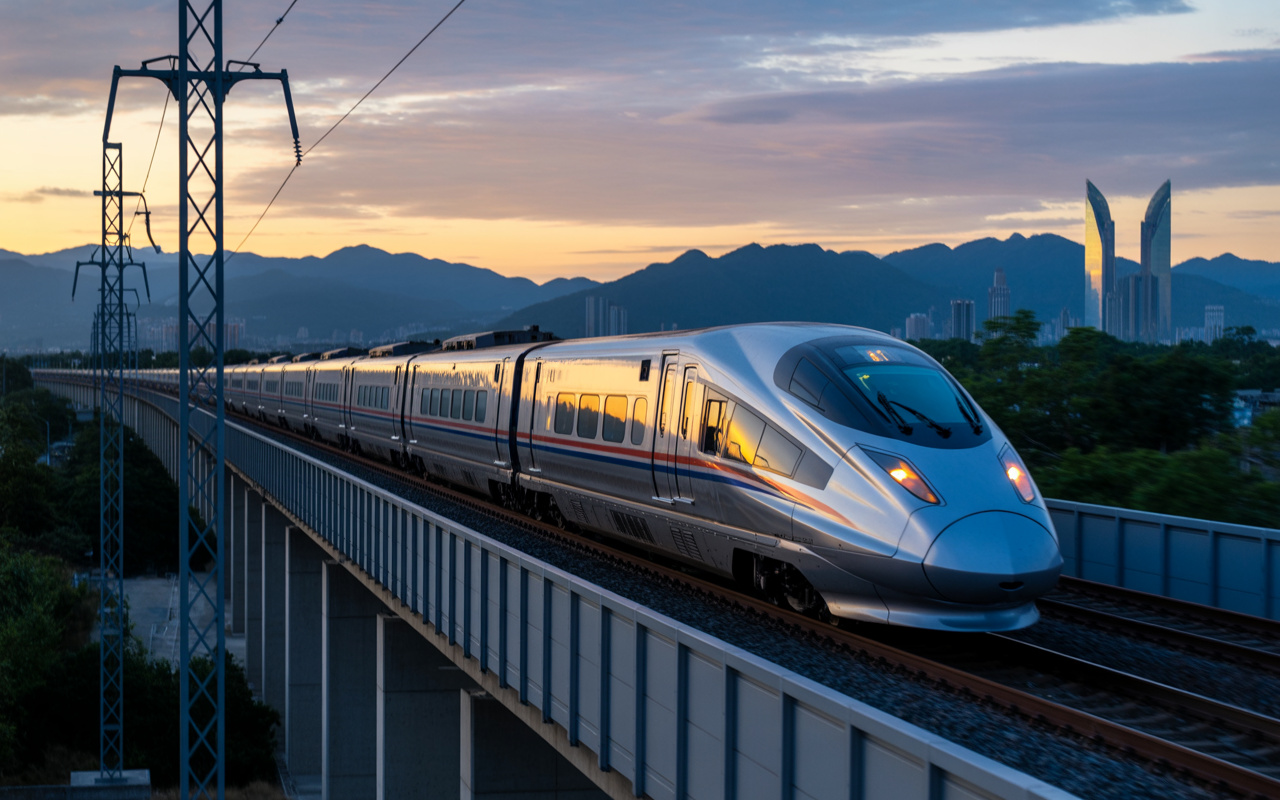


With an Investment of US$ 18 Billion, the New High-Speed Railway in Asia Will Have 508 Km of Extent, Trains of 320 Km/h and Promises to Transform Mobility Between India and Japan.
Few projects in Asia symbolize the transition to a new era of infrastructure as much as the US$ 18 billion high-speed railway being built to connect two of the continent’s largest economic powers. With 508 kilometers of extent and trains designed to reach speeds of up to 320 km/h, the mega-rail corridor marks a historic leap: it will officially inaugurate the bullet train system in the country and drastically enhance logistical, economic, and technological integration with one of the largest industrial and technological hubs in the world.
The work, which began in 2018, has undergone budget revisions, political disputes, regulatory adjustments, and even impacts from the pandemic but continues to grow over viaducts, tunnels, and kilometers of advanced infrastructure that redesign the Asian interior. When it becomes operational, a journey that currently takes approximately 7 hours can be made in under 2 hours, creating a competitive axis with models adopted in Japan, China, and Europe.
For a country that already has over 1.4 billion inhabitants and faces historical bottlenecks in mobility and logistical integration, the bullet train represents not just speed. It represents a strategic assertion: modernizing, scaling, and competing on equal footing in the global infrastructure, transportation, and railway technology landscape.
-
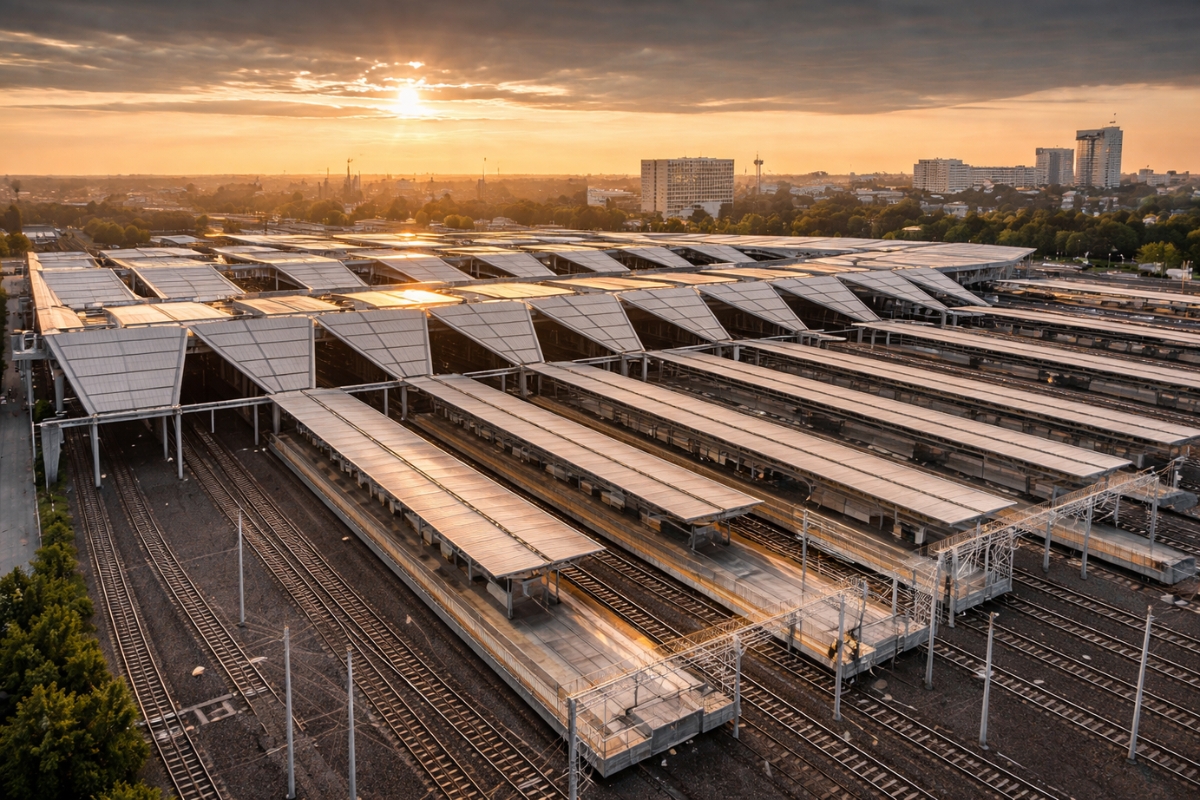
In A European City, The Country’s Largest Railway Junction Was Modernized Without Closing Its Doors, Kept Trains Running During Years Of Construction, Now Serves Up To 60,000 Passengers Per Day, And Installed Solar Panels That Generate About 30% Of Its Energy
-
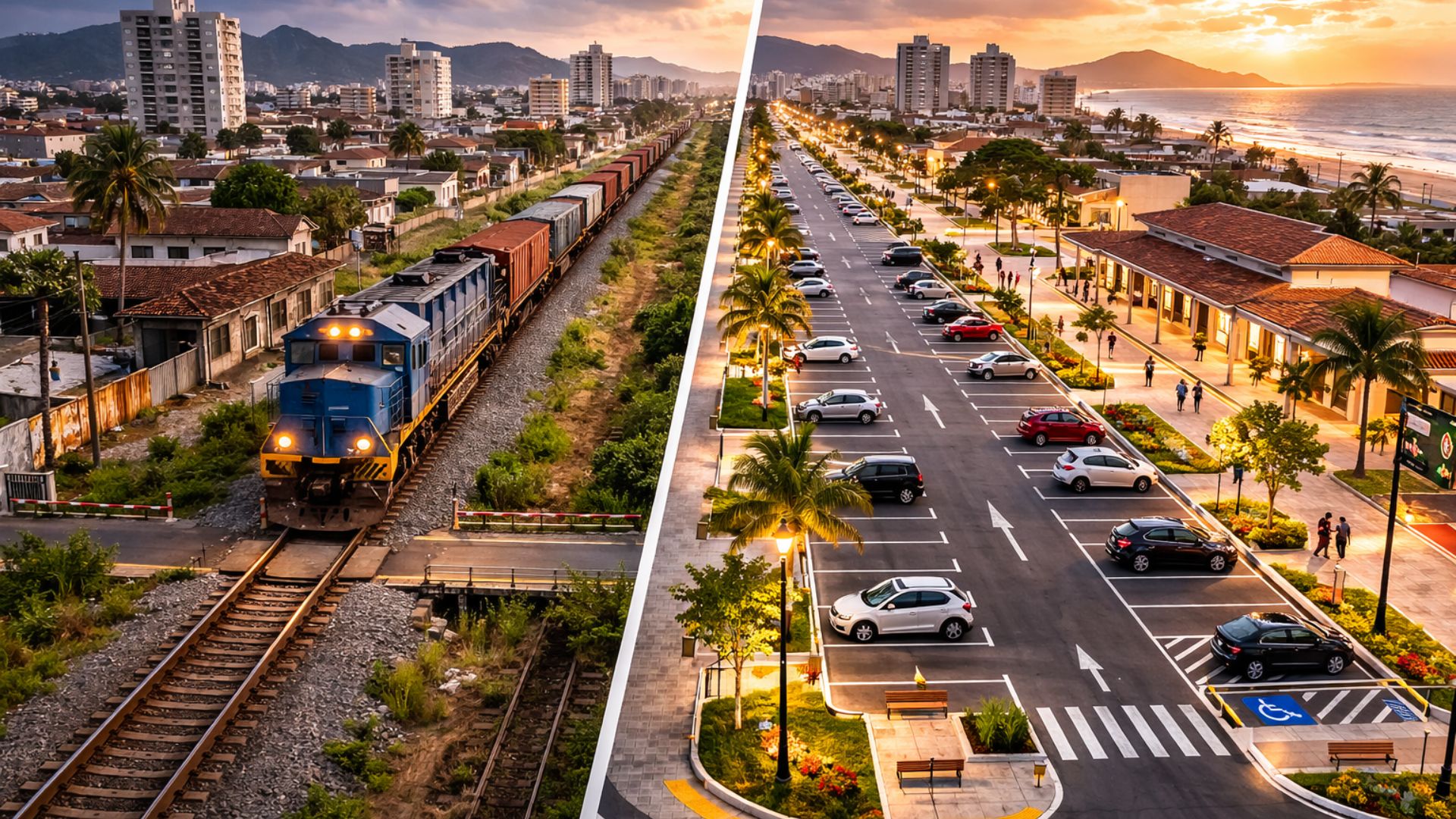
Famous Brazilian Railway May Become a Parking Lot
-
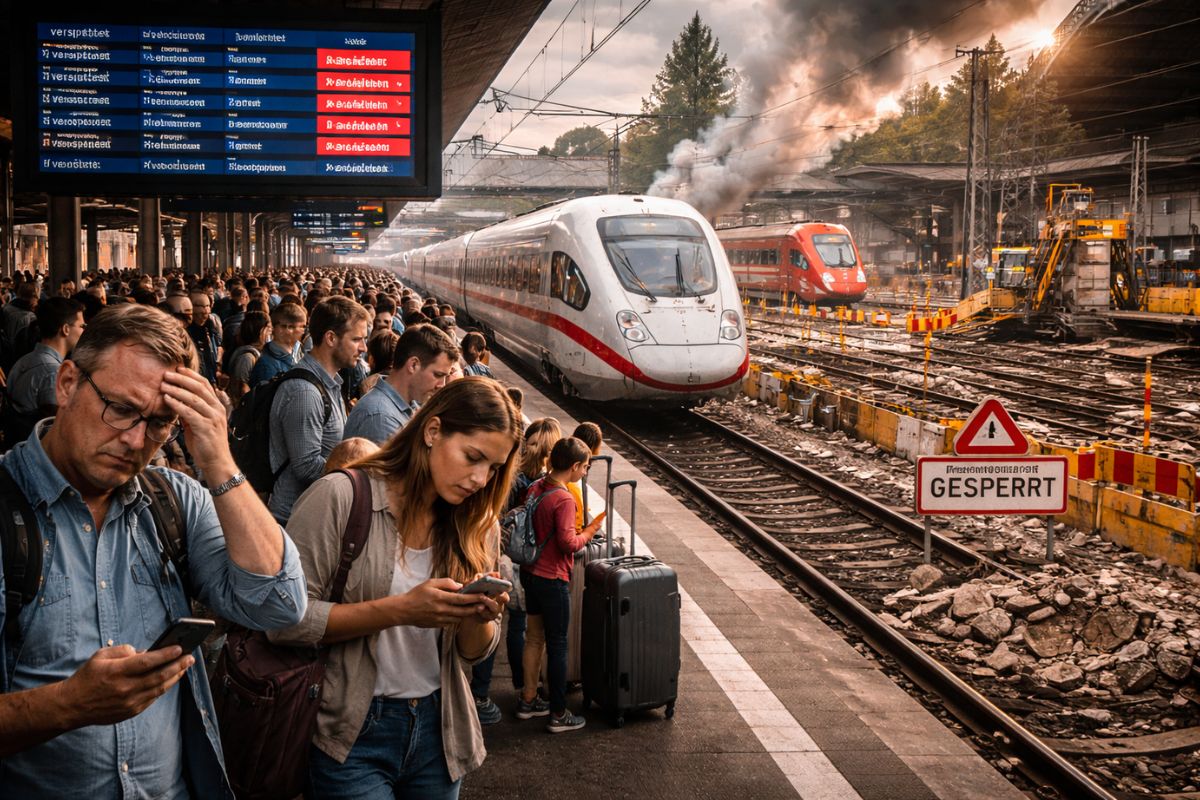
The Country of “Punctual As a Train” Admits It Has Lost Control: High-Speed Trains Delay, Stop, Disappear from the Map and Turn 6-Hour Trips into 10, While Deutsche Bahn Promises Restructuring in 2026 But Faces 19th Century Infrastructure, Staff Shortages and Sections Closed for Months
-
With an Investment of R$ 700 Million in One of the Country’s Main Rail Networks, VLI Reinforces Infrastructure, Receives 8 New Locomotives, and Expands the Corridor Connecting 7 States, Boosting Jobs and the Transportation of Grains, Ore, and Oil Products to the Port of Santos

A New Railway Era in the Country
The railway corridor is, in practice, the first step in the construction of a national high-speed network. The long-term railway plan envisions, after the 508 km line, expansion to other regions, connecting major economic and tourist hubs, reducing transportation costs, increasing productivity, and accelerating the flow of people and goods.


Besides speed, the project stands out for its adoption of state-of-the-art technologies, including automatic control systems, tracks with international standards of millimeter precision, and stations with full integration into urban transport. The line also incorporates energy efficiency and environmental impact reduction solutions, following the model that has become a global reference for low carbon emissions in the transportation sector.
Executed in simultaneous segments, the project already showcases viaducts that stretch across the horizon, tunnels excavated with high-precision technology, and logistical operations involving thousands of workers, engineers, and international consultants. Each segment delivered brings the country closer to a historic milestone: the definitive migration to high-capacity railway transport at a large scale.
Impact on the Economy, Tourism, and Logistical Integration
The project’s effects are not limited to engineering. The railway redefines the concept of regional development. Official studies already show real estate expansion along the corridor, appreciation of secondary urban centers, the emergence of hotel and logistics hubs, and increased interest from investors in sectors such as commerce, services, technology, and transportation.
The line connects populous regions and strategic economic corridors, facilitating greater tourist flow and reducing pressures on airports and highways. With over 1 billion inhabitants and a growing GDP, the country needs new mobility capacity to support accelerated urbanization and ensure international competitiveness — exactly what this line delivers.
Moreover, the technological partnership with an Asian industrial power strengthens bilateral cooperation and is likely to expand into sectors like energy, semiconductors, defense, and manufacturing, creating long-term effects on industrial development and regional geopolitical positioning.
Timeline, Challenges, and the Next Step in Modernization
After facing technical and logistical reviews, the project has entered an acceleration phase with plans for partial inauguration starting in 2026, while final segments advance at a vigorous pace. On the strategic horizon are new high-speed lines connecting megacities, ports, technology centers, and emerging industrial regions.
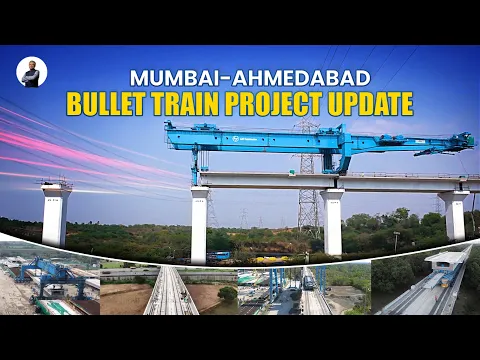
The works also function as a national laboratory for railway technology, preparing local engineers and domestic companies to, in the future, develop their own bullet train systems. In a continent where the race for leadership in infrastructure and innovation intensifies, the railway symbolizes more than speed: it symbolizes technological sovereignty.
Global Scenario and the Place of This Railway in the World
The project arises in a context where China has exceeded 42,000 km of high-speed lines, Japan has operated Shinkansen for nearly six decades, and Europe is expanding cross-border corridors. To compete and integrate markets, the new line places its country as a protagonist on a strategic map linking transportation, economy, and diplomacy.
Its construction represents the beginning of a new economic geography in Asia — one where capital, technology, and infrastructure come together to redefine distances, expand productive frontiers, and reposition the country in the ranking of emerging powers capable of undertaking world-class projects.










Um verdadeiro exemplo de parceria, tecnologia e visão futurista. Assim deveria ser com o nosso Brasil. Encontrar parceiro que se ajudassem mutuamente para acelerar e fortalecer nossa economia
“The project emerges in a context where China has surpassed 42 km of high-speed rail lines”…what does this mean?
O Rio de Janeiro já tem o seu Trem-Bala. O Governador Cláudio Castro, já construiu o seu Trem-Bala. Na inauguração da Operação 1- Linha-1 teve + de 100 passageiros.
Segundo o Governador, são + 10 linhas. Aqui no Brasil temos um histórico de obras lentas e inacabadas. Mas acho que essas vão ter um cronograma dentro do prazo. Afinal, todos os dias as obras não param!!!😬😬😬