





 Portuguese
  English
  Spanish
  5 min of reading
  0 comments



A Unique Transcontinental Railway Begins to Be Drawn Between Brazil and China, Promising to Change Trade Routes, Unite Oceans, and Transform Logistics in South America With Billion-Dollar Investments and Cutting-Edge Technology at the Heart of Brazilian Agriculture.
Brazil and China took a historic step by initiating an ambitious railway project that promises to connect the Atlantic Ocean to the Pacific by rail, shortening routes, reducing costs, and revolutionizing continental logistics.
On Monday, July 7, 2025, a memorandum of understanding was signed in Brasília between the Brazilian government, represented by Infra S.A., and China State Railway Group, the largest railway company in the world.
The project aims to build a continental railway linking the Brazilian Midwest to the Port of Chancay in Peru, operated by China, creating a new logistics axis between South America and Asia.
-
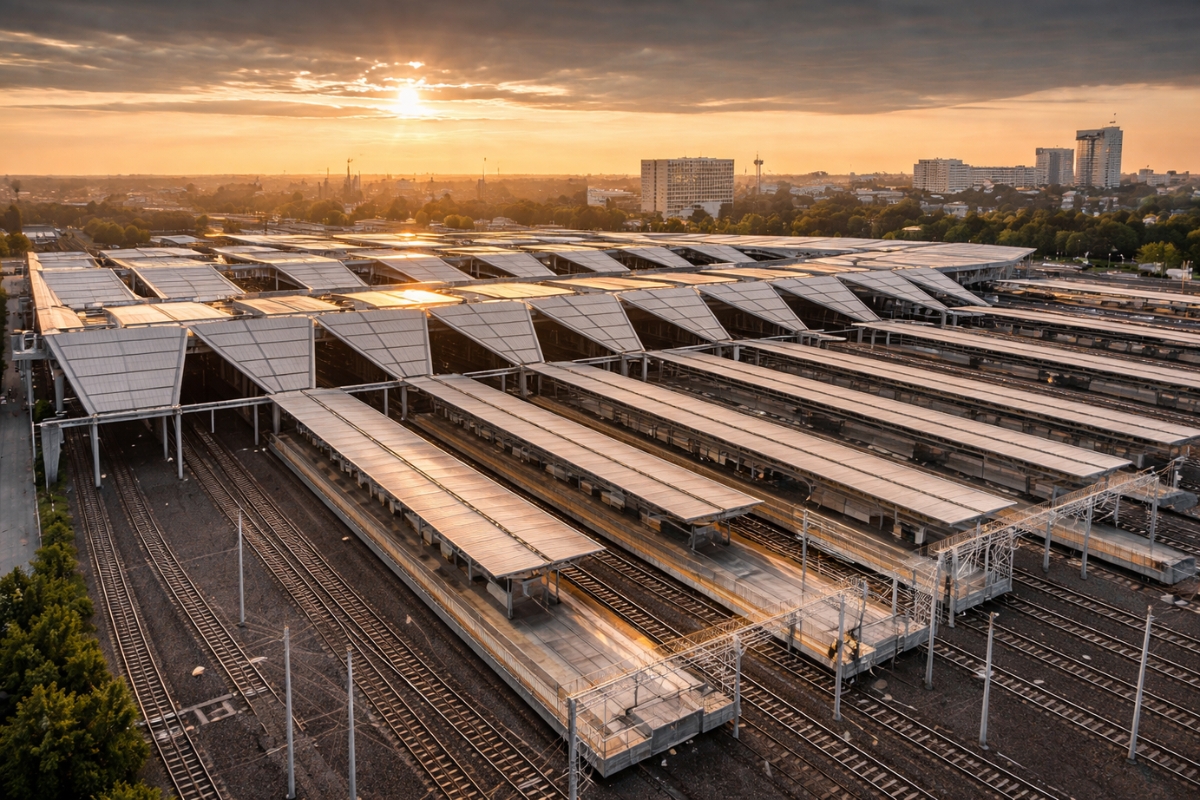
In A European City, The Country’s Largest Railway Junction Was Modernized Without Closing Its Doors, Kept Trains Running During Years Of Construction, Now Serves Up To 60,000 Passengers Per Day, And Installed Solar Panels That Generate About 30% Of Its Energy
-
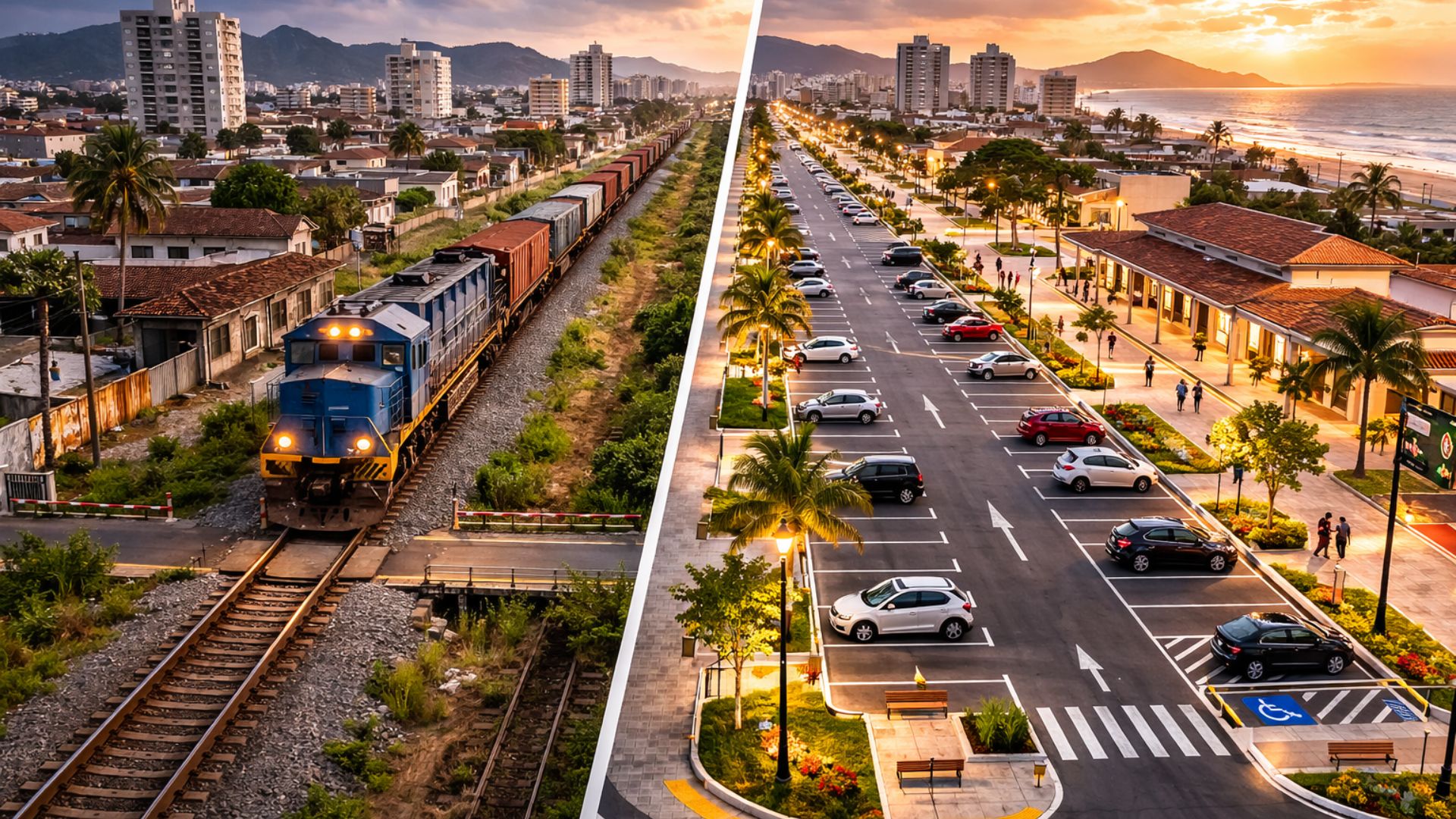
Famous Brazilian Railway May Become a Parking Lot
-
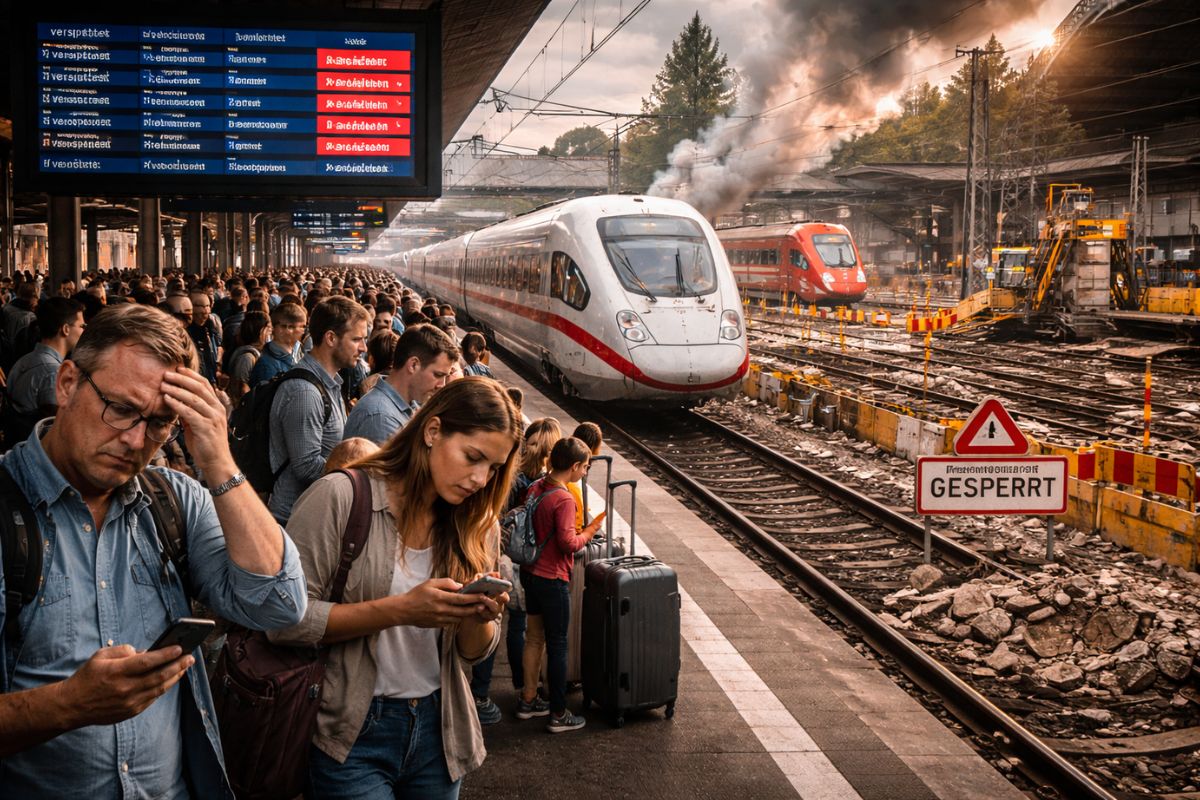
The Country of “Punctual As a Train” Admits It Has Lost Control: High-Speed Trains Delay, Stop, Disappear from the Map and Turn 6-Hour Trips into 10, While Deutsche Bahn Promises Restructuring in 2026 But Faces 19th Century Infrastructure, Staff Shortages and Sections Closed for Months
-
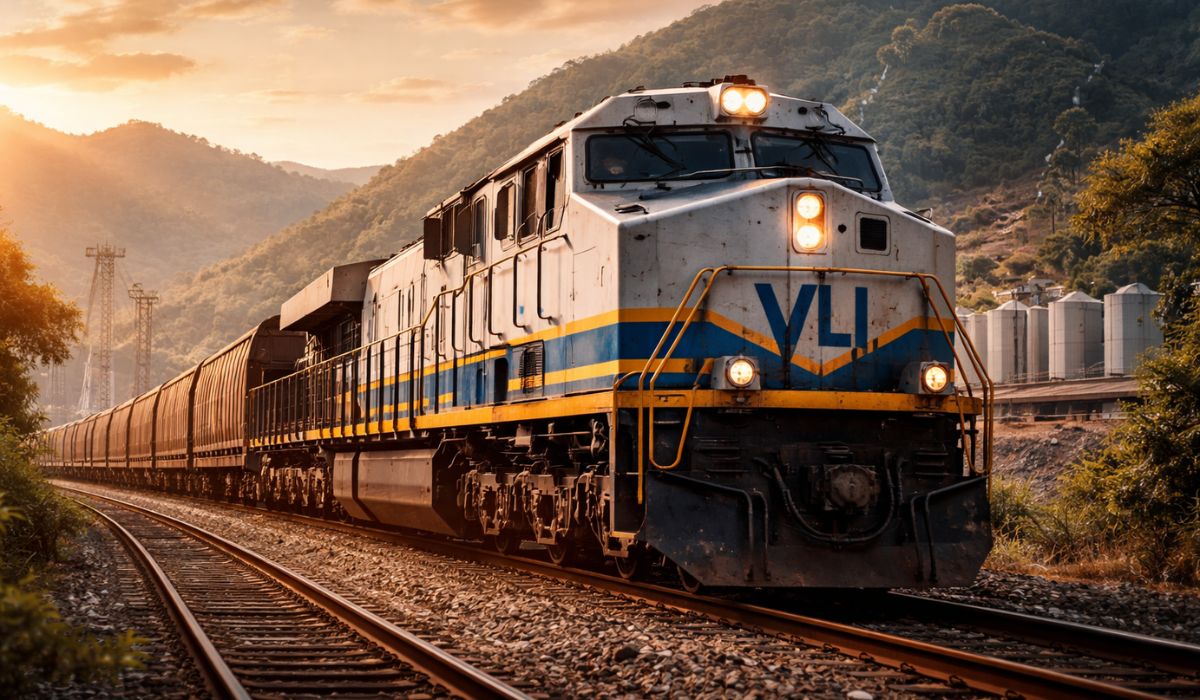
With an Investment of R$ 700 Million in One of the Country’s Main Rail Networks, VLI Reinforces Infrastructure, Receives 8 New Locomotives, and Expands the Corridor Connecting 7 States, Boosting Jobs and the Transportation of Grains, Ore, and Oil Products to the Port of Santos

The proposal, which is part of the New PAC plans, promises to transform Brazil into a central piece in international trade, especially in the export of grains and minerals.
A New Strategic Route Between Oceans
The railway corridor between Brazil and Peru is expected to be the backbone of a modern, sustainable, and efficient logistics model.
With this construction, agricultural products and minerals from the Brazilian Midwest will be able to reach the Pacific Ocean by land, reducing dependence on ports in the Southeast and North Arc.
This means shortening the distance of Brazilian exports to the Asian market by thousands of kilometers, reducing transport time by up to 30%, according to logistics experts.
The Port of Chancay in Peru was inaugurated in 2024 and is under the control of the Chinese company Cosco Shipping.
According to the Peruvian Port Authority, the terminal already handles millions of tons of cargo per year and has the capacity to become the largest hub in the South Pacific.
The Role of the Fico-Fiol Corridor in the Project
The plan includes the integration of the future transcontinental railway with the Fico-Fiol Corridor, connecting regions of the Midwest to ports in the North Arc and Bahia.
The auction for the concession of the Fico-Fiol stretch is expected to take place in 2026 and will be essential to enable the interoceanic connection.
Maurício Muniz, Secretary of the Growth Acceleration Program (PAC), highlights that this stretch is considered a priority by the governments of Brazil and China.
“This connection will reposition Brazil in global trade,” said Muniz.
According to him, the new railway route could provide an alternative to the Panama Canal for exporters from the South American continent.
Mutual Trust and Diplomatic Advancement
The signing of the agreement symbolizes not only a billion-dollar investment but also the deepening of strategic relations between Brazil and China.
China State Railway Group is globally recognized for its ability to deliver high-complexity projects with speed and efficiency.
Currently, the Asian country operates the world’s largest high-speed railway network, with over 45,000 km of tracks, according to Xinhua News Agency.
In just the first four months of 2025, over 1.4 billion passengers traveled on Chinese trains, a global record.
Technical Cooperation Since April 2025
The collaboration between the two countries gained momentum in April 2025 when a Chinese delegation visited railway infrastructure works in Brazil, such as the Fico and Fiol stretches.
In the following month, Brazilian authorities, including Civil House Minister Rui Costa, visited China to detail the project.
Since then, technical groups from both countries have been working on logistical, environmental, and economic feasibility studies.
According to the National Secretary of Railway Transport, Leonardo Ribeiro, this is a historic opportunity to elevate Brazilian infrastructure to a new level.
“We are bringing the best in the world to build the future of our railway system,” said Ribeiro.
Infra S.A.: The Technical Arm of Brazil in the Project
Infra S.A., a public company coordinating technical actions in the railway sector, will be responsible for producing the feasibility studies.
According to the Ministry of Transport, the new railway could reduce logistics costs of exports from the Midwest by up to 20%.
Elisabeth Braga, Director of Administration and Finance of the company, claims that Infra S.A. already has technical teams ready to develop high-level diagnostics for the continental project.
The goal is to integrate modes—such as highways, railways, and waterways—to create a more efficient and less polluting transportation system.
Sustainability and Regional Impact
The Brazil-Peru railway proposal aligns with global sustainability goals and international climate agendas.
Railways, in general, emit up to 75% less CO2 compared to trucks, according to data from the International Energy Agency (IEA).
Ana Costa, an environmental economist, emphasized in an interview with Folha de S.Paulo that the railway modality should be prioritized in public transport policies in Brazil.
In addition to contributing to the reduction of carbon emissions, the project could boost regional GDP growth by up to 2% per year, according to the Inter-American Development Bank (IDB).
Continental Integration and Expansion to Neighbors
The new railway could also benefit neighboring countries like Bolivia and Chile, creating an interconnected logistics corridor in South America.
The Peruvian government sees the project as an opportunity to make the country a continental-scale logistics hub.
The Ministry of Transport and Communications of Peru bets on the initiative to attract infrastructure investments and stimulate trade on the South American west coast.
This new axis could transform Latin America’s trade relations with Asia, shortening distances and making exports more competitive.
Studies Advance Until 2026 and the Work May Attract Private Capital
The feasibility studies on technical, economic, and environmental aspects are expected to be completed by 2026 when the project could be presented to the private sector.
Leonardo Ribeiro stated that Brazil is prepared to lead this new phase of global infrastructure, with advanced engineering and solid partnerships.
The expectation is that the continental railway will attract international investors and strengthen the model of railway concessions in Brazil.
Experts project that the project could further stimulate investments in the Brazilian logistics sector and boost industrial competitiveness.
A New Chapter for Brazilian Infrastructure
This mega initiative symbolizes a turning point in the country’s transportation infrastructure and could usher in a new cycle of economic development.
According to logistics analyst João Silva, in an article published in Estadão, the project has the potential to transform Brazil into an intercontinental logistics hub.
He believes that by uniting technology, sustainability, and commercial strategy, the country can not only shorten distances but also narrow regional inequalities.
The Brazil-Peru continental railway is more than an engineering project: it is a bridge to the future.
And what do you think of this ambitious project between Brazil and China?
Do you believe it can redefine how Brazil exports and connects with the world?
Share this article and leave your comment below!








-

Uma pessoa reagiu a isso.