





 English
  Francês
  Alemão
  Italiano
  Japonês
  Norueguês
  Portuguese
  Spanish
 3 min of reading


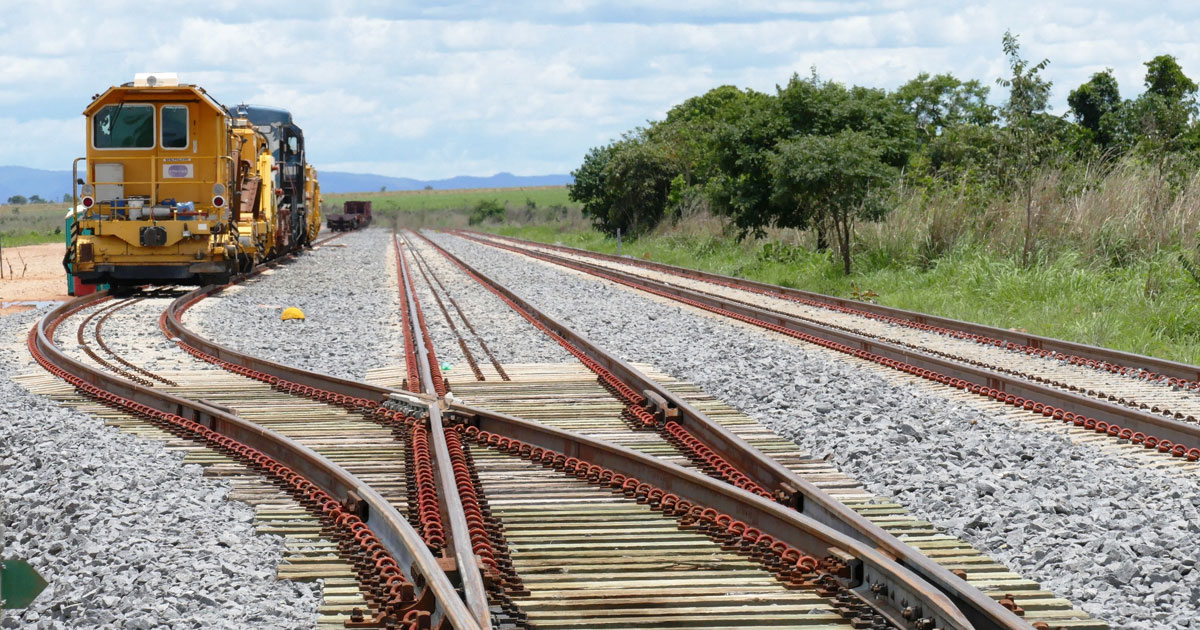
The Governor of Minas Gerais Signed a Decree to Transfer the Administration of 19 Railroads of the State to Private Initiative. Thousands of Jobs Will Be Generated.
Last Tuesday, the Governor of Minas Gerais, Romeu Zema (Novo), signed a decree to transfer the administration of 19 railroads of the state to private initiative. The expectation is to attract around R$ 26.7 billion to the railway sector. According to the Government, the exploration of shorter lines, known as “shortlines,” can generate more than 370,000 jobs. Also see: R$ 100 billion in investments is expected this year with auctions of airport, port, highway, and railroad infrastructure
- With Billion-Dollar Investment, the State of Minas Gerais Will Receive 3 Aluminum Can Factories
- 3,100 Vacancies in Free Training Courses Are Opened by Technical Schools on This Day 08
- Food Company Leader, PifPaf, Has More Than 40 Job Vacancies in Minas Gerais, GO, RJ, and SC. Electricians, Mechanics, Operators, and More Are Being Called
- Aneel Gives Green Light for the Construction of Another Solar Power Plant in Piauí, Generating Jobs, Income, and Development for the State
- Ultra-Fast Version of the Mustang Mach-E, the New Electric Car from Ford, Arrives in Brazil in 2022
Railroad Model Signed in the State of Minas Gerais
The desire, according to the Government, is to enable the first railroad segment in the country managed under the authorization model, whereby a private company operates at its own risk. With this move, the state of Minas Gerais pre-empts the National Congress, which has yet to approve the bill that allows this type of regime for federal railroads.
The Legislative Assembly of the State of Minas Gerais has already approved the model, with only regulation pending, dispatched on Tuesday by Governor Romeu Zema. Minas has mapped 19 projects that could potentially be operated under the authorization model, with estimated investments of R$ 26.7 billion.
-
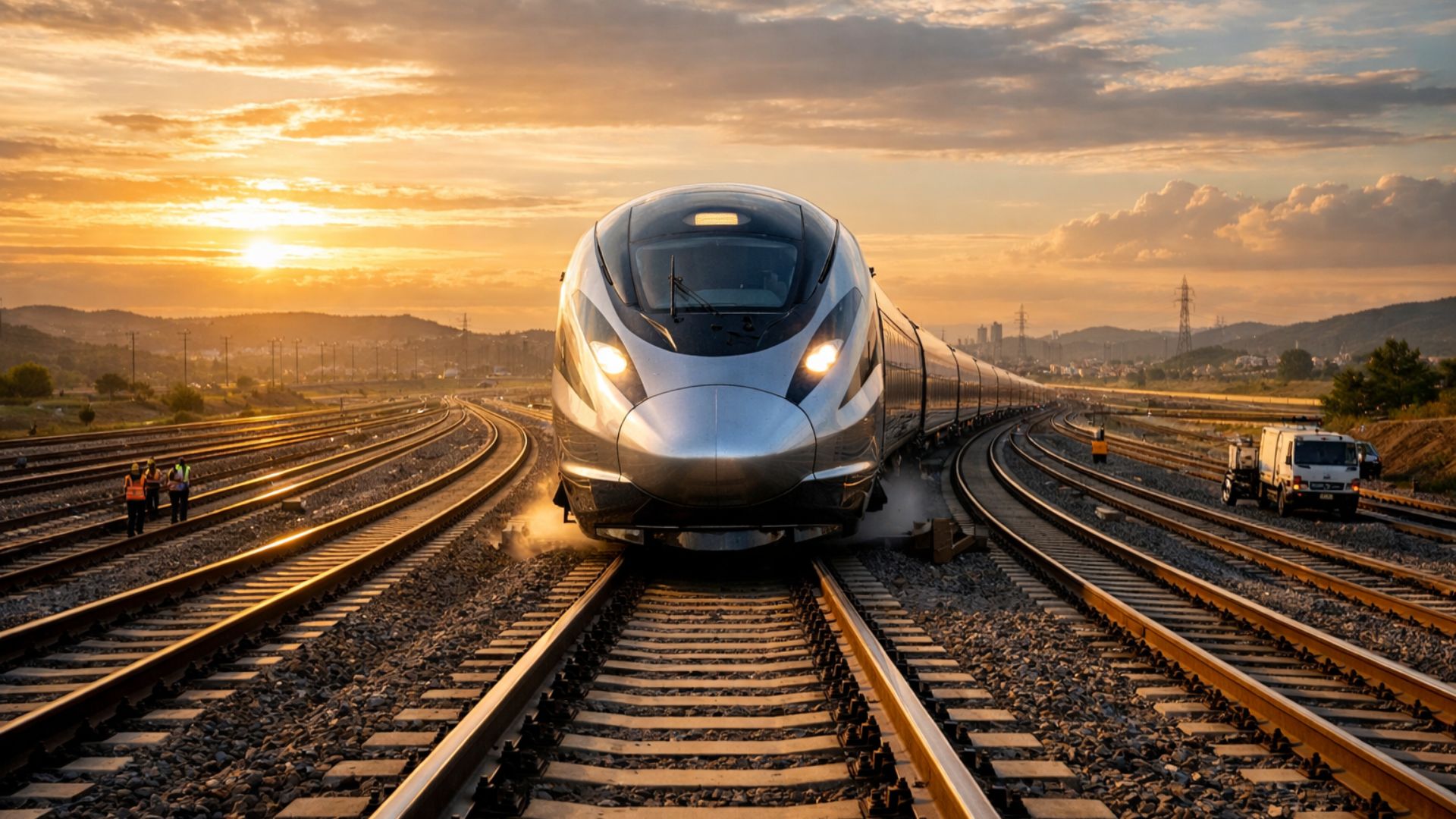
São Paulo surprises the world with a colossal railway network project that promises over 1,000 km of tracks, R$ 194 billion in investments, and 40 projects connecting the capital to the interior with fast and sustainable trains.
-
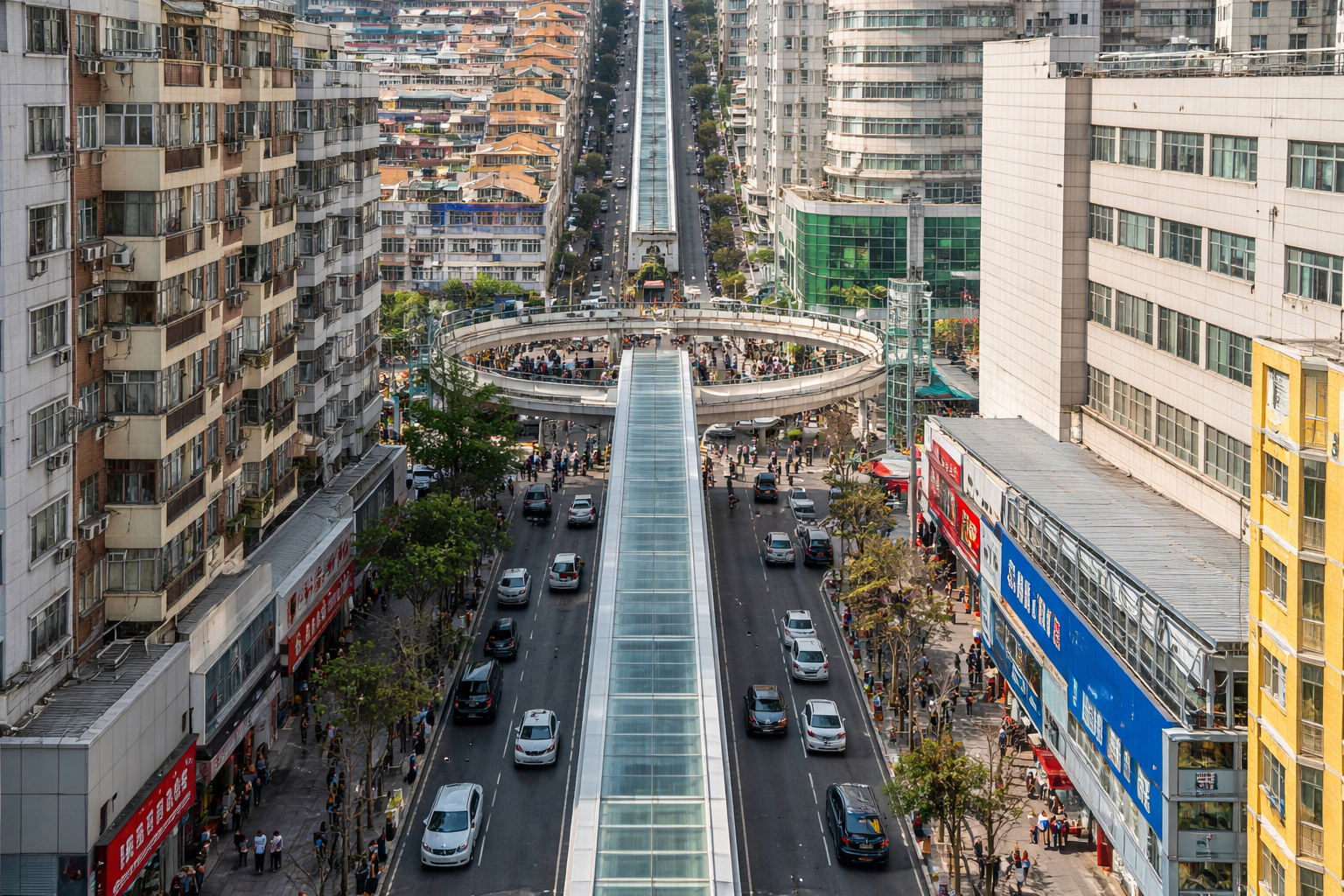
The world’s largest escalator, measuring 905 meters in China, reduces urban travel time from 1 hour to about 20 minutes and transforms mobility in mountainous regions with an engineering solution adapted to the terrain.
-
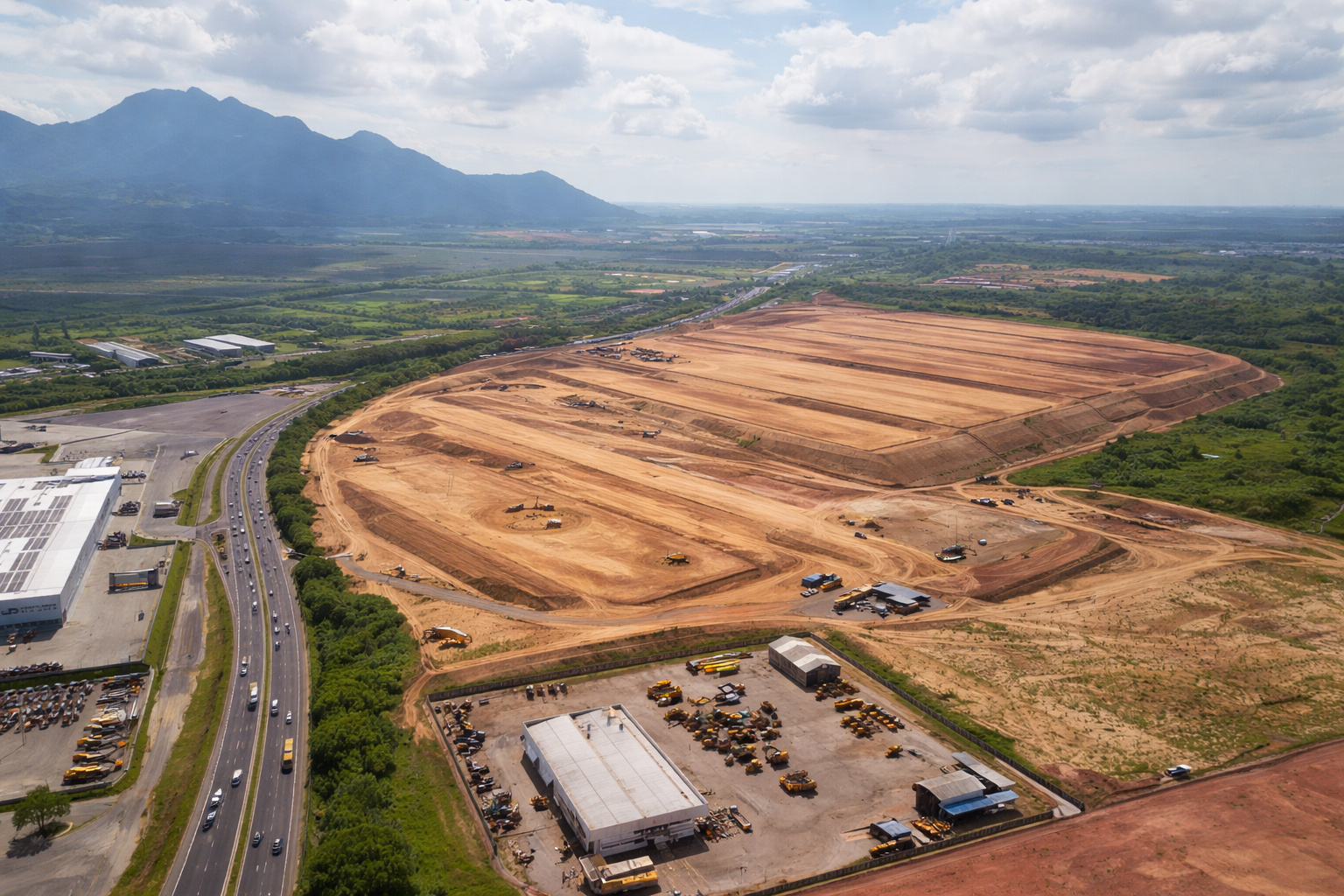
A R$ 300 million logistics giant is taking shape in Serra with over 100,000 m² and raises a question: how can this transform e-commerce and distribution in the state?
-
Could Uber Rides Lose Minimum Fare? Understand What’s Happening!


The Railroad Projects to Be Developed
The Government of the State of Minas Gerais is already planning which railroad segment will debut the new regime: 130 kilometers of tracks between the cities of Lavras and Varginha. The railroad project involves VLI Logística, which currently holds the concession for this segment but abandoned its operation, according to the state secretary for Infrastructure and Mobility, Fernando Marcato.
Instead of paying a fine to the Federal Government, the company proposed to the National Agency of Land Transport (ANTT) to revitalize the railroad and prepare it for Minas Gerais to transfer, in authorization format, to a new operator, who is already in negotiations with the State.
The estimate is that R$ 140 million will be invested in this railroad renovation. Marcato says they managed to negotiate with VLI to carry out the renewal, because the company must return the renewed segment or pay the fine. When approached, according to Estadão, VLI stated that it would not comment on the matter at the moment. With this strategy, the State aims to make the segment more attractive to the next private operator, as it relieves the future administrator of the burden of making the investment.
Investments Are Expected If the Bill Is Approved
If approved by the Senate, the new legal framework for railroads could result in investments of R$ 25 billion. If approved in the coming months, the bill, which has been stalled since 2018, will proceed to the Chamber of Deputies and could advance various projects, such as the construction of railroads, which would be built by companies interested in connecting new destinations and reducing transportation costs.
The text of the bill allows the construction of railroads through an authorization system without competitive procedures. Currently, the operation of the model by the company requires a bidding process, resulting in concessions. This format will continue to exist, and the choice of the system will depend on the business model.







Seja o primeiro a reagir!