





 Portuguese
  English
  Spanish
  3 min of reading
  0 comments


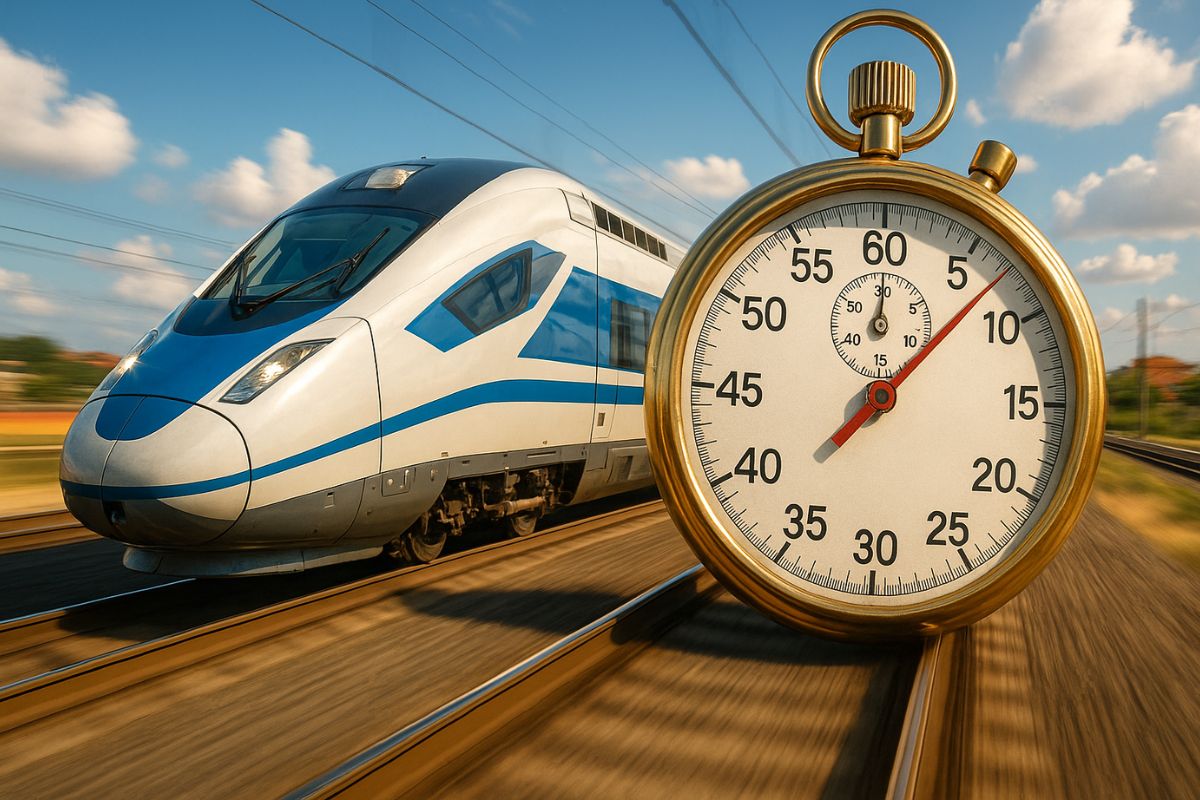
Salvador-Feira de Santana Railway: Trains Will Connect Two Cities in 35 Minutes. Railway Project in Bahia Awaits Approval from the Federal Government and Promises to Reduce Travel Time Between Salvador and Feira de Santana.
The project for the Salvador-Feira de Santana railway, which envisions that trains will connect two cities in 35 minutes, has advanced to another stage. The proposal has already received the green light from the National Land Transport Agency (ANTT) and now depends on authorization from the Minister of Transport, Renan Filho, for the contract to be signed.
The initiative was presented to the industrial sector of Bahia during a meeting at the Federation of Industries of the State of Bahia (FIEB) in Salvador. The goal is to transform regional logistics, shortening distances and increasing the economic competitiveness of the state.
How the Salvador-Feira de Santana Railway Will Work
According to the project, the stretch will have 98 km in length, allowing trains to reach up to 160 km/h for passenger transport and 120 km/h for cargo transport. The operation will be mixed and interoperable, with specific schedules and lanes for each mode.
-
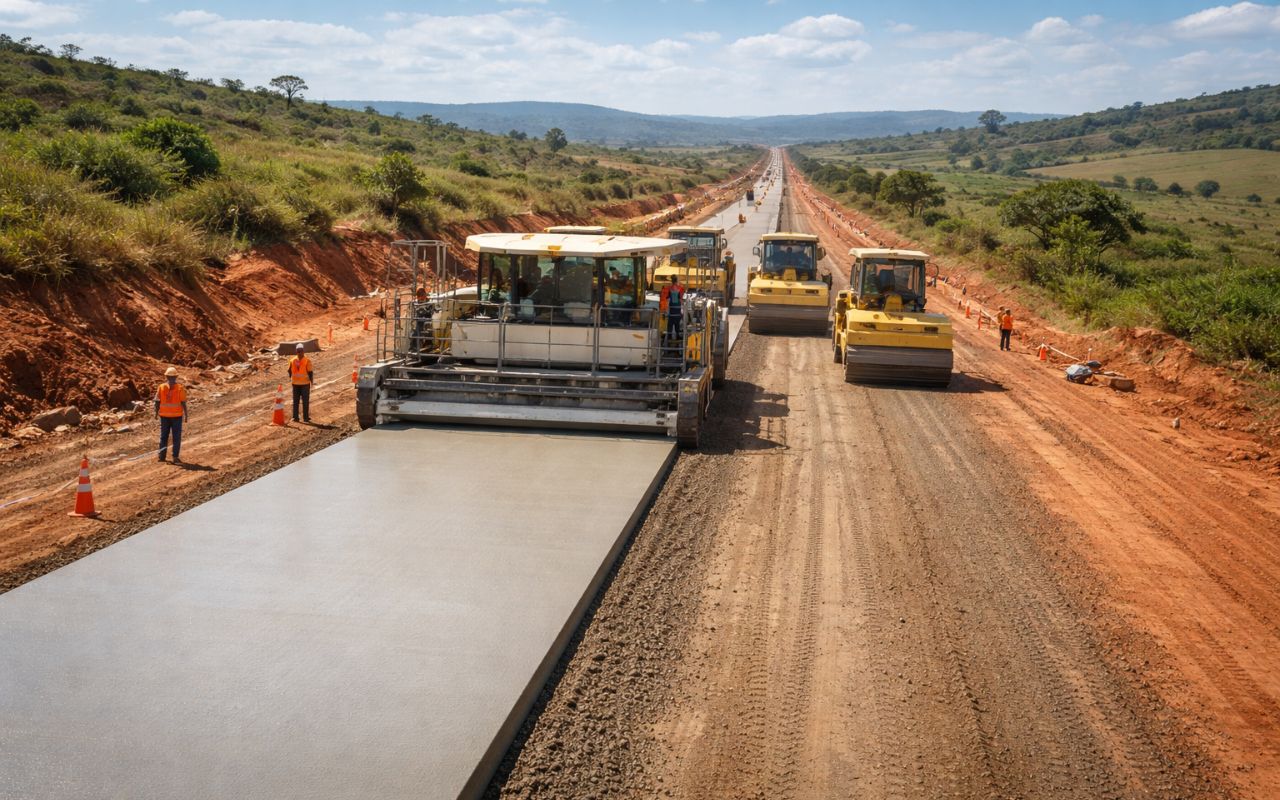
New CCR concrete paving technology promises roads up to 3x more durable, less maintenance, and cost reduction in Brazil.
-
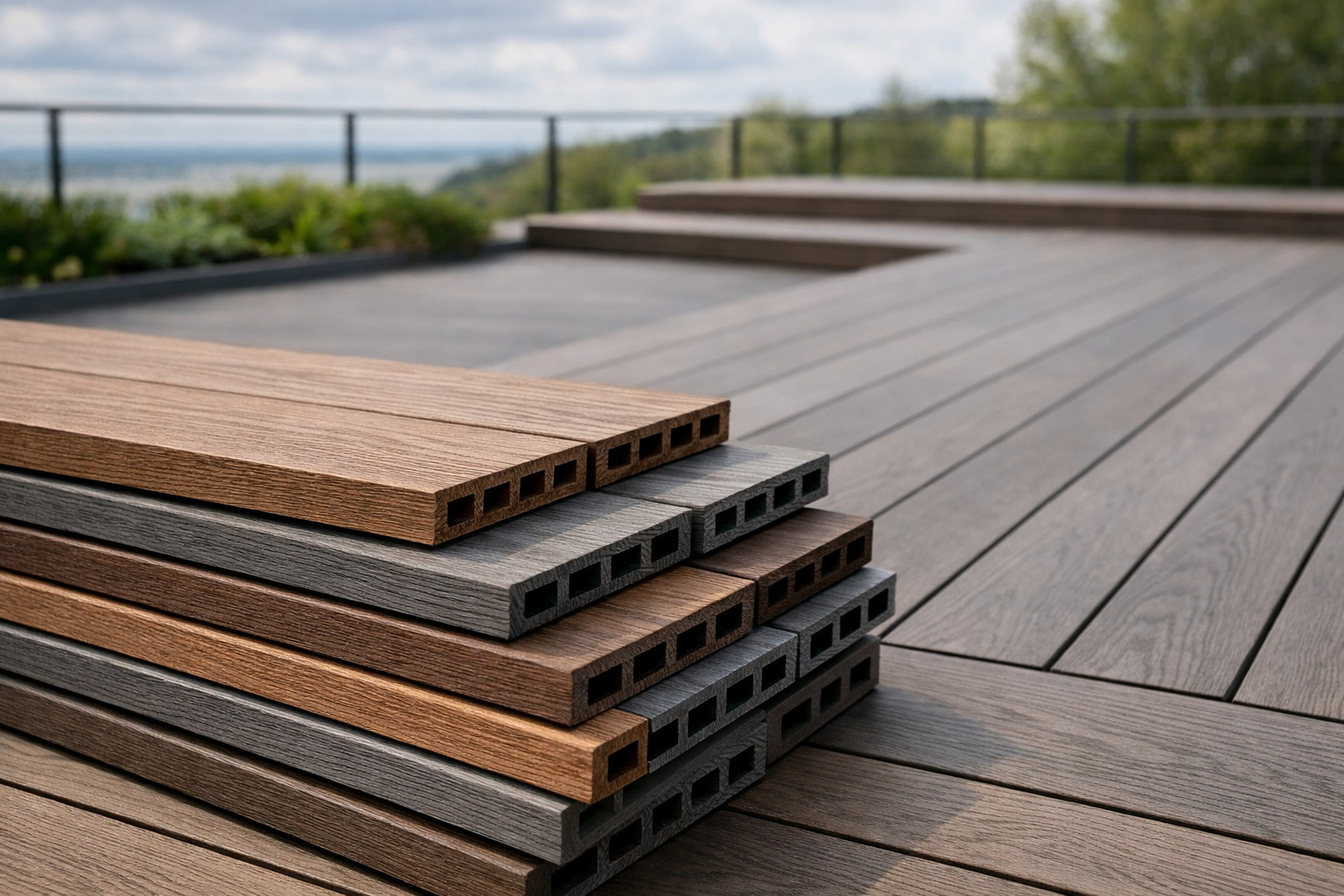
Made from recycled plastic, plastic wood is gaining space in the construction industry because it does not rot, resists moisture, and reduces maintenance costs over the years.
-
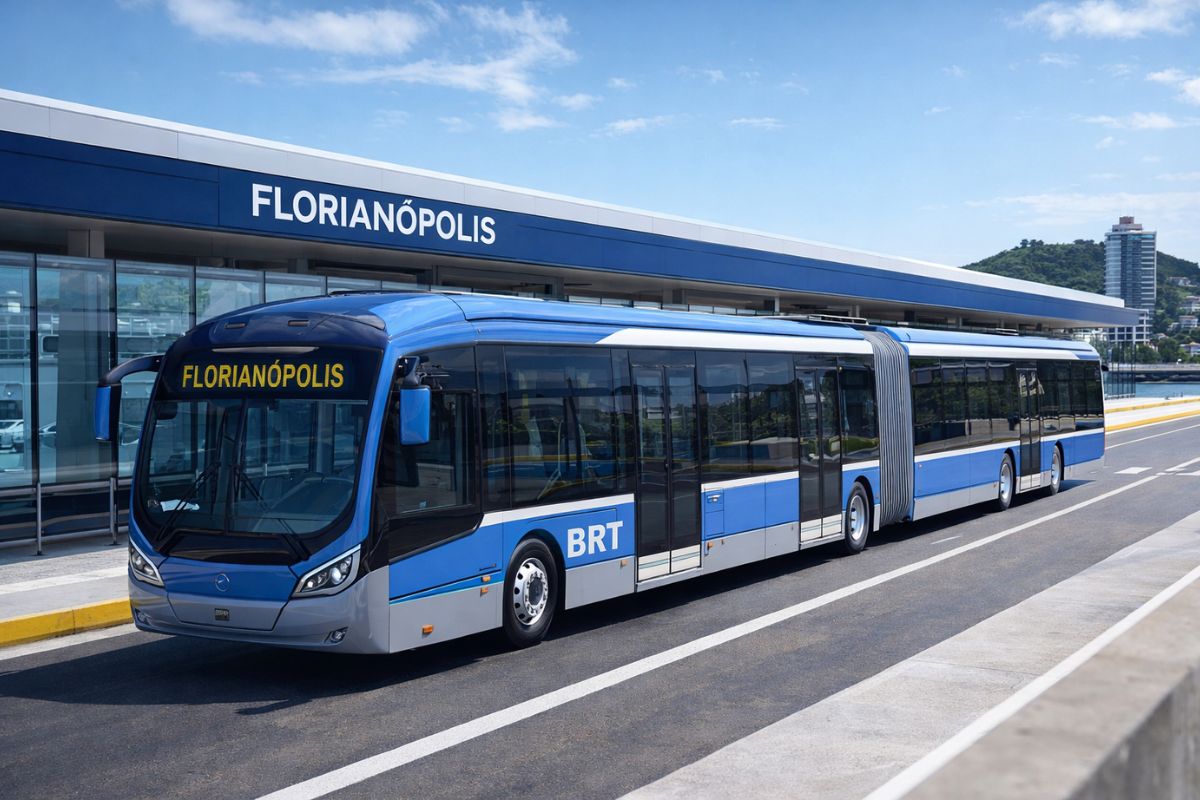
Florianópolis will receive a million-dollar BRT that will begin construction in 2026 with nearly 400 million in funding from the federal government and the Inter-American Development Bank, and the map already shows the routes for the exclusive bus corridors.
-
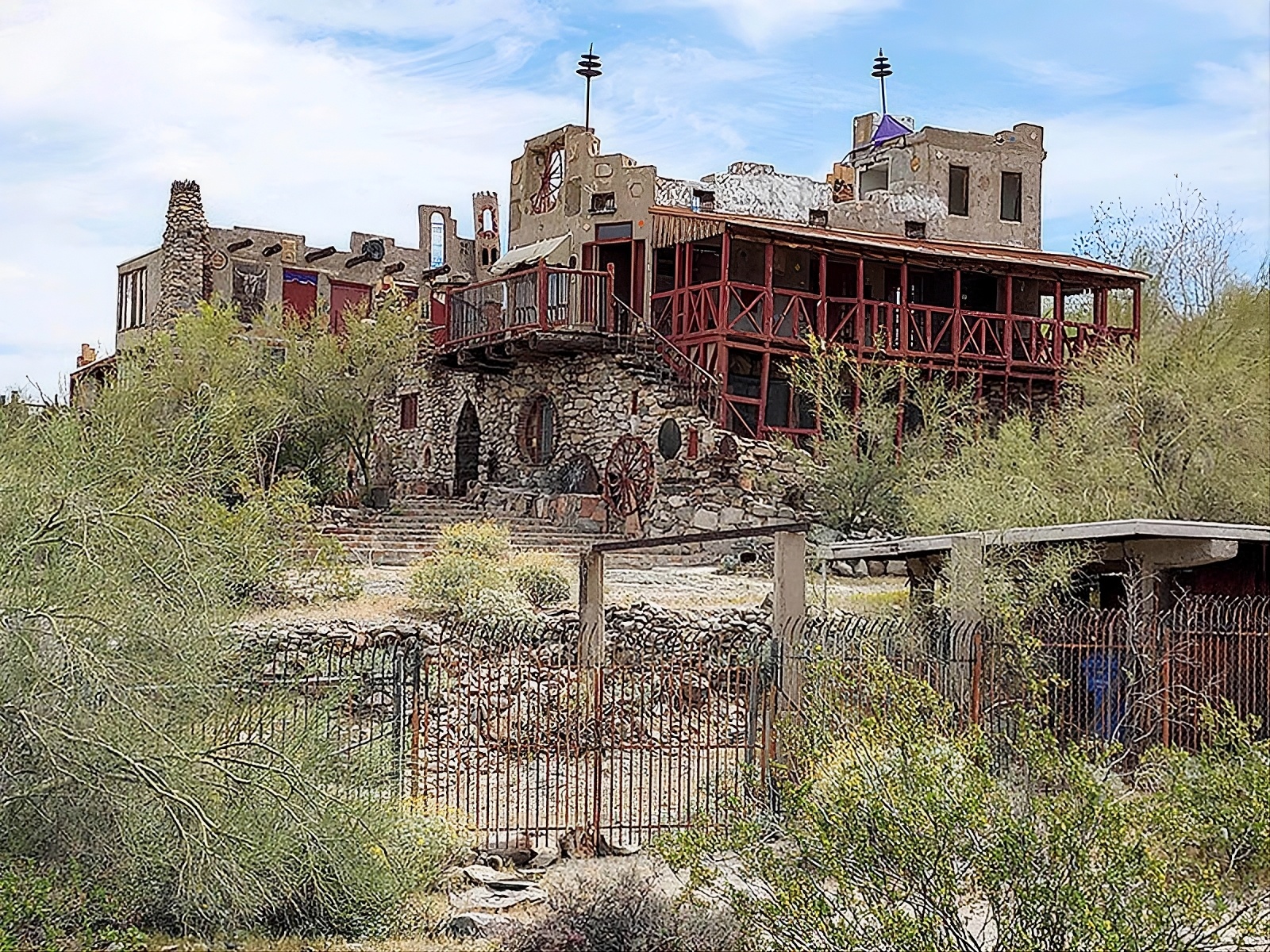
Without a blueprint, without an engineer, and using scrap from the dump, a father spends 15 years building an 18-room castle for his daughter, featuring tram tracks, 13 fireplaces, and over 700 m², which may now be demolished.
The commercial director of TIC Bahia reported that the initial phase envisions the acquisition of seven trains for the Salvador-Feira line. The expectation is to transport 25 million passengers over the first years of operation.
In addition to the direct connection, the system is expected to be integrated with metropolitan and intercity buses, offering physical and fare connections that will facilitate travel between cities.
Economic and Logistical Impact for Bahia
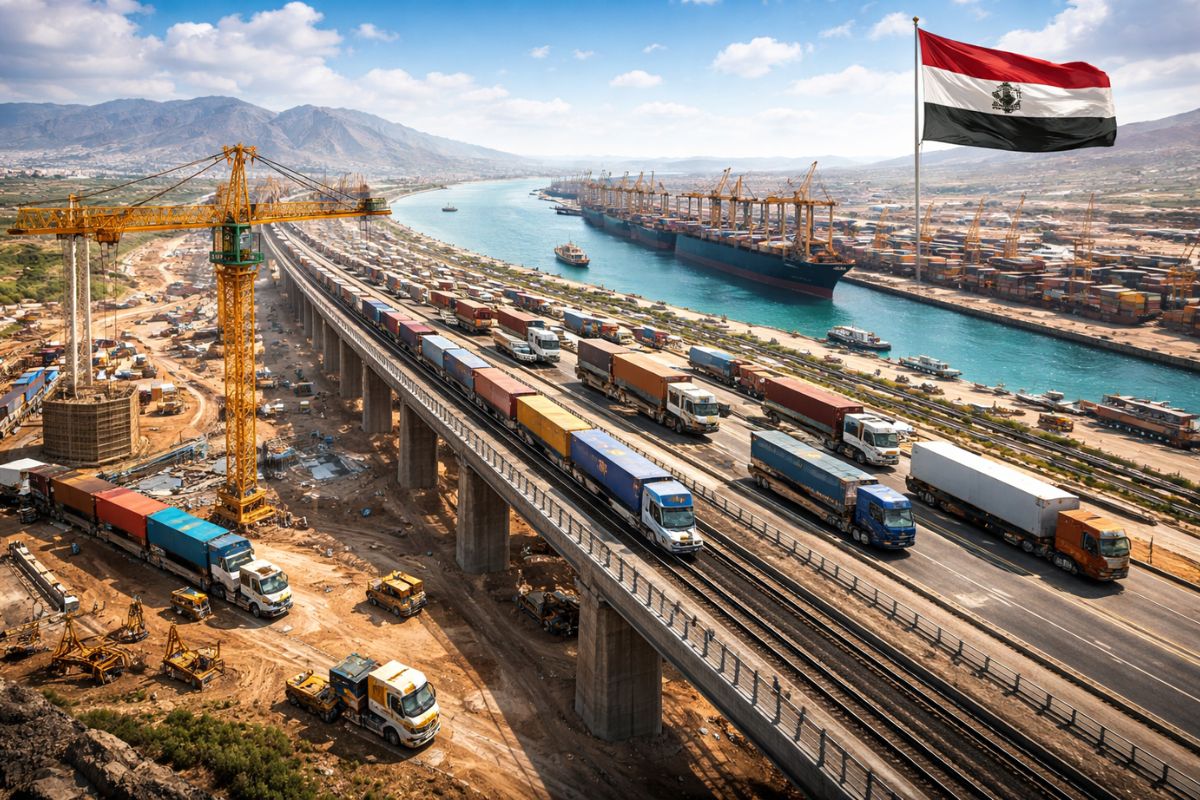
The new railway has the potential to reduce logistical costs, improve urban mobility, and strengthen the regional economy. Transporting goods at specific times will allow for quicker and safer transportation of grains, minerals, and manufactured products.
According to the president of FIEB, Carlos Henrique Passos, the meeting represented the first step to secure resources and ensure the project moves forward: “The project has technical structure and economic viability; now we need to overcome bottlenecks with regulatory agencies,” he stated.
History and International Inspiration
The idea of creating a railway link between Salvador and Feira de Santana is not new. According to engineer Danilo Silva from TIC Bahia, the project has been in development for eight years and seeks inspiration from international models, such as Russia, where medium-distance rail transport is well-established.
The engineer emphasized that the demand for fast, safe, and reliable travel motivated the revival of the proposal. For him, the project is essential to modernize Bahia’s infrastructure and align the state with global trends in sustainable transport.
Connection with the West-East Integration Railway (Fiol)
The Bahia government is also working to unlock the West-East Integration Railway (Fiol), which will connect the state interior to the future port of Ilhéus, linking to the North-South Railway in Tocantins. This integration could transform Bahia into a logistics hub, expanding rail transport of goods such as minerals and grains across the country.
Is It Worth Investing in This Mode?
The success of the initiative will depend on factors such as fundraising, federal support, and private sector participation. There is currently no official timeline for the start of construction, but experts point out that leveraging the planned infrastructure and integrating it with highways and ports could accelerate the process.
If confirmed, the Salvador-Feira de Santana railway will be a milestone for mobility and logistics in Bahia, bringing strategic cities closer in just 35 minutes and opening up space for a new cycle of regional development.
And you, do you believe that trains will connect two cities in 35 minutes by the next decade? Do you think this project will really come to fruition or risk becoming just another promise? Leave your opinion in the comments — your experience could enrich the discussion.







Seja o primeiro a reagir!