





 Portuguese
  English
  Spanish
  3 min of reading
  0 comments


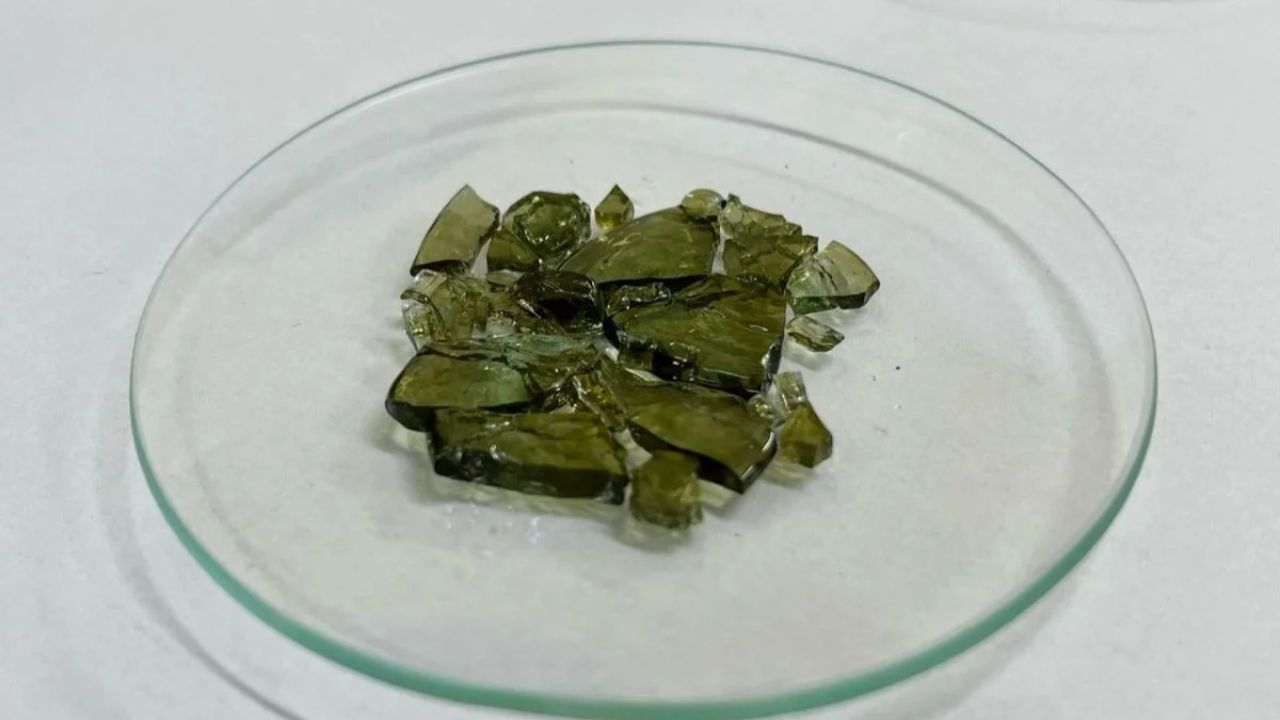
Researchers from USP Develop Glass Fertilizer with Slow Release of Nutrients. Innovation Promises to Increase Agricultural Yield and Decrease Use of Imported Products.
Researchers from the University of São Paulo (USP) in São Carlos have created an innovative glass fertilizer that promises to increase agricultural yield sustainably. The material, developed since 2018 at the Institute of Chemistry (IQSC), can be a national alternative to the reliance on imported fertilizers, which currently account for about 90% of consumption in Brazil.
The innovation combines glass technology with hydrogel capsules, creating a slow-release and highly efficient solution.
The research, led by Professor Danilo Manzani, originated from the question: was it possible to turn glass into fertilizer?
-
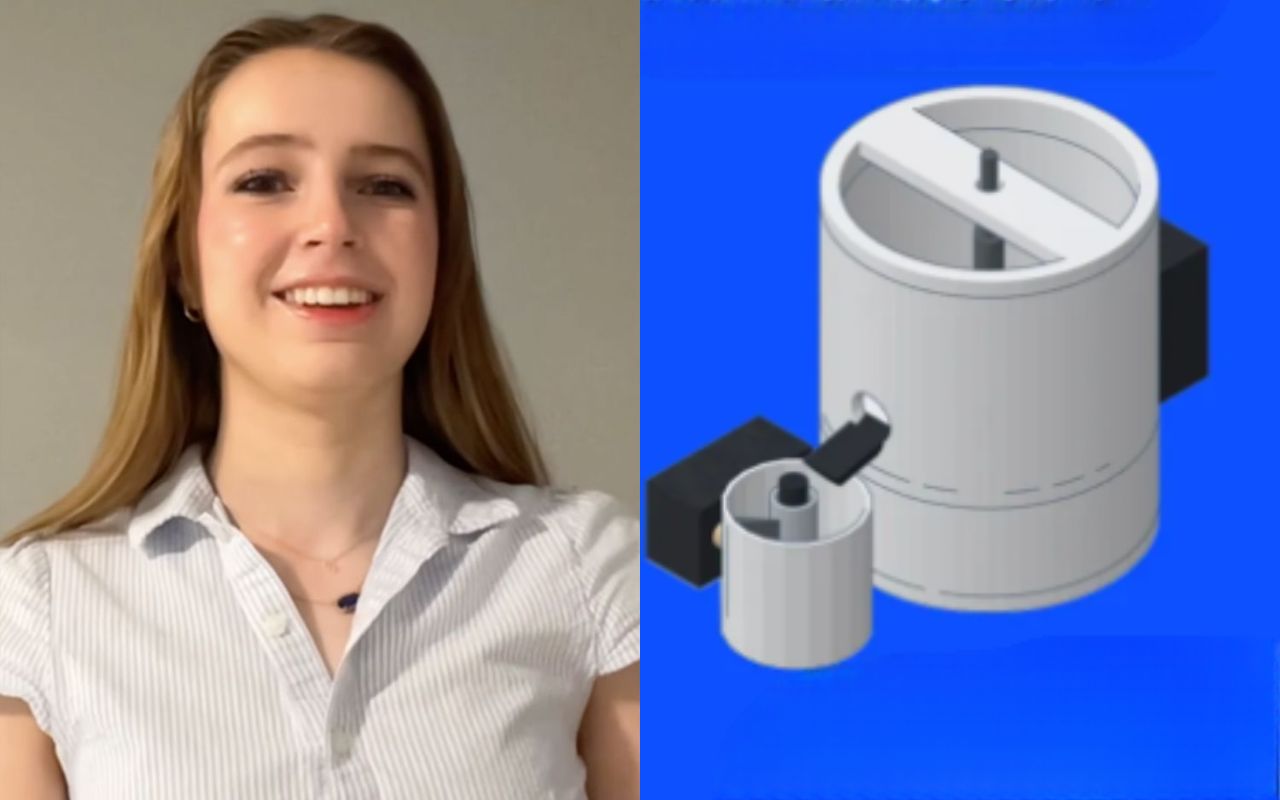
At just 18 years old, a student develops new technology for a magnetic filter that eliminates up to 95% of microplastics from water.
-
The new technology race has already begun: Apple, Samsung, and Google are competing to see who can turn smartphones, smartwatches, and appliances into assistants with artificial intelligence capable of understanding context, predicting actions, and performing tasks without relying on apps.

-
For the first time in over 50 years, a human has photographed the entire Earth from deep space on the way to the Moon, and the image captured by Commander Reid Wiseman is already being called historic by NASA.

-
Under the island of Mauritius, in the middle of the Indian Ocean, scientists found fragments of continental crust that are up to 3 billion years old, remnants of a sunken microcontinent that was once connected to Madagascar and India.


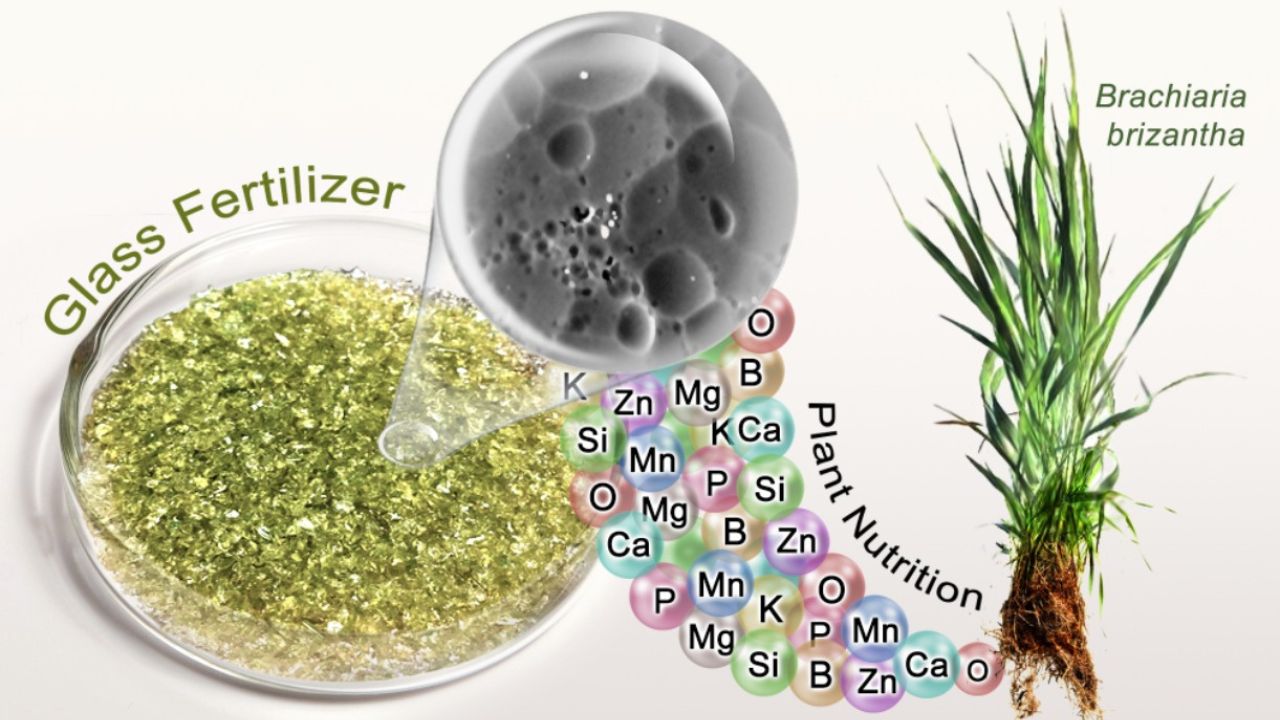
The answer, after years of study, was positive — and the first results are exciting. The compound brings together essential nutrients for plant growth: phosphorus and potassium in the glass, and nitrogen in the hydrogel.
Glass Fertilizer Showed Up to 93% More Agricultural Yield
The tests of the glass fertilizer were conducted in greenhouses with brachiaria (Piatã grass), comparing the growth of plants that received the material or not.
The results attracted attention: the group that used the new fertilizer showed an average agricultural yield 70% higher, with peaks of up to 93.71% in clayey soils.
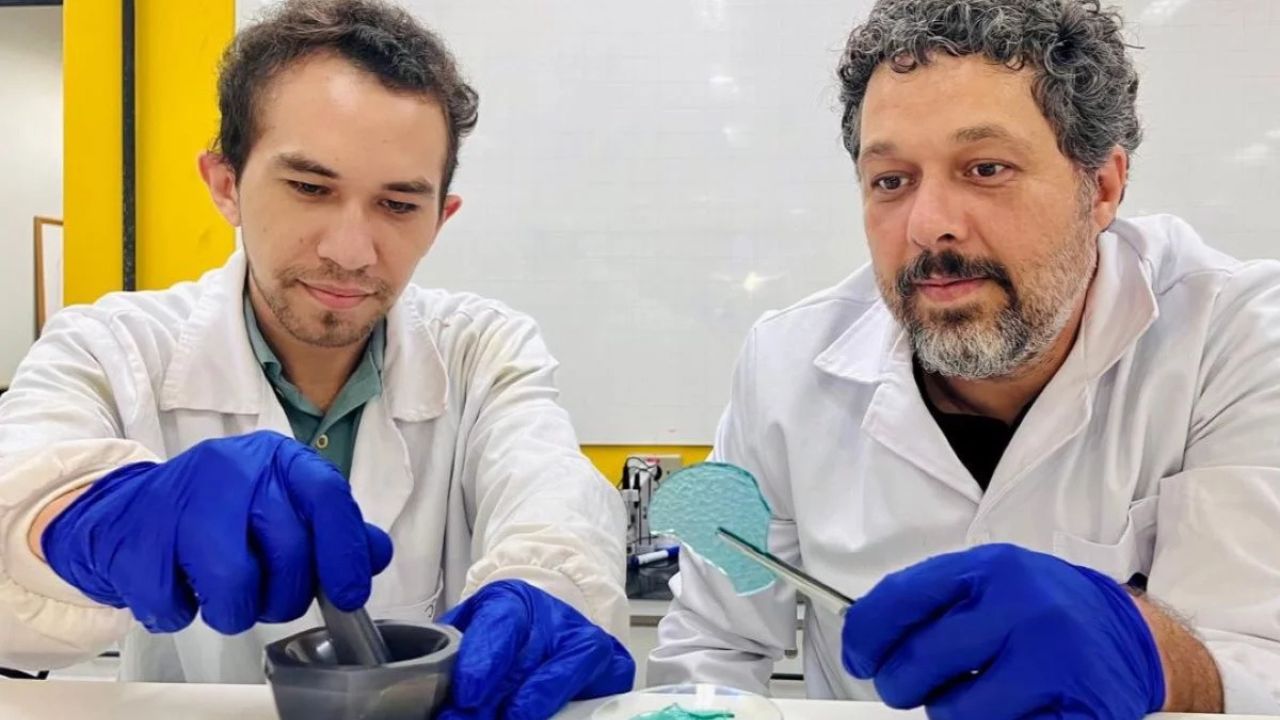
The experiments were conducted by a multidisciplinary group from USP, Embrapa Pecuária Sudeste, and UFSCar.
They evaluated the efficiency of the fertilizer in different soil types: sandy, medium, and clayey. The technology demonstrated superior adaptation and performance in all tested scenarios.
Slow and Efficient Nutrient Release
One of the major innovations of the glass fertilizer lies in its slow nutrient release. Unlike common fertilizers, which require frequent reapplication, the glass compound gradually dissolves in the soil, releasing nutrients as needed by the plant.
This release is controlled both by the composition of the glass and by the use of hydrogels, polymers that store and release water and nitrogen.
According to researcher José Hermeson da Silva Soares, this combination ensures more efficient nutrition, adaptable to the pH and specific conditions of each soil.
In addition to increasing agricultural yield, the glass fertilizer has another strategic role: contributing to Brazil’s self-sufficiency in fertilizers.
The country has reserves of phosphate rocks, but their exploitation is still limited. The new technology offers a viable alternative to meet the growing demand of agricultural production.
“We need to develop alternatives, as agricultural production will continue to expand,” said Danilo Manzani.
Silva, who is pursuing a doctorate on the subject, emphasized that the studies also demonstrated that glass is non-toxic to plants — something that had been poorly documented in the scientific literature.
Next Steps: Field Tests and Cost Reduction
The team is now preparing for tests in real farming conditions. The goal is to adapt the process to reduce production costs, making the fertilizer accessible to Brazilian farmers.
The potential of the technology may also pave the way for new applications in agriculture, making glass an increasingly present ally in the field.
With the innovation, the glass fertilizer emerges as a promising solution to boost national agricultural yield, promote sustainability, and reduce Brazil’s dependence on foreign products.
Click here to read the article.







-

Uma pessoa reagiu a isso.