





 Portuguese
  English
  Spanish
  5 min of reading
  0 comments


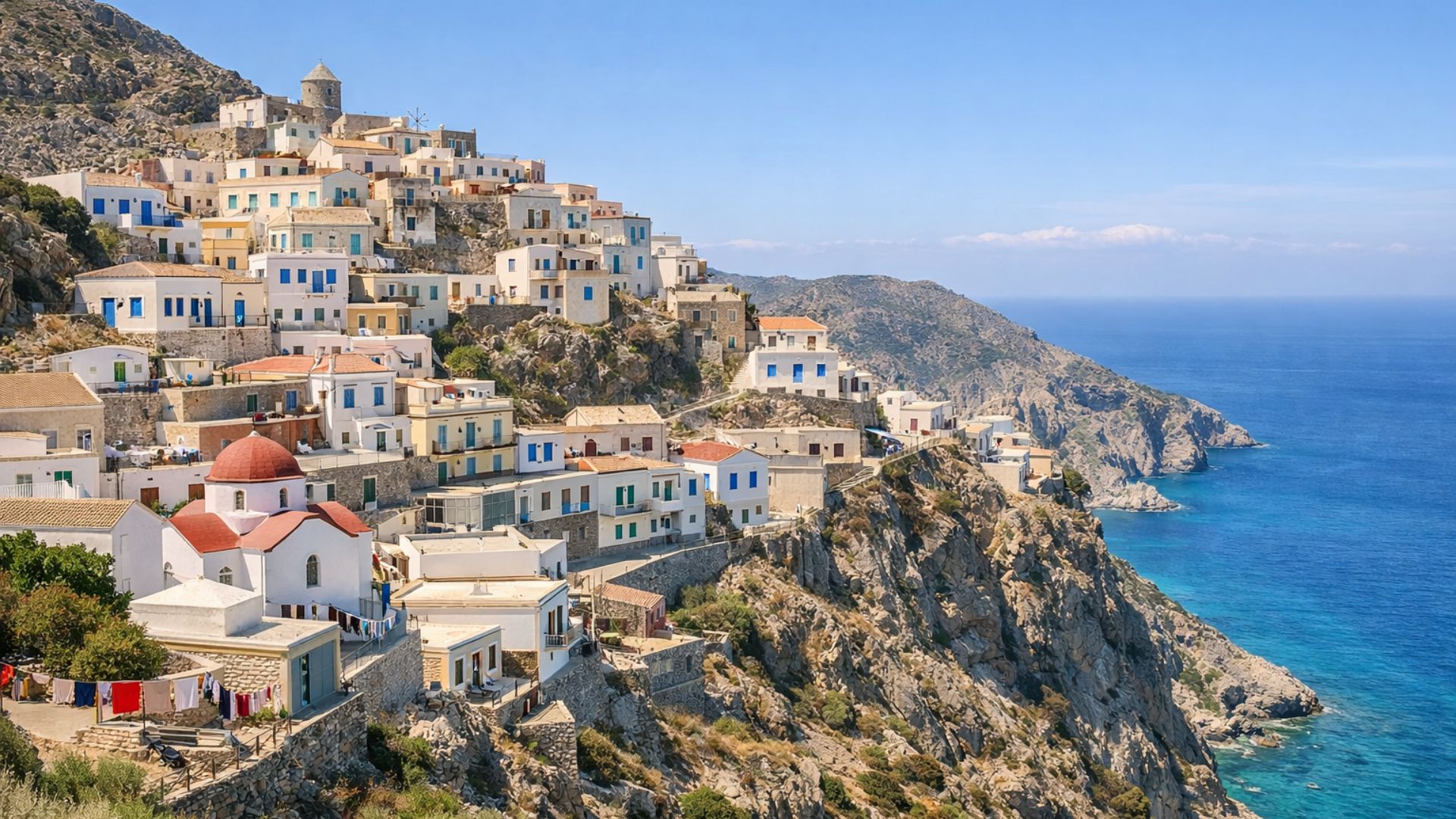
Destination still little explored in Greece brings together preserved nature, constant winds, traditional cuisine, and historical villages in a combination that attracts travelers in search of authentic experiences, away from mass tourism and with a slower pace throughout most of the year.
Karpathos is starting to occupy a more visible space on the map for those looking for Greece beyond the most crowded routes.
The island of the Dodecanese archipelago features clear water beaches, mountainous terrain, villages that preserve ancient traditions, and a cuisine linked to local production.
Between May and October, the period most associated with the tourist season and the best conditions for the sea, trails, and outdoor activities, the destination offers a calmer pace than more sought-after Greek islands.
-
At 106 years old, Mrs. Maria decided to go back to work to continue buying her wines, but ended up being hired as an influencer by a brand and now calls herself the ‘most empowered grandma in the world.’

-
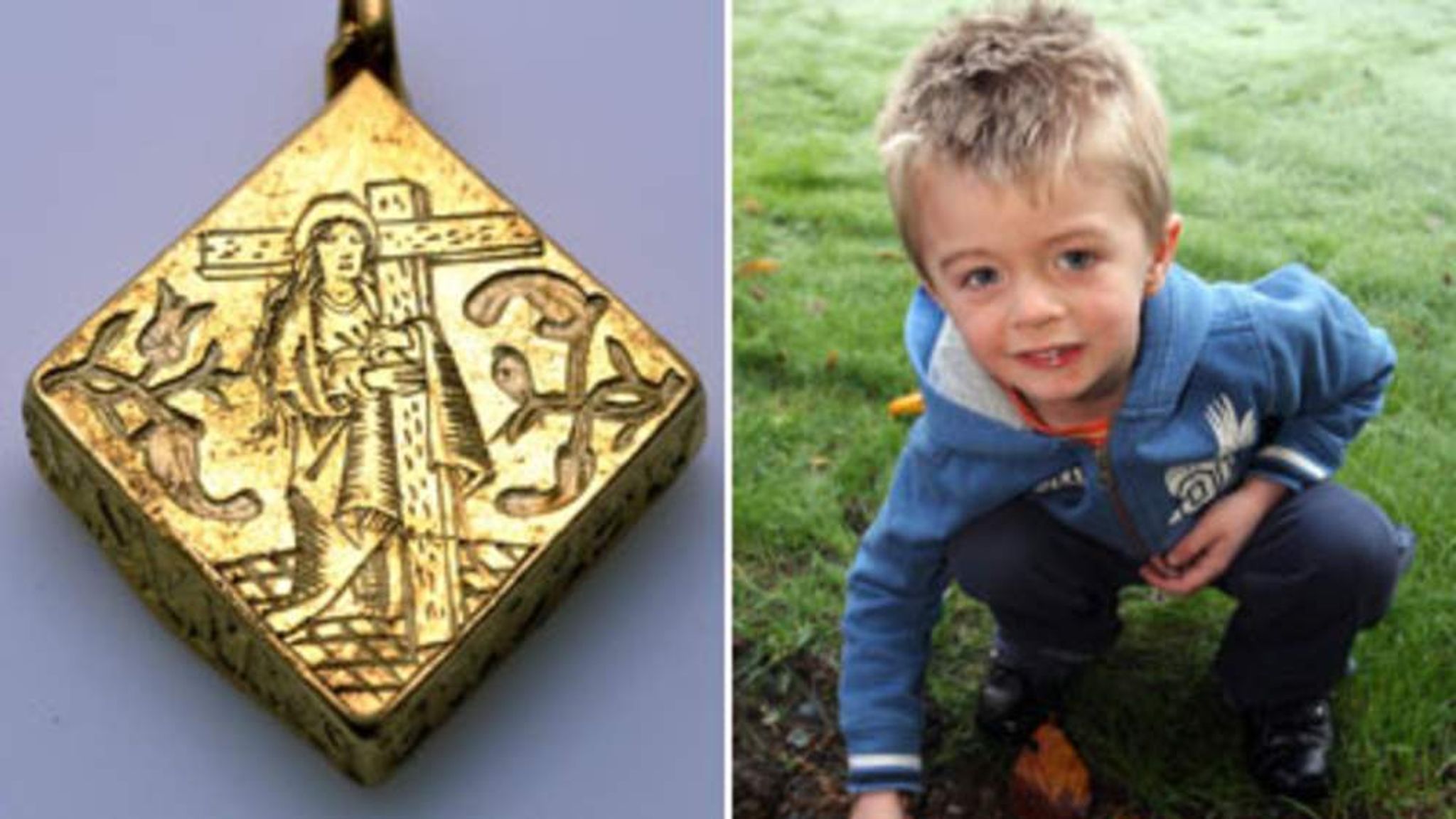
A 3-year-old child was playing with their father’s metal detector and found a gold pendant over 500 years old, valued at $4 million, a piece with a secret compartment linked to the era of Henry VIII, found by James Hyatt.
-
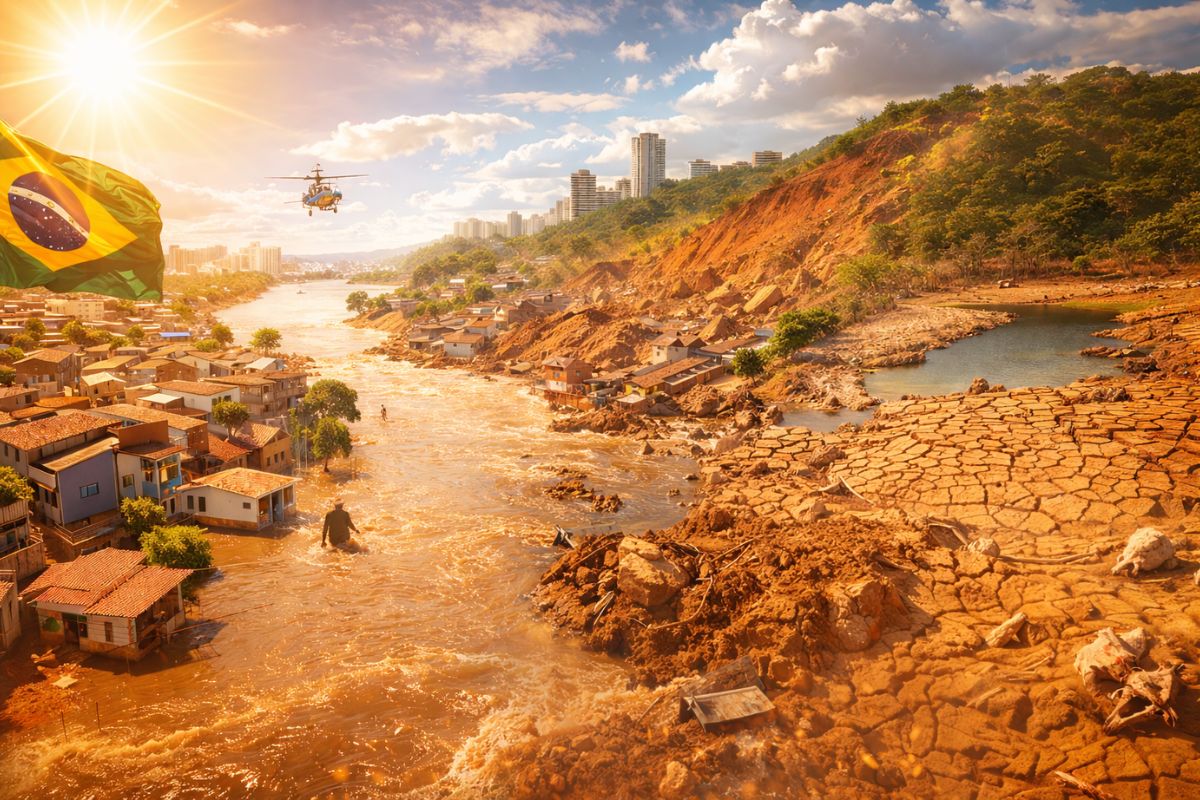
Brazil feels the record heat: 2025, the 3rd hottest year on the planet, brought 1,493 hydrological disasters, affected 336,656 people, and caused losses of R$ 3.9 billion, according to Cemaden in the country.
-
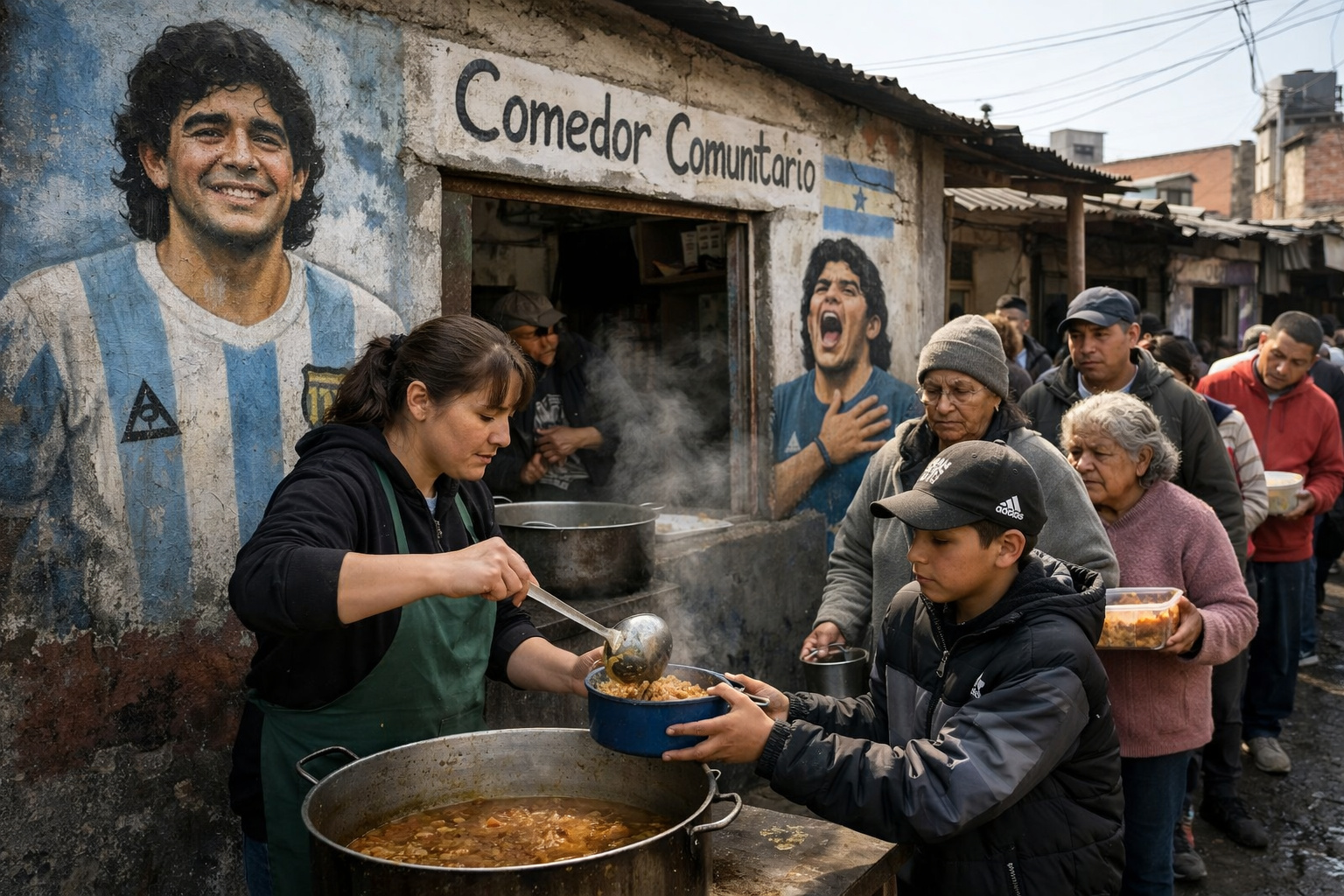
From a childhood marked by hunger to a symbol of hope: the house where Maradona was born becomes a cafeteria that feeds hundreds every day amidst the economic and social crisis in Argentina.
The appeal of Karpathos is not limited to the scenery.
The experience on the island involves interacting with communities that maintain cultural practices, recipes, and traditional festivals, especially in inland villages and the far north.
This combination of preserved landscape and daily life less shaped by mass tourism is one of the factors that has been increasing interest in the destination.
Tourism in Greece beyond the obvious gains strength
The geography helps explain the personality of the island.
Karpathos is described by official tourism channels in Greece as a place of intense nature, shaped by winds, mountains, and centuries of preserved customs.
Instead of relying solely on postcard beaches, the island distributes its attractions among more secluded coves, hiking areas, historical villages, and experiences linked to gastronomy and local daily life.
This balance is also evident in the choice of the time to visit.
The interval between May and October concentrates most of the tourist operation, with more inviting sea and facilities open in much of the island.
For those seeking pleasant temperatures and less activity, June, late September, and early October tend to be more favorable periods, while July and August attract more wind-driven sports enthusiasts.
Typical cuisine of Karpathos values local production
In Karpathos, the local cuisine serves as a portrait of the island itself.
Information from the municipality and official promotion platforms highlight the presence of products such as grapes, citrus fruits, honey, and olive oil, as well as the fish that supply taverns and restaurants.
The cuisine also preserves traditional preparation methods, with bread baked in wood-fired ovens, handmade pasta, and recipes passed down through generations.
The result for the visitor is an experience that goes beyond the meal.
Instead of standardized menus for tourists, the gastronomy is linked to the territory and the routine of the locals, whether in harvests, culinary workshops, or ecotourism experiences promoted on the island.
Food, in this context, helps to understand how Karpathos tries to grow without breaking away from local practices that still organize community life.
There is also an important emotional and cultural component.
Official tourism sources highlight that, in parts of the island, women continue to gather to knead dough, bake bread, and keep alive recipes that are inseparable from family memory.
Thus, tasting fresh fish, honey, olive oil, or typical pasta means not only getting to know the flavors of the region but also coming into contact with a heritage that continues to be in use.
Olympos preserves traditions and historical architecture
In the far north, Olympos concentrates one of the most well-known images of Karpathos and also one of its strongest cultural layers.
The village has been preserved in part due to its geographical isolation, a condition that has helped maintain a unique identity over time.
The settlement preserves its own dialect, architecture, music, and customs, creating a scenario that has turned the locality into one of the main cultural references of the island.
Built in an elevated position, between mountain and sea, Olympos features narrow streets, stone houses, chapels, and traits that Greek tourism often associates with one of the best-preserved historical settlements in the country.
The visit there does not depend on large artificial attractions.
The main interest lies in the urban environment, the persistence of traditions, and the fact that daily life still occupies the center of the experience.
During religious occasions and local celebrations, tradition becomes more visible.
Women wear traditional handwoven garments in daily activities and at festivals, such as weddings and Easter celebrations.
Kitesurfing, trails, and preserved beaches attract visitors
Those traveling in search of outdoor activities find in Karpathos a profile different from the stereotype of an island that is merely contemplative.
In the south, the region of Afiartis is known for its constant winds during the warm season, a condition that has made it a particularly sought-after area for windsurfing and kitesurfing enthusiasts.
The several-month season with regular wind helps explain the place’s fame among sportspeople.
Along the coast, Karpathos alternates between more well-known beaches, such as Apella, Amoopi, and Kyra Panagia, and less frequented coves and wilder stretches.
Official guides highlight both family-friendly beaches and spots sought by those who prefer isolation, light diving, and more direct contact with the landscape.
In many of these areas, the water’s clarity and rocky bottom favor snorkeling. On land, the mountainous terrain expands the range of experiences.
Hiking routes combine sea, villages, and mountain stretches, with paths between Olympos, Profitis Ilias, and Diafani being among the most visually impactful.
Destination grows with a focus on sustainable tourism
The growing interest in Karpathos seems linked to a broader change in traveler behavior, now more attentive to destinations that reconcile nature, local identity, and relatively lower tourist pressure.
The island is associated with ecotourism proposals, small-scale activities, and the valorization of traditions that remain alive.
In this scenario, the destination gains strength not by promising a spectacularized version of Greece but by bringing together elements that are often lacking in more saturated destinations.
Among them are slower pace, preserved landscape, cuisine linked to the territory, and communities that maintain their way of life, factors that help explain the growing interest in the island.






Seja o primeiro a reagir!