





 Portuguese
  English
  Spanish
  4 min of reading
  0 comments


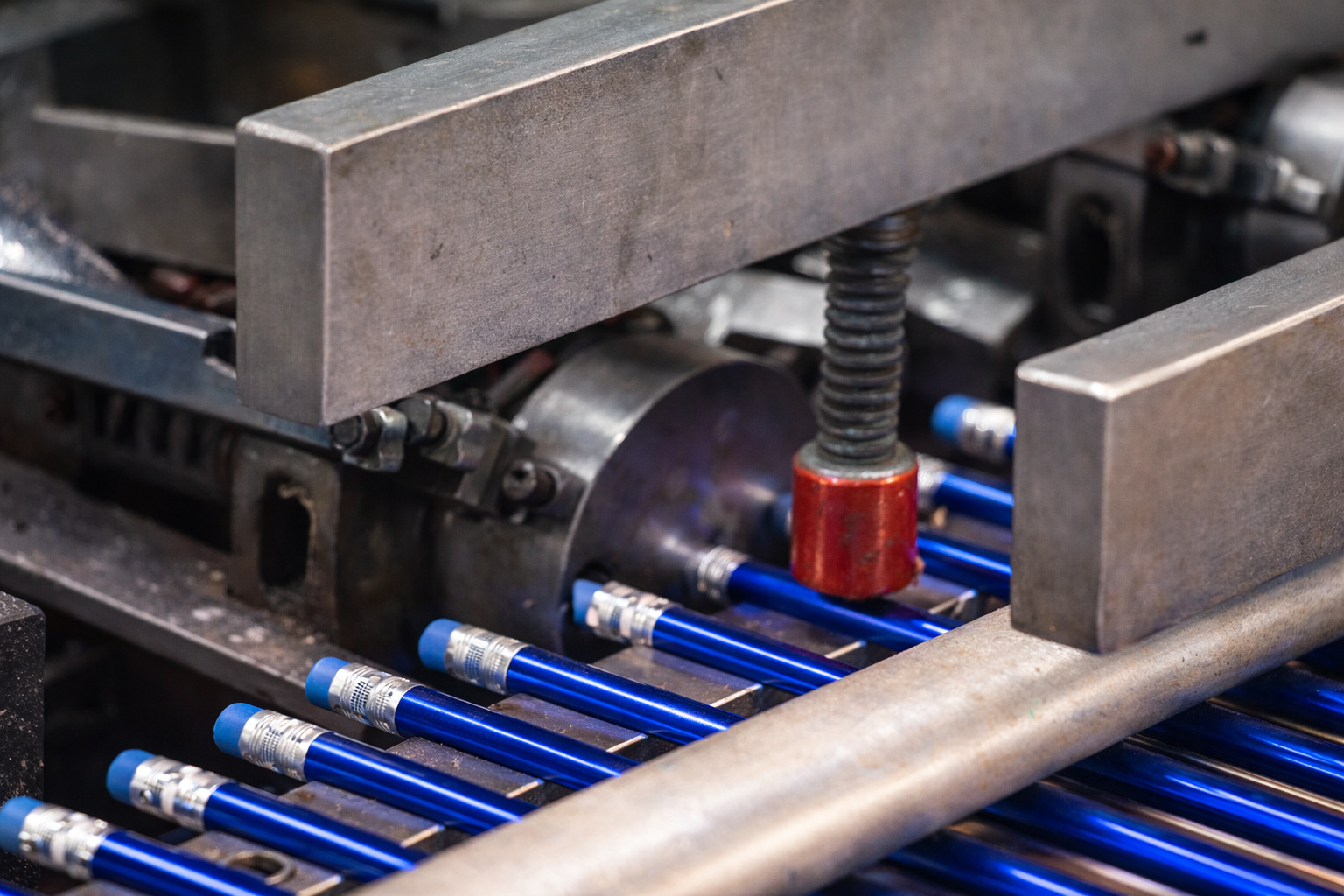
The industrial process of the Faber-Castell pencil shows the stages from graphite to the final finish with more than 20 billion produced per year
The process of how the Faber-Castell colored and graphite pencil is made involves precise industrial stages, from the extraction of graphite to the final finish with painting and drying. It is one of the most common products in daily life, but it goes through detailed manufacturing.
Production exceeds more than 20 billion units per year, which shows the importance of this item in the world. The functioning of each stage reveals how simple materials transform into a durable, easy-to-use product that is present in schools and offices.
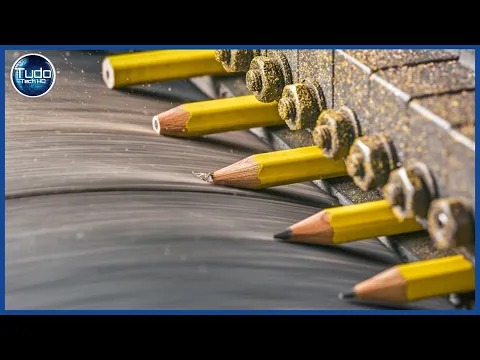

Extraction of graphite and origin of the material used in the pencil
Graphite is the main raw material for pencil leads. It is a type of natural crystalline carbon, found in deposits formed over millions of years.
-
European country ‘darling of Brazilians’ will need 1.3 million workers by 2030 to avoid collapse, and immigration has become the only way to save the economy.

-
The government allows the new ID to be requested on a mobile phone and delivered at home.

-
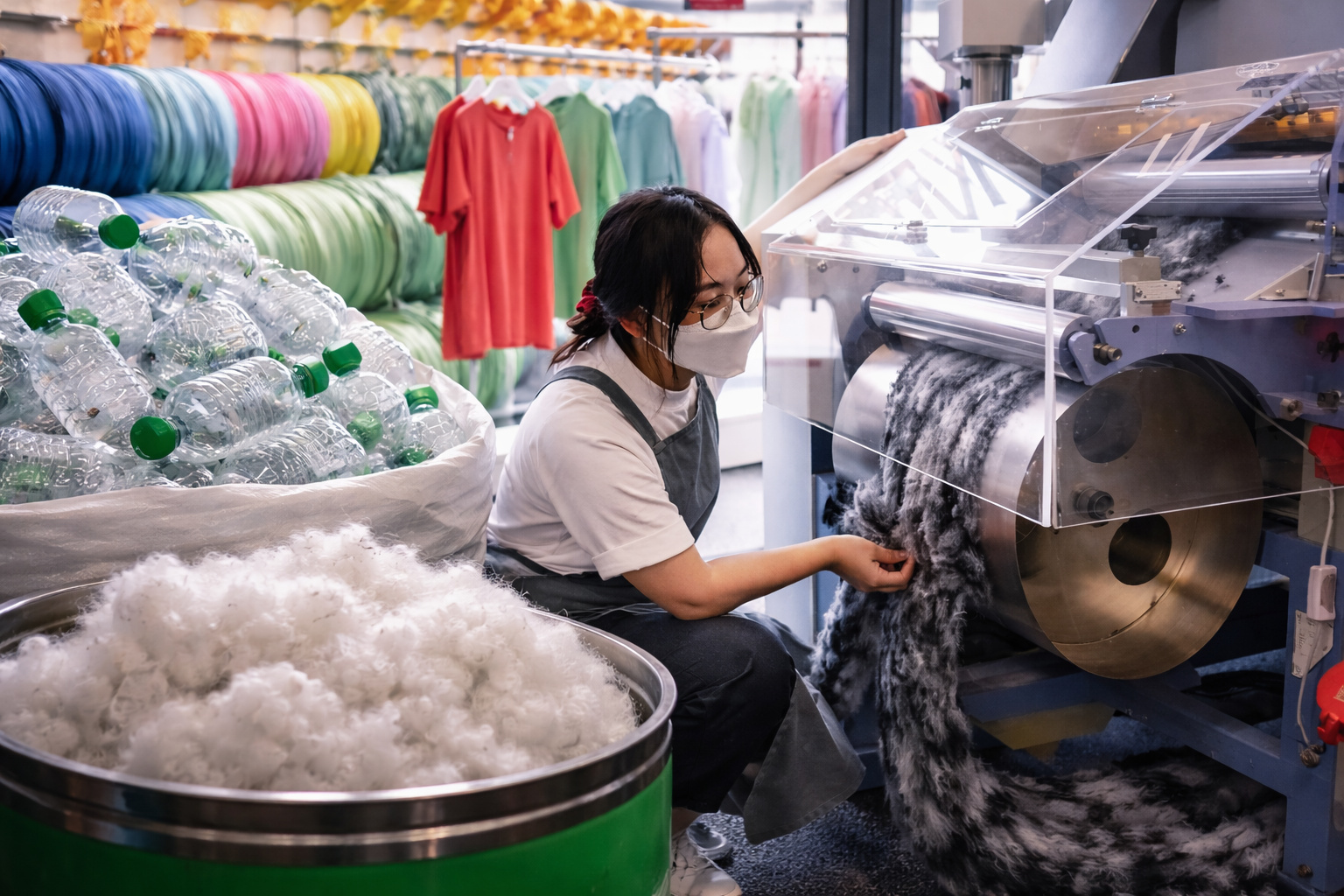
Millions of PET bottles are turning into clothing around the world, and tons of recycled polyester are revolutionizing the fashion industry, with brands like Adidas, Nike, Zara, and Shein already incorporating it into their collections.
-
Sitting on the sidewalk at the end of the afternoon: the simple habit that brought neighbors together, slowed down the routine, and reveals why social interaction was stronger before the digital age.

Exploration began around 1564 in northern England, when one of the first mines was discovered. Since then, the material has been used in writing due to its ability to leave dark marks on paper.
The video published by Você Sabia, a digital channel of curiosities and online education, shows that graphite is extracted from both underground mines and open areas. After extraction, the material is crushed into a fine powder ready for industrial use.
Mix of graphite, clay, and water defines writing quality
The base of the leads has remained the same since 1795, when the French chemist Nicolas Jacques Conté developed the modern manufacturing method.
The process mixes graphite, clay, and water, forming a homogeneous mass. The amount of clay directly influences the hardness of the lead, while the graphite determines the intensity of the stroke.
This mixture undergoes a resting period of about 1 hour and a half, ensuring that all components are well integrated before the next stage.
Formation of the leads by pressure and drying at high temperatures
After mixing, the mass is taken to a machine that uses intense pressure to shape the leads into the fine known form.
This extrusion can reach almost 10 tons of pressure, creating long rods that are still soft at this stage.
The leads undergo drying in an oven at 120 degrees for 3 hours. In the case of graphite, there is an additional step with a temperature close to 1000 degrees for 45 minutes, which ensures greater resistance.
The content displayed by Você Sabia, a digital channel of curiosities and online education, highlights that this heating does not occur in colored pencils, as the heat would destroy the pigments.
Difference between colored pencils and graphite pencils
Colored pencils receive pigments and binding agents during mixing, allowing for the creation of different shades.
Graphite pencils, on the other hand, undergo more intense thermal treatments, making the leads harder and more resistant, but also more brittle.
Another important step is the wax bath, which helps make writing smoother and protects the structure of the lead. This process improves sliding on paper and increases the durability of the product.
Cedar wood and assembly of the pencil in sandwich format
The external structure of the pencil is made of wood, usually cedar, chosen for being lightweight and durable at the same time.
The boards go through machines that create grooves where the leads are placed. Then, another piece of wood is glued on top, forming the so-called sandwich block.
This assembly is pressed for about 1 hour, ensuring that all parts are well fixed and aligned.
After that, machines cut the block into several individual pencils, reaching up to 10 units per block.
Painting, finishing, and inspection ensure final quality
After cutting, the pencils undergo light sanding and proceed to painting. Companies use water-based paints, which are safer and less harmful to the environment.
The process includes between 2 and 8 layers of paint, in addition to a layer of varnish that ensures shine and protection against wear.
In the final stage, information is printed on the body of the pencil and automatic sharpening occurs. Some models receive an eraser on the back.
Before distribution, each unit undergoes a visual inspection to ensure that the product is ready for use.
Global pencil production shows the importance of this item in daily life
The manufacturing of pencils is an example of how industrial processes transform simple raw materials into essential products.
The final result is an item present in schools, offices, and various daily activities, with more than 20 billion units produced annually.
This volume shows how the pencil remains an indispensable tool, even with the advancement of digital technology.
If you found it interesting to understand how the Faber-Castell colored and graphite pencil is made, leave your comment and share it with others who also enjoy curiosities about the industrial world.







Seja o primeiro a reagir!