





 Portuguese
  English
  Spanish
  3 min of reading
  0 comments


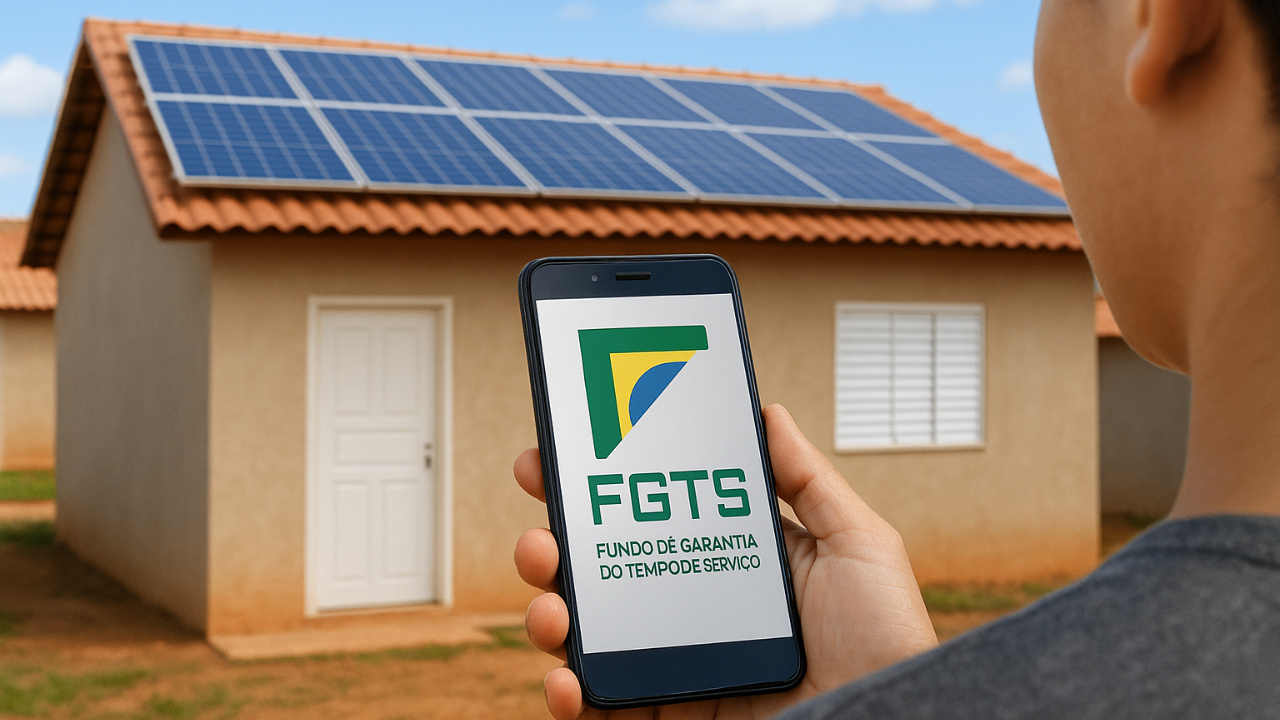
Reform Home Program Brazil Expands Access to Solar Energy, but Financing Does Not Allow Use of FGTS for Low-Income Families.
The launch of the Reform Home Program Brazil, by the Caixa Econômica Federal, put solar energy at the center of public policies aimed at housing improvement. The initiative, primarily aimed at low-income families, opened up space for the installation of photovoltaic systems in urban residences.
However, alongside the new initiative, a recurring question arose among consumers: is it possible to use FGTS funds to finance solar energy within the program?
The financial institution’s response is straightforward. It is not permitted to use the Severance Indemnity Fund for Employment (FGTS) for this type of operation when financing occurs within the Reform Home Program Brazil.
-
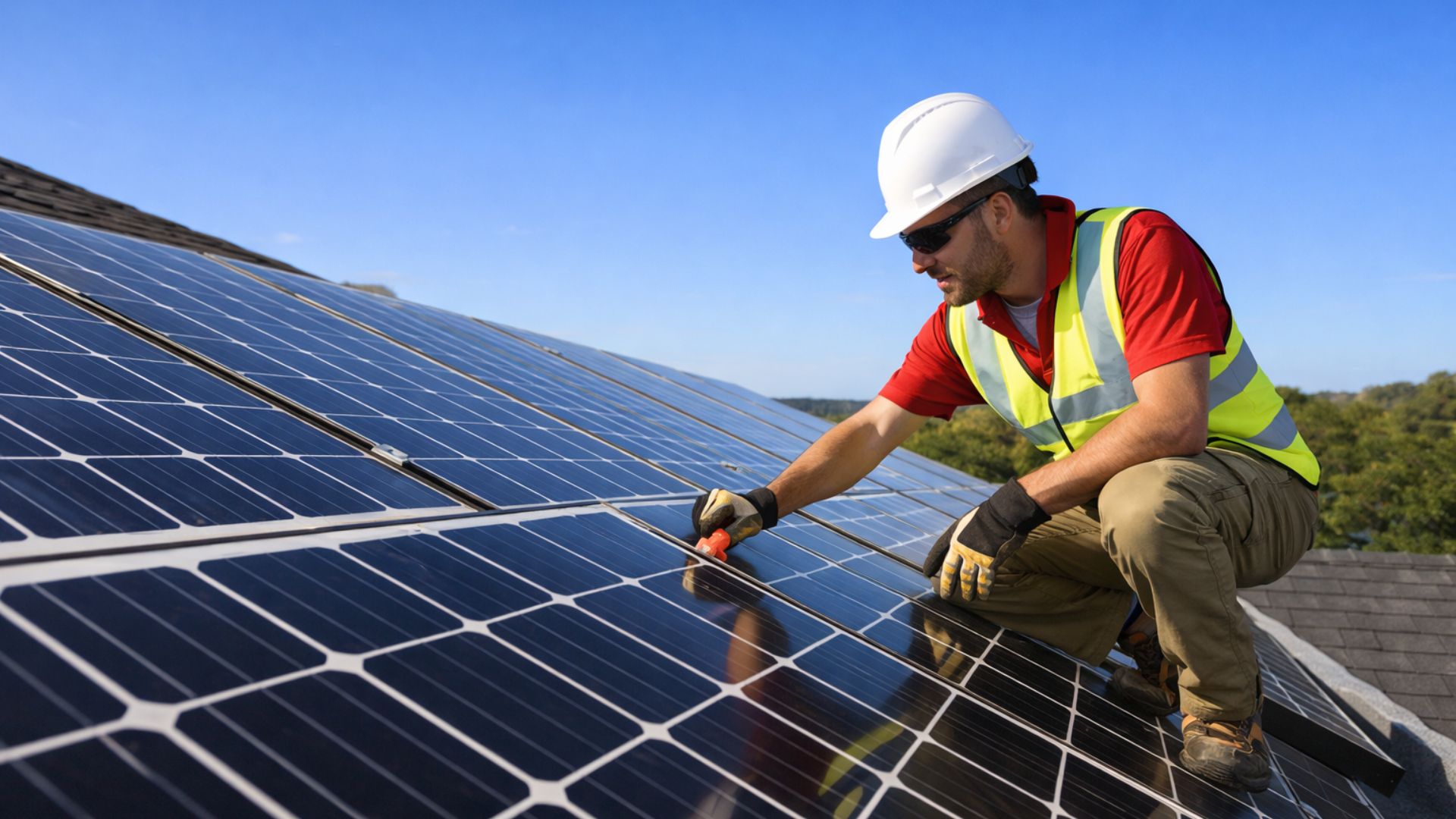
Seagri’s headquarters invests in solar energy with Neoenergia Coelba and promises to cut electricity costs, highlighting a strategic advance in sustainability and energy efficiency within state public administration.
-
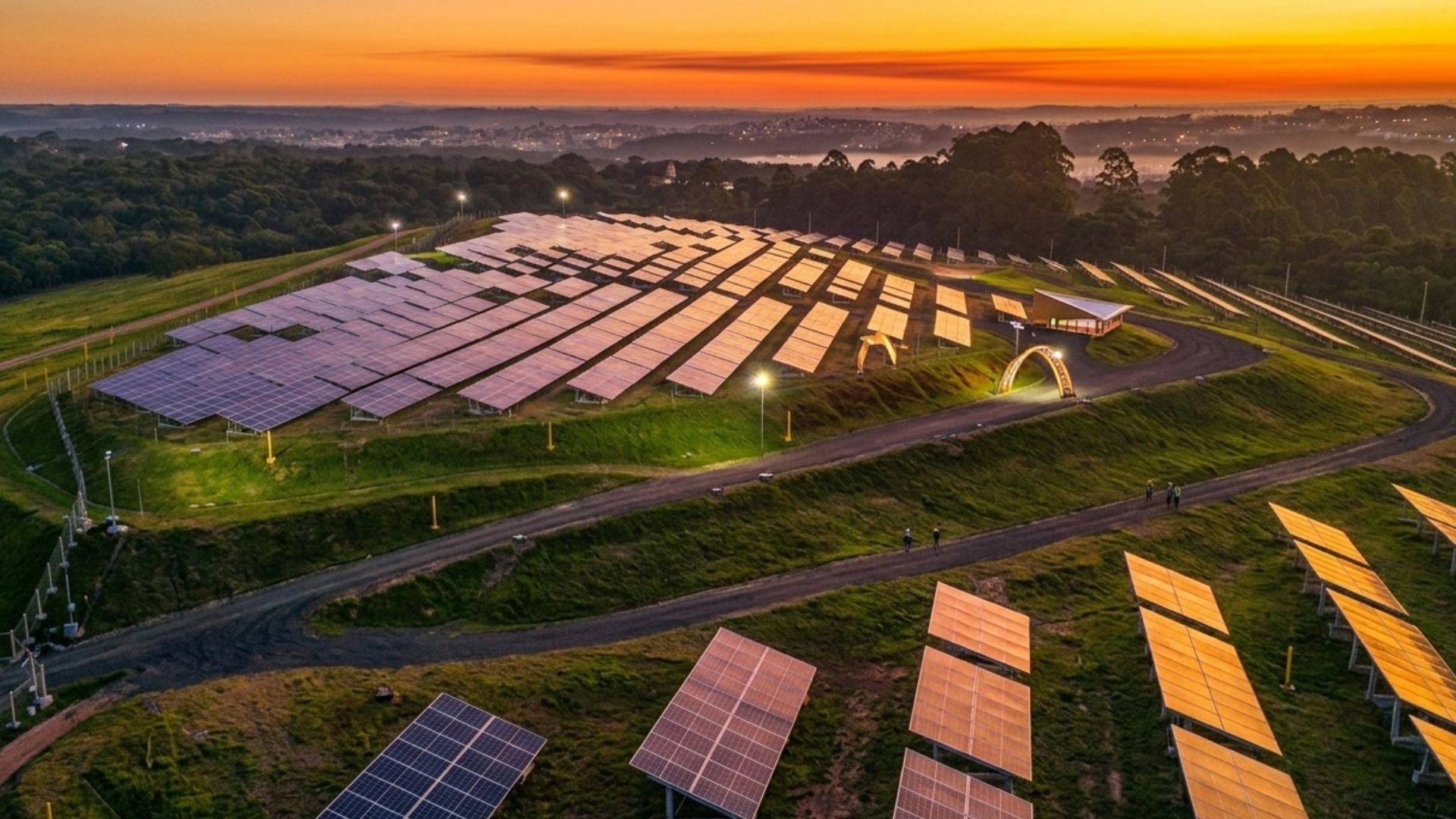
Solar Pyramid draws attention by converting solar energy into million-dollar savings and repositioning the City Hall of Curitiba as an example of innovation, sustainability, and intelligent use of public resources.
-
Europe records strong euro economy with solar energy in March and sparks curiosity about which country leads growth that redefines the energy market and reduces costs.

-
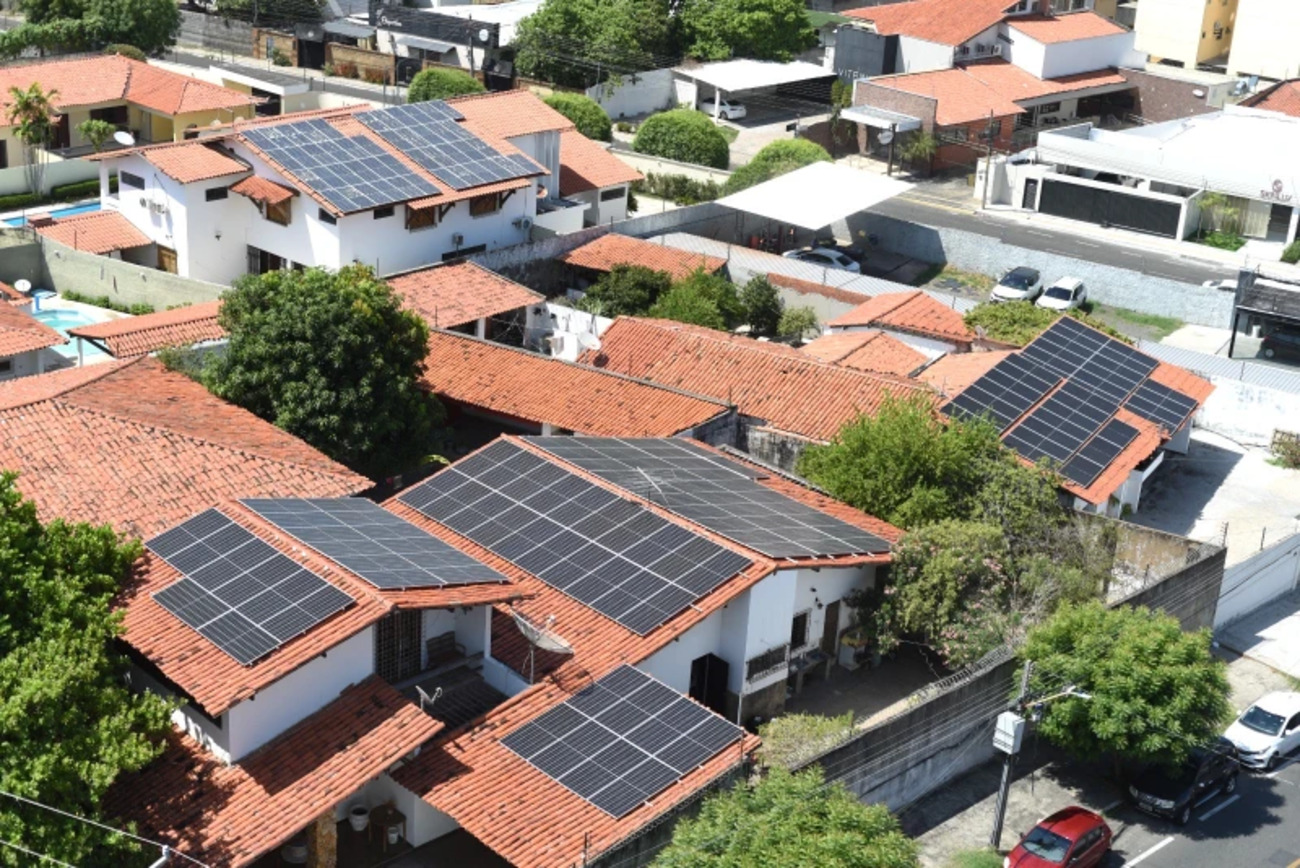
Piauí reaches a historic milestone in energy transition: State records nearly 160,000 households powered by solar energy and leads growth in the Northeast.

The rule applies to all beneficiaries falling within the income bracket served by the program.
Source of Funds Defines Financing Limits
According to Caixa, the financing of the Reform Home Program Brazil does not utilize FGTS funds. The credit is provided with resources from the Social Fund, which by rule prevents the combination with the worker’s balance.
The program exclusively serves families with a monthly gross income of up to R$ 9,600.
This detail is crucial for understanding why FGTS is excluded. Since the focus of the policy is social and aimed at improving housing conditions, the financial structure follows its own rules, distinct from traditional mortgage credit lines.
On the other hand, consumers with income above the established limit can pursue another route. In this case, the installation of solar energy is no longer financed by the Reform Home Program Brazil and is contracted through Caixa’s conventional lines.
These modalities use savings resources and, depending on the type of operation and the current rules, may allow the use of FGTS. Thus, access to the fund occurs outside the social program, always conditioned to credit analysis and specific criteria of each line.
Program Expands Reforms and Energy Efficiency
Launched in November, the Reform Home Program Brazil is part of a federal policy for social and housing improvement. The goal is to stimulate renovations in urban properties while expanding access to energy efficiency, with a focus on solar energy.
In addition to photovoltaic systems, financing can be used for structural repairs, expansions of rooms, and electrical and plumbing adjustments. The released amounts vary according to the beneficiary’s profile and the type of work, allowing for both basic renovations and more comprehensive interventions.
The inclusion of solar energy in the program reinforces the strategy of reducing families’ monthly expenses and improving housing quality. Although FGTS cannot be used in this specific model, subsidized credit increases access to clean technology.
Thus, the consumer needs to carefully evaluate their income bracket and the available financing line.
While the Reform Home Program Brazil prioritizes social reach, traditional lines offer more flexibility regarding the use of FGTS, especially for those outside the program’s profile.









Seja o primeiro a reagir!