





 Portuguese
  English
  Spanish
  5 min of reading
  0 comments


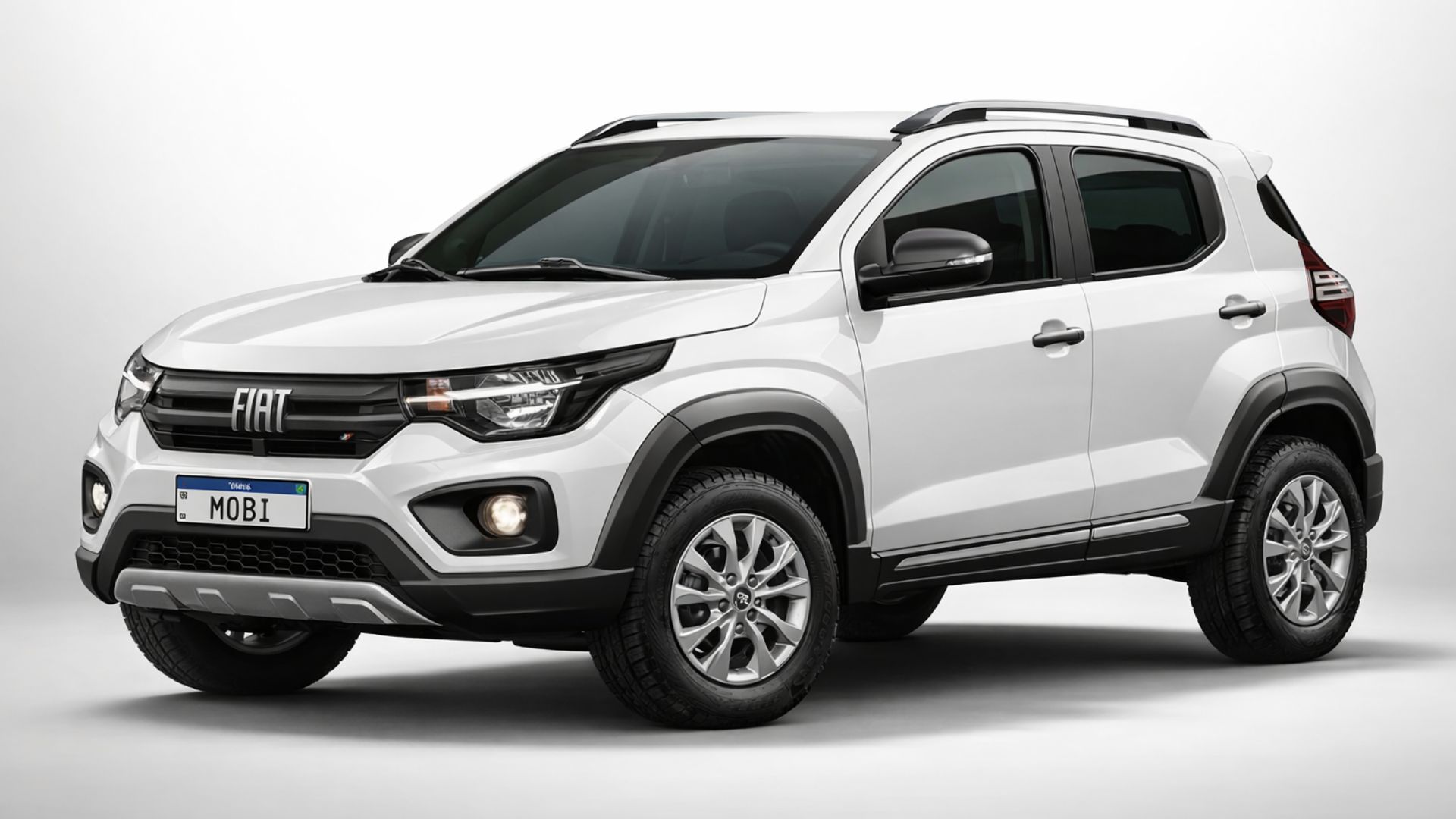
Transformation of the Mobi indicates a new global strategy from Fiat focused on compact SUVs, repositioning of the entry model, and integration between the European and Latin American markets amid a broad renewal of the lineup by the end of the decade.
Fiat is preparing a broad renewal of its lineup in Brazil, and in this movement, the Mobi is expected to gain a new lease on life in a format quite different from the current one.
Instead of fading away with the arrival of a new generation of the Argo, the subcompact appears in the latest reports as a standalone project, larger, with a more robust look and based on the global architecture used by Stellantis in its new family of compacts.
So far, however, this plan remains without official confirmation from the brand for the Mobi.
-
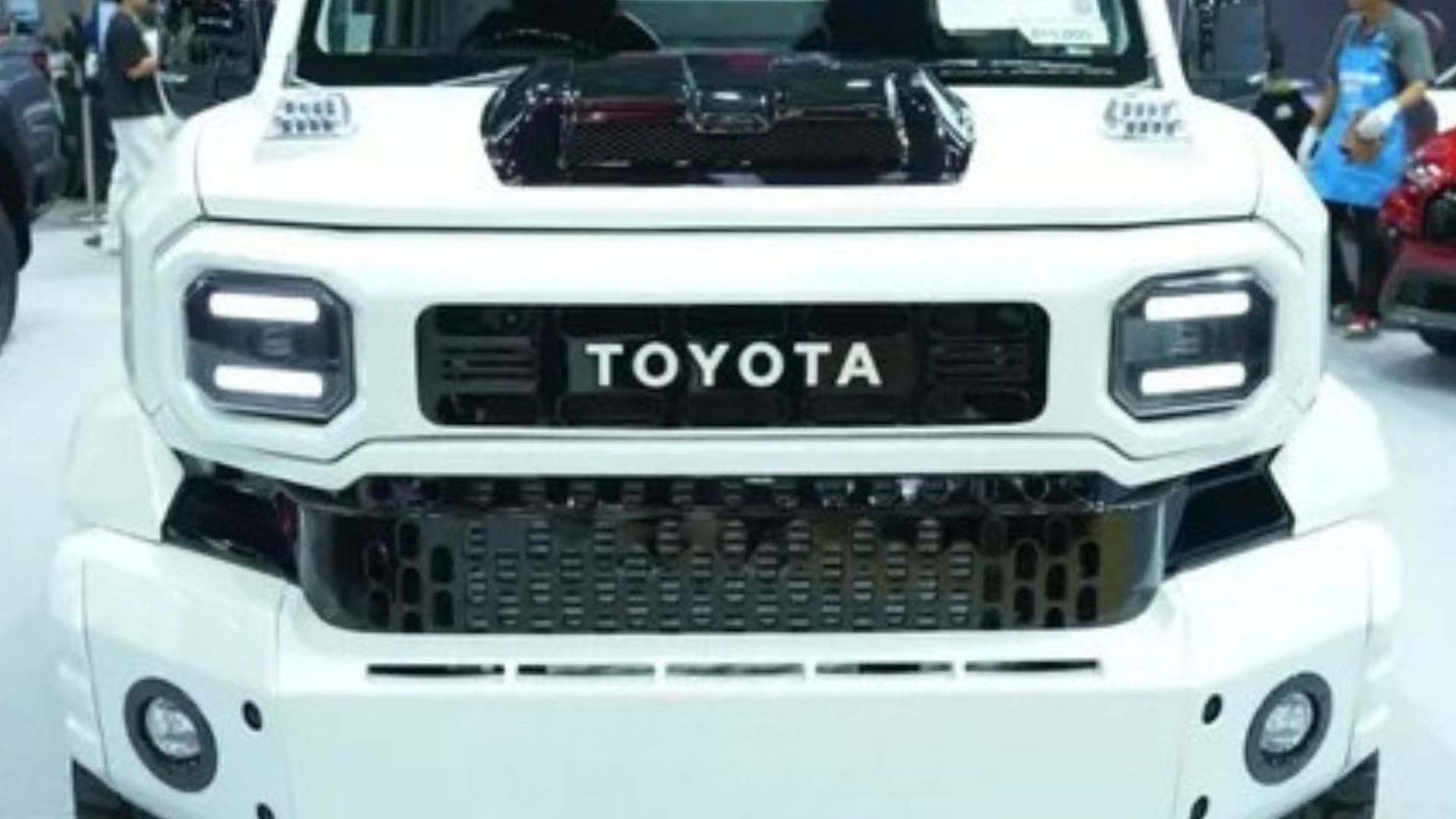
The Toyota Hilux in the truck version features a design inspired by the Mercedes-Benz G-Class: the Toyota Hilux Champ 2026 bets on a short wheelbase (SWB), lowered suspension, Brabus style kit, LED on the roof, and an affordable proposal.
-
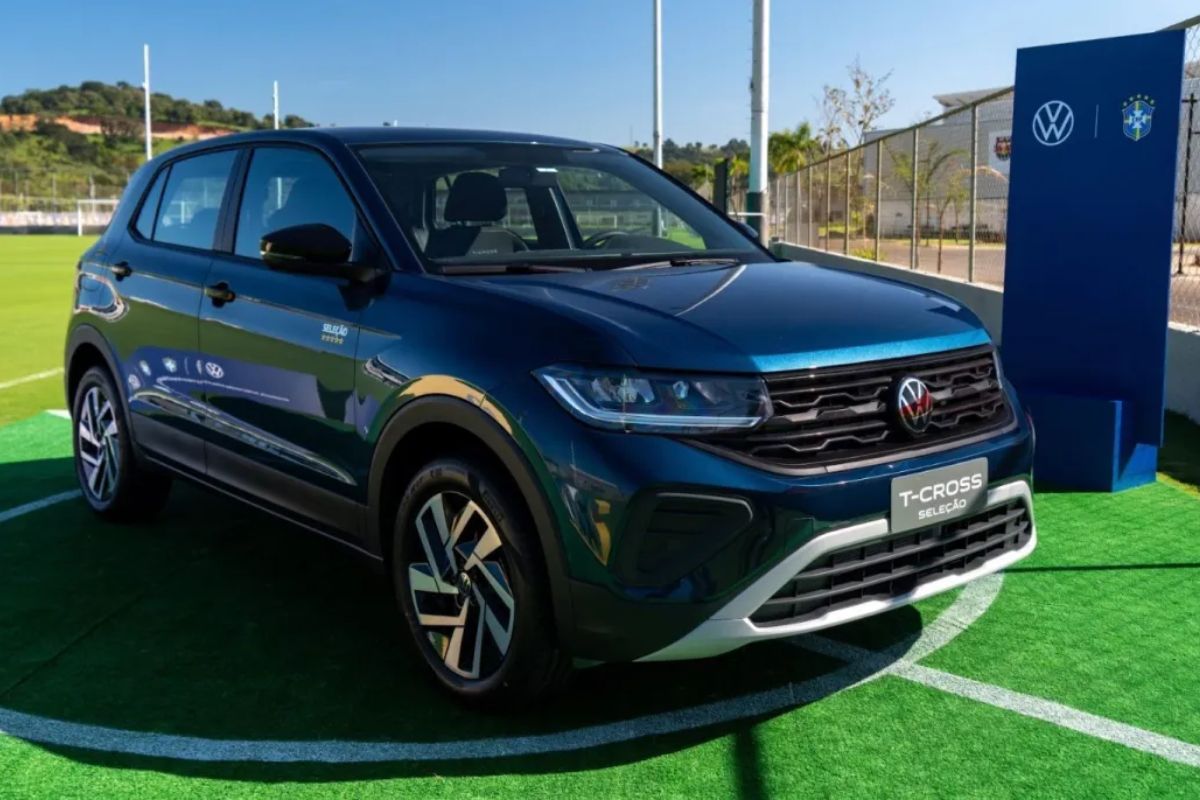
The engine that powers almost the entire Volkswagen lineup in Brazil may be nearing its end in Europe because the brand wants to simplify its range to just three engines and is already preparing the 1.5 TSI as a replacement that will also arrive in the Brazilian market.

-
China did not ask for permission and took the wheel of the global automotive industry while automakers from the US and Europe accumulated $75 billion in losses.

-
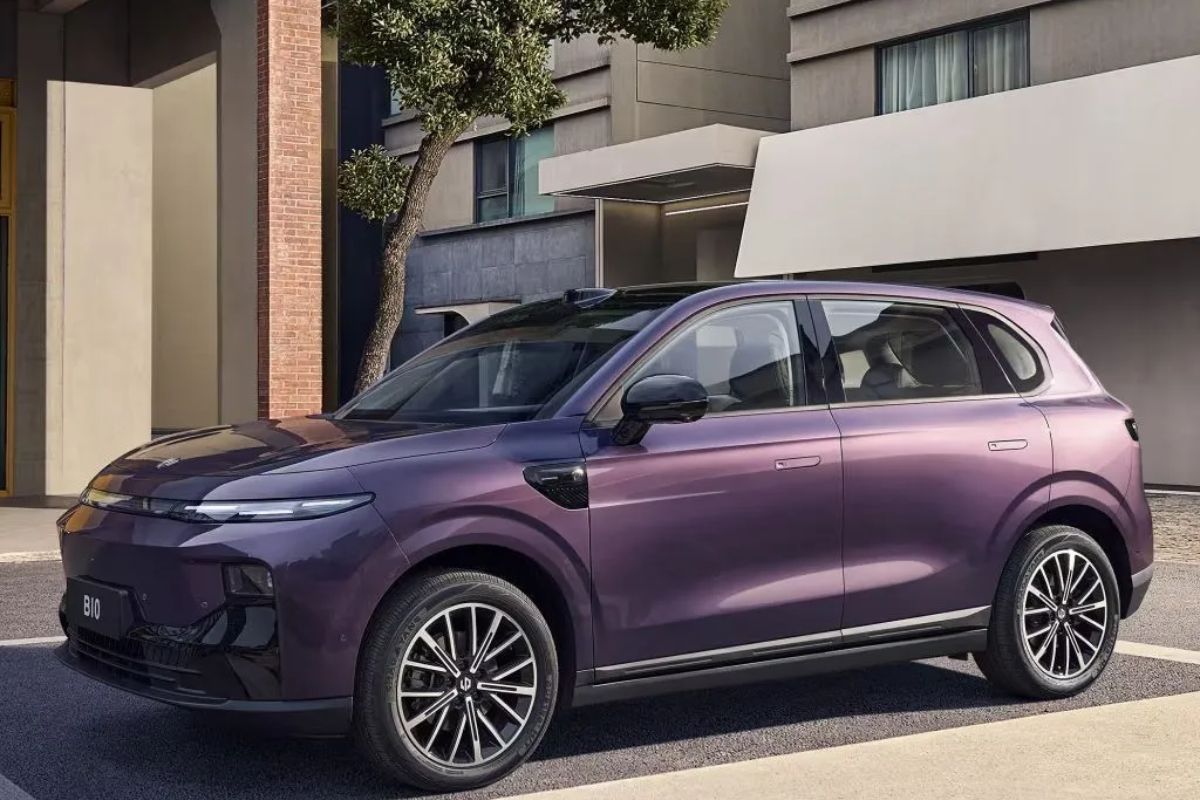
Leapmotor B10 arrives at R$ 182,990 with 218 hp, recharges from 30% to 80% in just 16 minutes, drives up to 288 km, and will also be produced in Brazil at a Stellantis factory.
Information circulating among specialized publications indicates that the future generation of the model is internally referred to by the codename F1X and is scheduled for 2028.
The proposal is to reposition Fiat’s entry car in a space more aligned with the current market, with traits of a sports utility vehicle and a size above the Mobi sold today, although still below the Pulse in the national range.
This strategic design would place the product in a range close to the ultracompact SUVs that Stellantis is also studying for other brands.
New Mobi is expected to grow and change positioning
The change helps explain why the Mobi has ceased to be treated merely as an urban hatch with minimal dimensions.
The current model built its trajectory precisely on this streamlined proposal, with measurements close to 3.60 meters in length and a wheelbase of 2.30 meters, numbers that favor use in the city but impose clear limits on internal space and commercial positioning.
The next generation, according to published reports, would advance beyond this level to gain more presence and better cabin utilization.
This repositioning does not arise in isolation.
Fiat has already confirmed that it will have five new products in Brazil by 2030, in an offensive that marks the renewal of the brand’s portfolio throughout the second half of the decade.
Global CMP platform and integration between markets

In parallel, the manufacturer has been reinforcing abroad the strategy of a global family of compacts supported by the so-called Smart Car Platform, a multi-energy base from Stellantis that debuted in Europe with the Grande Panda and was presented by the company itself as a global foundation for new vehicles from the brand.
It is in this context that the future Mobi is mentioned as part of a larger logic, and not just as a direct successor to the current car.
The platform mentioned in the reports is the same family of global architecture that supports the reorganization of Fiat’s compacts, allowing for the creation of hatchbacks, SUVs, and other derivatives with broader technical sharing.
For the manufacturer, this type of integration reduces development costs and brings closer the programs aimed at Latin America and Europe.
In practice, the market reading is simple.
A subcompact with a very basic proposal has lost some of its appeal in a scenario where even entry models try to offer a higher driving position, adventurous look, and better perception of space.
Therefore, the future Mobi tends to move away from the image of a strictly cheap and small car to assume an identity closer to that of the so-called mini-SUVs.
Fiat’s timeline may change by 2029
What already appears as a more solid fact, within the published investigations, is that the new project would not be a simple facelift or a punctual update of the current base.
The transformation would involve structure, dimensions, and positioning.
This reading also helps dispel the hypothesis that the new Argo would alone absorb the function of replacing both the hatch and the Mobi in the Brazilian market.
With the F1X in development, Fiat would preserve two distinct entry levels in the range.
The eventual arrival of the new Mobi also affects the timeline that had been associated with the renewal of Fiat’s main compacts.
The latest reports indicate that the entry of the F1X in 2028 would require a rearrangement of the estimated dates for the Pulse, Fastback, and Strada.
In this scenario, the Pulse could appear earlier, the Fastback would be postponed, and the Strada would have its program revised within the same window.
Global strategy and relevance of the Mobi in Brazil

It is worth making an important distinction.
Fiat has publicly confirmed the launch offensive until 2030, but did not detail, in official communications, the nominal sequence of these products nor formally associated the name Mobi with the codename F1X.
This means that the existence of a deep renewal for the model and the exact debut calendar remain in the realm of behind-the-scenes investigations.
Even so, the industrial backdrop makes this type of movement coherent with the strategy already assumed by the brand.
Fiat described the Grande Panda as the first member of a new global family supported by a flexible platform intended for various markets.
If this reasoning is fully applied to the Brazilian operation, the trend is that the next national compacts will share more structural solutions.
There is another relevant point in this process.
The Mobi continues to hold commercial weight in Fiat’s Brazilian operation, even though it operates in a leaner segment of the market.
In 2025, the brand reported that the model finished the year among the ten best-selling vehicles in the country.
This performance helps to understand why the manufacturer might prefer to reinvent the name instead of simply abandoning it in the renewal of the lineup.
If Fiat confirms this path in the coming years, the Mobi will cease to be just a car marked by minimal size and urban appeal to assume a broader function within the national lineup.
Instead of disappearing under the shadow of the new Argo, the model tends to reappear with a different scale, another technical base, and another commercial mission.






Seja o primeiro a reagir!