





 Portuguese
  English
  Spanish
  5 min of reading
  0 comments


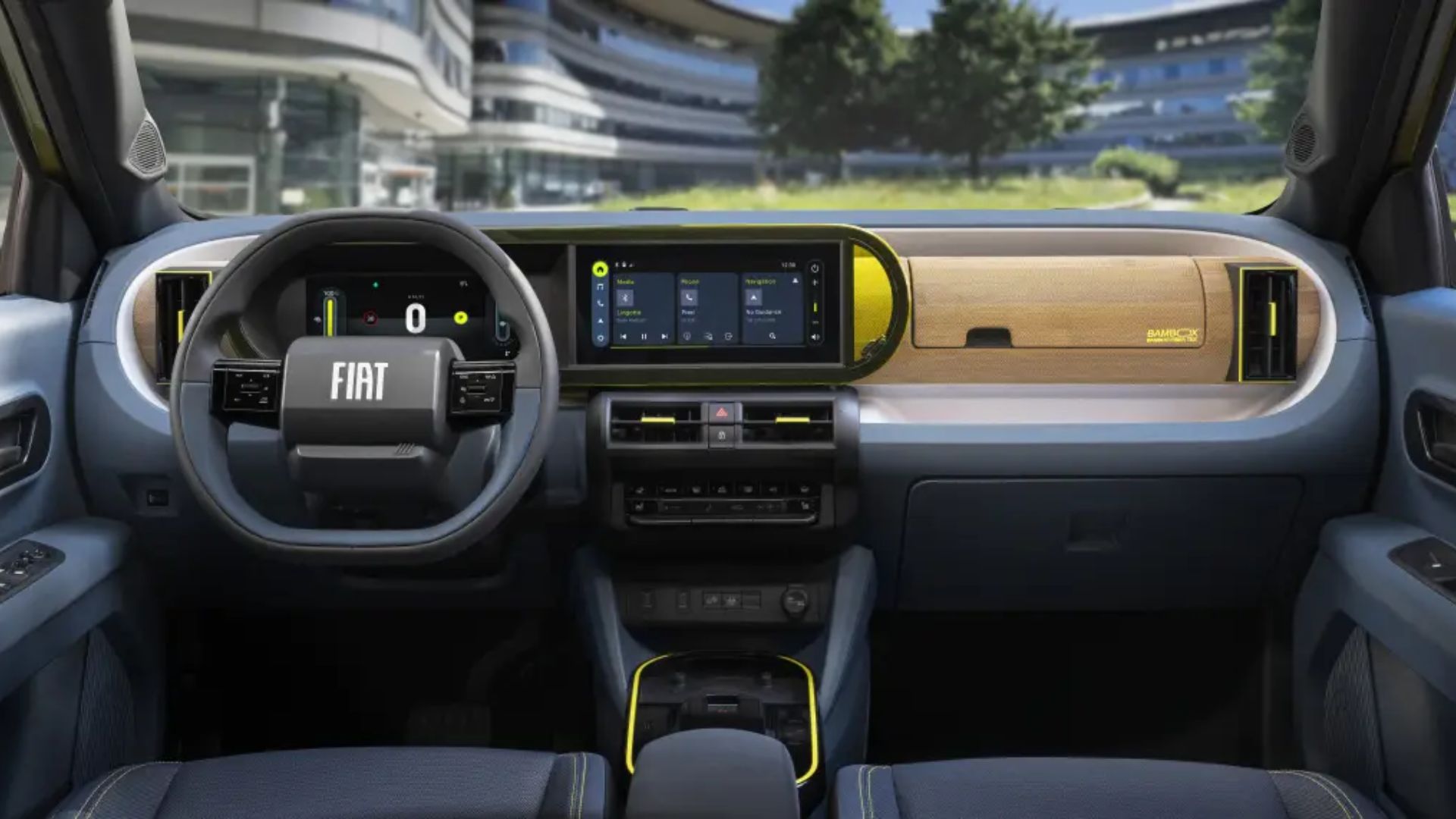
New Fiat Hatch Will Be Inspired by the Great Panda, Will Have a Hybrid Engine of Up to 130 HP, and Will Mark the Debut of the CMP Platform in Betim, Giving Rise to Pulse, Fastback, and Strada in a New Generation of Models.
The Fiat has confirmed that it will launch a new hatch to fill the gap left by the Uno in Brazil, featuring a hybrid setup of up to 130 HP, 20.4 kgfm of torque, and a CVT transmission.
The model adopts the look of the Great Panda and kicks off a series of launches expected to occur between 2026 and 2030, during which the brand promises to unveil five national cars.
First of Five Launches and Base of New Family
According to the manufacturer, in information published this Wednesday (17) by the Auto Segredos portal, the plan includes five local debuts throughout the 2026–2030 cycle.
-
A French brand placed a car on four huge red balloons to prove that its suspension made the vehicle “float,” and the surreal scene became one of the most iconic and unusual images in automotive history.

-
Jeep Avenger begins production in Brazil, debuting as the brand’s new entry-level SUV and inaugurating an unprecedented phase by becoming the first national Jeep manufactured outside of Goiana, as part of a R$ 3 billion plan.
-
Costing R$ 12,490, the new Shineray Urban Lite 150 “cheap one” arrives in Brazil with a CVT transmission, digital dashboard, and LED lights, making it more affordable than the Biz and targeting those who want to abandon the bus.
-
Ducati brings to Brazil the Superleggera V4 Centenario: 228 hp that become 247 with a track kit, carbon fiber and carbon-ceramic brakes, estimated price between R$ 1.5 and 2 million, deliveries only in 2027.

The first product will be the hatch designed with inspiration from the Great Panda, paving the way for a new family of compact cars and utilities.
From it will be born the next generations of Pulse, Fastback, and Strada, consolidating the offering across different price ranges and uses.
The Toro will have its own evolution and will switch to the STLA Medium architecture, which is more suitable for a medium utility vehicle.
Platform and Production in Betim
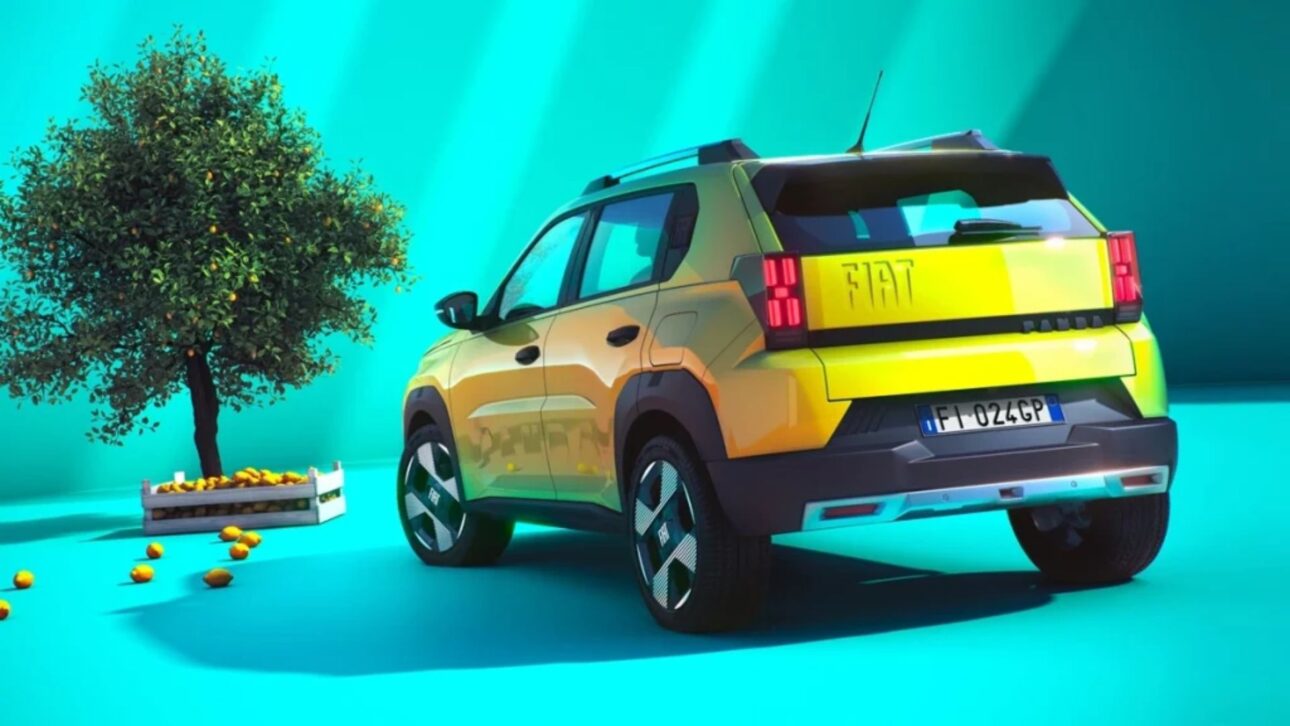
The hatch will mark the debut of the CMP platform in Betim (MG). This base, more modern than the current entry-level platforms used by the brand in the country, allows for the adoption of mild electrification and better integration of safety equipment.
Thus, the local lineup will gain technological breath and flexibility for derivatives, reducing development costs and standardizing manufacturing processes.
Scheduled Timeline and Reorganization of the Line
The industrial planning indicates production beginning in September 2026 and a public presentation in October of the same year.
As soon as the new generation — internally referred to as the evolution of the Argo — enters the line, the current Argo is expected to end its cycle.
The Mobi will remain in production for a longer time, continuing its role as the entry-level model of the brand in simplified versions.
Similarities and Differences Compared to the European Panda
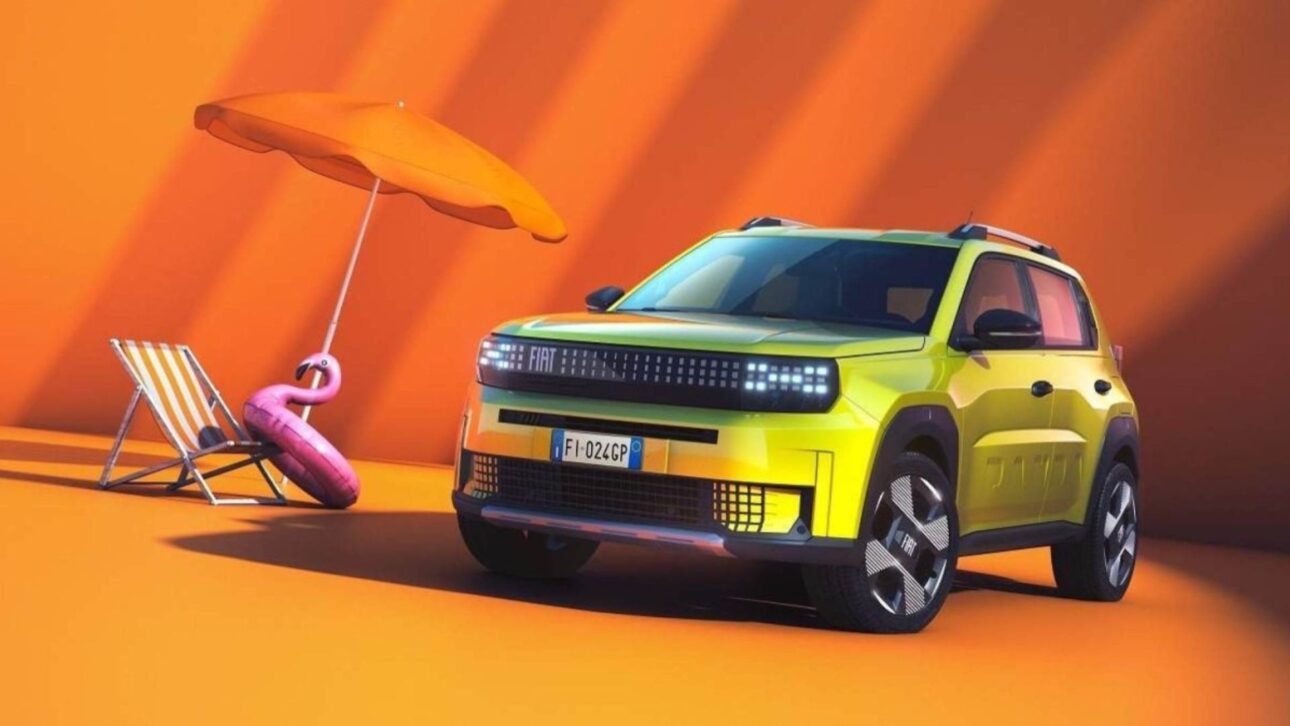
Although the design follows the language seen in the Great Panda, the Brazilian car will have exclusive solutions.
The doors will not bear the model name, a stylistic feature applied in Europe.
The trunk lid will be redesigned for our market, and the front bumper will adopt its own shape to meet local regulations and optimize approach angles.
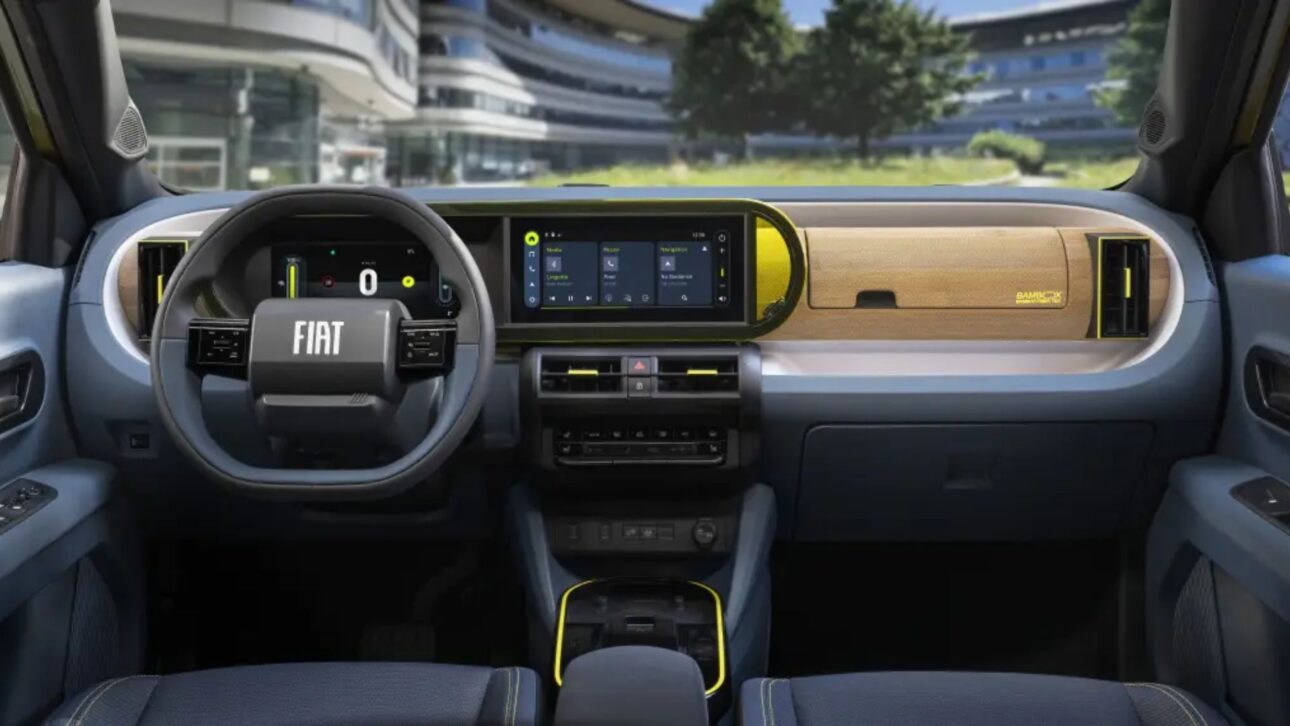
Inside, there will be adjustments to finishes and materials, but the overall setup will remain close to the original concept in terms of proportions and ergonomics.
Mechanics: 1.0 Firefly and Mild Hybrid System
The range will combine an entry-level engine and a mild hybrid option.
In the basic versions, the well-known 1.0 Firefly will continue with 71 HP and 10 kgfm with gasoline and 75 HP and 10.7 kgfm with ethanol, always coupled to a five-speed manual transmission.
To meet emissions standards and reduce consumption, the engine will be updated in its calibration, while maintaining the proposal of low maintenance costs.
Above it, the more expensive configurations will feature the MHEV (mild-hybrid) system that associates a multifunctional electric motor with the T200 thermal engine.
The setup delivers 130 HP with ethanol and 125 HP with gasoline, along with 20.4 kgfm of torque with both fuels.
The transmission will be CVT with simulation of seven gears, a solution that prioritizes smoothness and efficiency in urban use without compromising linear responses during accelerations.
Positioning: Successor to the Uno with Urban Focus
In practice, the new hatch fills the space that the Uno occupied for decades: an urban car, economical and easy to maintain.
The difference now is the mild electrification, which adds efficiency and improves drivability in heavy traffic.
The design inspired by the Great Panda contributes to a perception of robustness, while the CMP platform enables packages of driver assistance and connectivity compatible with current requirements.
Industrial Impact and Portfolio Strategy
Installing the CMP in Betim represents a central step for regional competitiveness.
The standardization of architecture between hatch, SUV, and pickup favors the scale of components and facilitates the adoption of new active safety and connectivity features throughout the lifecycle.
Additionally, the migration of the Toro to the STLA Medium clearly separates the bases for compact and medium vehicles, allowing for specific technical evolutions for each segment without excessive compromises.
What Changes for Pulse, Fastback, and Strada
The hatch will serve as a technological hub for the update of Pulse and Fastback, which are expected to inherit mild electrification in higher versions and gain structural reinforcement and acoustic insulation.
In the Strada, the synergy with the platform allows for optimizations in comfort and safety, maintaining its vocation for light-duty work.
In all, the goal is to standardize electronics and software, paving the way for updates via networks and integration with after-sales services.
Visual, Finish, and In-Vehicle Experience
Even with local changes, the identity will be easily recognizable. Elevated headlights, clean volumes, and generous glass areas reinforce the practicality proposal.
Inside, the expectation is for a panel with horizontal lines, a prominent multimedia center, and a good number of storage compartments.
Adjustments in texture and upholstery will aim to balance cost and perception of quality, keeping the cabin functional and suitable for daily use.
What to Expect from Versions and Equipment Deliveries
The brand’s usual strategy suggests entry-level versions with air conditioning, power steering, electric windows, and locks, as well as stability control and hill start assist.
The hybrid options are likely to concentrate features such as cruise control, rearview camera, and alloy wheels, as well as ADAS packages compatible with the platform.
The CVT transmission will be reserved for configurations with mild electrification, maintaining a lower cost proposition in the 1.0 manual.
With the advancement of mild electrification in compacts and the standardization of platforms, the successor to the Uno arrives to compete in one of the most crowded niches in the country with a focus on efficiency and urban robustness; in this scenario, what features do you consider essential in an entry-level hybrid hatch?








-

-

-

-

4 pessoas reagiram a isso.