





 Portuguese
  English
  Spanish
  4 min of reading
  0 comments


Those who drive daily know that choosing the right car makes all the difference. Between maintenance costs, fuel consumption, and comfort day-to-day, the decision cannot be based solely on the sticker price. In this scenario, the comparison between Fiat Mobi and Renault Kwid is inevitable, as both emerge as compact and economical alternatives, especially for those seeking the best for rideshare drivers. But after all, which one really delivers more advantages?
Better for Rideshare Drivers: The Choice Begins with Consumption
When it comes to fuel economy, both the Mobi and the Kwid stand out. The Renault Kwid has always been remembered as the “SUV of compact cars” by the brand, but its real strength lies in its low consumption. On average, it can achieve around 15 km/l with gasoline in urban settings, a figure that pleases those who drive long hours in congested areas.
The Fiat Mobi is not far behind. Despite being slightly heavier and having a more robust design proposal, it maintains competitive consumption, ranging between 13 and 14 km/l with gasoline. When it comes to ethanol, the difference between the two tends to widen, with the Kwid taking the edge. For rideshare drivers, this savings at the end of the month can mean several hundred reais saved.
-
A French brand placed a car on four huge red balloons to prove that its suspension made the vehicle “float,” and the surreal scene became one of the most iconic and unusual images in automotive history.

-
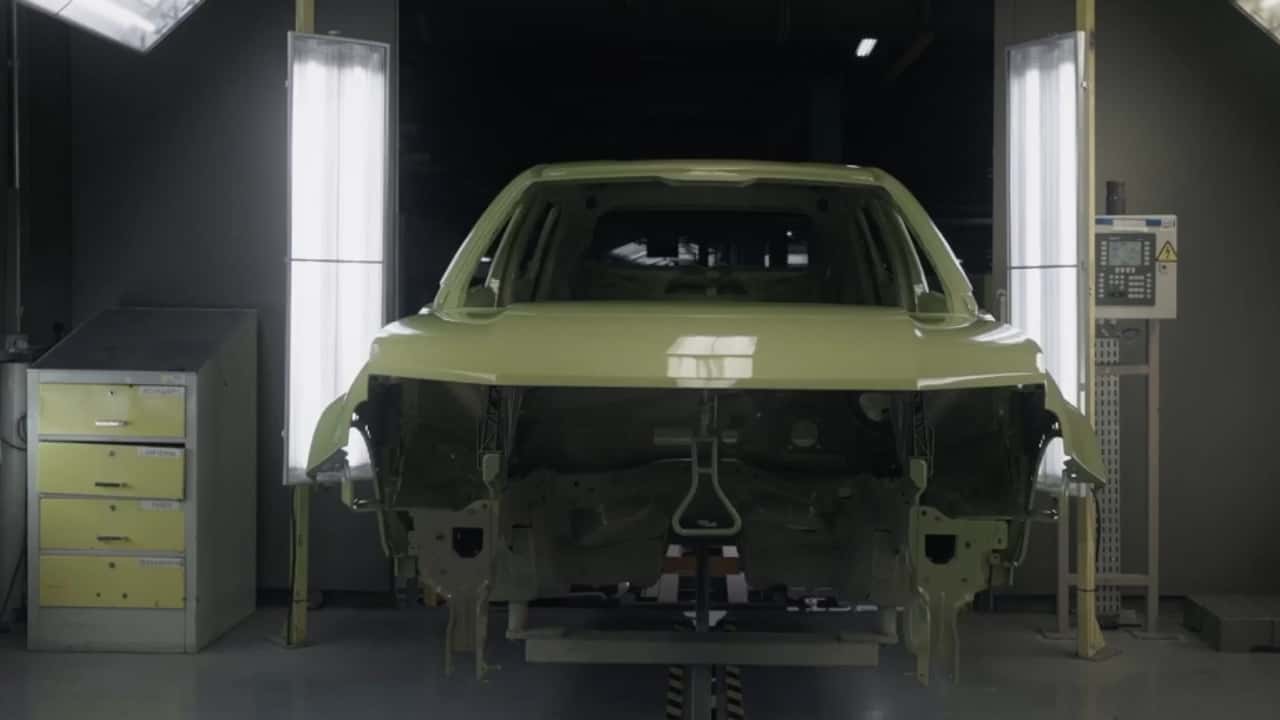
Jeep Avenger begins production in Brazil, debuting as the brand’s new entry-level SUV and inaugurating an unprecedented phase by becoming the first national Jeep manufactured outside of Goiana, as part of a R$ 3 billion plan.
-
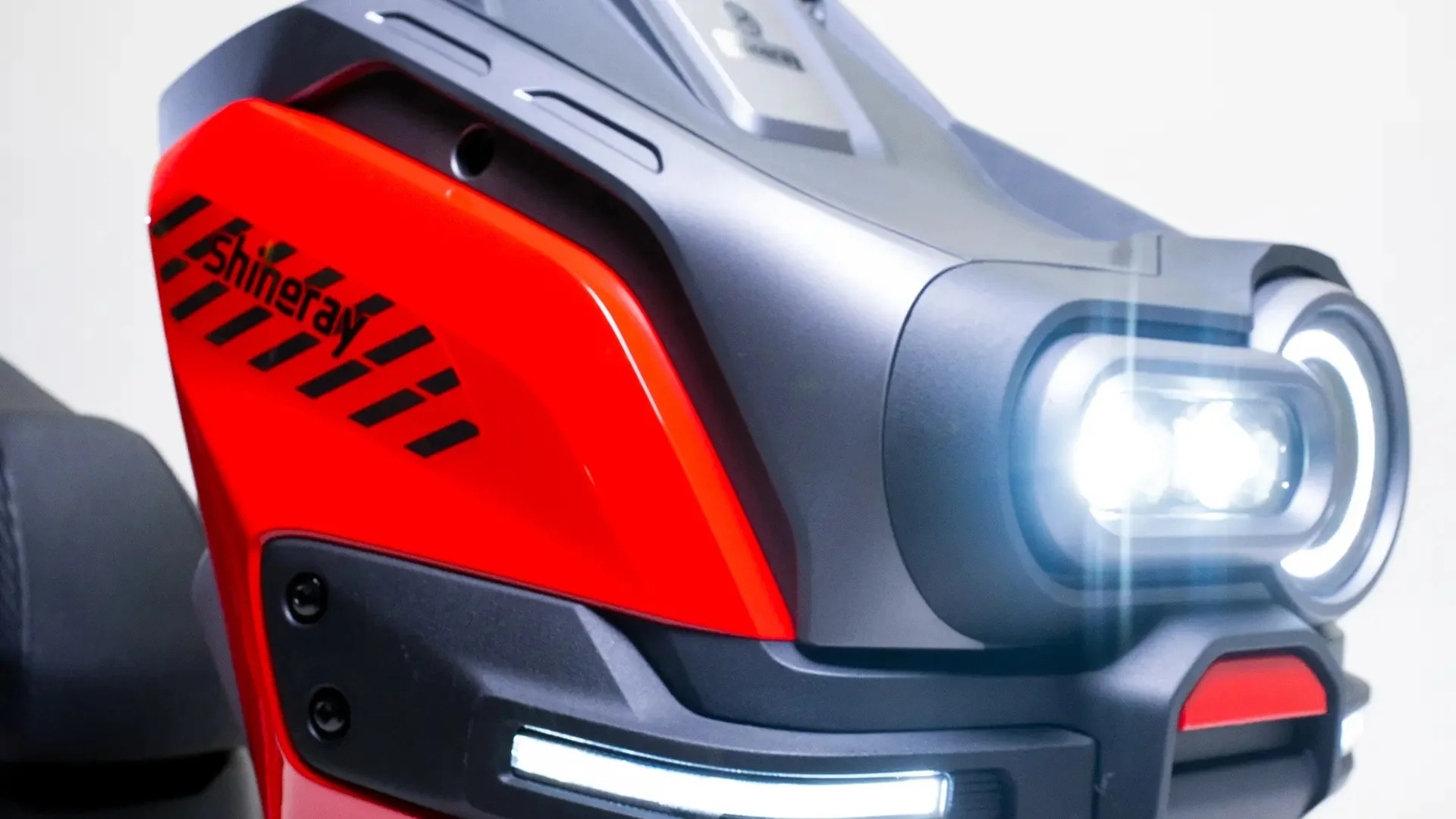
Costing R$ 12,490, the new Shineray Urban Lite 150 “cheap one” arrives in Brazil with a CVT transmission, digital dashboard, and LED lights, making it more affordable than the Biz and targeting those who want to abandon the bus.
-
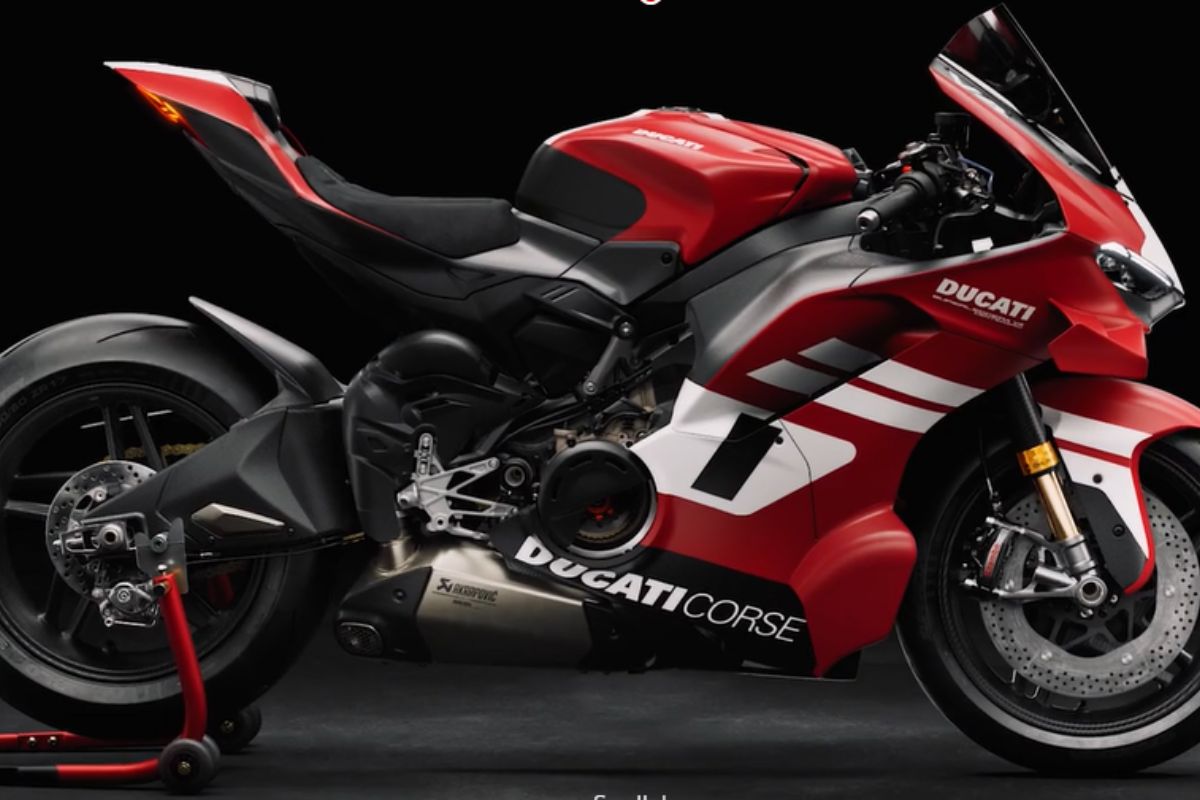
Ducati brings to Brazil the Superleggera V4 Centenario: 228 hp that become 247 with a track kit, carbon fiber and carbon-ceramic brakes, estimated price between R$ 1.5 and 2 million, deliveries only in 2027.

Internal Space: Comfort Limit for Passenger and Driver
Here lies a sensitive point. Both the Fiat Mobi and the Renault Kwid are compact cars by excellence, designed to navigate well in cities, park anywhere, and cost little. This, on the other hand, reflects in the internal space.
The Kwid offers a slight advantage for those sitting in the back, with greater ground clearance and a slightly airier cabin feel. The Mobi, even with a 200-liter trunk, still falls short on space for larger luggage, which could limit airport runs or passengers with more bags.
For rideshare drivers operating mainly in central areas and making short trips, this limitation doesn’t weigh too heavily. But if their work involves areas with high demand for airport transfers, both may not be ideal—still, the Kwid provides a bit more versatility.
Driving Comfort: Details That Make a Difference
Those spending eight, ten, or even twelve hours behind the wheel notice details that a casual buyer may overlook. The Fiat Mobi, for example, features a firmer suspension that’s stable in curves, along with a driving position that appeals to those who enjoy a sense of control. The downside is that, on uneven surfaces, the harsh impact of the suspension can feel tiring over the long term.
The Renault Kwid bets on a lighter and more practical driving experience, with a smooth clutch and progressive electric steering, making maneuvers in heavy traffic easier. For rideshare drivers needing agility between narrow streets, this feature can be a deciding factor.
Maintenance and Insurance: Who Weighs Less on the Budget
The cost of maintenance and insurance is one of the central factors in choosing the most suitable car. The Renault Kwid offers affordable fixed-price maintenance and, being lighter, tends to wear out some components less. However, in regions where the Fiat network is more established, the Mobi may be more advantageous due to easier access to parts and workshops.
In terms of insurance, both remain at similar levels, varying according to the driver’s profile. Still, in some capitals, the Kwid may show slightly lower rates.
Technology and Connectivity: Small Differences
Both models offer basic features, but the Kwid has an advantage in the latest versions with intuitive multimedia systems, integration via Android Auto and Apple CarPlay, and additional USB ports. For rideshare drivers, who often use two phones (one personal and another for rides), this detail can be very helpful.
The Mobi, on the other hand, maintains a simple package with good ergonomic solutions, but lacks many technological differentiators.
Cost-Benefit: Who Delivers More for the Investment
When it comes to purchase, the initial price weighs heavily. The Renault Kwid generally presents a more competitive price, as well as lower consumption. The Fiat Mobi, on the other hand, compensates in resale: its depreciation is less in several regions of Brazil, which can be a crucial factor for those who change cars within shorter timeframes.
For rideshare drivers who scrutinize every cent, the Kwid may seem like the more logical choice in the short term. But those considering resale may see the Mobi as providing a better return.
So, Who Is Better for Rideshare Drivers?
If the priority is fuel economy, agility in urban traffic, and a lower initial cost, the Renault Kwid has the upper hand. On the other hand, if the focus is on greater driving stability, extensive maintenance network, and resale value with less loss, the Fiat Mobi becomes a more interesting ally.
Ultimately, the answer to who is better for rideshare drivers depends on the driver’s profile. Those mainly driving in short urban areas and looking to reduce monthly expenses may fare better with the Kwid. Meanwhile, those valuing robustness, drivability, and resale value might choose the Mobi without hesitation.
More than just choosing between Fiat and Renault, the key lies in analyzing how much the car will impact daily work. After all, being a rideshare driver is transforming the car into a source of income, and in this game, every detail matters.









Seja o primeiro a reagir!