





 Portuguese
  English
  Spanish
  5 min of reading
  2 comments


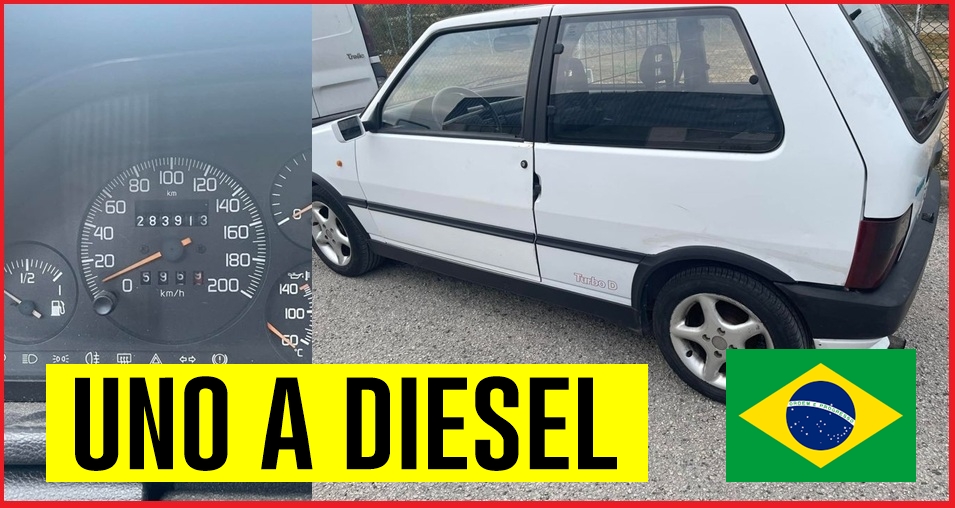


The Fiat Uno Diesel Was a Special Version That Won Over Many Drivers for Its Economy and Performance. Discover the Story of This Little-Known Model and Learn Why It Became a Success in Several Countries, Leaving a Significant Mark on the Automotive Market.
The Fiat Uno is one of the most iconic models in global automotive history, especially in Brazil, where it won over a legion of fans.
Since its launch in 1984 in the country, the model became synonymous with economy, practicality, and durability. However, before its launch in Brazil, a Fiat Uno Diesel was already a success throughout continental Europe.
Its story goes far beyond the national market and involves a surprising connection with Brazil even before its official debut here.
-
The car stored for 38 years: when opening the barn door, what appears is breathtaking and looks like a scene from a movie!

-
Fiat works miracles in the Brazilian market, lowers the price of its 0 km hatch to R$ 69,990, reestablishes the model as the cheapest car in the country, and reignites the battle against Kwid and C3.
-
Chevette with cooking gas: How the gas cylinder ends up being used in cars clandestinely and why this makeshift solution can result in leaks, explosions, damaged engines, and seized vehicles.

-
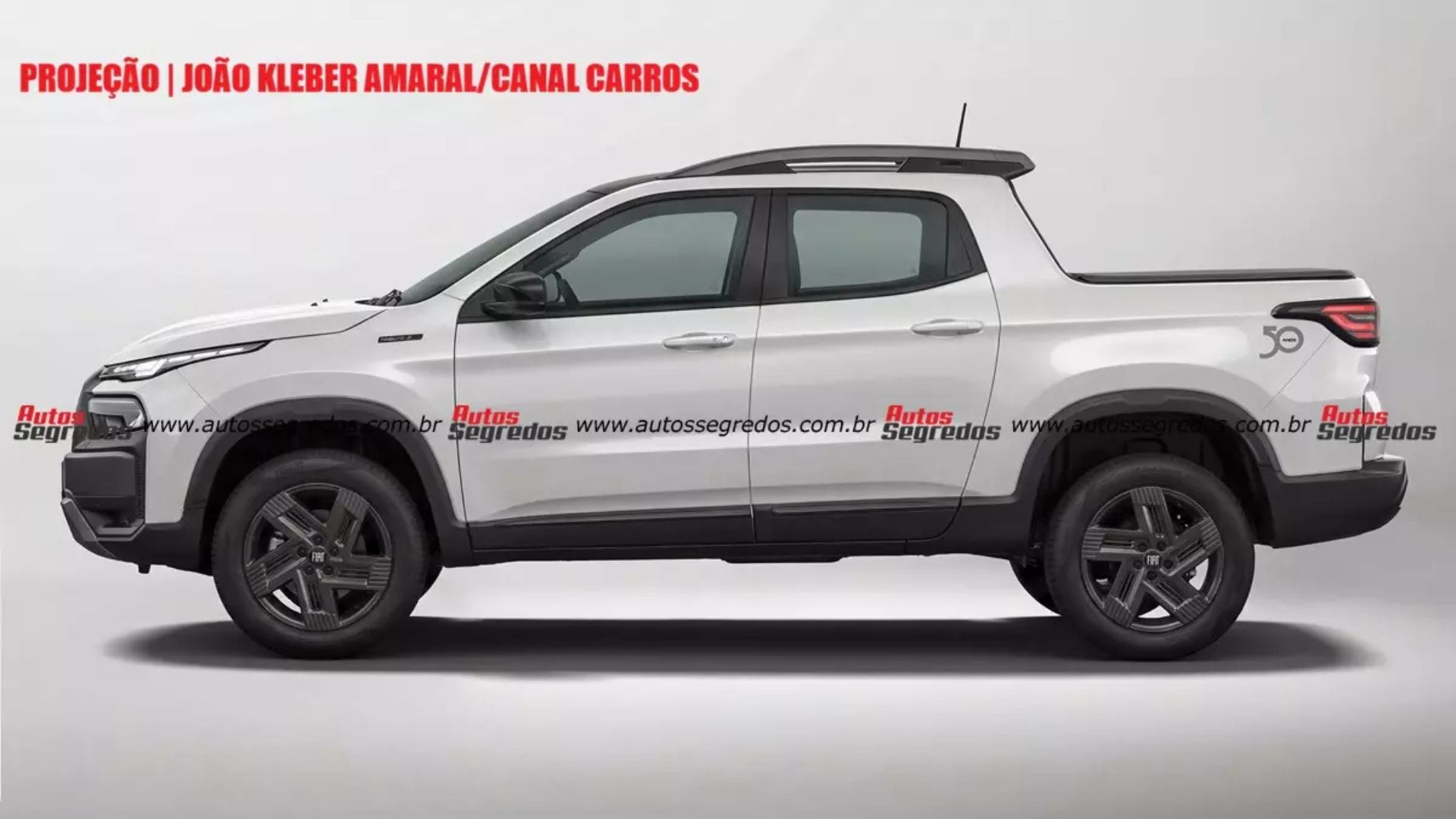
Fiat launches the new 2027 Toro hybrid with 48V, 176 hp, an electric motor of 15.5 hp, a 0.85 kWh battery, up to 7% fuel savings, 8% fewer emissions, and possible exemption from IPVA.

Read until the end to learn the entire journey of the Fiat Uno, with a special focus on the Fiat Uno Diesel, its unique connection with Brazil.
The Beginning of the Fiat Uno in Europe
The Fiat Uno was introduced to the European market in 1983, as a compact hatch that promised efficiency and modernity. Initially, the model was launched in two versions: Uno 45 and Uno 55, equipped with gasoline engines of 0.9 liters (45 hp) and 1.1 liters (55 hp), respectively.
Later, other engine options were introduced, such as the Uno 70, with a 1.3-liter engine producing 70 hp, and the Uno D, the diesel version, equipped with a 1.3-liter engine producing 45 hp.
The design of the Fiat Uno, designed by the renowned Italdesign studio of Giorgetto Giugiaro, drew attention for its aerodynamic shape, which offered efficiency in fuel consumption.
The innovative proposition made the model an instant success in Europe, especially in countries like Portugal, where its diesel version was very popular.
Fiat Uno Diesel

One of the most curious stories about the Fiat Uno is its relationship with Brazil before its launch in the country.
The 1.3 diesel engine used in the Uno D and DS models in Europe was manufactured exclusively in Brazil, at Fiat’s plant in Betim, Minas Gerais.
This peculiarity placed Brazil at the center of a global operation, where engines were exported to Italy and installed in the vehicles directly on the assembly line of the Mirafiori factory.
Brazil was the only country in the world with the technical and production capacity to manufacture this diesel engine.
This was because it was derived from a 1.050 gasoline engine that was already being produced locally.
Even with the prohibition of passenger vehicles powered by diesel in the Brazilian market, Fiat found a way to leverage its factory in Betim as an export center.
In addition to the Uno, other models such as the Fiat 127 and the Panorama also used the Brazilian engine in their diesel versions.
Why Produce Diesel Engines in Brazil?
Fiat’s decision to produce diesel engines in Brazil was strategic and economic. The Brazilian subsidiary had excess production capacity, unlike the Italian headquarters, and already mastered the manufacturing of similar engines.
Moreover, Brazilian diesel engines stood out for their robustness and efficiency, fundamental characteristics to meet the demands of the European market.
The engines manufactured in Betim did not undergo technical changes when installed in exported vehicles, which facilitated the logistical process and kept costs competitive.
An official statement from Fiat in 1983 highlighted that the export of these engines would generate revenue of around US$ 300 million, consolidating the operation as one of the most important for the automaker in Brazil.
Fiat Uno Diesel: Economy and Efficiency
The Fiat Uno Diesel, equipped with the Brazilian engine, offered unique characteristics in the European market. With 45 hp of power, performance was not the model’s strong suit, especially due to the additional weight of the engine, which made the car 100 kg heavier than its gasoline versions.
However, fuel consumption efficiency was impressive, reaching figures of up to 28 km/l under ideal conditions.
This economy made the Uno Diesel a popular choice among consumers looking for an affordable and reliable vehicle for daily use.
The diesel version was available until 1986, when Fiat introduced new engines produced in Italy, such as the 1.7 with 58 hp and a 1.4 turbo version with an intercooler that offered up to 70 hp of power.
The Arrival of the Fiat Uno in Brazil
The Fiat Uno officially arrived in Brazil in 1984, marking the beginning of a success story in the country. With versions adapted to local needs, the model quickly conquered the Brazilian market.
In 1990, the Fiat Mille emerged, a variant with a motor of less than 1,000 cc, created to meet the demand for popular vehicles. This model became one of the best-selling in the country, thanks to its economy, simplicity, and durability.
In Brazil, the Uno stood out as an accessible and versatile vehicle, used by both families and businesses.
Its production continued for decades until it was halted in 2013 after numerous updates.
In 2010, Fiat launched a new generation of the Uno, designed specifically for the Latin American market, reaffirming the automaker’s commitment to the region.
Cultural and Economic Impact
The Fiat Uno played a significant role in the Brazilian economy, not only as a successful model in the local market but also as an export product.
The manufacturing of diesel engines in Betim highlighted Brazil as an important industrial hub for Fiat, generating jobs and contributing to the country’s trade balance.
Additionally, the Uno became a cultural icon, present in the popular imagination as a reliable and practical car.
Its various versions, from the basic Mille to the sporty Uno Turbo, served different audiences and reinforced the model’s identity as a democratic car.
The End of an Era and the Legacy of the Fiat Uno
The production of the Fiat Uno ended in Italy in 1995, two years after the launch of the Fiat Punto, which replaced it in the European market.
In Brazil, the model continued to be produced until 2013, and in 2021, Fiat announced the definitive end of Uno sales in the country, concluding a 37-year journey.
Despite this, the legacy of the Fiat Uno remains alive. The model is remembered as a symbol of innovation, accessibility, and global connection.
Its story, which involves Brazilian technology exported to Europe and decades of success in the national market, reflects Fiat’s ability to create a car that transcended borders and marked generations.
A Huge Success
The Fiat Uno is much more than just an automobile; it is a fundamental piece of automotive history, especially in Brazil.
From its first diesel engines produced in Betim, Brazil, to its consolidation as one of the most popular models in the country, the Uno represents the perfect combination of engineering, innovation, and cultural connection.






Ótima informação
Tenho um uno 95/96.
O nome dele é mimoso.
Só alegria