





 Portuguese
  English
  Spanish
  2 min of reading
  0 comments


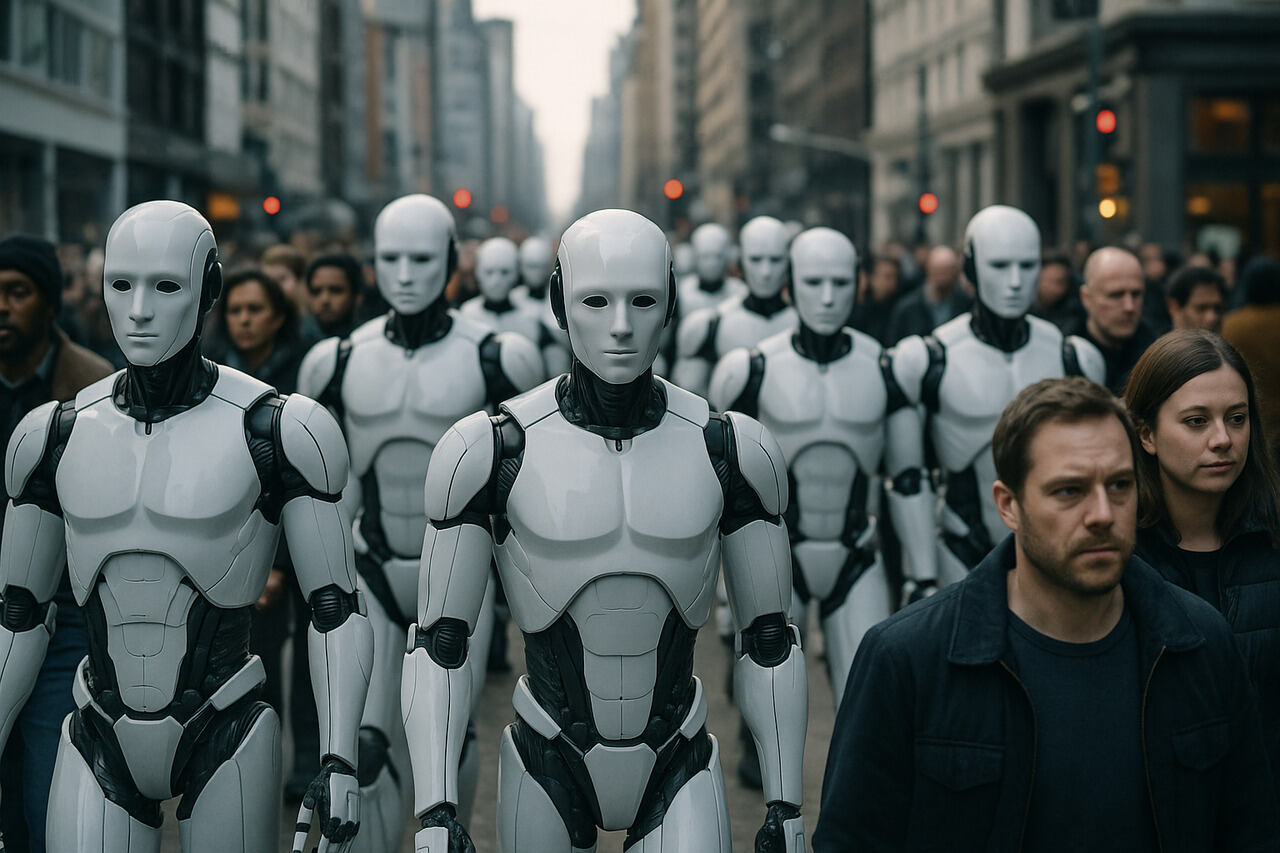
Morgan Stanley Report Predicts 13 Million Humanoid Robots by 2035, With Domestic, Industrial, and Logistic Use Growing Rapidly
The presence of humanoid robots in homes and people’s routines may happen much sooner than previously thought. A new report from Morgan Stanley indicates that by 2035, the world could have at least 13 million of these devices. A large part of them will be used to perform household tasks.
According to the document, one reason for this rapid expansion is the maintenance cost of the robots, which is expected to be around US$ 10,000 per year. This is equivalent to about R$ 54,000, an amount that can be considered competitive for many families and businesses.
Additionally, the United Nations (UN) has released an even bolder estimate. According to the agency, by 2050 the number of humanoid robots could reach one billion. If confirmed, there would be almost one robot for every 10 people on the planet.
-
No one was able to prove for over 500 years that this medieval city existed, until ground-penetrating radar mapped streets, houses, and entire structures beneath the soil of Norway, and the excavation confirmed a complete preserved city where there was once only legend.

-
In the United States, a valley 86 meters below sea level has reached 56.7°C and remains the place with the highest air temperature ever recorded on Earth, a direct result of a terrain that traps heat between high mountains in the midst of the desert.

-
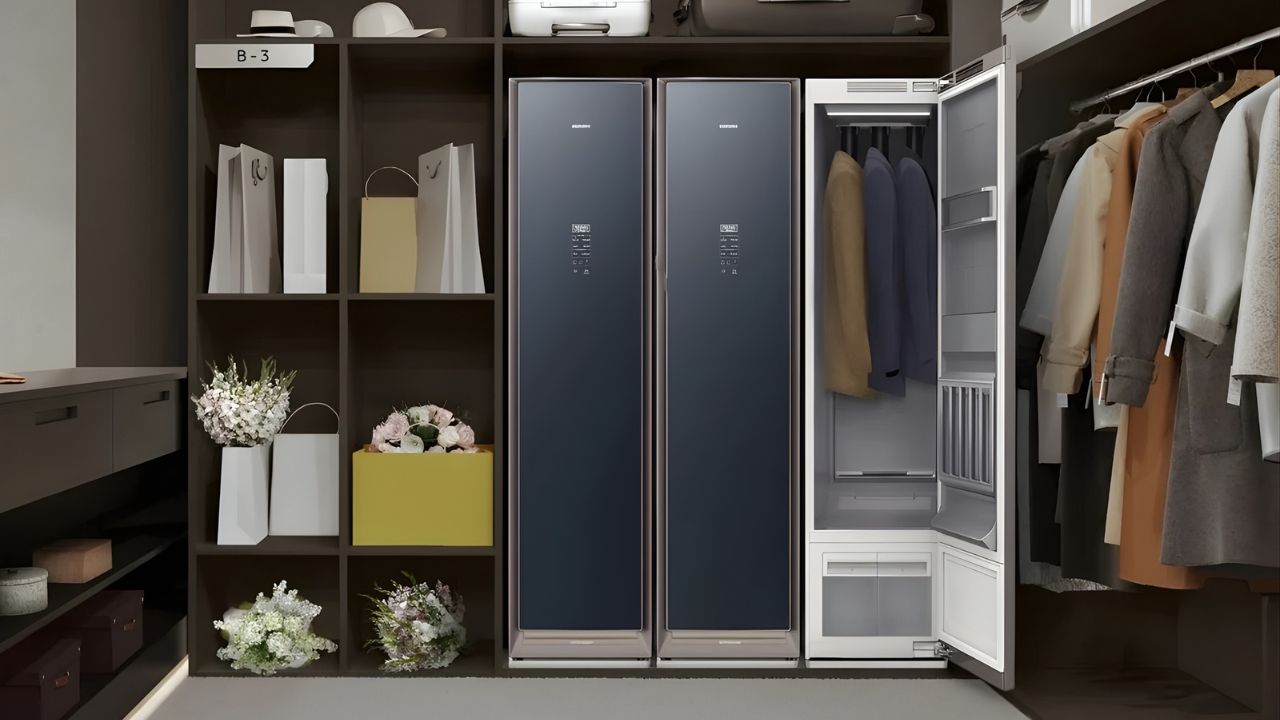
Goodbye clothes with odors from use: Samsung’s device uses high-temperature steam, eliminating up to 99.9% of bacteria, removing dust mites, and neutralizing odors directly in the wardrobe without the need for washing.
-
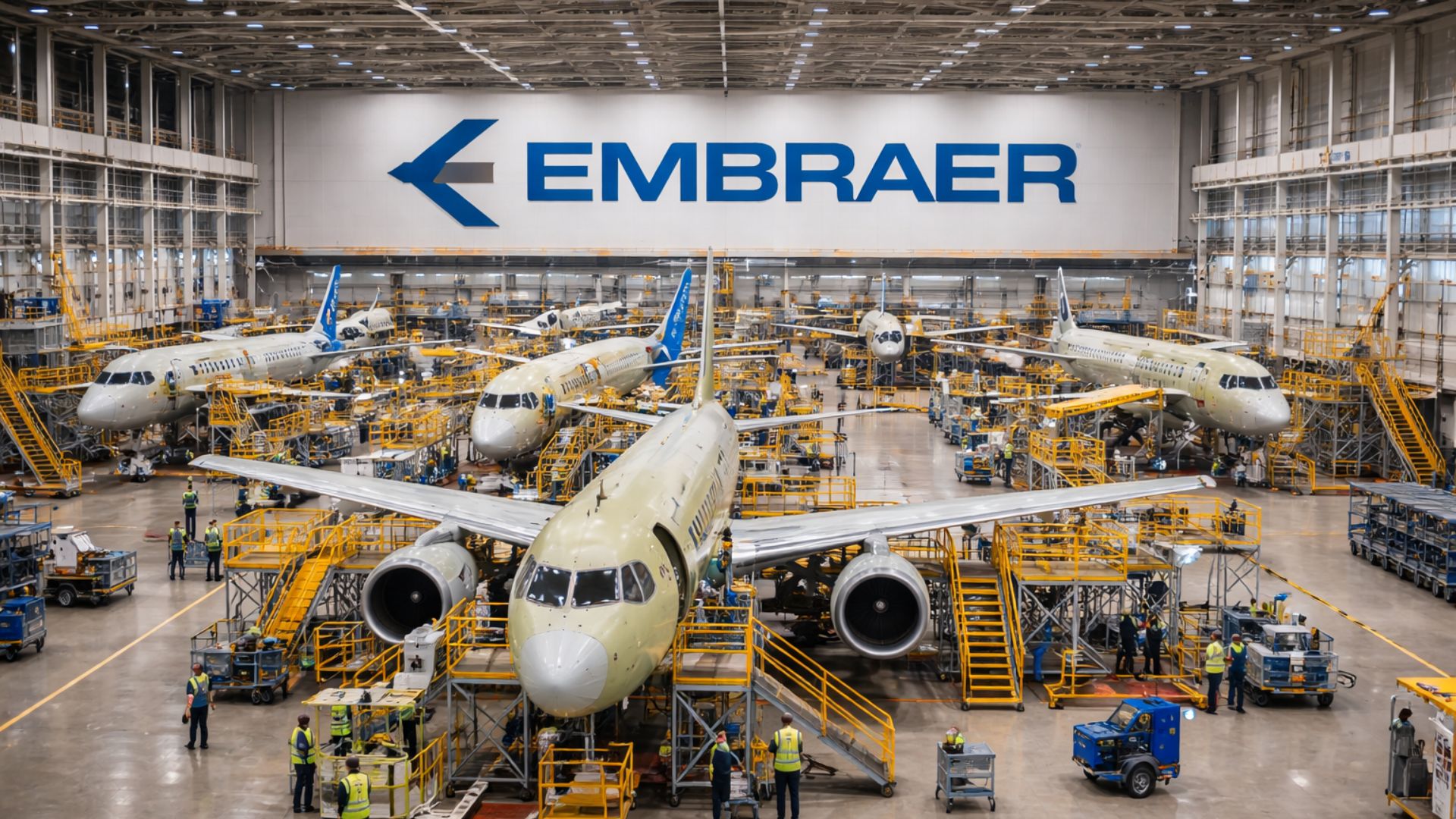
Embraer arrives in Mexico with 7 new E190-E2s in 2026, after 5 jets have already been delivered, while Mexicana surpasses 1 million passengers, plans a fleet of 20 aircraft, and expands strategic routes across the country.

Robots Are Already Used in Factories
Even before reaching homes, humanoid robots are already gaining ground in factories. Several companies in the automotive sector are testing these technologies in logistics and services activities.
BMW, Mercedes-Benz, and Hyundai are some examples. In these automakers, humanoid robots are already used to transport parts, inspect components, and move loads. The machines help speed up repetitive tasks and reduce manual efforts.
Amazon Invests in the Digit Robot
Another example is Amazon, which has been using the Digit robot in its distribution centers. The company has been replacing workers in tasks such as carrying boxes between different areas of the warehouses.
According to the data presented, the switch has allowed for increased efficiency in the sorting and movement of products.
Tesla Project Bets on the Optimus Robot
Tesla is also making strong bets in this market. Elon Musk’s company is developing the Optimus robot, which is expected to be capable of carrying objects and folding clothes.
The expectation is that these devices will be used in the manufacturing of the automaker’s electric vehicles.
It is still not possible to know exactly how daily life with robots will be. But if the predictions are correct, they will be increasingly present in homes, factories, and logistics centers in the coming years.
With information from Olhar Digital.







Seja o primeiro a reagir!