





 Portuguese
  English
  Spanish
  5 min of reading
  0 comments



New Equipment Promises Nearly Instantaneous Queries to the Traffic Database, Reducing Lines, Approach Time, and Manual Work in Blitzes.
China, one of the central countries of the BRICS, has attracted attention again by advancing the use of artificial intelligence applied to public safety and urban mobility.
In Changsha, the capital of Hunan province, traffic agents have started operating with smart glasses with AI capable of identifying vehicles and displaying data on an integrated screen in about 1 to 2 seconds, according to reports released by technology outlets and local media.
The adoption of the device was presented as a direct response to a recurring problem in large centers: slower approaches and manual checks that can cause lines, increase operational stress, and worsen traffic flow during peak hours.
-
The Argentine government celebrates the lowest poverty rate in 7 years, but experts warn that the methodology has changed, real wages have fallen, unemployment has risen, and the number of people on the streets of Buenos Aires has increased by 57% since Milei took office.

-
7.8 magnitude earthquake in Indonesia frightens the population, triggers tsunami alert, and hits an island with over 200,000 inhabitants this Thursday.

-
Google will finally let you change that embarrassing Gmail address you created in your teenage years without losing any accounts, logins, or old emails: the feature is already available in the United States.

-
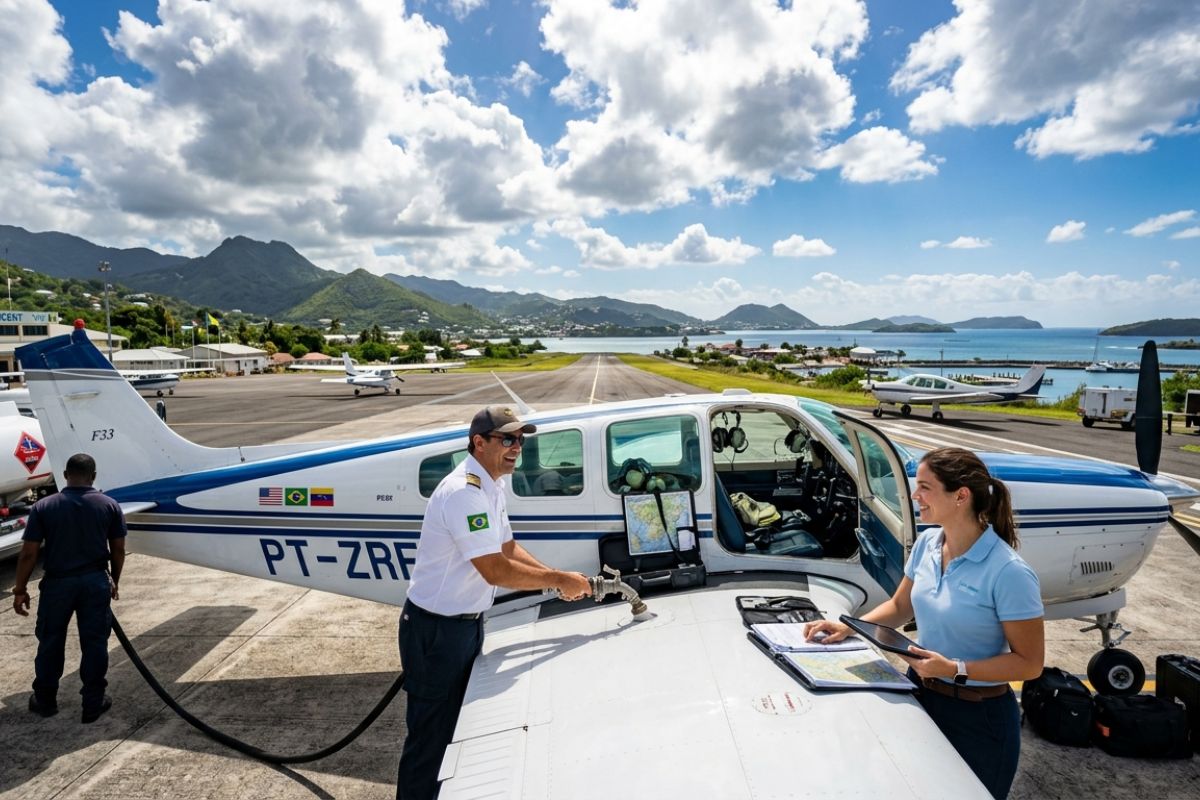
Heading to Brazil in a Bonanza F33 single-engine aircraft: a couple departs from Florida on a visual flight, makes technical stops in the Caribbean to refuel and organize paperwork, and begins the staged crossing until they reach the country.

In addition to the practical impact, this innovation reignites a global debate that also involves countries inside and outside the BRICS: where efficiency ends and where the risk of excessive surveillance and misuse of data begins.
Official Announcement in Changsha Speeds Up Traffic Police Routine
The traffic police of Changsha announced that they equipped frontline teams with the glasses, treating the tool as part of a modernization of inspection work on roads and checkpoints.

The declared focus is to gain speed in checking vehicle information, reducing long stops and lessening the need for the agent to interrupt movement to consult systems on other devices.
In local coverages, the use also appears associated with high-flow and access control scenarios, where checking plates and authorizations can cause bottlenecks when done entirely manually.
In practice, the promise is a faster and standardized approach, with immediate reading and visual feedback for the agent, which tends to reduce errors and rework in repetitive operations.
How Plate Recognition Works Offline and Then Crosses Data in Real Time
One of the most highlighted points is automatic license plate recognition, which would work even without constant connection, with an accuracy rate reported above 99% and a response time of less than one second.
The idea behind the offline mode is to ensure that recognition happens at the forefront, even in areas with unstable signals, while the full crossing with official information can occur when the connection with public safety systems is available.
After identification, the check can bring data like vehicle registration, inspection status, and infringement history, with the results appearing in the agent’s field of vision through an embedded display interface.
12 MP Camera and Battery for an Entire Shift Extend Usage in Street Operations
Reports indicate that the equipment features a wide-angle camera of 12 MP and an image stabilization algorithm aimed at capturing clear content even with the agent in motion.
This detail matters because blitzes and patrols do not happen under ideal conditions: there is rain, low lighting, strong headlights, intense flow, and constant movement of those who are inspecting.
It is also noted that the battery life can reach eight hours of continuous operation, a number designed to cover a work shift without frequent battery changes in the middle of the street.
Overall, the strategy seems to target a model where technology “goes with the agent,” instead of forcing the agent to stop to operate an external system at each approach.
Facial Recognition and Real-Time Translation Extend the Reach of the Equipment
In addition to plates, publications mention support for facial recognition, which expands the system’s capability beyond vehicles and enters the sensitive area of identifying people.
There is also reference to real-time voice translation in over 10 languages, a feature that can be useful in tourist regions, in situations with foreigners, and in occurrences where quick communication reduces tension.
Another point mentioned is the possibility of video recording on-site for procedure documentation, something that can both protect the agent and document the occurrence for later auditing.
Combined, these resources place the glasses as a platform for inspection and evidence, not just as a plate reader, which explains why adoption generates both interest and concern.
Reduction of Time Per Lane Promises Less Congestion and More Safety in Approaches
The most repeatedly mentioned operational gain is the reduction of inspection time per lane, from tens of seconds to only 1 to 2 seconds, which tends to directly impact traffic flow at blockades.
For the corporation, this also means less manual work, fewer repetitive checks, and a more objective approach model, with the agent receiving quick and visual feedback on what needs to be verified.
Another argument is safety: with less time stopped and less handling of additional equipment, there would be less exposure for the agent and less chance of incidents in high traffic areas.
Still, the real effectiveness depends on factors such as database quality, update policies, access governance, and how the system handles exceptions, errors, and low-confidence cases.
Efficiency vs. Privacy Places Technology at the Center of an Inevitable Debate
Instant reading and field identification technologies raise questions about privacy, mass tracking, and risks of use outside the originally announced scope.
Even when the goal is traffic and road safety, the mere fact of having facial recognition and integration with public databases increases the potential for use, and the discussion tends to grow as adoption expands.
Also included are issues such as transparency about data retention, independent auditing, false positives, and the possibility of citizens being approached due to system errors.
In a world where the BRICS seeks technological and geopolitical prominence, the lingering question is whether the race for efficiency will be accompanied by the same pace in clear rules, social control, and effective protection of rights.
In the end, do you think that this type of AI glasses in traffic enforcement is a necessary advancement to reduce congestion and violations, or a dangerous step toward constant surveillance?
Does the promise of efficiency outweigh the risks of privacy and potential abuses?
Leave your comment and tell us which side you stand on in this discussion.









Seja o primeiro a reagir!