





 Portuguese
  English
  Spanish
  3 min of reading
  0 comments



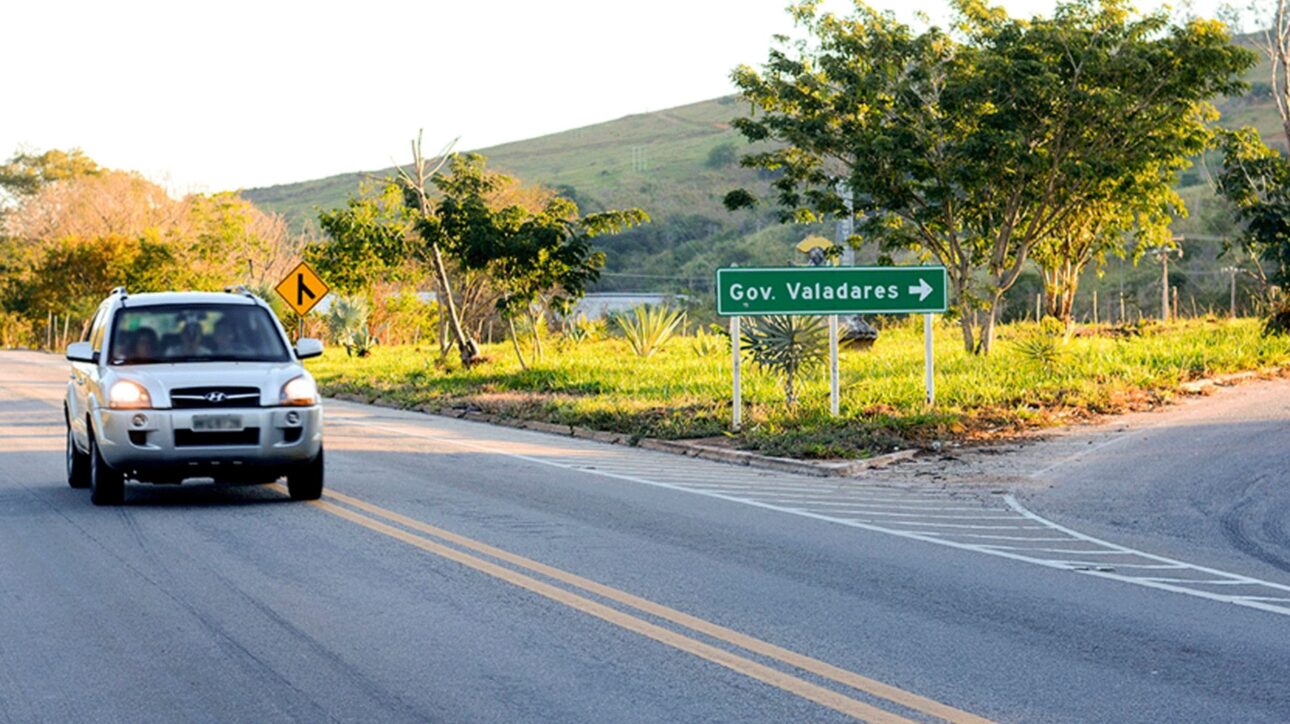
The BR‑381 Highway, Between Belo Horizonte and Governador Valadares, Will Gain Full Coverage of 4G Cell Phone Service by December 2025, According to the Nova 381 Concessionaire.
26 towers will be installed, reducing the stretches without signal from 52% to 0%, the so-called “blind spots.”
The service will be offered free of charge through the Nova 381 app, ensuring connectivity in both rural areas and the municipalities served along its 303.4 km.
26 “Train” Towers on the BR‑381
Named TREM (Multiplexed Spectrum Radiofrequency Towers), the stations were given a name inspired by the regional expression.
-
The Argentine government celebrates the lowest poverty rate in 7 years, but experts warn that the methodology has changed, real wages have fallen, unemployment has risen, and the number of people on the streets of Buenos Aires has increased by 57% since Milei took office.

-
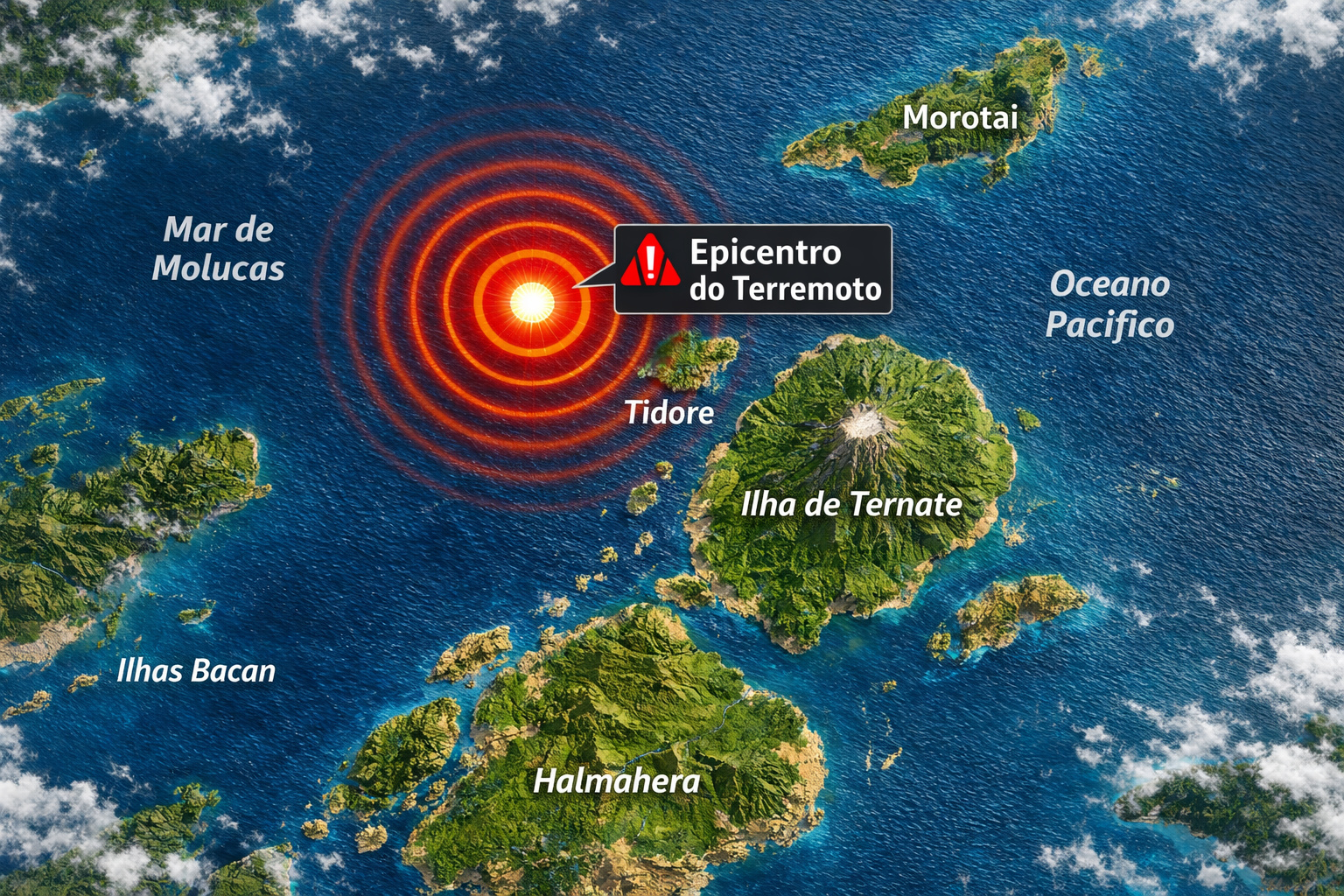
7.8 magnitude earthquake in Indonesia frightens the population, triggers tsunami alert, and hits an island with over 200,000 inhabitants this Thursday.
-
Google will finally let you change that embarrassing Gmail address you created in your teenage years without losing any accounts, logins, or old emails: the feature is already available in the United States.

-
Heading to Brazil in a Bonanza F33 single-engine aircraft: a couple departs from Florida on a visual flight, makes technical stops in the Caribbean to refuel and organize paperwork, and begins the staged crossing until they reach the country.


More than 20 teams are working simultaneously on the installation, with completion expected by December.
The project not only expands 4G coverage but also enhances information on road conditions and emergency support through the Nova 381 app.
Historical Curiosity
The BR‑381 has its origins in indigenous trails used by missionaries and bandeirantes in the 17th century.
It was named “Fernão Dias” in honor of the bandeirante priest who sought emeralds and traveled part of the route between 1674 and 1681.
The highway was paved and inaugurated in the 1950s, during the government of Getúlio Vargas, with the completion of the stretch between BH and SP in 1961.
Highway of Death
Despite the duplication (completed in 2002 between BH and SP), the mining stretch is known as the “highway of death” due to its winding layout, lack of shoulder, and concentration of serious accidents.
Between 2018 and 2023, around 3,960 accidents were recorded, with 420 deaths, according to the Federal Highway Police (PRF).
In 2023, in this stretch alone, there were 2,641 accidents and 171 deaths.
Overpasses, Plazas, and Escape Areas
The contract for the new concession, which expired in 2024 with 4UM Investimentos and operated since February 2025 by Nova 381, provides for investments of R$ 9.3 billion over 30 years, with emergency initiation within 100 days of operation.
In addition to cellular signal, it is planned to duplicate 106 km, add lanes, install 23 overpasses, five toll plazas, rest areas for truck drivers, escape points, and a 24-hour operational control system.
The “Old” Bridge and Industrial Construction
In the Steel Valley, between Coronel Fabriciano and Timóteo, the old bridge over the Piracicaba River — known as the “devil’s bridge,” inaugurated in 1947 — was only released for trucks in 2013, after renovations that completely reopened it in January 2020.
This construction was initially built to transport the production of the old Acesita (now Aperam).


Award-Winning Connection
Similar projects, such as those by Ecovias do Araguaia (BR‑153, BR‑414, and BR‑080), received awards from ANTT and Anatel for the expansion of 4G signal on federal highways, benefiting thousands of people and institutions along 850 km.
The commitment of Minas Gerais may follow this model.
Route, Traffic, and Economy on the BR‑381
With a total length of 1,185 km, the BR‑381 crosses three states — ES, MG, and SP — and passes through 21 cities in the mining stretch.
It is responsible for approximately 43% of the state’s economy, structures 60% of the national production of pig iron, transports 3 million tons of agricultural products per year, and registers about 15 thousand vehicles per day.
Curiosities You Didn’t Know About the BR‑381
The stretch between BH and SP was duplicated after eight years of work, inaugurated in 2002 by President Fernando Henrique Cardoso.
The old bridge was nicknamed “devil’s bridge” due to the number of accidents at its restricted access and extreme sections for trucks.
Additional lanes and escape areas will assist drivers on steep ascents and descents, especially in stretches like Nova Era and Ipatinga, where the risk from fog and curves is high.
With curiosities ranging from its indigenous origins to modern 4G, the BR‑381 gains a new chapter in its history. Now, it prepares to become safer, more technological, and connected.
What else would you like to know about this historic and innovative highway?









-

Uma pessoa reagiu a isso.