





 Portuguese
  English
  Spanish
 5 min of reading
  0 comments


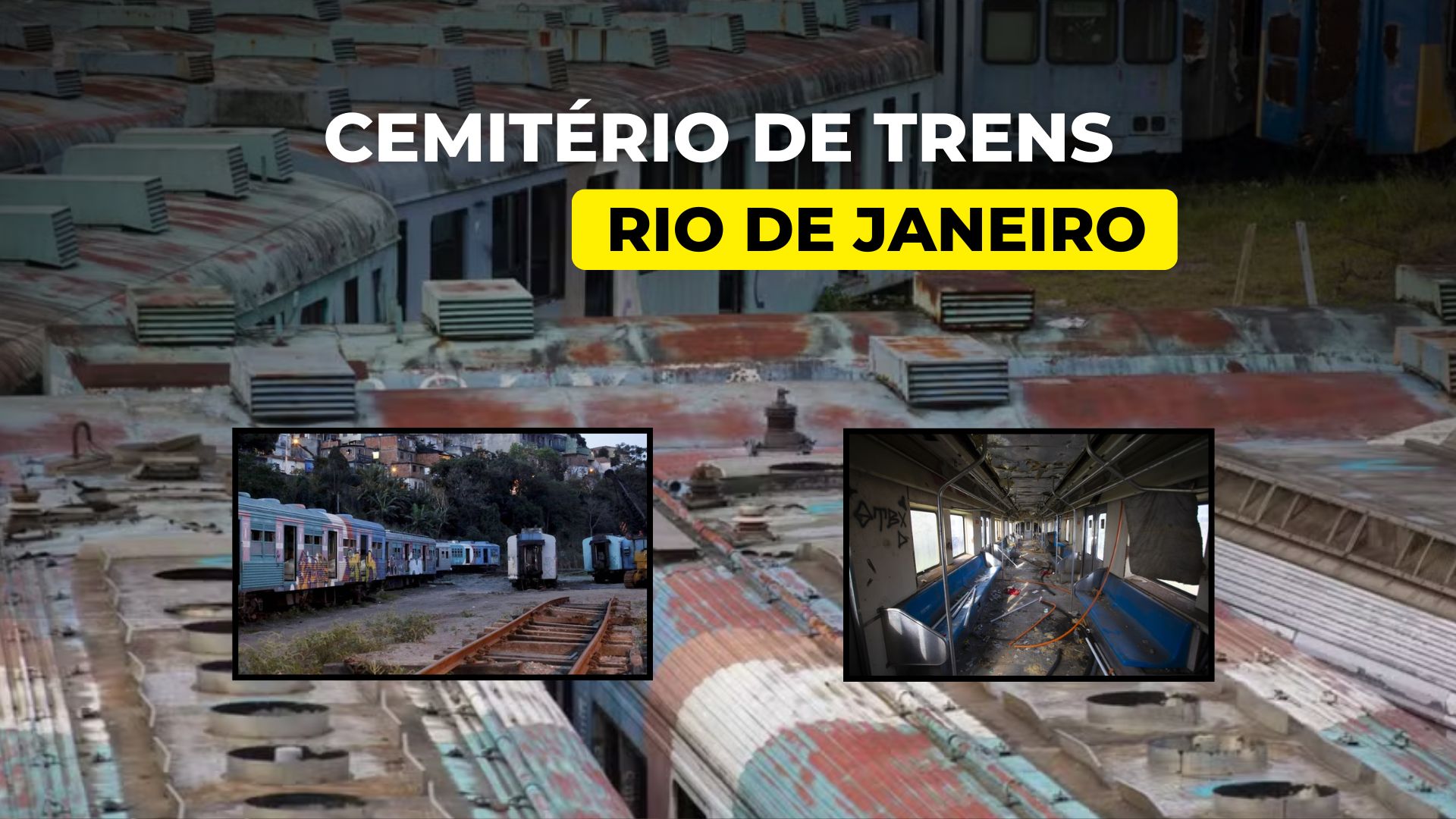
Rio’s Rail Transport Faces Historic Challenges, with Longer Journeys, Old Trains, and Rising Passenger Dissatisfaction as the Government Seeks Solutions for the Future of the System.
The passenger rail transport in the Metropolitan Region of Rio de Janeiro is about to undergo a new phase.
After nearly 27 years of operation, SuperVia, responsible for managing the system since November 1998, is expected to return the service to the government of the State of Rio de Janeiro by the end of September 2025.
The decision was formalized in a court agreement signed in December 2024 and represents the end of a cycle marked by structural challenges, declining service quality, and increasing user dissatisfaction, according to the newspaper O Globo.
-
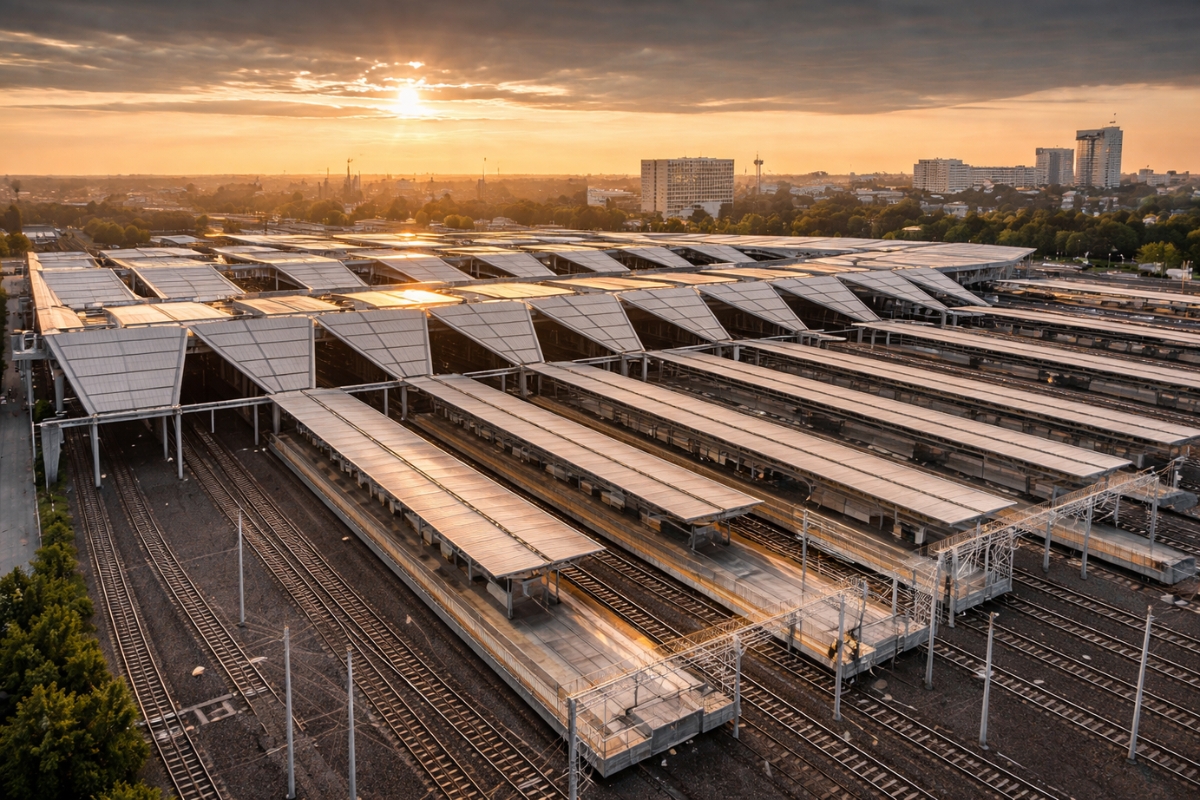
In A European City, The Country’s Largest Railway Junction Was Modernized Without Closing Its Doors, Kept Trains Running During Years Of Construction, Now Serves Up To 60,000 Passengers Per Day, And Installed Solar Panels That Generate About 30% Of Its Energy
-
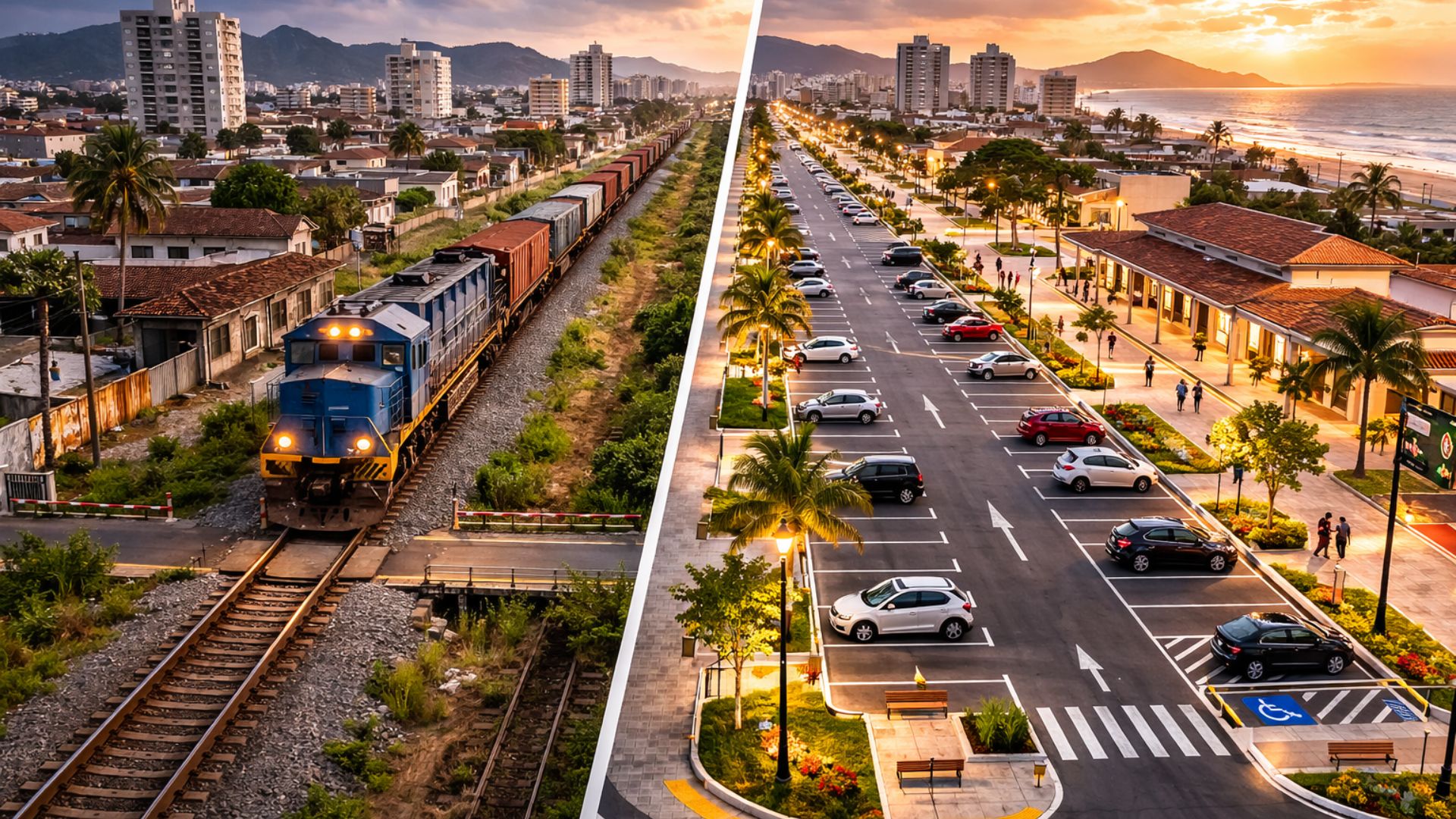
Famous Brazilian Railway May Become a Parking Lot
-
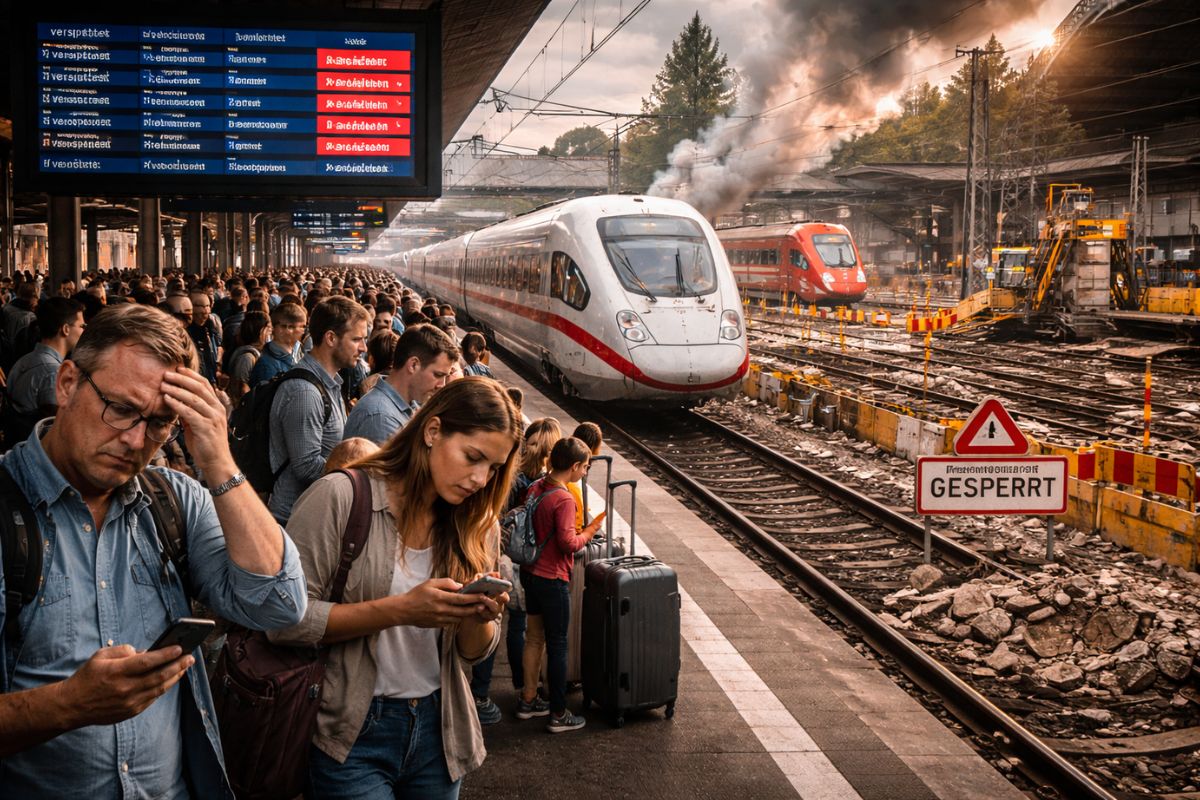
The Country of “Punctual As a Train” Admits It Has Lost Control: High-Speed Trains Delay, Stop, Disappear from the Map and Turn 6-Hour Trips into 10, While Deutsche Bahn Promises Restructuring in 2026 But Faces 19th Century Infrastructure, Staff Shortages and Sections Closed for Months
-
With an Investment of R$ 700 Million in One of the Country’s Main Rail Networks, VLI Reinforces Infrastructure, Receives 8 New Locomotives, and Expands the Corridor Connecting 7 States, Boosting Jobs and the Transportation of Grains, Ore, and Oil Products to the Port of Santos

Increased Travel Time and Dilapidated Trains
Currently, the scenario is one of deterioration.
The travel time for passengers has significantly increased compared to the beginning of the concession.
On the Santa Cruz branch, for example, the journey between Pedro II Station (Central do Brasil) and Santa Cruz, which took 75 minutes in 1998, now takes 98 minutes during peak hours — an increase of 23 minutes.
In Belford Roxo, the journey increased from 53 to 64 minutes, while the Gramacho line, which used to take 37 minutes, now lasts 59.
The Japeri branch recorded the largest difference: the travel time, previously 75 minutes, jumped to 103 minutes.
Meanwhile, in Deodoro, the difference was smaller, rising from 40 to 50 minutes.
Stagnation in Passenger Numbers
These changes are not limited to travel duration. The number of transported passengers remains stagnant.
According to a report published by O Globo, the current daily average is approximately 300,000 users, the same level recorded nearly three decades ago.
The goal set at the beginning of the concession, to reach two million passengers per day in five years, was not achieved.
The scenario reveals a deadlock between the promise of modernization and the reality of dilapidated trains.
Rail Infrastructure in a Critical Situation
Operations on various segments are conducted with trains manufactured in the 1950s and 1960s, especially on non-electrified lines.
The wear and tear of the infrastructure directly impact the speed and safety of the trains.
According to Valmir de Lemos, president of the Machinists’ Union, in an interview with the newspaper O Globo, the need to reduce speed is a direct consequence of the poor condition of the permanent way — the technical term for tracks, ties, and signaling systems.
Currently, there are sections where trains run between 40 and 50 kilometers per hour, a level lower than recorded in previous years.
The situation is exacerbated by the presence of old tracks and deteriorated wooden sleepers, which increase the risk of accidents.
Civil engineer Hélio Suevo Rodrigues, vice president of the Association of Railway Engineers, also reported to the newspaper that, in addition to the permanent way, the degradation of the signaling system and the increase in cable theft contribute to the reduction of operational speed.
According to him, there are sections where the speed limit reaches 40 kilometers per hour, whereas it was common to reach 60 to 70 kilometers per hour at certain points before.
Overcrowding and Constant Technical Failures
Among the problems faced daily by the population are overcrowding, technical failures, and congestion at stations, especially during peak hours.
Over three weeks of travel on SuperVia trains, journalists from O Globo witnessed passengers needing to walk along the tracks to complete their journey after a train stopped just a few meters from the final station, as well as door malfunctions that jeopardized user safety during peak hours.
Rail Cemetery and Risks for the Population
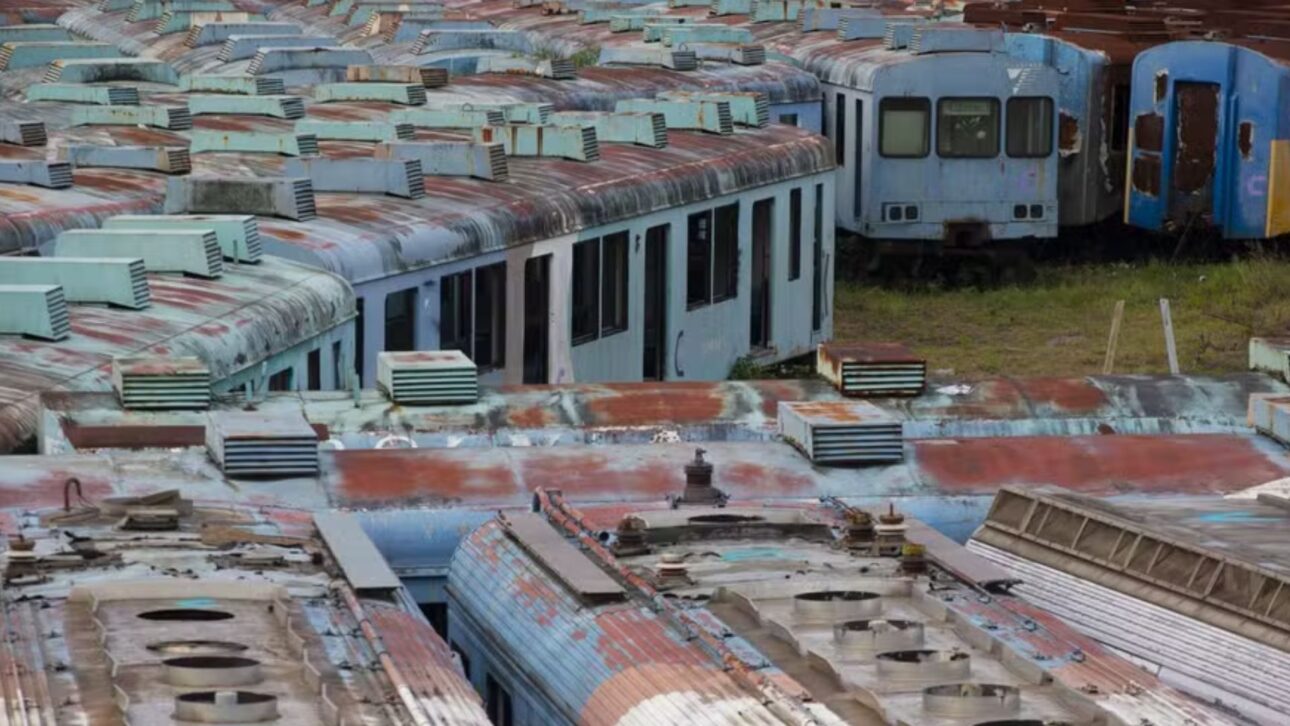
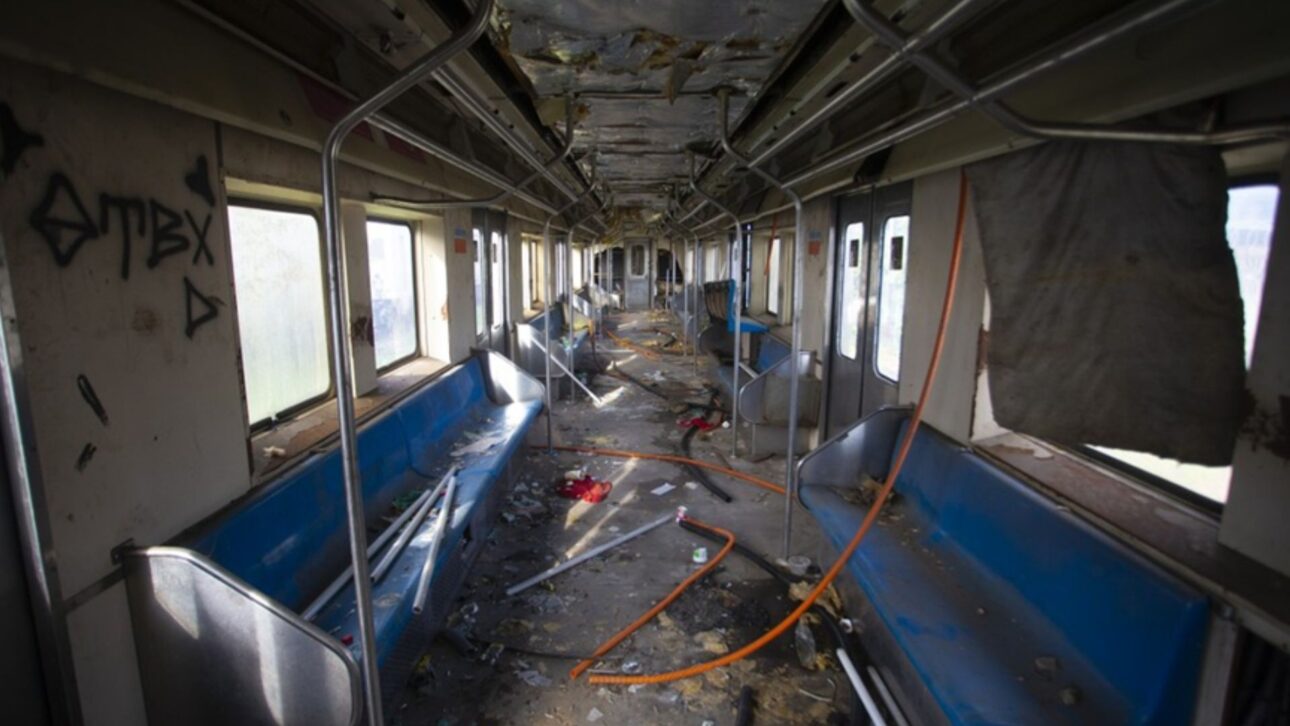
In addition to daily hardships, SuperVia leaves behind a true rail cemetery.
In the yard of the Japeri station, in Baixada Fluminense, 79 trains manufactured in the 1970s and 1980s, classified as unusable by the Technical Heritage Department of the State Transport and Logistics Company (a public company that succeeded the Fluminense Urban Trains Company, Flumitrens), await their fate.
Many of these units had parts removed, such as high and low voltage cables, electrical components, and doors, making the cars targets for vandalism and irregular use.
The newspaper also reported testimonies from nearby residents, highlighting additional risks like nighttime robberies and the presence of drug users in the abandoned cars, increasing the climate of insecurity in the surroundings.
In another yard, near the Deodoro station, 113 old cars await auction, the result of a legal process initiated back in the 1990s, even before the start of SuperVia’s concession.
Canceled Journeys, Delays, and Daily Impact
Data obtained by O Globo from the Regulatory Agency for Public Transport of Rio de Janeiro (Agetransp) indicate the extent of the problem.
In 2024 alone, 4,990 trips were canceled or interrupted for unjustified reasons, averaging 13 occurrences daily.
The number reveals the frequency of failures and the direct impact on users’ routines, who must adapt to the uncertainty of schedules and the possibility of unexpected disruptions.
SuperVia’s Response and Future Outlook
In response to criticisms, SuperVia states that it conducts regular inspections according to national and international standards and that, in the last 18 months, it has replaced more than 45,000 sleepers and 402 tons of tracks.
The company also attributes part of the difficulties to the reduction in the number of passengers after the Covid-19 pandemic and to the increase in theft of essential materials for the system’s operation.
As a consequence, the concessionaire had to adjust the intervals and schedules of the trains.
With the end of the concession approaching, the government of the State of Rio de Janeiro is discussing the management model that will be adopted to ensure the continuity of rail transport in the Metropolitan Region.








Seja o primeiro a reagir!