





 Portuguese
  English
  Spanish
  4 min of reading
  77 comments


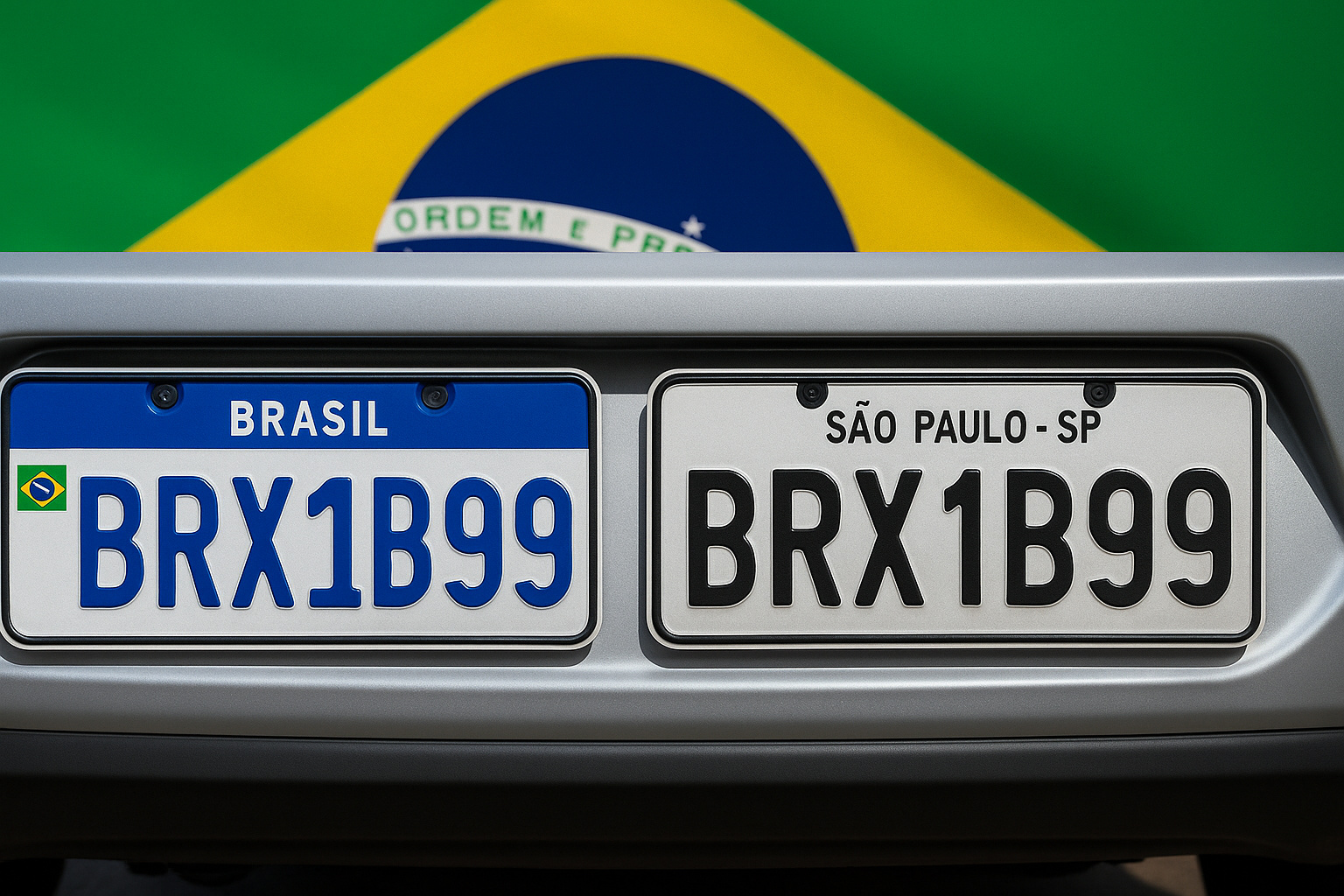


Senate-Approved Bill Proposes the Return of the City and State on License Plates. Change Aims to Reinforce Vehicle Identification and Facilitate Enforcement Across the Country.
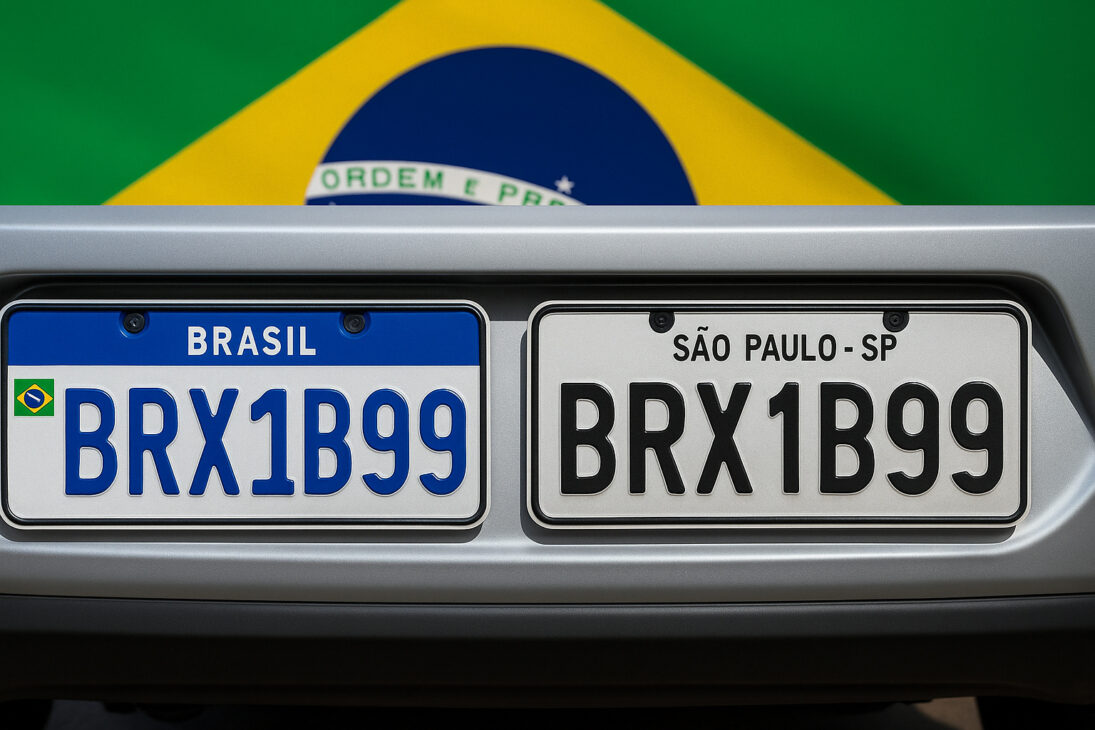
The current standard for Brazilian vehicle license plates, adopted by Mercosur since 2018, may soon be coming to an end. A bill in the Senate, authored by Senator Esperidião Amin (PP-SC), proposes the return of the obligation to display the municipality and state of registration on vehicle plates. The idea, according to the senator, is to reinforce vehicle identification and facilitate enforcement by traffic and public safety authorities.
The proposal has been approved in the Senate and is now being processed in the Chamber of Deputies, where it will be analyzed conclusively by the Committees on Transportation and Constitution and Justice and Citizenship. If approved without changes, it goes straight to presidential sanction. If it becomes law, the new requirement will take effect one year after official publication.
City and State on Vehicle Plates: What Changes with the Bill?
The Bill 3214/2023 amends the Brazilian Traffic Code (CTB) and establishes that vehicle plates will once again display information that was removed under the current model: the name of the municipality and the State of registration, as well as the flag of the federal unit.
-
Historic bankruptcy of Centauro shocks the market, and the century-old company puts more than 500,000 products, machines, and complete infrastructure up for online auction.

-
New shoe factory in Ceará is expected to create 400 jobs and strengthen the local economy.
-
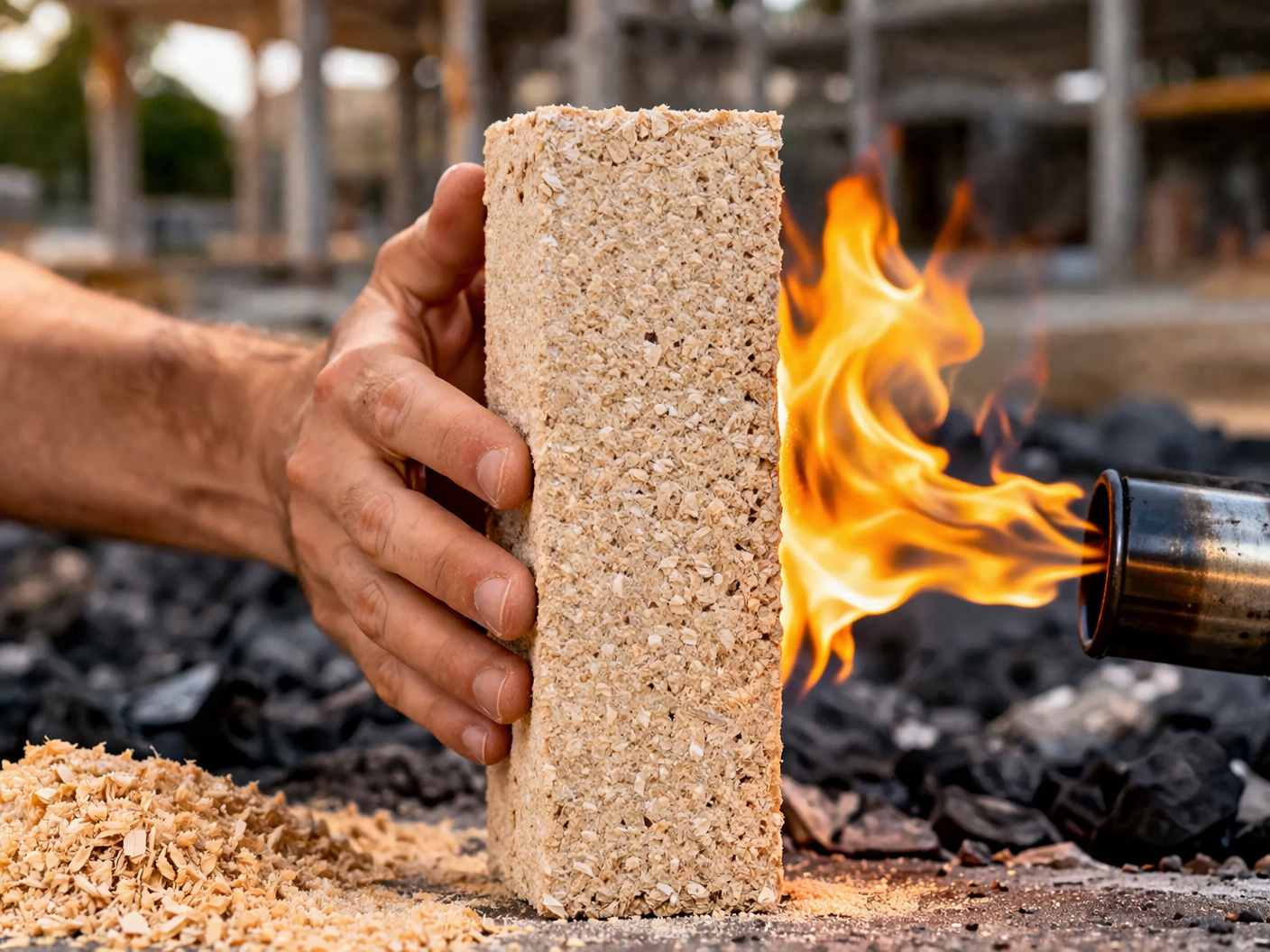
No one imagined it, but a mixture of sawdust with a mineral that fights fires surprises scientists with a result that changes the course of fire-resistant construction.
-
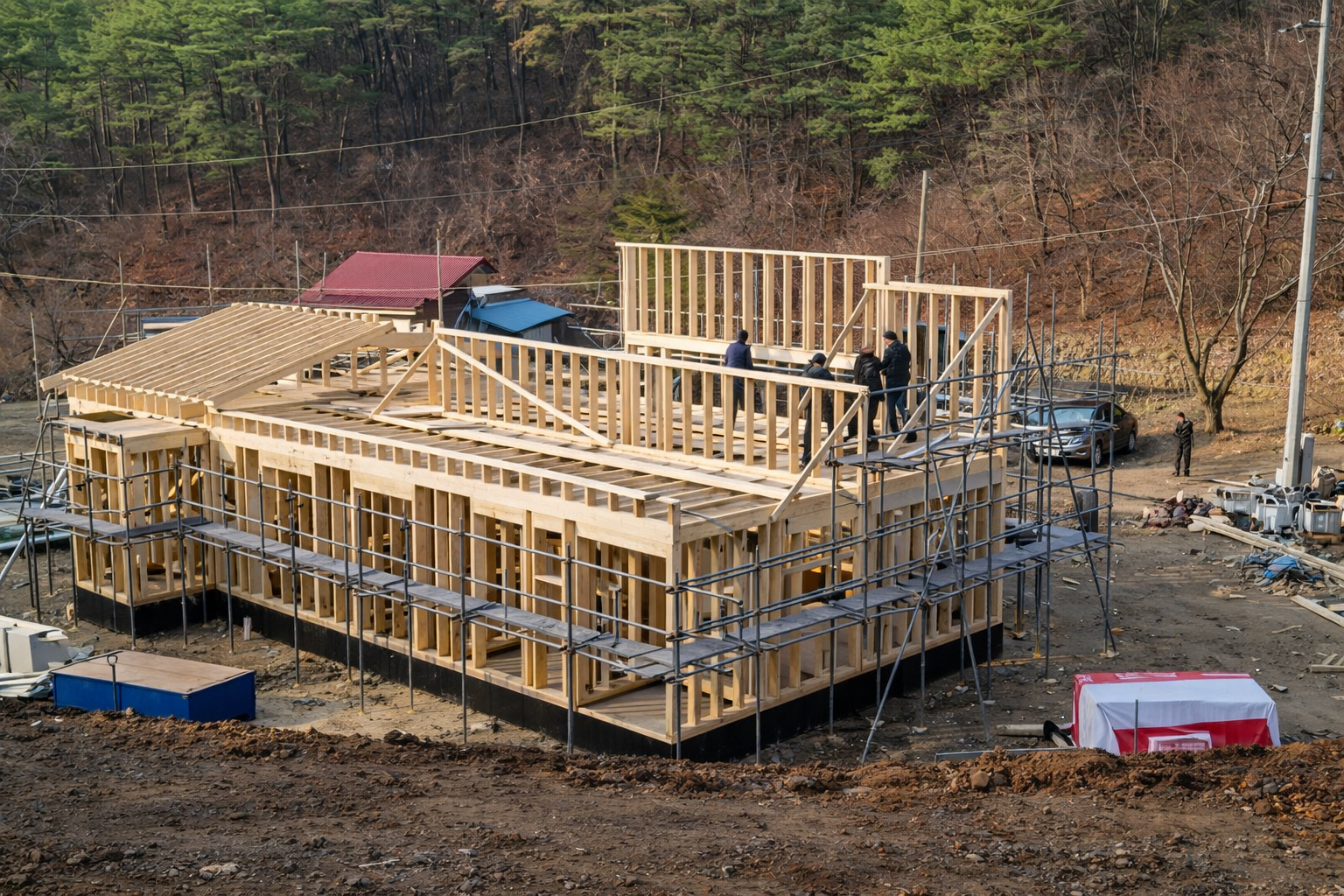
From empty land to a high-end house, wooden construction uses a lightweight system, metal structure for the foundation, ventilated ceramic cladding, and special windows to create an efficient and comfortable living space throughout the year.
This means that the visual standard of the plates may get closer again to the old Brazilian model — which was replaced by the Mercosur format, unified among member countries and focused on regional standardization, with only four letters and three numbers on a white background with no visible local identification.
License Plate Bill: Esperidião Amin’s Arguments
For Senator Esperidião Amin, the absence of the city and state on current plates hinders the work of traffic enforcement and identification of vehicles involved in infractions, thefts, and other crimes. In his words, “police and traffic authorities need to easily identify the origin of the car.”
He also argues that regional identification on the plates allows for a quicker response from security forces, especially in cases of suspicious vehicles circulating in areas outside their usual registrations.
License Plate with City and State: Safety or Setback?
The proposal is already generating debate. Supporters argue that the return of local information on the plates makes life easier for police, municipal guards, and traffic agents, who would have an immediate indication of the vehicle’s origin without relying solely on consultation systems or digital recognition.
Critics of the measure see a potential setback in the effort for standardization and regional integration promoted by Mercosur. They argue that the current model was designed to facilitate transit among member countries and digitize processes, which could be hindered by the return of local identification.
In addition, experts warn of the cost of any potential change, both for the government and for citizens, if the plates have to be changed again in a short timeframe.
Return of the Municipality on License Plates
Since the project has already been approved by the Senate, it now goes for conclusive analysis in the Chamber of Deputies. If it passes through the Committees on Transportation and Constitution and Justice without changes, the proposal will be sent directly for presidential sanction, without the need for a plenary vote.
If it receives amendments, it will return to the Senate for further analysis. If sanctioned by the president, the project will come into effect one year after its official publication, allowing time for traffic authorities and license plate manufacturers to adapt.
License Plate Bill: Expected Repercussions and Impact
The proposal is expected to generate national repercussions, as it directly impacts more than 110 million vehicles in circulation in Brazil, according to data from Denatran. Although the requirement for immediate plate replacement is not foreseen, new and transferred vehicles would start receiving the new model, according to rules to be defined.
Moreover, vehicle dealerships, brokers, license plate manufacturing companies, and state Detrans would need to reorganize systems and processes to handle the new standard, which may also reflect in operational costs and pass-through to consumers.
Vehicle Identification and Public Safety at the Center of Debate
The discussion about the presence of city and state on vehicle plates is not new. Since the adoption of the Mercosur model, various traffic agents, police officers, and public managers have complained about the difficulties in quickly identifying the origin of vehicles — something deemed crucial in checkpoints, investigations, and patrols.
However, the international trend is precisely towards standardization and digital integration. Brazil, upon adopting the Mercosur model, began to have a national data system, which theoretically allows for real-time inquiries about any vehicle’s status. The challenge is to ensure that the technological tools are indeed accessible to all authorities.
Conclusion: The Project to Reintroduce Cities on License Plates Rekindles the Debate between Modernization and Functionality
The project by Esperidião Amin to reintroduce the municipality and state on vehicle plates reignites an important debate: traffic modernization versus the need for quick and practical local identification.
The proposal is advancing in Congress with the support of sectors within public safety and resistance from those who advocate for the current standardization. If approved, Brazil may abandon the Mercosur standard in the name of safety and national autonomy.
What seems like a detail in the plate’s design may, in practice, impact security systems, production logistics, and even the daily lives of drivers. The final decision now rests with the Chamber of Deputies — and later, the Presidency of the Republic.









Nunca deveriam ter trocado as anteriores pelo padrão Mercosul. Nunca! Principalmente por questões de segurança!
Então a ideia da troca da placa é interessante ,mas que cada estado banque a reposição das mesmas, não temos que pagar pois trocamos recentemente e tivemos que pagar temos que parar de ser avestruz.
Mais uma medida visando proporcionar lucros para alguns e despesas para outras ao invés de ter sido bem planejada.