





 English
  Francês
  Alemão
  Italiano
  Japonês
  Norueguês
  Portuguese
  Spanish
 4 min of reading
  2 comments


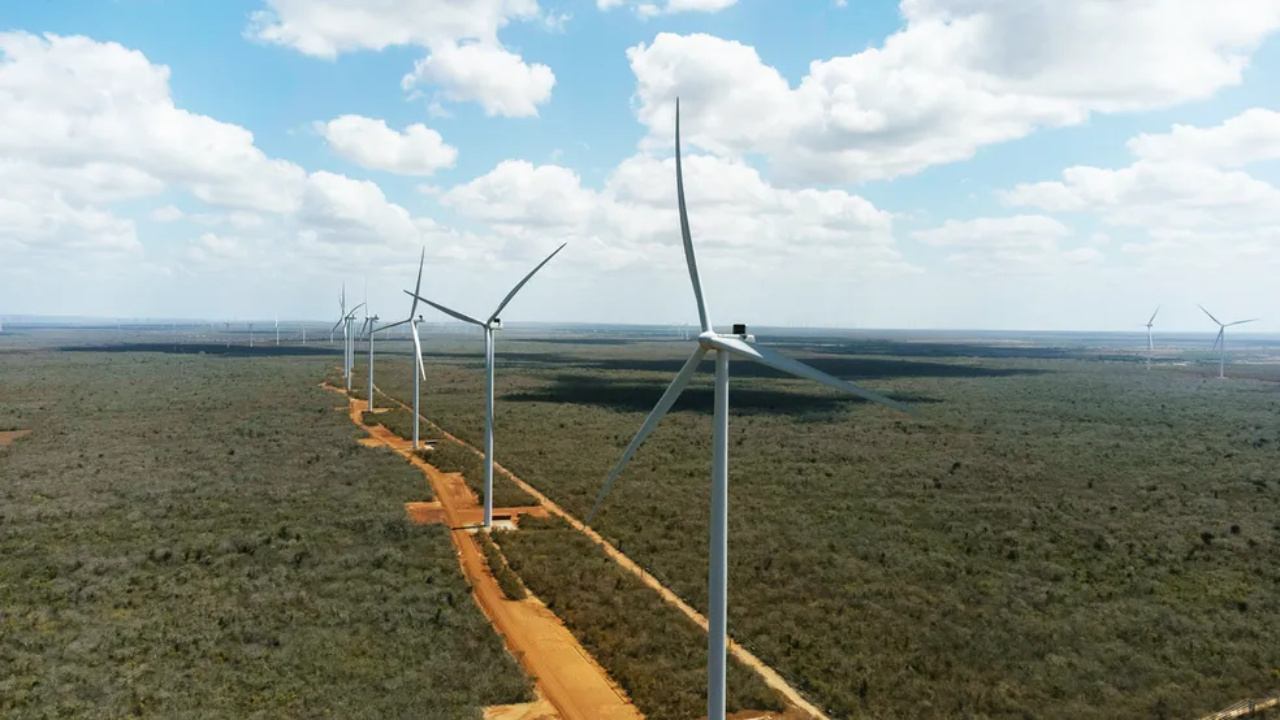


Decommissioning Wind Farms in Rio Grande do Norte Creates Opportunities in Recycling, Logistics, and Civil Construction, Driving the Economy and Strengthening Sustainability in the Energy Sector.
The Rio Grande do Norte, a leader in wind energy production, is experiencing an unprecedented moment, as reported by Tribuna do Norte this Tuesday, 30. The end of the useful life of several wind farms in the state not only signifies the cessation of activities but the beginning of a new chain of sustainable businesses. The dismantling of turbines, towers, and blades promises to transform waste into raw material for various industries, such as recycling, civil construction, metallurgy, and logistics.
This process, known as decommissioning, is projected to become a billion-dollar front. After all, what was once considered waste is now viewed as a strategic resource for strengthening the circular economy.
The Economic Potential of Decommissioning
The perspective of experts is clear: we are witnessing a silent revolution within the renewable energy sector. By removing old turbines, space is opened for new projects, but also for an innovation engine.
-
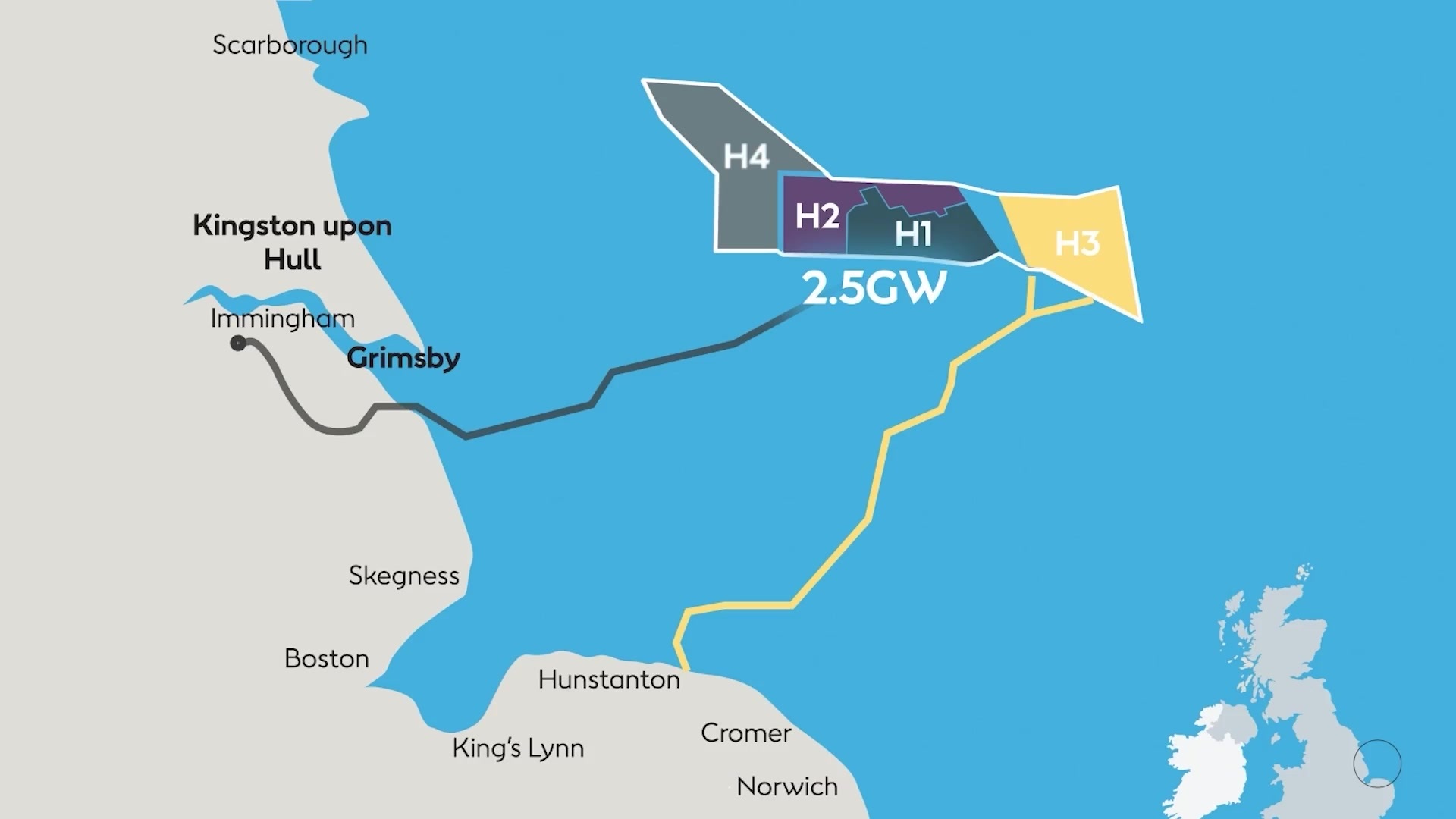
231 turbines of 260 meters at 160 km from the coast, monopiles weighing as much as nine blue whales embedded in the North Sea, and a crane ship taller than the Eiffel Tower: Hornsea 3 will be the largest offshore wind farm on the planet by 2027, and its first components have already arrived in England.
-
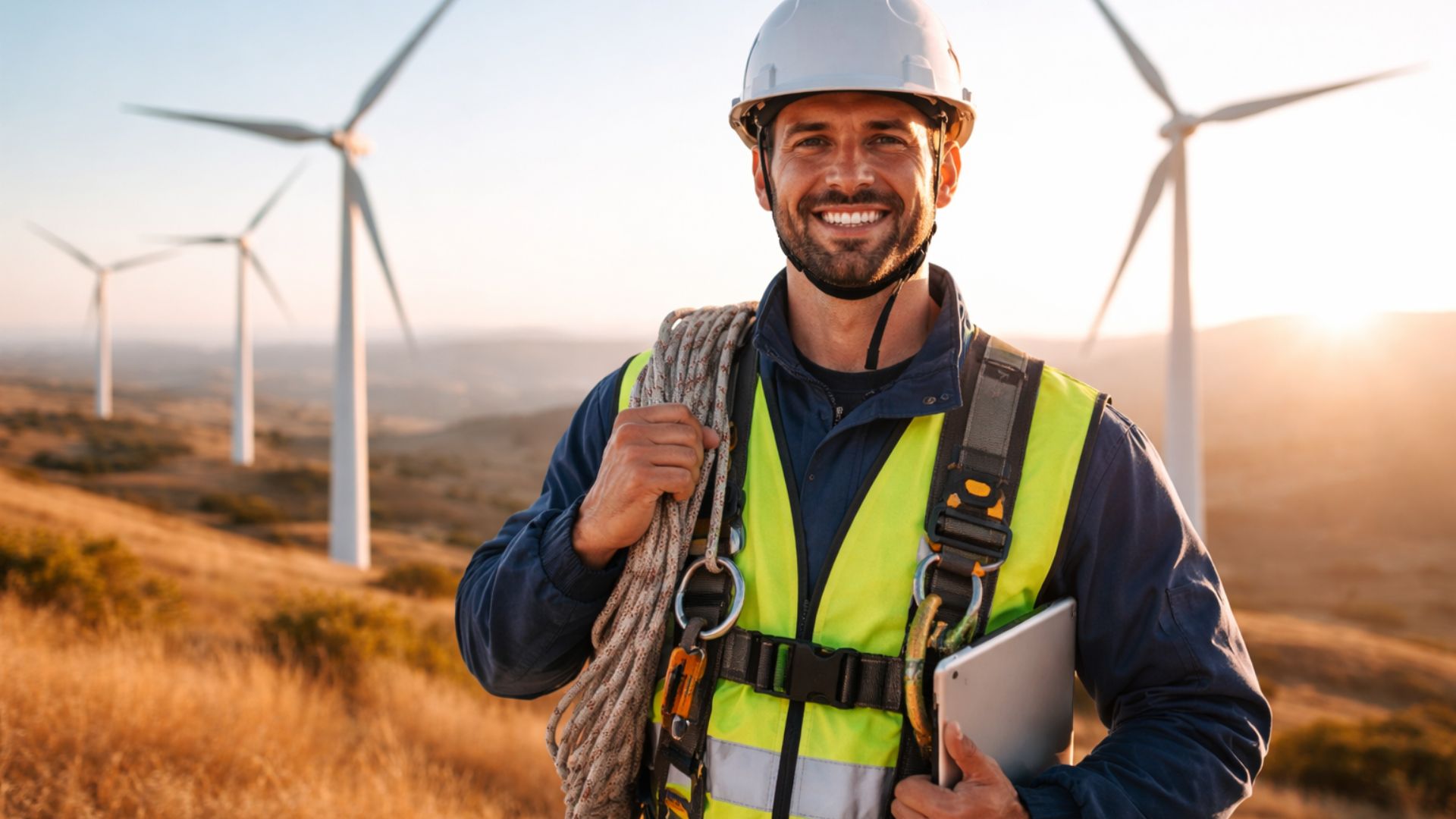
International Certification Puts Senai Norte on the Renewable Energy Map and Expands Access to Essential Training for Qualified Wind Power Professionals
-
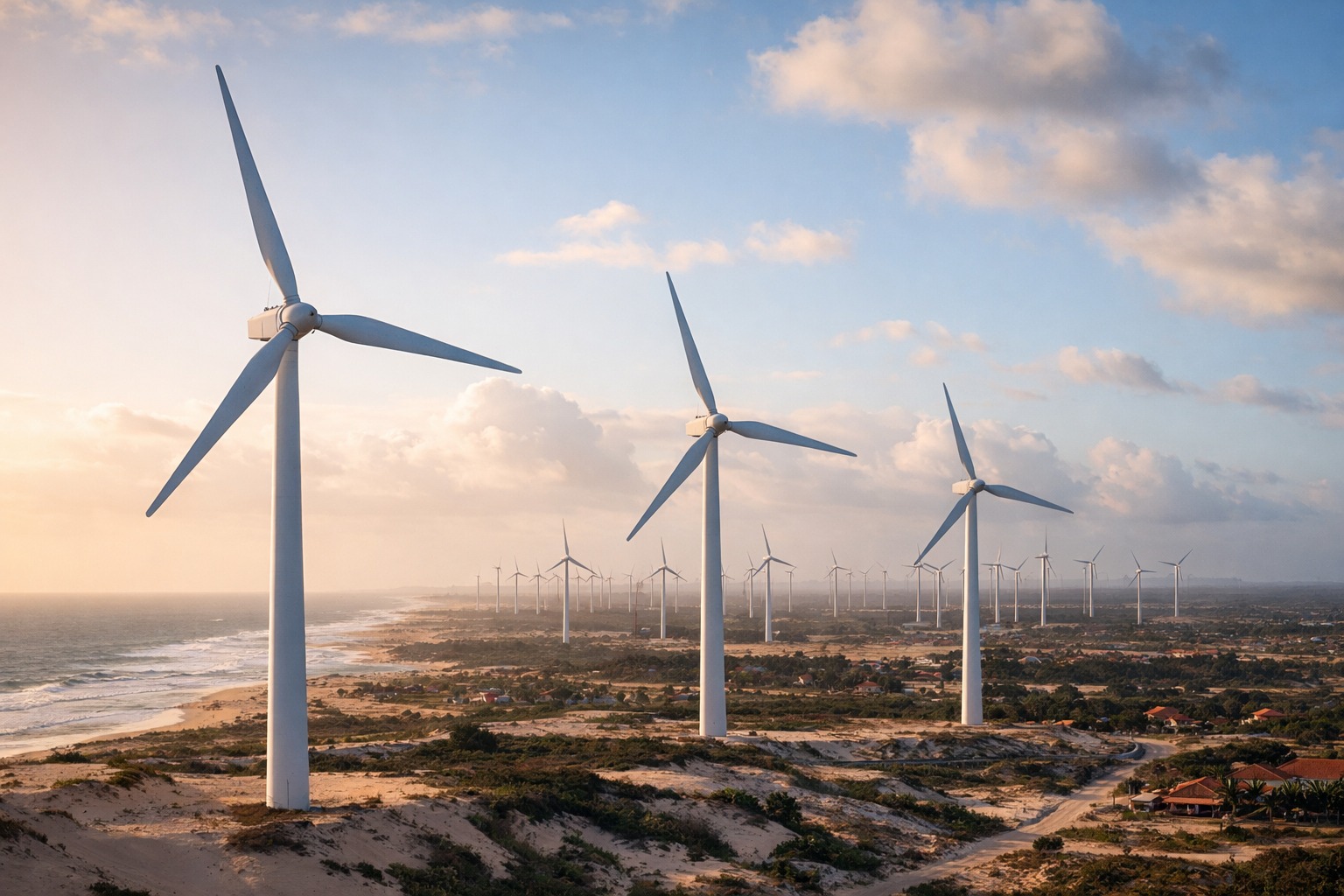
The Winds of the Northeast Are in Foreign Hands: Nearly 70% of the Region’s Wind Farms Are Owned by International Companies, with France, China, and Italy Leading Investments in Wind Energy in Brazil
-
Echoenergia’s Wind Farms Receive Diamond and Platinum Seals and Boost Carbon Credits with Projects that Prevent Large Volumes of Annual Emissions
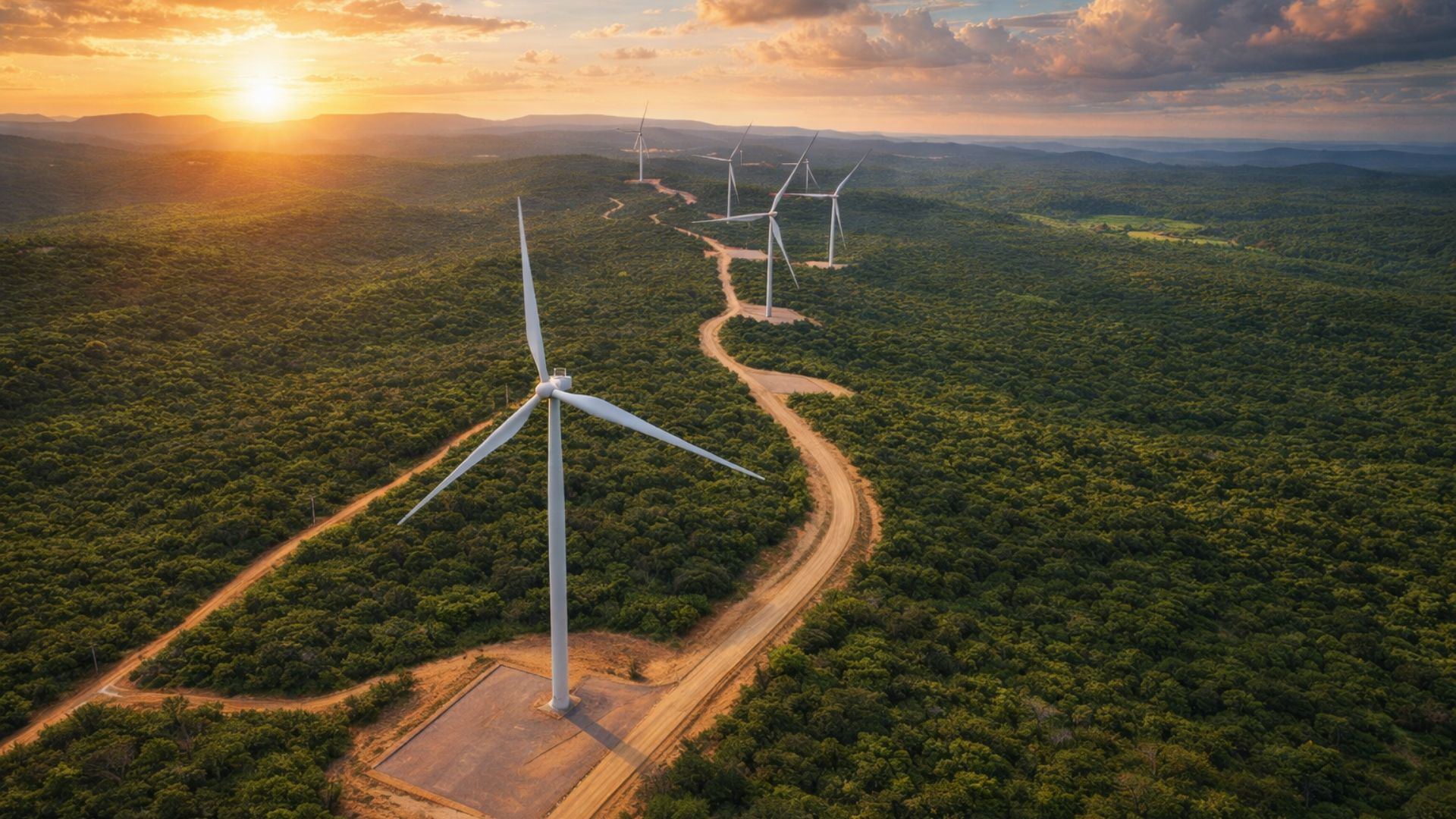

Data from the Global Wind Energy Council (GWEC, 2022) shows that about 90% of the materials from a wind turbine can be recycled. These include concrete foundations, steel towers, copper cables, and electronic components.
The remaining 10%, usually the blades made from fiberglass or carbon, also find new purposes. In some countries, they are already being used in the production of asphalt or in soil-cement bricks. In Brazil, they are starting to be repurposed in cement kilns, showing that even the most complex items can be reused.
Opportunities for Different Sectors
This movement is celebrated by business leaders in the state. Roberto Serquiz, president of Fiern, summarizes: “We are talking about steel that can return to steelmaking, copper cables that become inputs for other industries, and concrete that can be reused in civil works. It is an opportunity to generate jobs and income, strengthen the circular economy, and consolidate Rio Grande do Norte as a reference in sustainability.”
In practice, the dismantling of turbines creates a multiplying effect. Logistics companies, specialized transport, material grinding, steelmaking, and resin manufacturers will directly benefit.
For Sérgio Azevedo, president of the Thematic Commission on Renewable Energies (Coere) of Fiern, the sector is undergoing a strategic transition. “We are facing a billion-dollar market that involves dismantling, logistics, material disposal, and new products. And most importantly: it opens up space for civil and electrical BoP companies, which already have expertise in construction and maintenance, to partner with recyclers like Recicla,” he assesses.
If in the first phase the goal was to install wind farms on a large scale, now the challenge is to responsibly dispose of tons of steel, copper, and concrete that make up the wind turbines.
Role of the Recycling Industry in the Process
The Recycling and Disposable Union of RN (SindRecicla-RN) sees decommissioning as a unique opportunity. Its president, Etelvino Patrício, details that the impact goes far beyond dismantling: “We are talking about specialized transport, cutting and separating materials, grinding and repurposing steel, copper, and aluminum, as well as the correct disposal of the blades. This means more jobs in different sectors, from logistics to metallurgy and engineering, with a direct impact on the local and regional economy.”
Rio Grande do Norte already has a strong structure to assume this role. Recicla RN, considered the largest recycling company in the Northeast, has an area of 13,000 square meters and the capacity to store up to 3,000 tons of materials per month. Currently, it directly generates 5,400 jobs and another 18,000 indirect jobs.
While the recycling of metals and concrete is considered viable and established, the major obstacle still lies in the blades of the wind turbines. Made from complex composite materials, they require specific processes. “In addition to the blades not having significant added value, you have a material with few application possibilities. You really need to develop recycling processes and disposal methods, which for the time being, we are grinding, sorting, and sending precisely to cement companies for use in their kilns,” Patrício states.
The experience gained by Recicla RN in cases of wind farms that suffered technical failures or accidents is already proving to be essential. This history strengthens the sector’s confidence that the company is ready to work on large-scale decommissioning projects.
The Importance of Repurposing Components
Wind turbines are complex machines. Each part plays a specific role in converting wind force into electrical energy. During the dismantling phase, this diversity of materials transforms into opportunity.
According to Rodrigo Mello, director of Senai-RN, “Anything metal goes to the metal recycling industry, concrete for civil construction, roads, and large infrastructure works. All electronic materials can be reused and have high added value. Even materials that are very trendy, the so-called rare earths, which the world wants for making chips.”
This vision reinforces that the end of the useful life of wind farms does not mean resource depletion, but rather the opening of a new cycle of technological and industrial utilization.
The prominent role of Rio Grande do Norte is not limited to wind energy generation, which accounts for 30% of national production. Now, the state also positions itself as a natural candidate for a recycling and repurposing hub for decommissioned equipment.
The integration between local industries, research centers, recyclers, and logistics companies strengthens the regional economy and amplifies the sector’s sustainability. What began as a challenge is transforming into a showcase for Brazil and the world.







Vai diminuir a geração de energia eólica? Ou vão construir novas turbinas mais modernas e eficientes. A reportagem só fala em desativar.
No caso do fim da vida útil com a remoção total da torres, novas torres serão instaladas no local?