





 Portuguese
  English
  Spanish
  4 min of reading
  8 comments




100% Renewable Hydrogen-Powered Turbine Marks Progress in Industrial Decarbonization, with Successful Tests in France and Promising Solutions for High-Emission Sectors
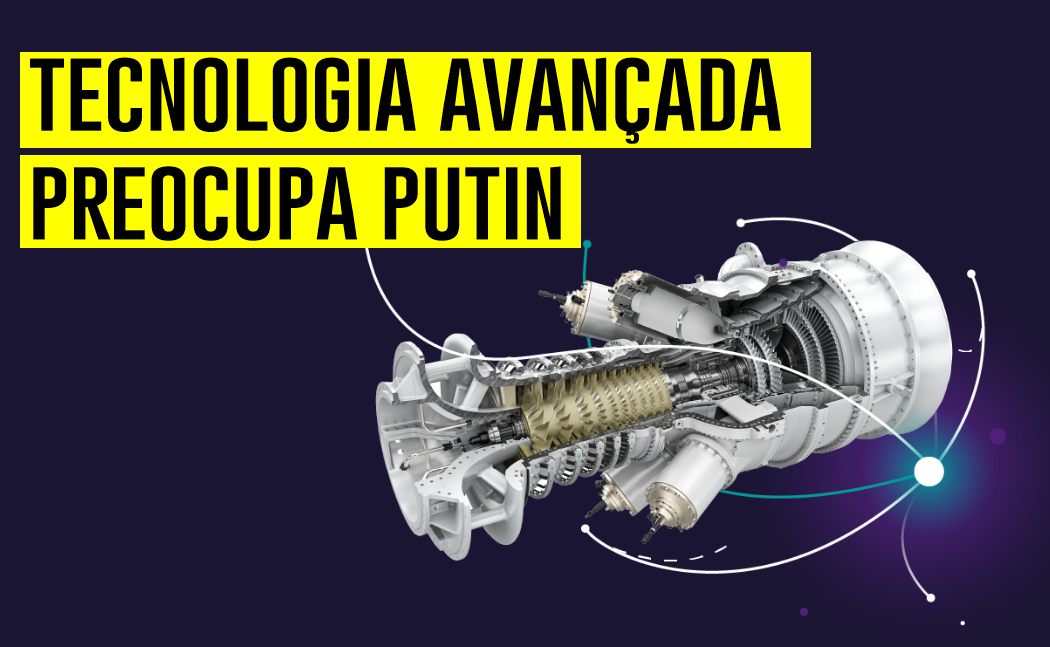
In a historic milestone for the energy transition, a gas turbine that operates exclusively on renewable hydrogen has been tested for the first time as part of the European project HYFLEXPOWER. Led by Siemens Energy in collaboration with ENGIE, the project funded by the European Union demonstrates the innovative potential of hydrogen as a clean and versatile energy source.
This initiative provides a new perspective for the decarbonization of industrial sectors while seeking to significantly reduce carbon emissions.
Turbine Tests Conducted in France
The experiments were conducted at the packaging plant of Smurfit Kappa in Saillat-sur-Vienne, France. The facility uses an industrial gas turbine Siemens Energy SGT-400, modified to operate on 100% hydrogen fuel.
-
While the world looks at oil, the war with Iran is already disrupting helium supply from Qatar, affecting car and iPhone chips, threatening AI expansion, and putting pressure on aluminum packaging at the highest value in four years.

-
Global warming will expose a treasure hidden under the ice of Antarctica and may spark an international dispute over gold and valuable minerals.

-
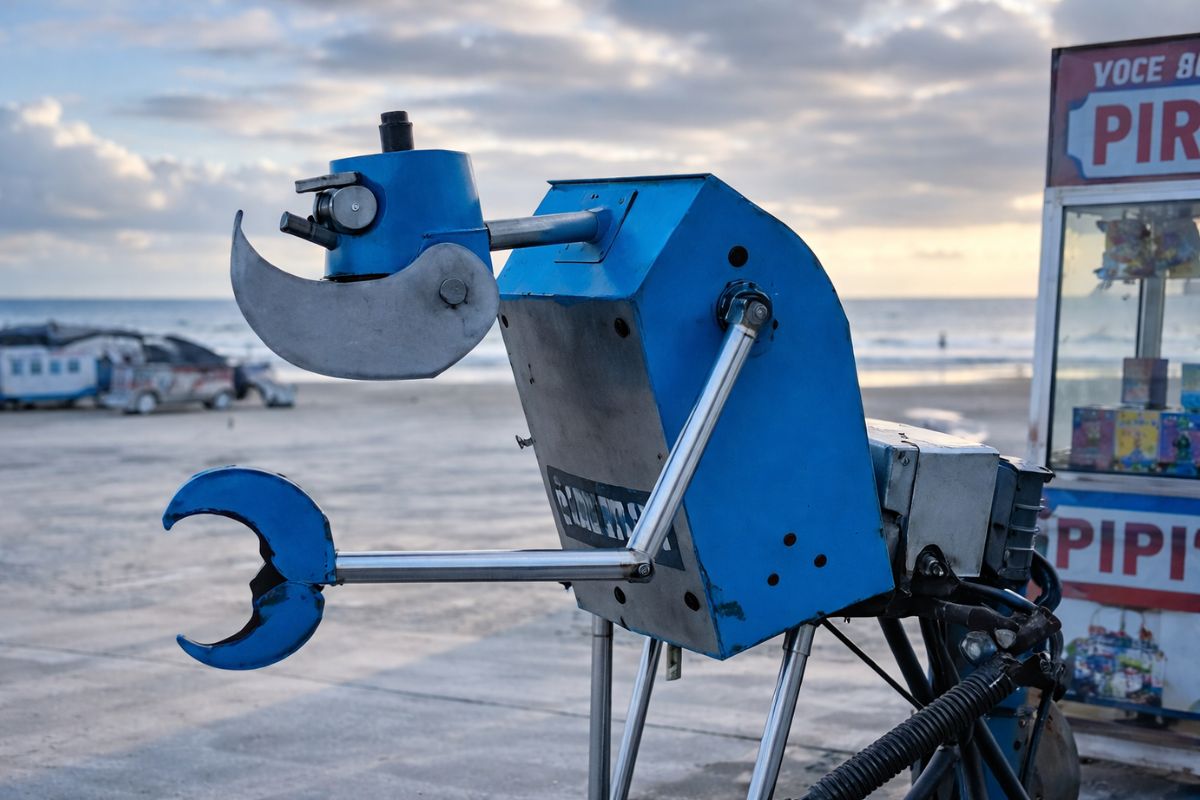
A street vendor from Praia Grande built a robot made of scrap from scooters and washing machines that pulls his popcorn cart on the beach, emits sounds, and interacts with customers, becoming an attraction on the coast of São Paulo.
-
The specifications of the Xiaomi 18 Pro Max have been leaked, and the highlight is a dual 200 MP camera with a new 22-nanometer technology that promises to consume less energy and capture details in shadows and bright areas using LOFIC HDR.


Previously, the turbine had run on a mixture containing 30% hydrogen, but the complete transition to the exclusive use of this gas marks a notable technological advancement.
This development not only proved the viability of hydrogen as an energy source but also paves the way for the adaptation of conventional gas plants. With cutting-edge technologies like electrolysis and engineering storage integrated into a single system, the project proposes a practical solution to energy challenges.
Robust, Flexible, and High-Performance Industrial Gas Turbine
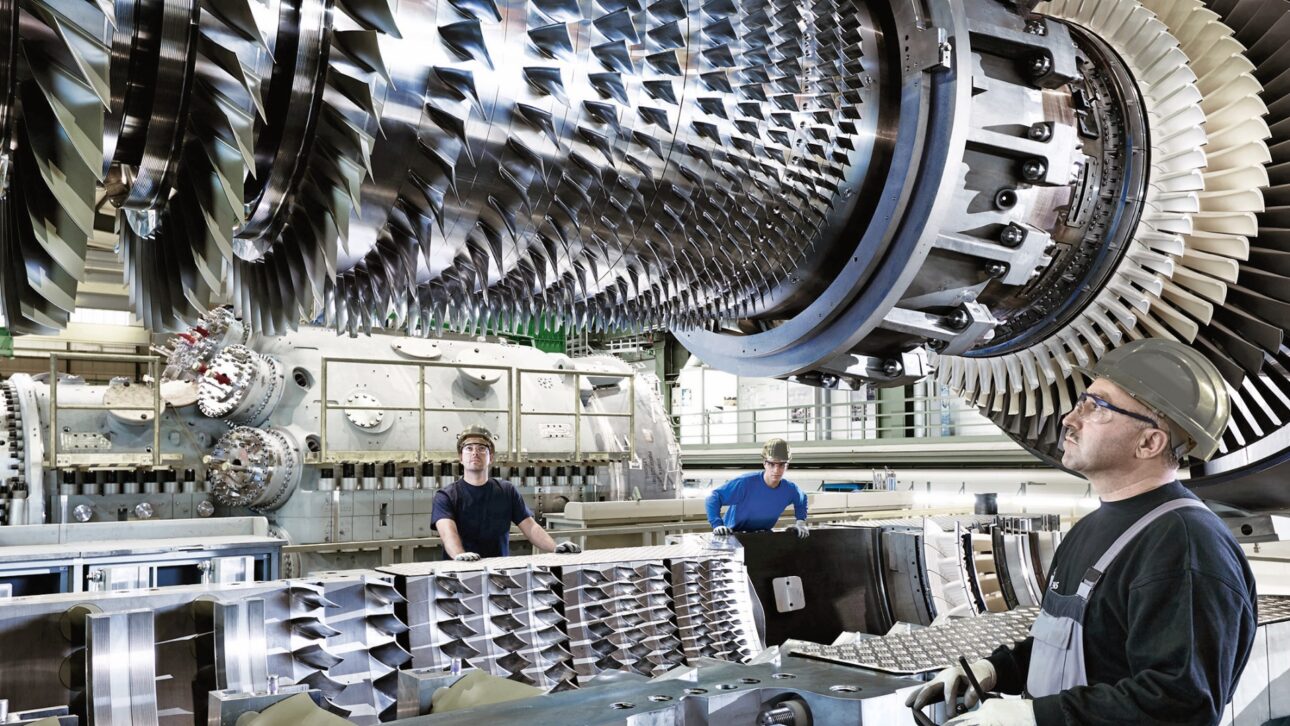
The industrial gas turbine SGT-400 is a robust and flexible solution designed for high performance. With a dual-shaft design, it features a two-bearing gas generator rotor, an 11-stage transonic compressor, and a two-stage suspended power turbine, reaching up to 12,075 rpm.
Its high-strength casings, which can be split horizontally and vertically, facilitate on-site maintenance. Variable guide vanes optimize efficiency, while high-chrome blades provide resistance in corrosive environments.
Equipped with DLE combustion, it ensures low NOx emissions and smooth switching between gaseous and liquid fuels without production loss, enhancing its operational versatility.
Benefits and Challenges of the New Technology
One of the main attractions of the technology is the ability to repurpose existing infrastructure, reducing costs and accelerating the implementation of clean energy solutions. Siemens Energy highlighted that this integration sets a new standard for industrial decarbonization.
However, the use of hydrogen in gas turbines is not without challenges. Its characteristics, such as high combustion speed and high flame temperature, pose challenges for material resistance and advanced safety measures. The project addresses these issues by developing a low-emission dry combustion technology that reduces operational risks while improving efficiency.
To store hydrogen, a 1 MW electrolyzer and a tank with a capacity of nearly one ton were necessary. These advancements are especially relevant for sectors such as pulp, cement, and steel, which require large amounts of energy and face difficulties in reducing emissions.
Expansion and New Perspectives
Although the initial results are promising, project leaders view this milestone as just the beginning. The consortium plans to expand the use of the technology to include not only electricity generation but also industrial heating. This is an important step for industries facing heating challenges without emissions, such as the intensive heat use in production processes.
The integration of hydrogen with renewable sources, such as solar and wind energy, presents a comprehensive solution for the future of clean energy. Furthermore, the project aligns with the European Union’s goals to achieve carbon neutrality by 2050.
Commercialization and Sustainable Future
The next phase of HYFLEXPOWER includes studies to enable the commercialization of the technology. The aim is to scale the tests for larger applications, demonstrating how hydrogen can be incorporated into industrial facilities worldwide.
The project also has the potential to contribute significantly to global climate goals by providing a viable alternative to decarbonize hard-to-reduce sectors. It shows that clean energy can be not just an aim but an achievable reality for sectors seeking sustainability.
The introduction of renewable hydrogen into the industrial sector represents a paradigm shift in how energy is generated and used. HYFLEXPOWER is at the forefront of this transformation, leading the way toward a greener and more sustainable future.
In a world where the energy transition is a priority, initiatives like this show that it is possible to balance economic progress and environmental preservation. And even with considerable challenges, hydrogen could become a key piece in achieving ambitious climate goals, both in Europe and other regions around the globe.








A vantagem do hidrogênio é que pode produzir energia 24 horas por dia, porém, pra não poluir o ambiente terá usar usinas eólicas ou solares que não produzem energia continuamente para produzir o hidrogênio, assim as usinas à hidrogênio deixam de ser competitivas pois o custo do hidrogênio aumenta muito e ainda necessita de estações de armazenamento para manter a produção quando houver pouco sol ou pouco vento…
Porque Putin se preocuparia? Demora uns 100 anos até trocar todas turbinas pasta hidrogênio, e o gás tem muitos outros usos, até trocar tudo pra hidrogênio o gás já terá acabado….
Que artigo ****, uma turbina a hidrogênio precisa de quê? Hidrogênio, como se fosse um gás barato e abundante, que não realidade não é, precisa de muita energia para fazer hidrogênio, ou seja,.precisa do que o gás russo fornece, parece mais uma propaganda dos EUA do que notícia sobre algo técnico. Este site está cada dia pior.
A reportagem cita um equipamento de eletrólise de 1mw, ou seja, 1mw só pra gerar o gás, uma turbina a gas precisa somente do gás de combustão, você deve estar confundindo com turbina a vapor.
A reportagem está mal escrita, fato, mas lhe falta muito conhecimento pra poder criticar