





 Portuguese
  English
  Spanish
  3 min of reading
  5 comments


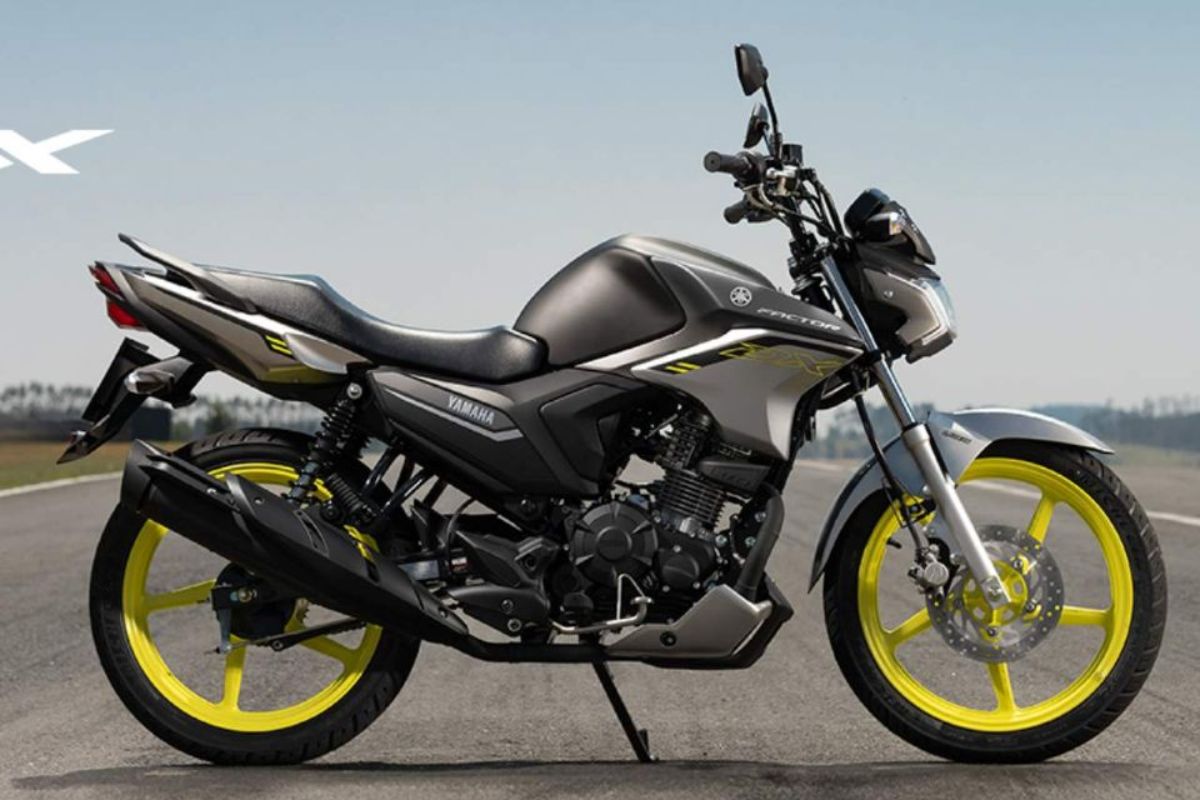


The Brand Confirms The End Of Production Of Yamaha’s Beloved Motorcycles, Factor 125 And Fazer 150, And Bets On New More Modern And Sustainable Models For The Brazilian Market.
The motorcycle market is undergoing a transformation. In 2025, Yamaha decided to end the production of two beloved Yamaha motorcycles, the Factor 125 and the Fazer 150, which have marked generations of motorcyclists for their balance between affordable price and reliability. This measure is part of a strategy to update the portfolio, expand the brand’s presence, and align with new consumption trends.
The exit of these traditional models paves the way for the arrival of more technological versions, such as the Factor DX and the brand new electric scooter Neo’s Connected, which reflect the manufacturer’s focus on innovation and sustainability.
Which Models Replace The Discontinued Motorcycles
Yamaha announced that the old Factor 125 and Fazer 150 will be replaced by updated versions of the Factor line, featuring a more modern design and enhanced standard equipment. The Factor DX emerges as the main option, bringing a renewed look and features aimed at a young audience seeking style combined with economy.
-
A brand new car starts at around R$ 75,000 in Brazil, but what stands out the most is seeing streets filled with SUVs and expensive sedans in a country where millions remain in debt.

-
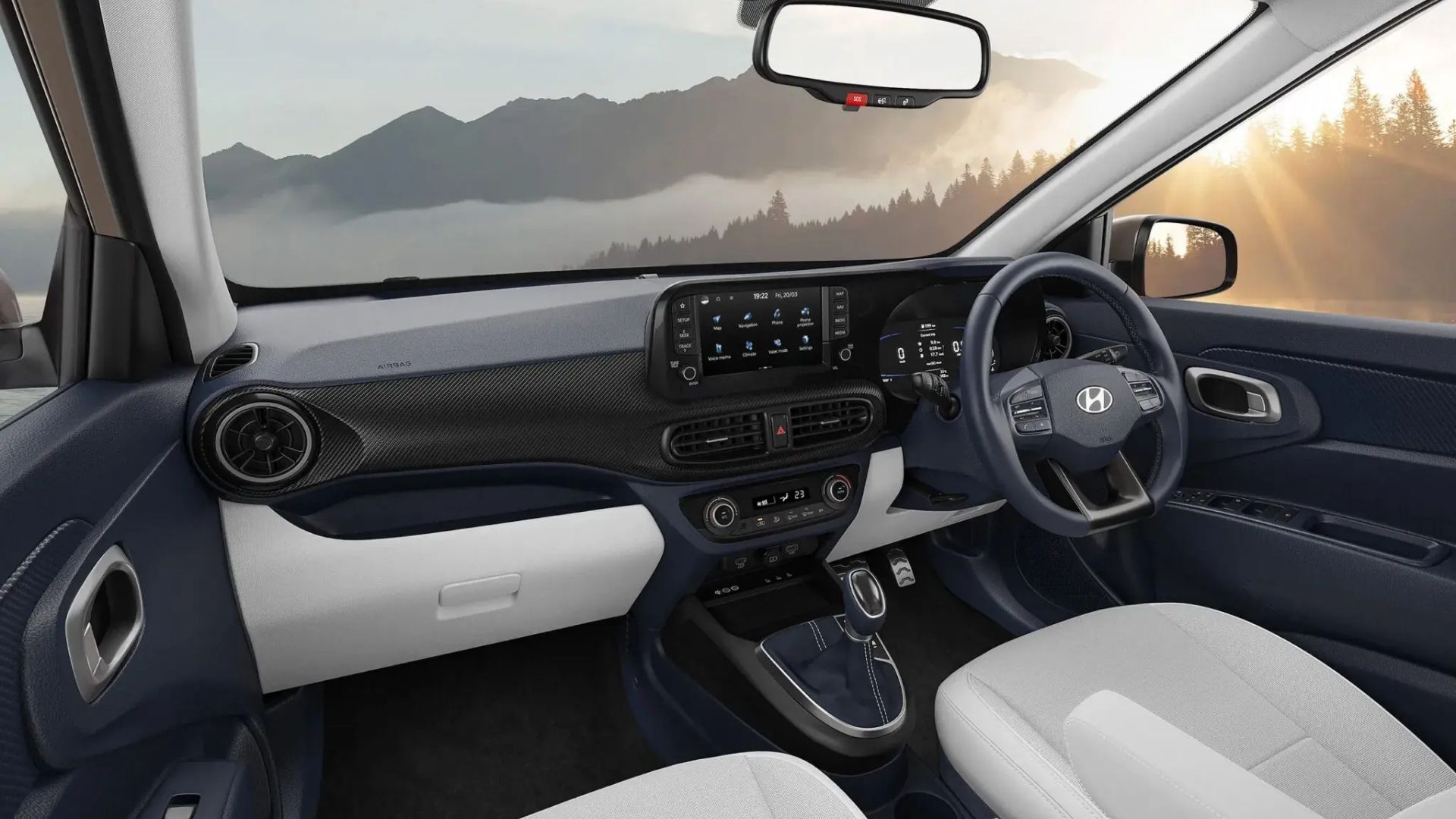
For R$ 32,000, a brand new Hyundai car is a rival to the Kwid with a 1.2 engine producing 82 hp, 6 airbags as standard, multimedia with wireless Android Auto, up to 391 liters in the trunk, and a refreshed look for 2026 in India.
-
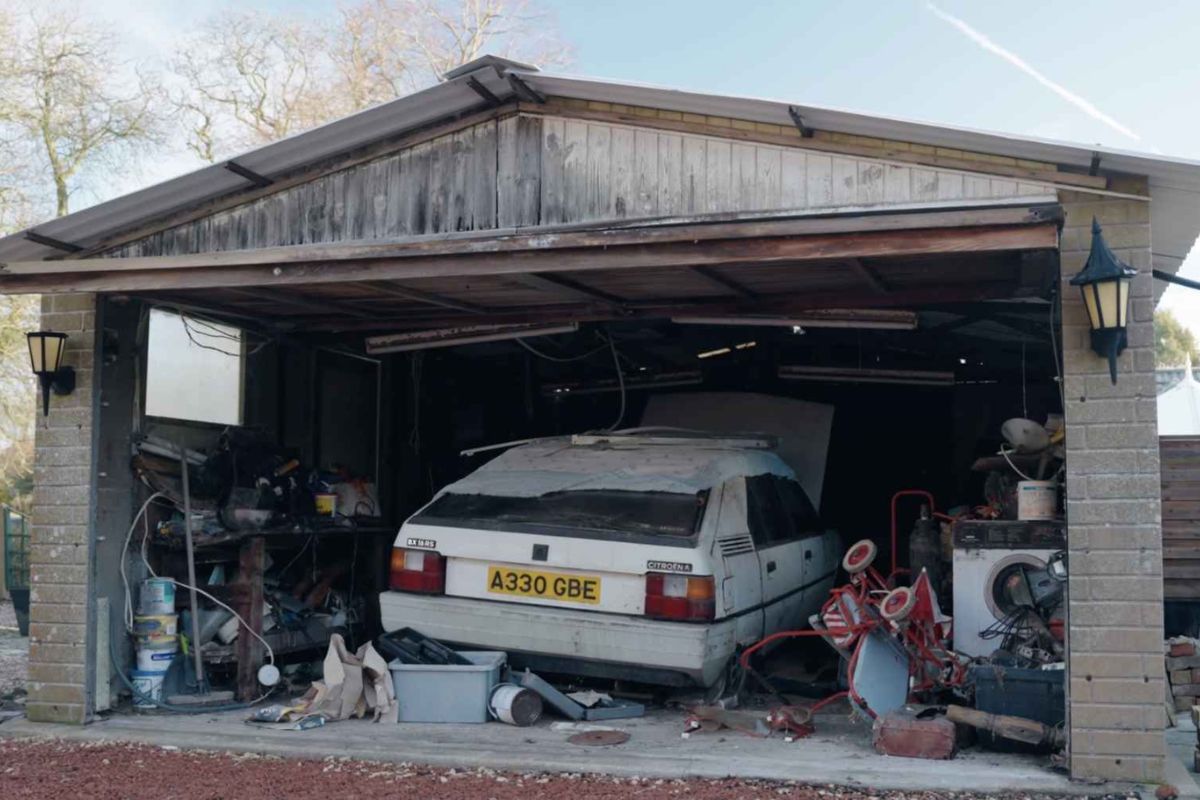
He bought a new car in 1983, locked it in the barn in 1988, and no one opened the door for 38 years until the family discovered what was stored inside and realized it looked like something out of a movie.
-
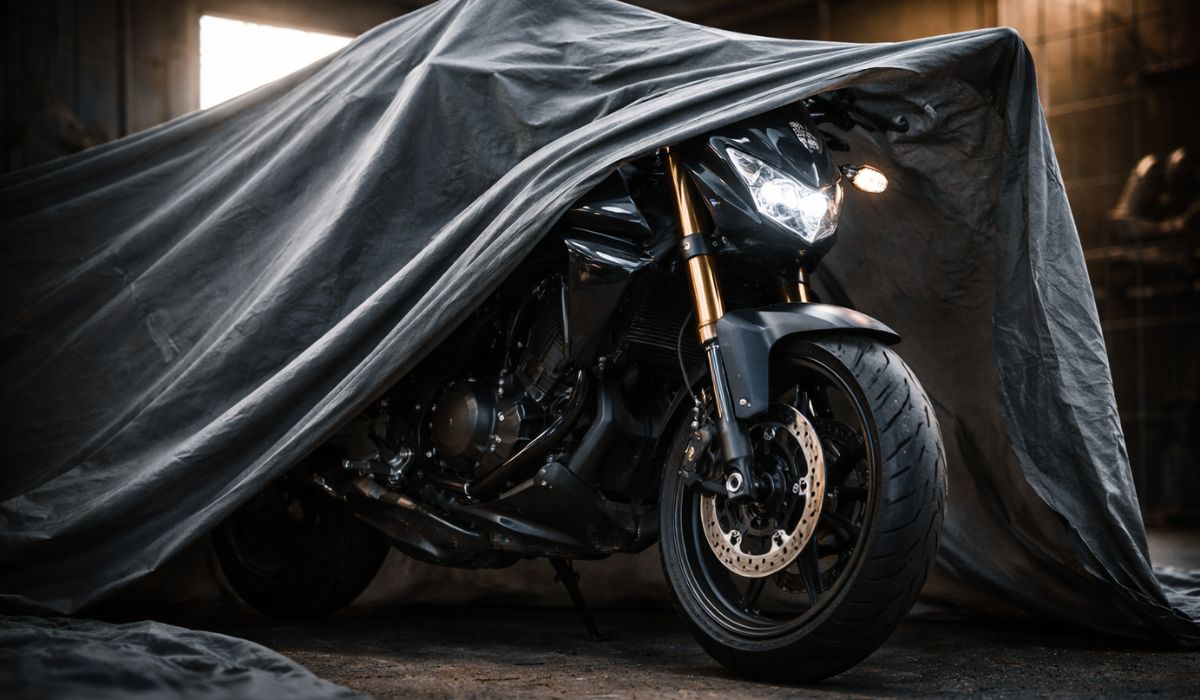
A 250cc motorcycle that can reach 560 km with a 14-liter tank, features disc brakes on both wheels and is among the most well-known in Brazil.

The biggest highlight, however, is the Neo’s Connected, Yamaha’s first electric scooter in Brazil. The model represents the brand’s advancement towards sustainable mobility, a segment that is rapidly growing in large urban centers. In addition to offering practical recharging and low operating costs, the scooter is designed to compete with rivals that are already exploring the electric market.
Why Did Yamaha Make This Decision
The end of two beloved Yamaha motorcycles is directly linked to changes in consumer profiles. Today, motorcyclists seek vehicles that are more connected, economical, and environmentally responsible. As a result, maintaining old models could mean losing competitiveness against Honda and other rivals that are already betting on more advanced technologies.
Furthermore, the Brazilian market has shown greater interest in motorcycles with modern designs, built-in connectivity, and energy efficiency. By prioritizing this repositioning, Yamaha signals its intention to strengthen its image of innovation and adapt to the future of mobility.
The Impact On The Brazilian Motorcycle Market
The announcement caused nostalgia among many consumers, as the Factor 125 and Fazer 150 were responsible for introducing thousands of Brazilians to the world of two wheels. With simple maintenance and competitive prices, they gained a reputation as reliable motorcycles for daily use.
Now, the expectation is that the new launches can maintain this legacy. Models like the Ténéré 700, aimed at adventurers, and the electric scooter Neo’s Connected reinforce the brand’s strategy of diversification and investment in growth niches. This transition could consolidate Yamaha as a brand capable of uniting tradition and the future.
The end of production of the beloved Yamaha motorcycles marks an important strategic turnaround for the brand in Brazil. By retiring the Factor 125 and Fazer 150, the company paves the way to invest in more technological and sustainable models, seeking to win new consumer profiles without losing the trust built over the years.
And you, do you think that Yamaha was right to end the production of these traditional motorcycles? Or do you think there was still space for them in the market? Leave your opinion in the comments.








Tô até vendo indianos , brasileiro é **** vai comprar tomada 12v, coisa que eu mesmo instalei na YBR 05 em 2014,hj numa fazer 150 não uso mais tomada 12v.aff!!
Yamaha como sempre nos tratando como terceiro mundo. Aqui só chega o resto de peças do restante do planeta.
Decisão acertada tomou a Yamaha. Hoje vale a pena investir em modelos tecnológicos e com design moderno que a Yamaha é perfeita.