





 Portuguese
  English
  Spanish
  3 min of reading
  1 comment


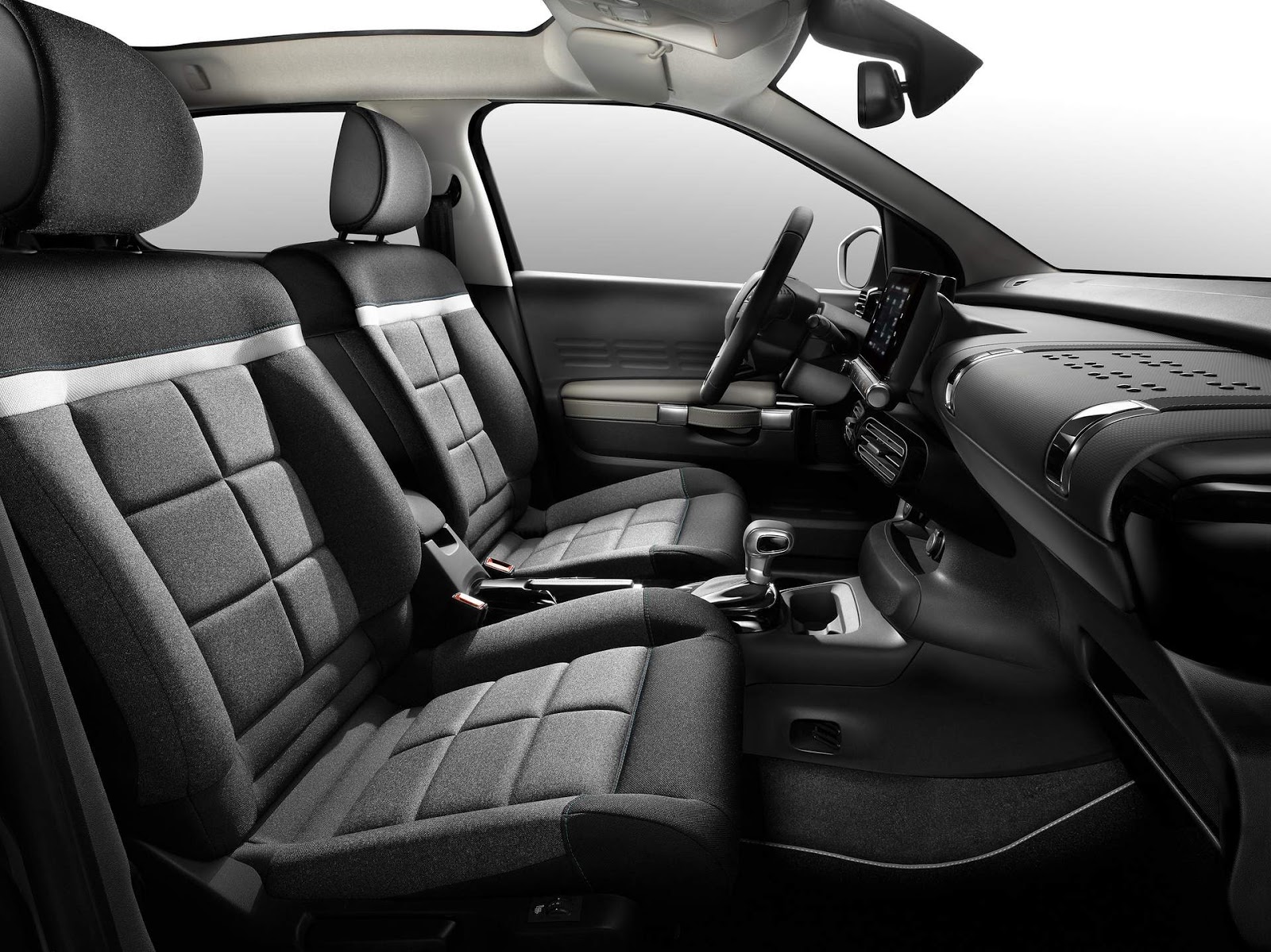


Citroën C4 Cactus Bids Farewell to the Brazilian Market Along with the 1.6 Engines: Discover the Reasons Behind the End of the Brand’s Compact SUV in the Country!
The Citroën C4 Cactus officially stops being sold in Brazil, as already expected. Although it never ranked among the best sellers, the compact SUV was still present on the automaker’s official configurator, something that is no longer the case. In this article, we will explore the trajectory of this model equipped with a 1.6 engine and its impact on the Brazilian automotive market.
Stellantis Confirms the End of Sales of Citroën’s Compact SUV
A remnant of the pre-Stellantis era, the Citroën C4 Cactus finally ceases to be sold in Brazil and no longer appears on the company’s website. The manufacturer confirmed the end of sales in the country, stating that it will continue to be sold in importing countries, indicating that production in Porto Real (RJ) will not yet be finalized. Launched in 2018, the coupe SUV already showed signs that it was about to bid farewell to Brazil.


Throughout 2024, only 1,017 units were sold by the end of November, with the best month being January, when 193 Citroën C4 Cactus were registered.
-
A brand new car starts at around R$ 75,000 in Brazil, but what stands out the most is seeing streets filled with SUVs and expensive sedans in a country where millions remain in debt.

-
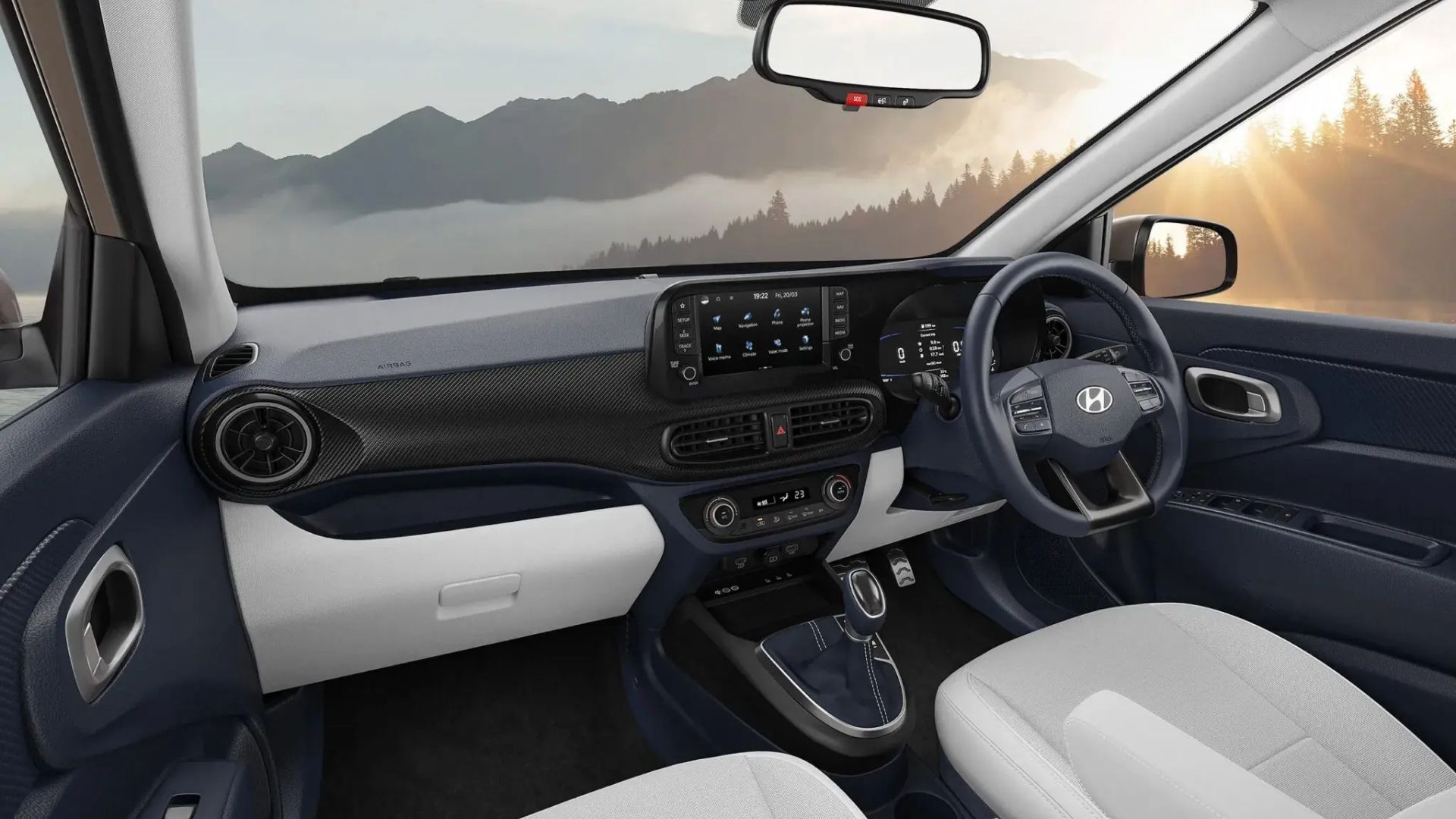
For R$ 32,000, a brand new Hyundai car is a rival to the Kwid with a 1.2 engine producing 82 hp, 6 airbags as standard, multimedia with wireless Android Auto, up to 391 liters in the trunk, and a refreshed look for 2026 in India.
-
He bought a new car in 1983, locked it in the barn in 1988, and no one opened the door for 38 years until the family discovered what was stored inside and realized it looked like something out of a movie.

-
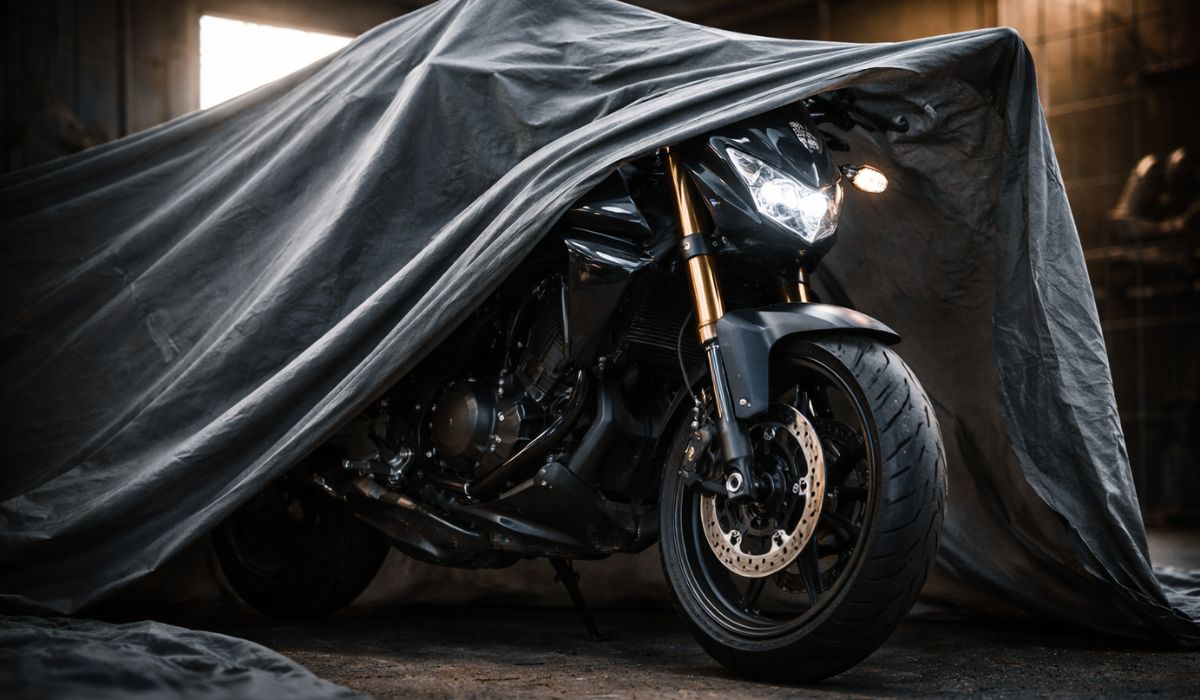
A 250cc motorcycle that can reach 560 km with a 14-liter tank, features disc brakes on both wheels and is among the most well-known in Brazil.

Since then, the numbers have been declining, and last month only 24 cars with 1.6 engines were sold in the automotive sector. There had only been 1,831 units sold in 2023. Since May, the compact SUV from Citroën has not registered over 100 units per month. In November, it reached its lowest number, with 24 registrations.
It was six years of sales of the model without achieving public success, however, it pleased critics. The Citroën C4 Cactus was characterized by its exotic design, good interior space, and good handling. Without it, Citroën focuses only on the C3 family made up of the Hatch and the SUVs Aircross and Basalt.
Citroën’s Compact SUV Exits the Automotive Sector Along with Its 1.6 Engines
The end of the offer of Citroën’s compact SUV is not a surprise. It is an older product and is misaligned with the new strategy of the French brand, which is to offer more affordable cars.
Additionally, it is the last model produced in Porto Real to use the PF1 platform, which was shared with the first generation of the Peugeot 208 and 2008. With the duo now being manufactured in Argentina with the CMP architecture, it is hard to justify the production of Citroën.
Although Stellantis officially states that the car with 1.6 engines will continue to be sold in other countries and does not comment on the end of production, sources claim that the production of Citroën’s compact SUV will be terminated this month, something also confirmed by the website Quatro Rodas.
The farewell of the C4 Cactus also brings an end to the 1.6 engines, both in the aspirated version with 122 horsepower and turbocharged with 173 horsepower, at least for Brazil. The 1.6 engines are still assembled in Porto Real to serve some markets like Argentina, where customers still prefer aspirated engines over turbos.
A Bit of the History of the Citroën C4 Cactus
Launched in France in 2014, the Citroën compact SUV was created to be a fundamental, simple, and practical model to use. It was a compact SUV whose original design drew attention for the various unusual features incorporated by British designer Mark Lloyd, director of the Citroën Design Center in Paris.
The main highlight was the sides protected from minor impacts by wide thermoplastic polyurethane strips, which contained 15 airbags on each side. They were the “airbumps,” which were present in the bumpers.








Não força a amizade,queridinho aonde, matéria ****…