





 Portuguese
  English
  Spanish
  4 min of reading
  14 comments


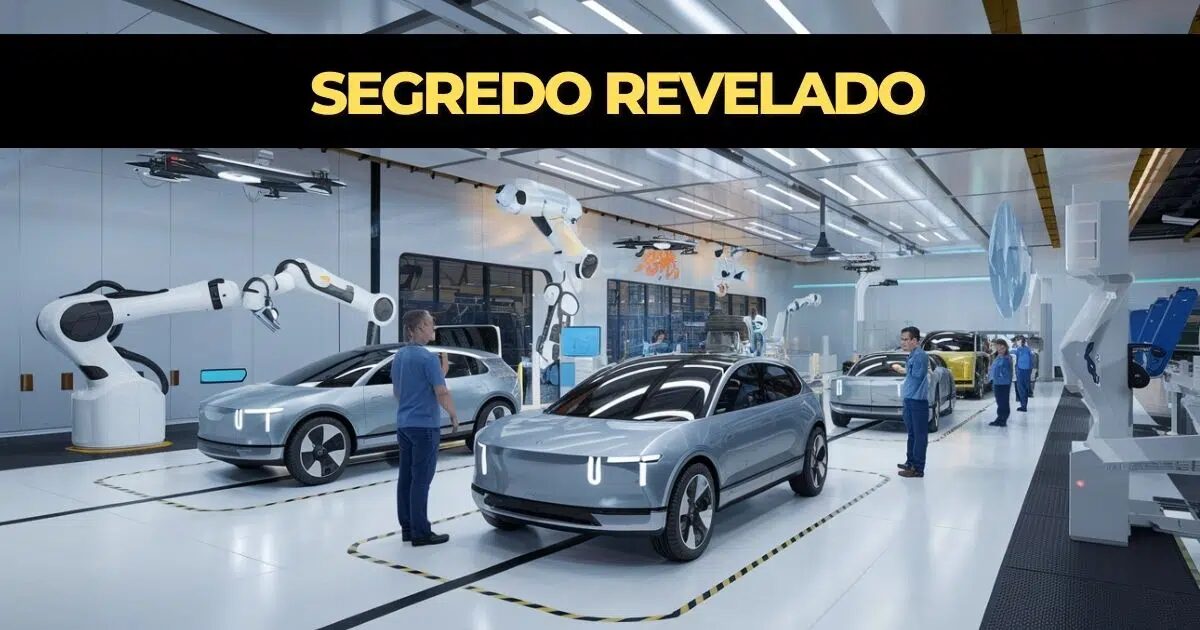

BYD’s Revolution Is Shaking The Foundations Of The Automotive Industry By Challenging The Japanese Lean Model With A Vertical Production That Involves Everything: From Mining To The Steering Wheel. The Consequences For Giants Like Tesla And Toyota Are Unpredictable.
In the world of automakers, one question has caught the attention of experts and consumers: How does BYD manage to manufacture electric cars at such competitive prices?
The answer lies in a silent revolution that challenges traditional vehicle production methods, including the renowned Japanese lean production model.
This transformation has not only propelled Chinese companies but has also provoked a response from the Japanese giants, who are now seeking to reinvent themselves to maintain their relevance in the global market.
-
The Argentine government celebrates the lowest poverty rate in 7 years, but experts warn that the methodology has changed, real wages have fallen, unemployment has risen, and the number of people on the streets of Buenos Aires has increased by 57% since Milei took office.

-
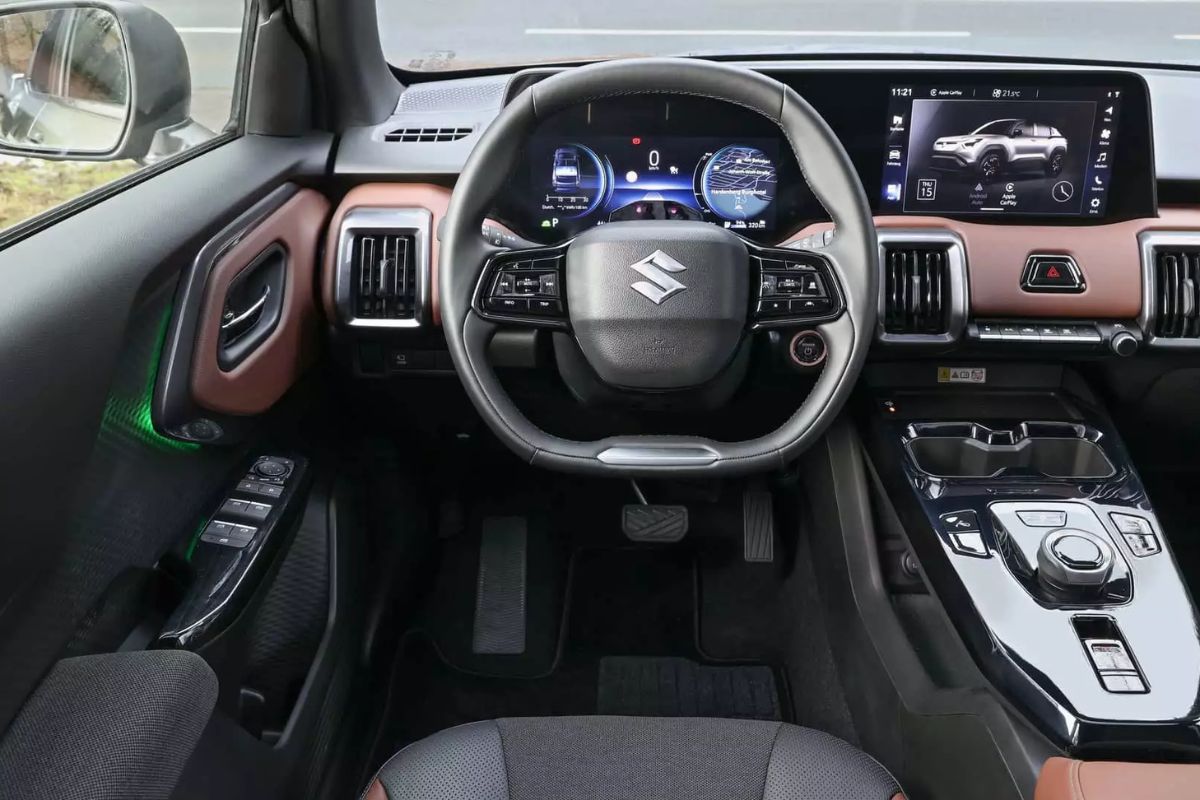
The 2026 electric Vitara arrives in Brazil and proves that Suzuki is not leaving: 4×4 traction, 184 hp, 61 kWh LFP battery, 293 km range, R$ 259,000, and a trunk capacity of 224 L.
-
7.8 magnitude earthquake in Indonesia frightens the population, triggers tsunami alert, and hits an island with over 200,000 inhabitants this Thursday.

-
Google will finally let you change that embarrassing Gmail address you created in your teenage years without losing any accounts, logins, or old emails: the feature is already available in the United States.


The Japanese Revolution After World War II
After World War II, Japan faced the enormous challenge of rebuilding its economy.
With scarce resources, Japanese automakers, led by Toyota, developed an innovative system known as lean production.
This model was based on two pillars: Just in Time, which eliminated inventories by producing parts only when needed, and Kaizen, which promoted continuous improvements in processes.
As explained by the channel Fórmula Turbo, “the lean model reduced costs, increased efficiency, and brought exceptional quality to Japanese vehicles”, consolidating the country as a leader in the automotive sector for decades.
However, the transition to electric vehicles brought new challenges that require different strategies.
BYD And Vertical Production
While Japanese automakers excelled with their lean methods, companies like BYD changed the game by adopting vertical production.
This approach eliminates intermediaries and concentrates the manufacturing of essential components, such as batteries and electric motors, within the company itself.
According to Fórmula Turbo, “BYD controls the entire process, from raw material extraction to delivering the vehicle to the consumer”, ensuring reduced costs and greater efficiency.
Moreover, BYD has battery factories and even its own ships for transportation, significantly reducing logistics costs.
This model has allowed the Chinese automaker to challenge major market players by offering more affordable electric vehicles with cutting-edge technologies.


Tesla: Innovation And Automation
Tesla is another company that adopted vertical production, but with a distinct advantage: the use of highly advanced technologies.
With its Gigafactories, Tesla integrates all production stages in an automated environment.
As pointed out by the channel Fórmula Turbo, “these factories utilize artificial intelligence and robotics to monitor and adjust each phase of the process”, ensuring efficiency and vehicle customization.
Elon Musk, CEO of Tesla, believes that controlling every detail of production is essential to innovate quickly and meet the demands of a constantly evolving market.
This total control also allows Tesla to offer innovative solutions, such as more durable batteries and autonomous driving systems.
The Impact On The Global Market
The rise of vertical production is redefining the standards of the automotive industry.
While the lean model offers flexibility and waste reduction, vertical production ensures independence and greater cost control.
According to experts, automakers that do not adapt to these new trends may lose relevance in the market, especially with the advancement of electric vehicles.
Japanese Automakers Respond
In light of this scenario, companies like Toyota, Nissan, and Honda have begun investing in research and development to integrate automation and the production of essential components.
Robots and intelligent systems are already being incorporated into their factories, combining the lean model with the demands of the modern market.
As reported by Fórmula Turbo, “japanese automakers have created research centers to explore technologies such as artificial intelligence, robotics, and in-house battery manufacturing”, aiming to compete with Chinese and American giants.
Still, the question lingers: will they be able to keep up with the speed and efficiency of the new market leaders?
The Role Of Innovation In Brazil
The impact of these changes is also being felt in Brazil, where brands like BYD and Tesla are expanding their operations.
BYD, for example, has already announced investments to set up battery factories in the country, taking advantage of the emerging electric vehicle market.
Meanwhile, traditional automakers like Toyota and Honda are seeking to modernize their assembly lines to remain competitive in the global landscape.
These initiatives can generate jobs, stimulate the local economy, and accelerate the transition to a more sustainable fleet.
What Is The Future Of The Automotive Industry?
The dispute between lean and vertical production is far from over, but one thing is certain: innovation will be the differentiator for automakers to stand out in the global market.
Whether through automation or independence in component supply, companies that invest in technology and efficiency will be better prepared for the challenges of the future.
Meanwhile, consumers around the world will continue to benefit from the fierce competition among these industry giants.
Do you believe that vertical production will become the global standard in the future, or does the lean model still have room to evolve and surprise?








BYD admitted that they copied Tesla. The ironic thing is that Toyota was a major shareholder in Tesla but didn’t agree with their philosophy. Japan is doomed and will have to have Chinese mfg make their cars for them and rebadge them with their logo. Consumers are not intelligent.
A produção verticalizada é o caminho pelo menos nos próximos 5 a 10 anos porque hoje todo dia muda tudo.
Eu trabalho em uma empresa que usa o Kaisen, acho que já está ultrapassou a linha do tempo, esse método Kaisen é pós guerra, já tá na hora de surgir novos métodos, hoje tem muita tecnologia para reduzir custos e manter a qualidade da produção verticalizada.