





 Portuguese
  English
  Spanish
  4 min of reading
  16 comments


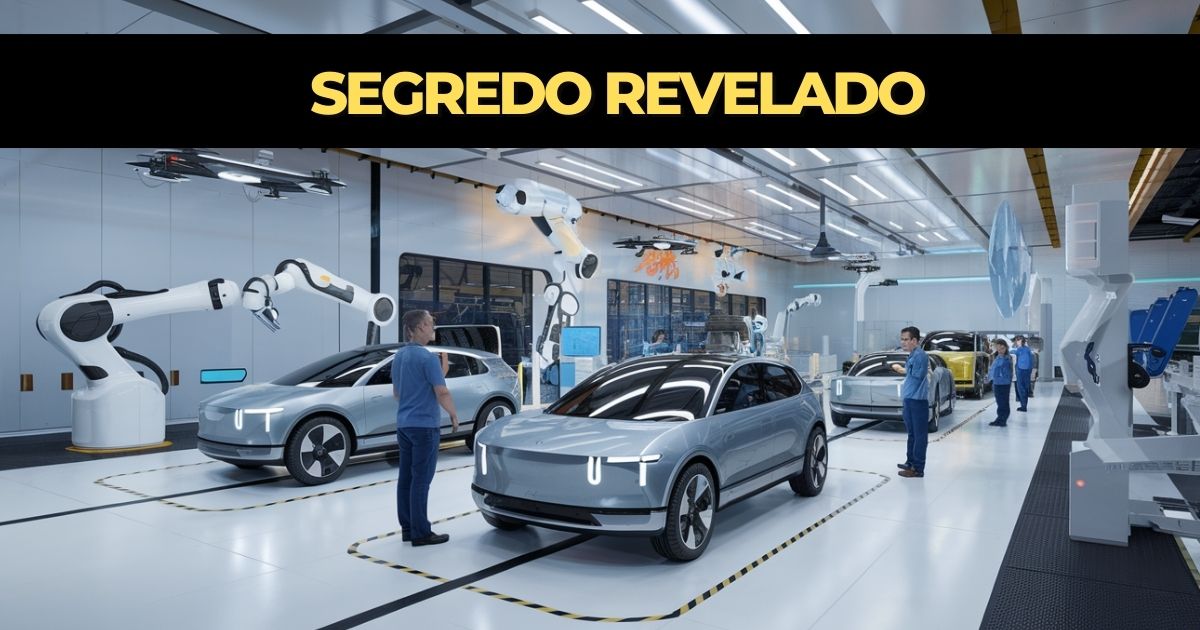


BYD Is Shaking Up The Automotive Industry With Its Vertical Production. Discover How It Challenges Toyota’s Lean Model And Puts Giants Like Tesla On The Radar Of Its Innovation!
In the world of automakers, one question has caught the attention of experts and consumers: how does BYD manage to manufacture electric cars at such competitive prices?
The answer lies in a silent revolution that challenges traditional vehicle manufacturing methods, including the renowned Japanese lean production model.
This transformation has not only propelled Chinese companies but also provoked a response from Japanese giants, who are now seeking to reinvent themselves to maintain their relevance in the global market.
-
A brand new car starts at around R$ 75,000 in Brazil, but what stands out the most is seeing streets filled with SUVs and expensive sedans in a country where millions remain in debt.

-
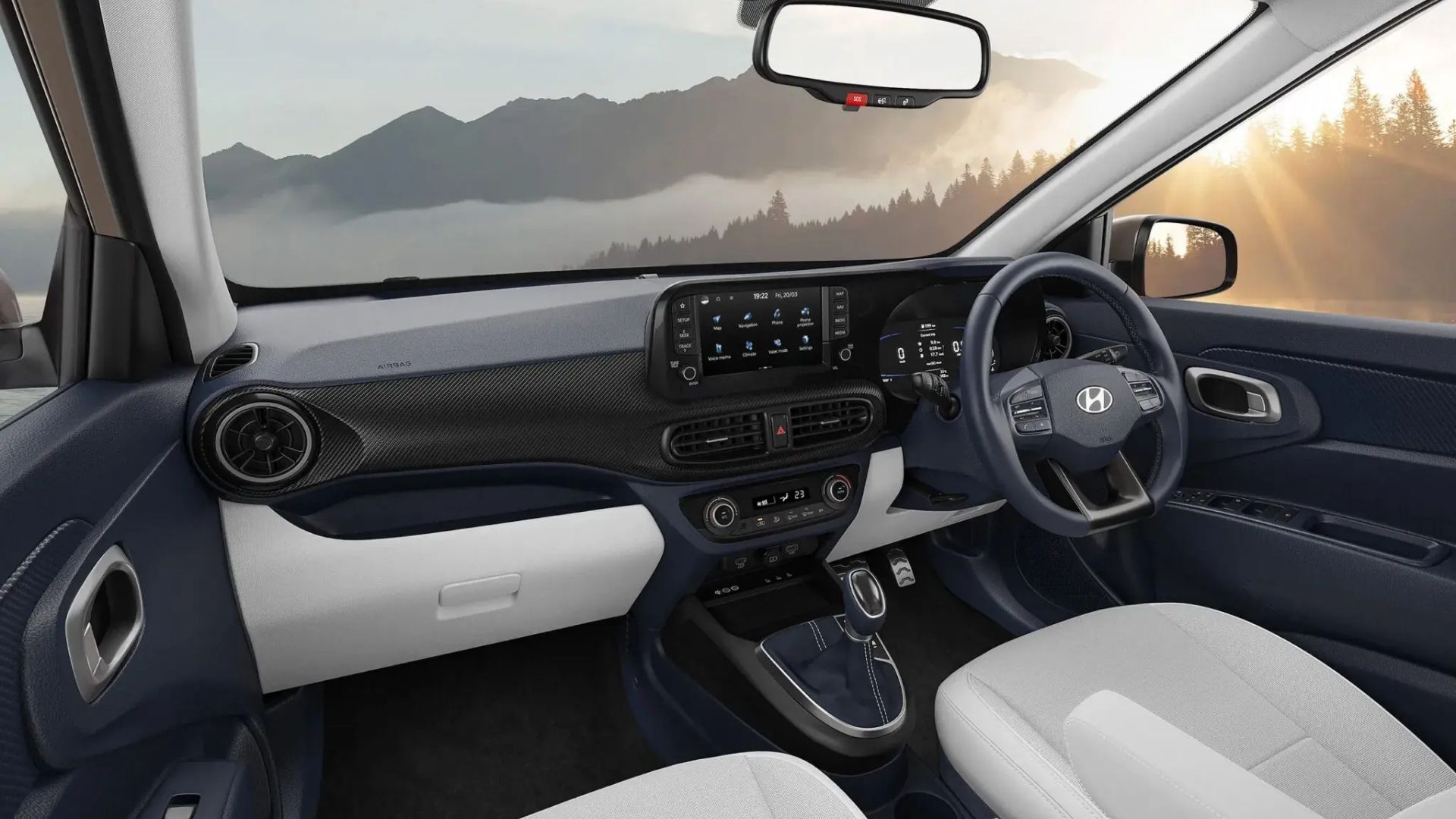
For R$ 32,000, a brand new Hyundai car is a rival to the Kwid with a 1.2 engine producing 82 hp, 6 airbags as standard, multimedia with wireless Android Auto, up to 391 liters in the trunk, and a refreshed look for 2026 in India.
-
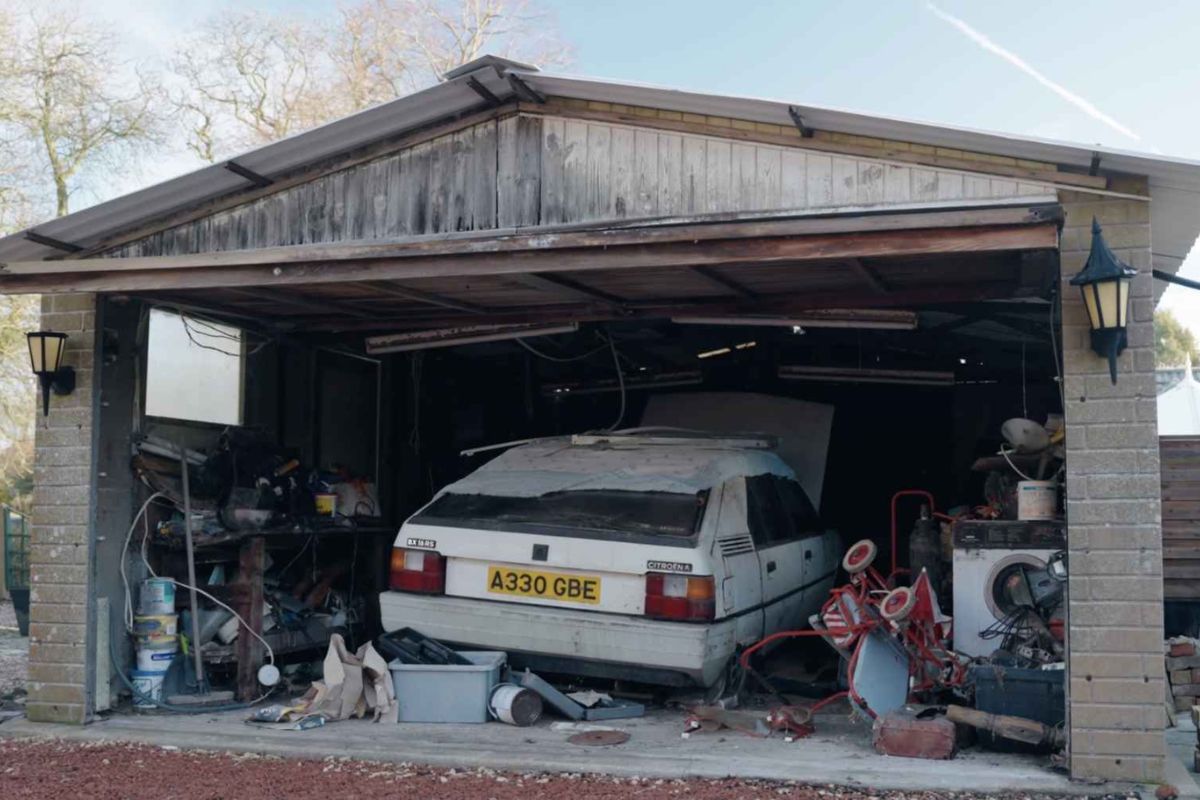
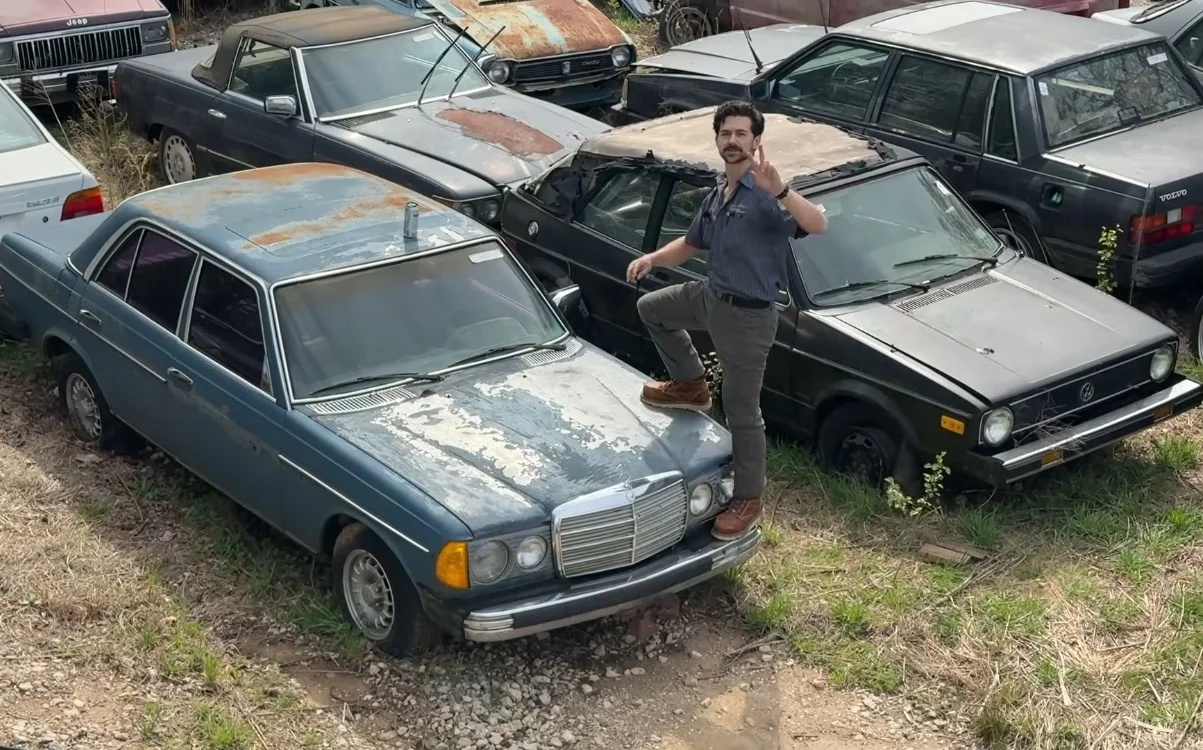
He bought a new car in 1983, locked it in the barn in 1988, and no one opened the door for 38 years until the family discovered what was stored inside and realized it looked like something out of a movie.
-
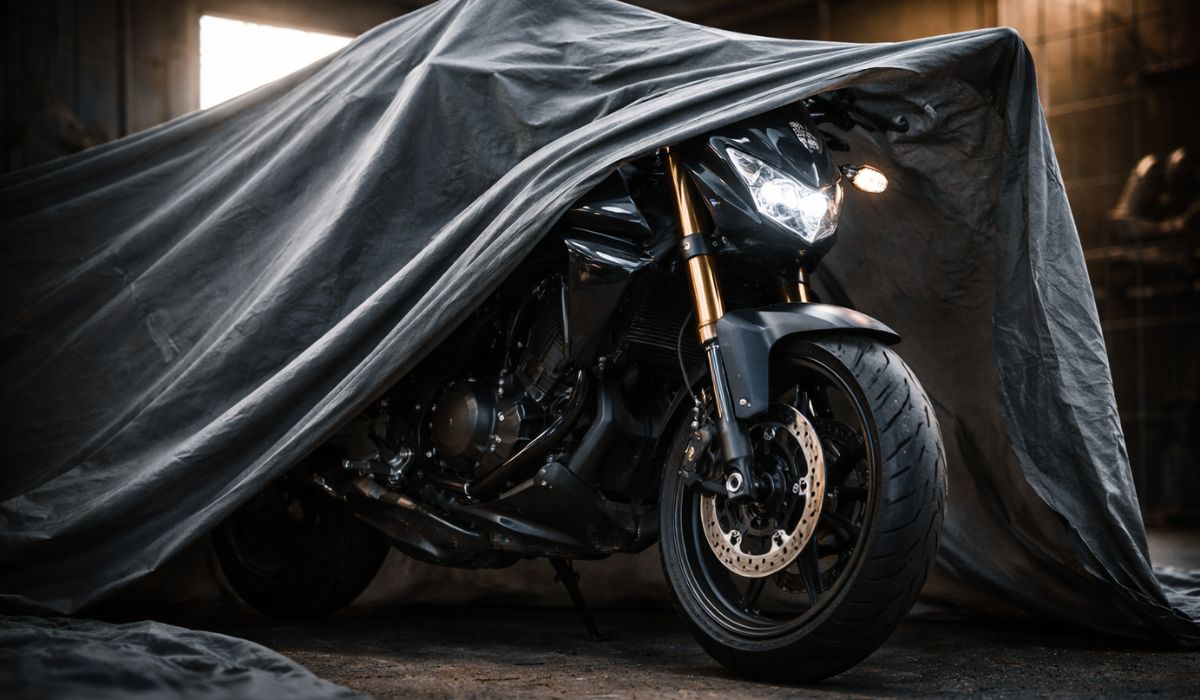
A 250cc motorcycle that can reach 560 km with a 14-liter tank, features disc brakes on both wheels and is among the most well-known in Brazil.

The Japanese Revolution After World War II
After World War II, Japan faced the enormous challenge of rebuilding its economy.
With scarce resources, Japanese automakers, led by Toyota, developed an innovative system known as lean production.
This model was based on two pillars: Just in Time, which eliminated inventories by producing parts only when necessary, and Kaizen, which promoted continuous improvements in processes.
As explained by the channel Fórmula Turbo, “the lean model reduced costs, increased efficiency, and brought exceptional quality to Japanese vehicles”, consolidating the country as a leader in the automotive sector for decades.
However, the transition to electric vehicles brought new challenges that require different strategies.
BYD and Vertical Production
While Japanese automakers excelled with their lean methods, companies like BYD changed the game by adopting vertical production.
This approach eliminates intermediaries and concentrates the manufacturing of essential components, such as batteries and electric motors, within the company itself.
According to Fórmula Turbo, “BYD controls the entire process, from raw material extraction to vehicle delivery to the consumer”, ensuring reduced costs and greater efficiency.
Additionally, BYD has its own battery factories and even ships for transportation, significantly reducing logistical expenses.
This model has allowed the Chinese automaker to challenge major market players by offering more affordable electric vehicles with cutting-edge technologies.


Tesla: Innovation and Automation
Tesla is another company that adopted vertical production, but with a differential: the use of highly advanced technologies.
With its Gigafactories, Tesla integrates all production stages in an automated environment.
As pointed out by the Fórmula Turbo channel, “these factories use artificial intelligence and robotics to monitor and adjust each phase of the process”, ensuring efficiency and customization of vehicles.
Elon Musk, Tesla’s CEO, believes that controlling every detail of production is essential for rapid innovation and meeting the demands of a constantly evolving market.
This total control also allows Tesla to offer innovative solutions, such as more durable batteries and autonomous driving systems.
The Impact on The Global Market
The rise of vertical production is redefining the standards of the automotive industry.
While the lean model offers flexibility and waste reduction, vertical production ensures independence and greater cost control.
According to experts, automakers that do not adapt to these new trends may lose relevance in the market, especially with the advancement of electric vehicles.
Japanese Automakers Respond
In light of this scenario, companies like Toyota, Nissan, and Honda have begun investing in research and development to integrate automation and the production of essential components.
Robots and intelligent systems are already being incorporated into their factories, combining the lean model with the demands of the modern market.
As reported by Fórmula Turbo, “Japanese automakers have created research centers to explore technologies such as artificial intelligence, robotics, and in-house battery manufacturing”, seeking to compete with Chinese and American giants.
Still, the question remains: will they be able to keep up with the speed and efficiency of the new market leaders?
The Role of Innovation in Brazil
The impact of these changes is also being felt in Brazil, where brands like BYD and Tesla are expanding their operations.
BYD, for example, has already announced investments to set up battery factories in the country, taking advantage of the emerging electric vehicle market.
Meanwhile, traditional automakers like Toyota and Honda are looking to modernize their assembly lines to remain competitive in the global landscape.
These initiatives may generate jobs, stimulate the local economy, and accelerate the transition to a more sustainable fleet.
What Is The Future of The Automotive Industry?
The competition between lean and vertical production is far from over, but one thing is certain: innovation will be the differentiator for automakers to stand out in the global market.
Whether through automation or independence in the supply of components, companies that invest in technology and efficiency will be better prepared for future challenges.
Meanwhile, consumers worldwide will continue to benefit from the fierce competition among these industry giants.
Do you believe that vertical production will be the global standard in the future, or does the lean model still have room to evolve and surprise?







Quem projeta peças adequada para cada veículo é a montadora e quem pode fabricar melhor com eficiência e enxuta são parceiros independentes! Para concorrer com verticalização, basta forte interação, comunicação direta entre os dois! Essas interações tipo japoneses não dá para ninguém! Verticalização é complexa e custosa.
A verdade é que a china com a BYD está investindo realmente numa matriz energética limpa e verde com os carros elétricos, coisa que o Brasil não faz, pelo contrário faz é dificultar a aquisição dos mesmos e continuar usando combustível fóssil destruindo ainda mais a camada de ozônio do nosso planeta.
Esses carros elétricos são tragédia anunciada. Não temos estrutura de carregamento de bateria. Sem contar que não venda o preço cai 50 por cento. Se vc pagou 200 mil e for vender, o mercado vai pagar 100 mil no carro.
Não esquecendo que a bateria e água não combinam. E, perdeu a bateria, joga o carro fora.
Papo de dono e vendedor de garagemlns/usados, irá tomar no C, o que fazer com seus carros velhos, antigos e cheios de defeitos querendo vender como foce novo. Kk sentindo ameaçados por elétricos, distribuem essas frases aí, nem me anicoa ou fabricantes são, pagam de que entendem, só se fora de valores, vendas e revendas, mais revendas. Kk Quero que se explodam todos … Estão acostumados revender carros por financiamentos por meio de bancos – verdadeira quadrilha – cobrando de ****, por valor mais caro, no final das contas mais caro que carro de luxo, novo. Muda a retórica, essa aí não cola. Consumidores continuem comprando carro elétricos. Jajá esse país e governo mudam, ou restringem de vez as fabricantes. Detalhe, mudando esse modo de consumo, muda todos, né?! Vão todos (fabricas e comércios) se lascar!!! Combustível fósseis, distribuidoras, refinarias, comerciantes malas, produtores e por aí aí vai todos se ****. Kkk São os meios que usam da língua, pra proferidas frases contra esse novo sistema de locomoção, medo de perderem o reinado e a roubalheira. Mas pior de tudo é que estes ainda perdem, por que a máquina sangue suga, chamado governo, não deixam de faturar encima seja de quem quer que seja. Kkk então estamos todos fudidoa mesmo, sem sai. Verdadeiros escravos conscientes, mas **** não de escrita/leitura (que é precário)
Mas de raciocínio, história, sociedade e pior de tudo de Direito ou seja de conhecimento verdadeiro. Que por sinal pouquíssimos tem, e quando tem são vaidosos e individualistas, usam pra benefício próprio em detrimento do outro. Ou seja, o problema não é o carro elétrico é você consumidor viciado, fácil de ser enganado. Mas em, carro elétrico é melhor que o de movimentação por meio de combustível fósseis. Isso não precisa nem de um especialista pra perceber. Não é atoua que está ai, crescendo e conquistando espaço. Vai que é rua Taffarel. Morte aos urubus!!!
Claro! Qual pobre **** irá financiar um carro usado elétrica num valor de 70% encima do valor original de um novo? Nem banco quer dar essa carta branca (não são bestas) para pobres que ganham abaixo de 2k ao mês. Tão preocupadinhus, né?! Kkk Não mundo das quadrilhas sempre há o que se rebela e trai o bando, neste caso os bancos. Kk