





 Portuguese
  English
  Spanish
  3 min of reading
  0 comments


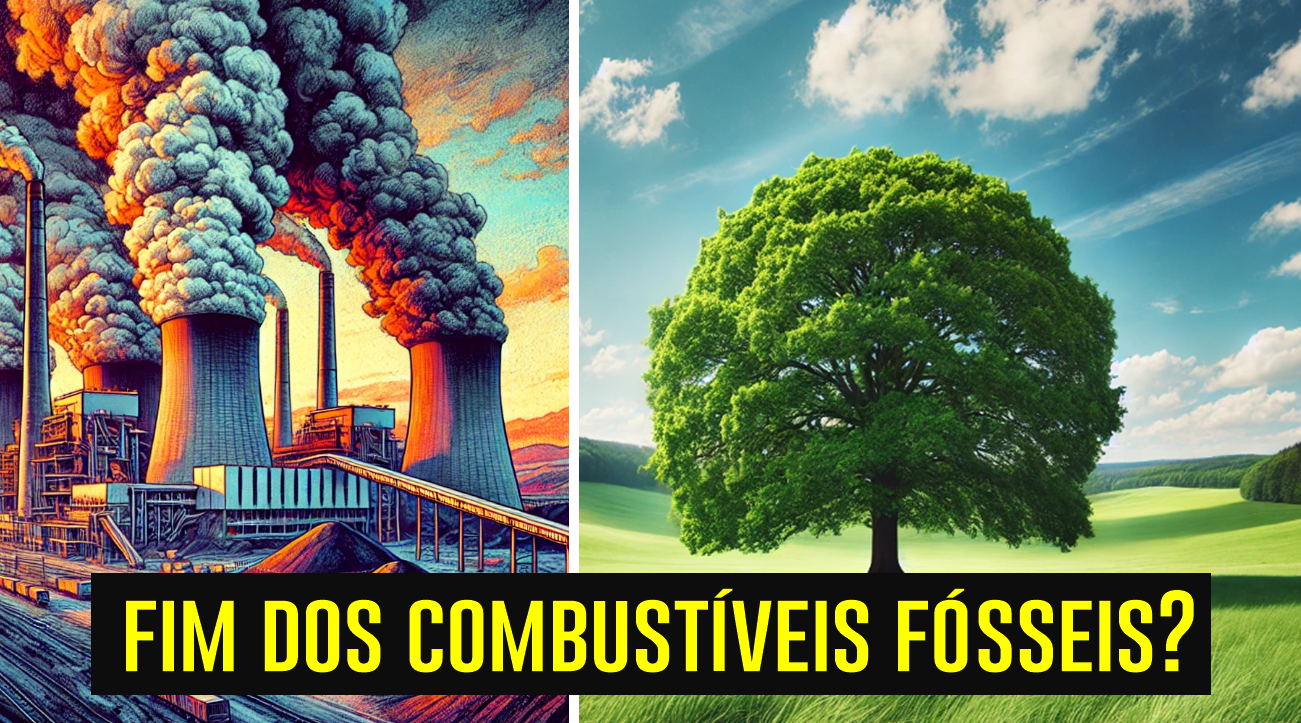
Trees With Dense Wood and High Calorific Power Ensure Efficient and Sustainable Burning, Surpassing Fossil Fuels!
End of Fossil Fuels? Researchers from the Rwanda Forestry Authority have identified two species of trees capable of producing clean electricity, offering a sustainable alternative for isolated areas suffering from a lack of energy.
The initiative aligns with the country’s efforts to achieve 100% electricity coverage by 2030, an ambitious goal facing obstacles due to the difficulty of bringing infrastructure to rural communities.
-
Scientists have created robots made with living cells that have their own nervous system, swim on their own, explore the environment, and self-organize without any genetic engineering, and now they want to do the same with human cells.

-
Students create a solar-powered ambulance that operates without a plug, without fuel, and still keeps medical equipment running in remote areas.

-
French “ghost” submarine lost in World War II reappears after more than 80 years on the seabed near the coast of Spain.

-
A simple stitch in wood with nylon thread can reduce adhesives, speed up production, and make sheets up to 4 times stronger and 14 times more difficult to break.

Fossil Fuels Are Out? Biomass as an Energy Source
In an effort to explore alternative sources, scientists are evaluating biomass as a substitute for fossil fuels. According to Bonaventure Ntirugulirwa, senior researcher and project leader, biomass is a source that is underutilized despite its significant energy potential. “This project aims to meet the electricity needs in areas where access is scarce,” explained Ntirugulirwa.

Among the species tested, the Senna siamea and Gliricidia sepium trees stood out. These fast-growing plants have dense wood and high calorific value, making them more efficient at generating heat and energy than conventional options.
This type of biomass, besides being ecological, offers a viable and economical alternative for communities far from urban centers.

Additional Benefits of Energy Trees
In addition to energy generation, the project presents environmental and social advantages. The chosen trees have the potential to contribute to soil quality, enhance food security, and aid in mitigating climate change, a relevant impact in rural communities.
According to Ntirugulirwa, “this study goes beyond electricity, also seeking to promote sustainability and reduce rural poverty.”
Other multipurpose trees were investigated in the study, such as Cajanus cajan (pigeon pea) and Senna spectabilis, which provide not only biomass but also essential resources for farmers.
The project allows farmers themselves to select the practices and species best suited to their needs, facilitating the use of these trees for various purposes, from fuel to fertilizer.
Electricity Production With Biomass From Trees
To advance in electricity production, the research team began analyzing the biomass of these trees with the Rwanda Standards Board, checking its calorific value.
Despite this, to assess additional elements, such as carbon and hydrogen, it will still be necessary to send samples to laboratories in Sweden, as Rwanda lacks sufficient infrastructure.
The project, which also involves local farmers, aims to integrate these communities into the energy production process. Ntirugulirwa emphasizes that active participation from farmers is essential to generate enough biomass to meet energy demand in the most remote areas.
Expert Opinion
Bioenergy experts support the project, which would be an alternative to fossil fuels. Babatunde Ajayi, a professor at the Federal University of Technology in Akure, Nigeria, highlighted the positive impact of this alternative for electricity generation in rural areas. “It is a relief to see an initiative that addresses energy scarcity and rural poverty at the same time,” said Ajayi, comparing the use of biomass to solar energy, where the natural resource is converted into electricity through a sustainable process.
Ajayi also highlighted the potential for replicating this model in other African regions facing similar challenges.







Seja o primeiro a reagir!