





 Portuguese
  English
  Spanish
 6 min of reading
  0 comments


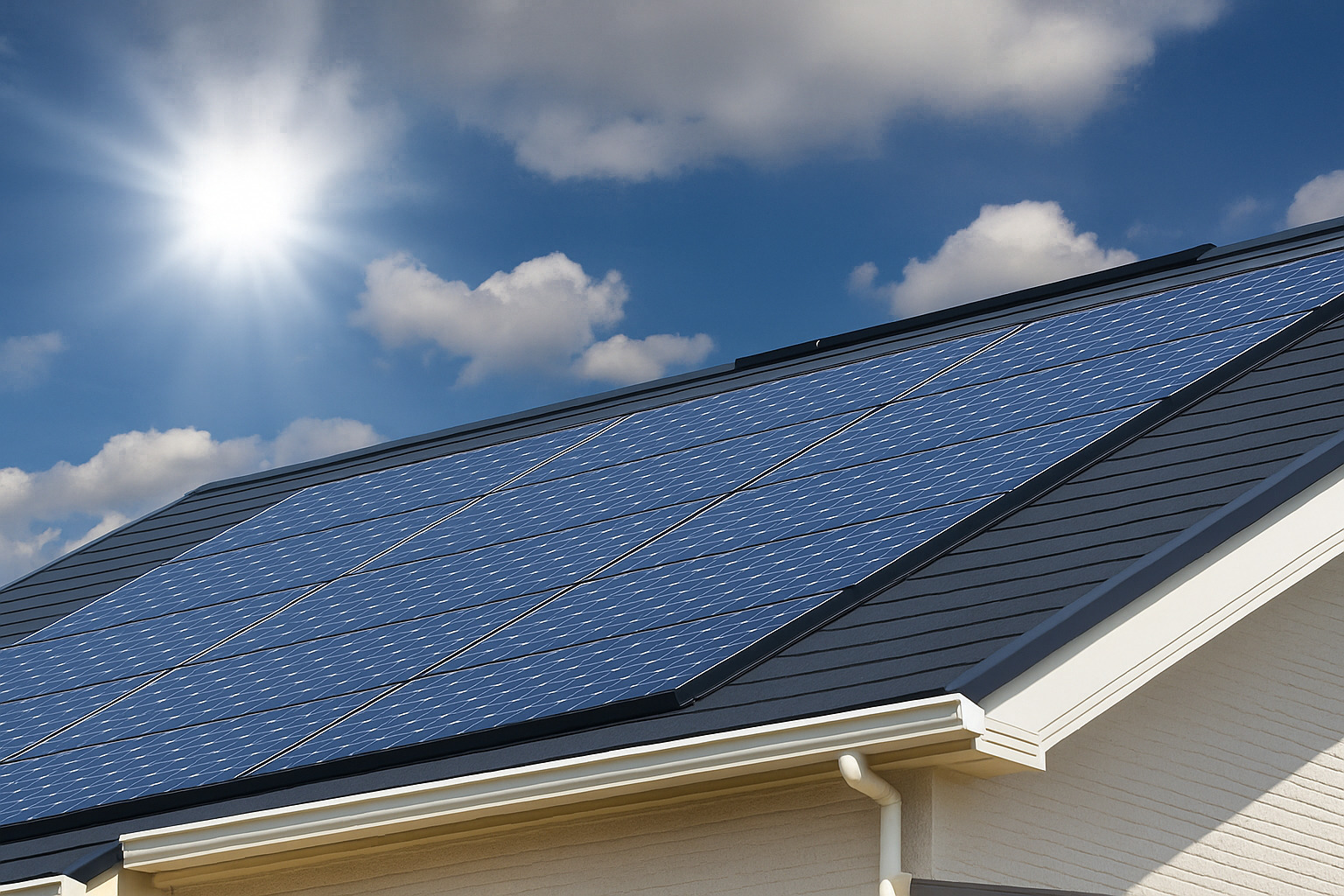
Discover How Financing Drives Solar Energy Expansion in São Paulo and Makes Clean Projects More Accessible.
Currently, the solar energy sector in São Paulo is experiencing a significant transformation.
In fact, the growth of financing for solar projects in the state demonstrates how the Brazilian energy matrix continuously adapts to new demands for sustainability and economy.
According to data from Santander Financial, the state granted 112% more credit for solar energy in 2024; therefore, it is clear that there is a growing interest from businesses and households in investing in renewable sources.
-
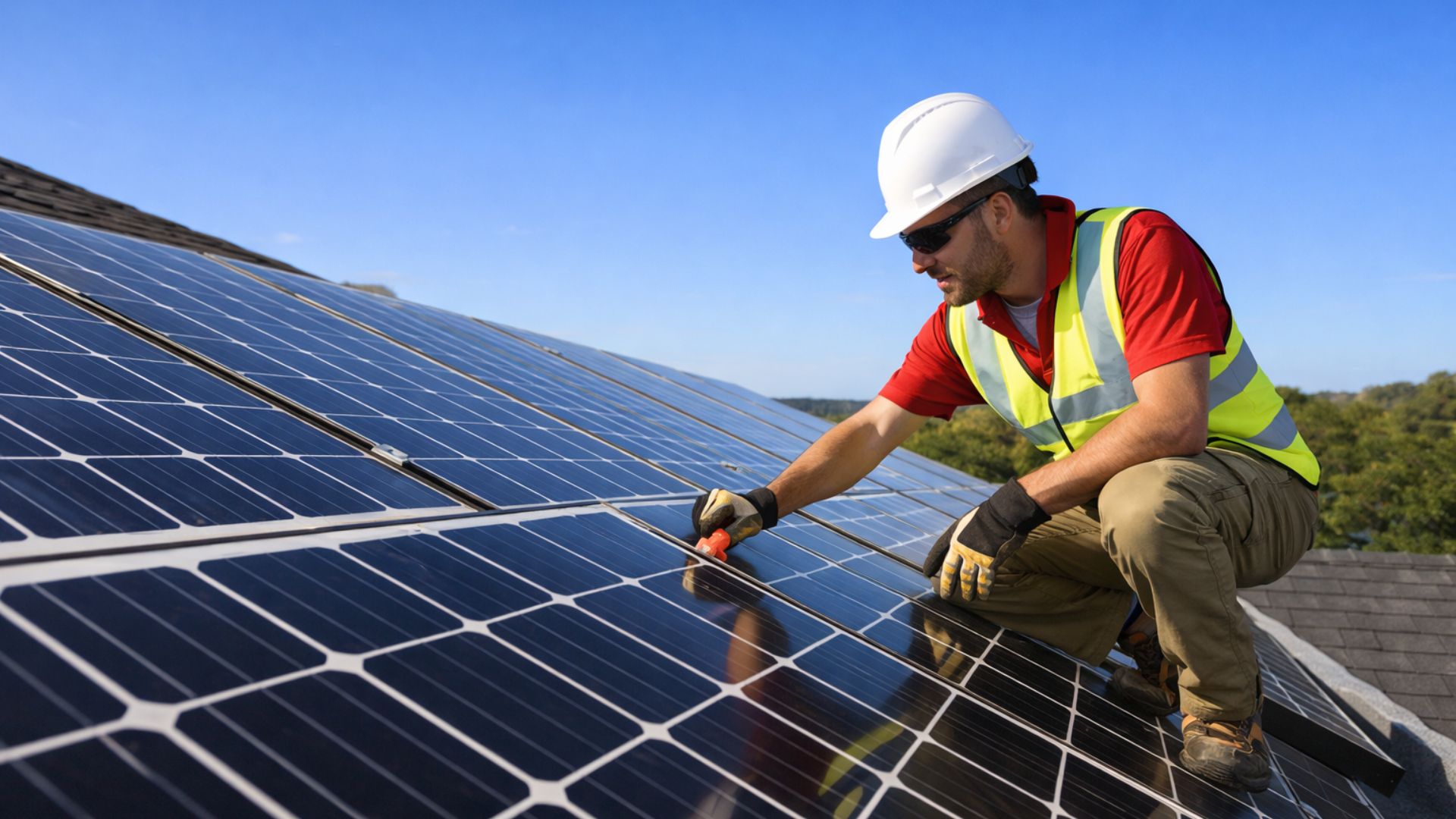
Seagri’s headquarters invests in solar energy with Neoenergia Coelba and promises to cut electricity costs, highlighting a strategic advance in sustainability and energy efficiency within state public administration.
-
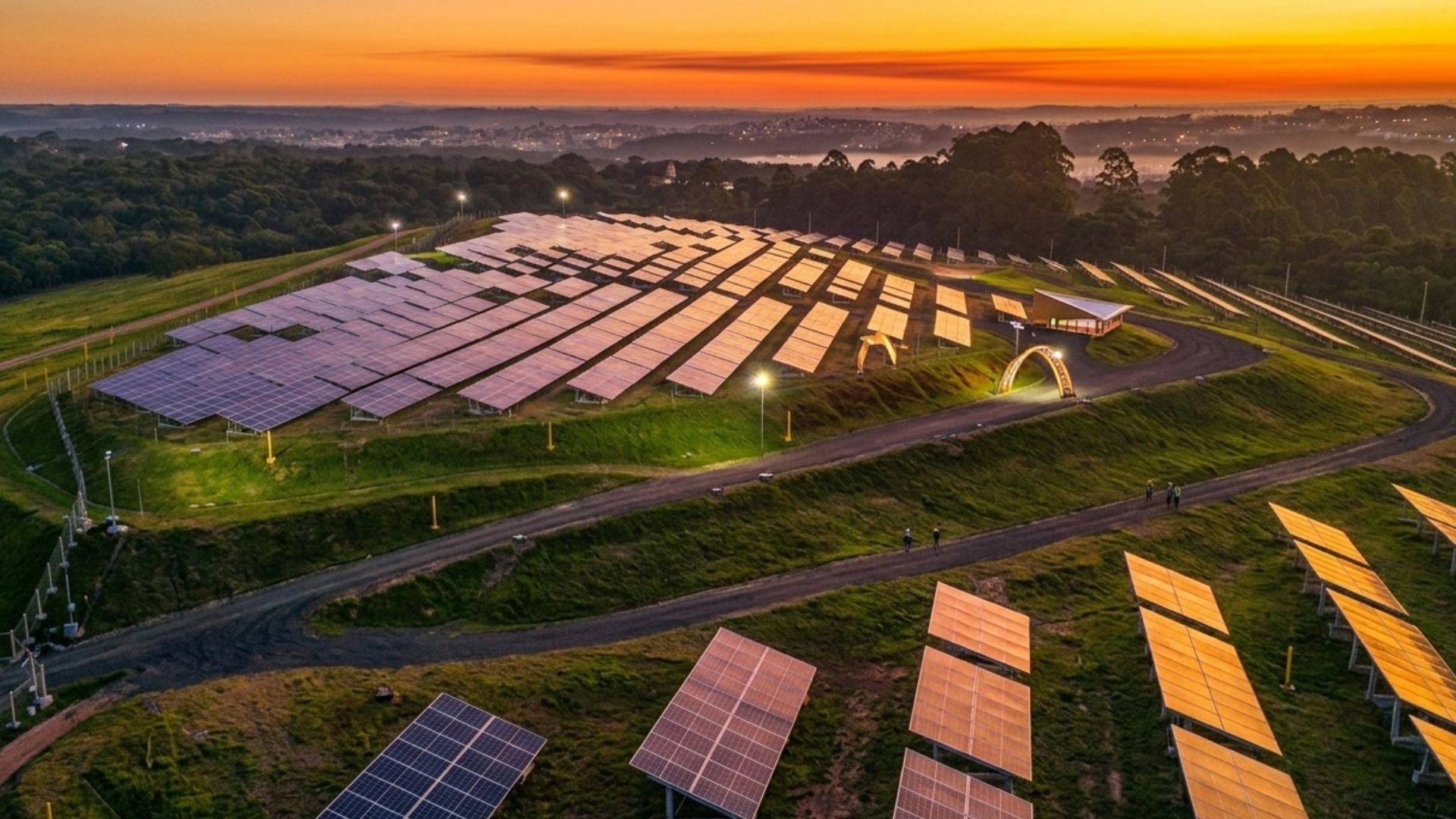
Solar Pyramid draws attention by converting solar energy into million-dollar savings and repositioning the City Hall of Curitiba as an example of innovation, sustainability, and intelligent use of public resources.
-
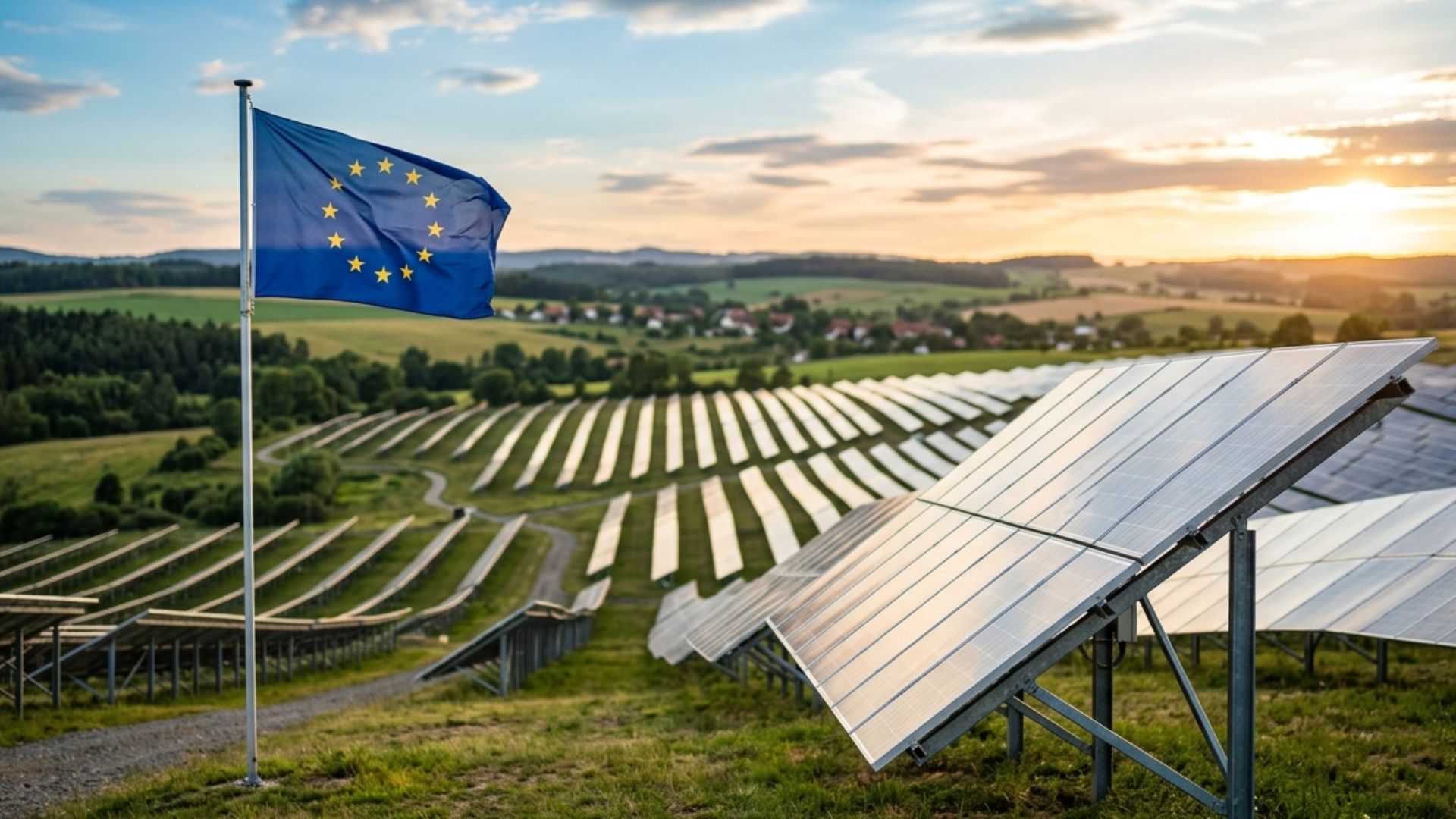
Europe records strong euro economy with solar energy in March and sparks curiosity about which country leads growth that redefines the energy market and reduces costs.
-
Piauí reaches a historic milestone in energy transition: State records nearly 160,000 households powered by solar energy and leads growth in the Northeast.

Historically, Brazil has always had a great solar potential due to its privileged geographical location.
Consequently, the average annual solar radiation in the country is among the highest in the world, making it feasible to harness this energy source in virtually all regions.
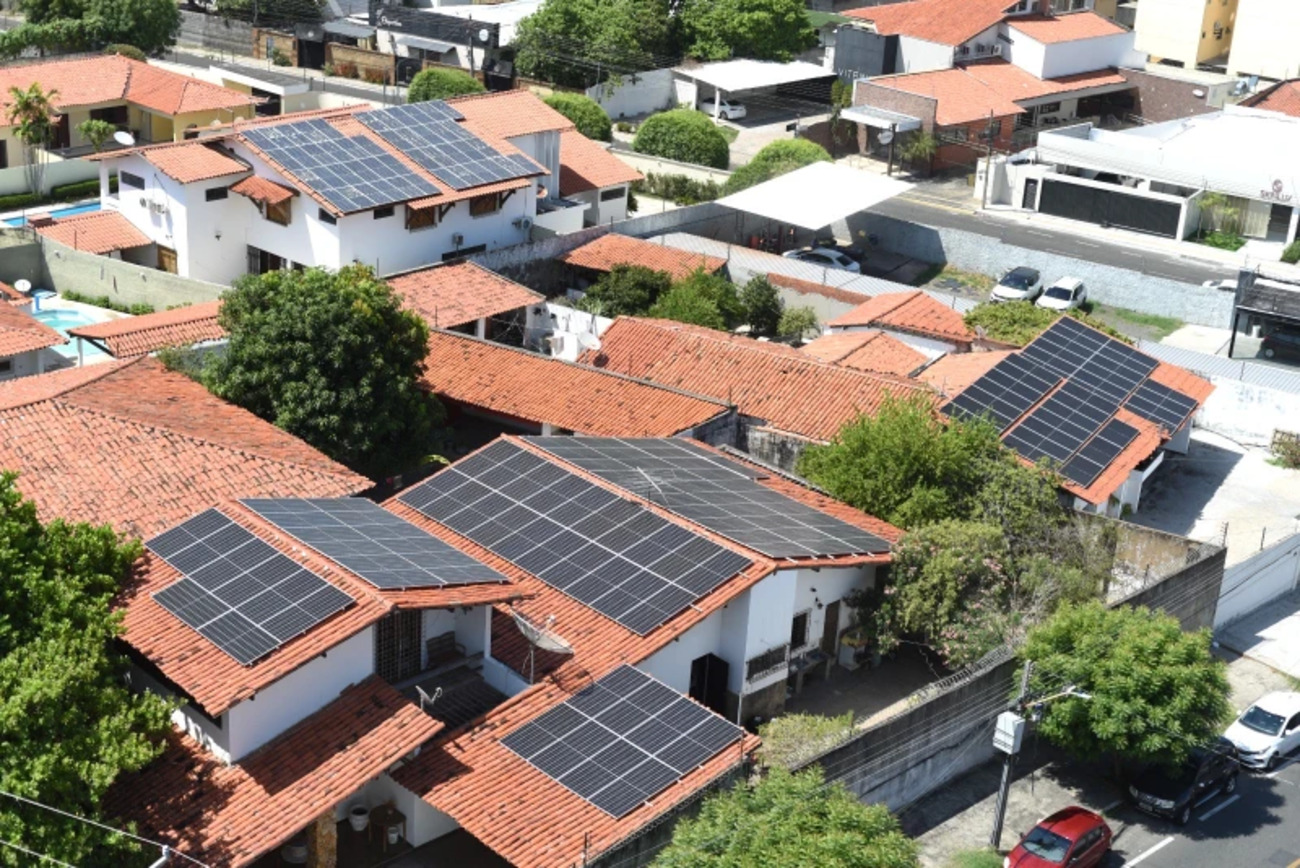
Moreover, São Paulo, being the most populous and economically developed state in the country, concentrates a large part of this potential in photovoltaic systems, both in residences and commercial and industrial enterprises.
The growth of solar energy in São Paulo thus aligns with the expansion of the national energy matrix, which has undergone various transformations over the last few decades.
Initially, Brazil invested heavily in hydropower plants, solidifying hydraulic energy as the main source of electricity.
However, due to rising demand and extreme climatic events, along with the need for diversification, the energy sector sought renewable alternatives such as solar and wind energy.
In this way, solar energy proves to be an efficient and low environmental impact solution.
Additionally, the accelerated industrialization and urbanization of the state have also driven the adoption of solar energy.
With cities constantly growing, electricity consumption has increased considerably; hence, there arose a need for solutions that ensure reliable and cheaper energy.
In this context, solar energy represents a strategic response to urban demands, offering energy autonomy and cost reduction.
Financing as the Engine of Expansion
In São Paulo, the search for solar energy financing reflects, therefore, the change in mindset of consumers and companies.
In fact, access to facilitated credit allows small and medium projects to advance rapidly.
Moreover, the financing covers not only photovoltaic panels but also storage batteries, charging stations, electric chargers, monitoring systems, and mounting structures; consequently, it offers complete solutions for those wishing to invest in clean energy.
Thus, this integrated approach ensures that projects operate efficiently and sustainably over time.
Public policies and financial incentives play an essential role.
For example, state and federal incentive programs, along with specific credit lines, make investing in solar energy in São Paulo more accessible.
Additionally, financial institutions, such as Santander, have created solutions tailored to market needs and strengthened strategic partnerships with suppliers and installers of photovoltaic systems.
The impact of solar energy goes beyond the environment.
By installing photovoltaic systems, families and businesses significantly reduce their electricity costs; thus, they gain greater control over their expenses.
In São Paulo, where the electricity bill can weigh heavily on the budget, this savings becomes especially relevant.
Moreover, the sector generates jobs in installation, maintenance, engineering, and technology, strengthening the local economy and promoting innovation.
Indeed, financing democratizes solar energy.
Projects that once depended on large companies or industries now become viable for households and small businesses.
Thus, the expansion of access helps reduce dependence on fossil fuels and the associated environmental impacts, benefiting a broader audience.
Technological Expansion and Installed Capacity
In 2024, companies and households installed over 1 GW of photovoltaic capacity in small and medium-sized projects in the state of São Paulo.
As a result, the Southeast region has consolidated itself as the area with the most solar energy systems in Brazil, with 10.97 GW of installed capacity, according to data from the National Electric Energy Agency (Aneel).
Therefore, the growth highlights both the interest of consumers and the maturity of the market and the technical capacity of companies and professionals in the sector.
Technology has also evolved rapidly.
New models of solar panels, more efficient and durable, enhance the economic attractiveness of the systems.
Furthermore, the integration with energy storage and management technologies enables consumers to use electricity more intelligently, making better use of the available solar potential.
In this way, this technological evolution, combined with accessible financing, creates a favorable environment for the continuous expansion of solar energy in the state.
Another factor driving the adoption of solar energy is environmental awareness.
As the impacts of climate change become evident, consumers and companies seek to reduce carbon emissions and rely less on fossil sources.
In this sense, investing in solar energy in São Paulo offers a concrete strategy, allowing society to contribute to a more sustainable future, without giving up energy efficiency and financial savings.
Additionally, technological innovation has increased the durability and efficiency of solar systems, making them increasingly competitive against traditional energy sources.
For example, smart monitoring equipment and systems integrated with applications help users to track energy generation and consumption in real time, increasing efficiency and energy autonomy.
Diverse Sectors and Economic Outlook
Households, businesses, public sectors, and industries are increasingly adopting solar energy as a strategic alternative.
Hospitals, schools, public buildings, and industries are installing photovoltaic systems to reduce operational costs and ensure the sustainability of their operations.
Therefore, this diversified expansion demonstrates that solar energy has ceased to be a niche option and has become an essential part of the state’s energy planning.
The economic scenario also favors the growth of solar energy financing.
With stable credit lines and attractive conditions, more people and companies feel secure to invest in medium- and long-term projects.
Moreover, oversight and support from financial institutions make the process more transparent and accessible, reducing barriers that previously hindered the sector’s expansion.
Another relevant point is the social impact of solar energy.
By reducing electricity costs, families from different income brackets can redirect resources to education, health, and improving quality of life.
In small communities and peripheral regions, the installation of solar systems transforms the local reality, providing reliable energy in areas that previously faced restrictions or frequent outages.
The 112% increase in solar energy financing in São Paulo in 2024 confirms that public policies, advanced technologies, and integrated financial solutions create a favorable environment for sustainable growth.
Thus, the trend is for this expansion to continue, consolidating São Paulo as one of the main hubs of solar energy in the country.
A Sustainable Future
The growth of solar energy in São Paulo reflects not only the increase in financing; it also results from historical, technological, economic, and environmental factors.
Therefore, awareness of the importance of renewable sources, the technological evolution of photovoltaic systems, the availability of accessible credit, and the appreciation of sustainable practices make the state a reference in clean energy in the country.
Investing in solar energy in São Paulo represents a concrete opportunity to reduce costs, generate jobs, promote innovation, and care for the environment.
Furthermore, this expansion strengthens the local economy, increases the energy autonomy of households and businesses, and contributes to building a more conscious and resilient society in the face of climate challenges.










Seja o primeiro a reagir!