





 Portuguese
  English
  Spanish
  3 min of reading
  0 comments


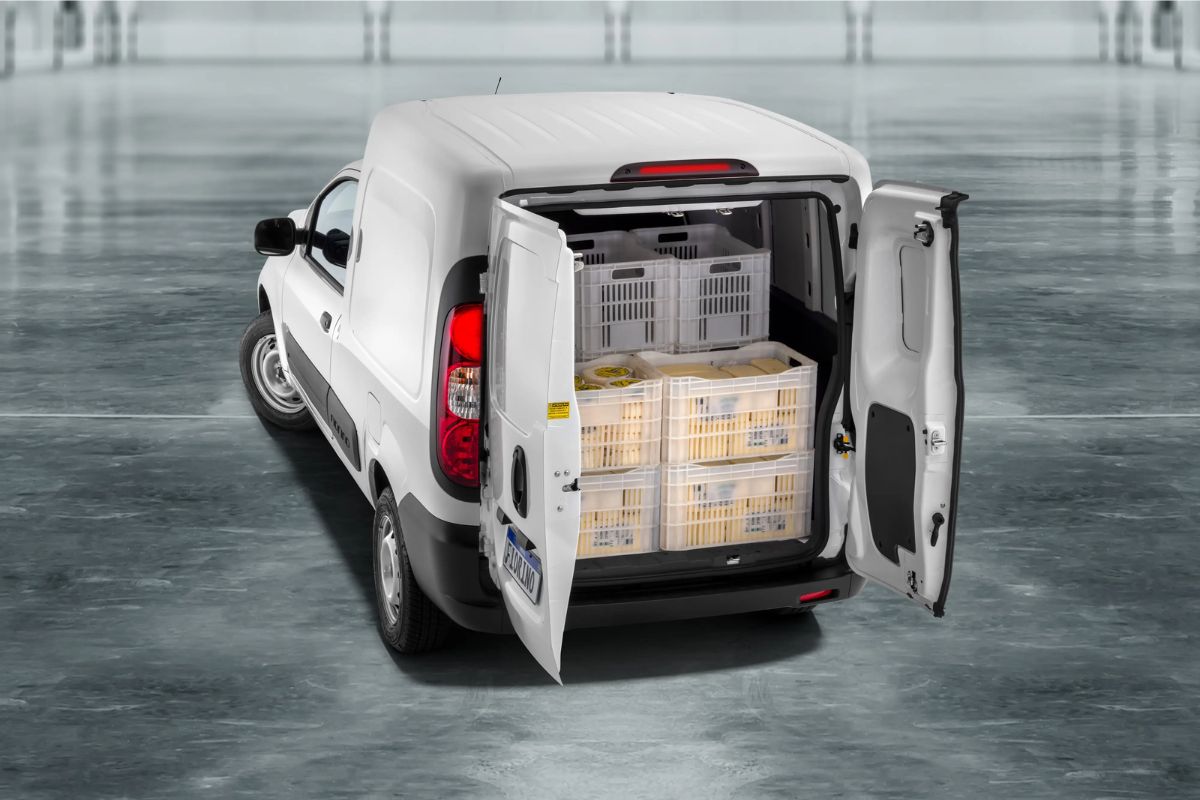
Fiat Bets On The Engine Of The Cronos To Give New Life To The Fiorino 2025 — Up To 107 Hp Of Power And 720 Km Of Range
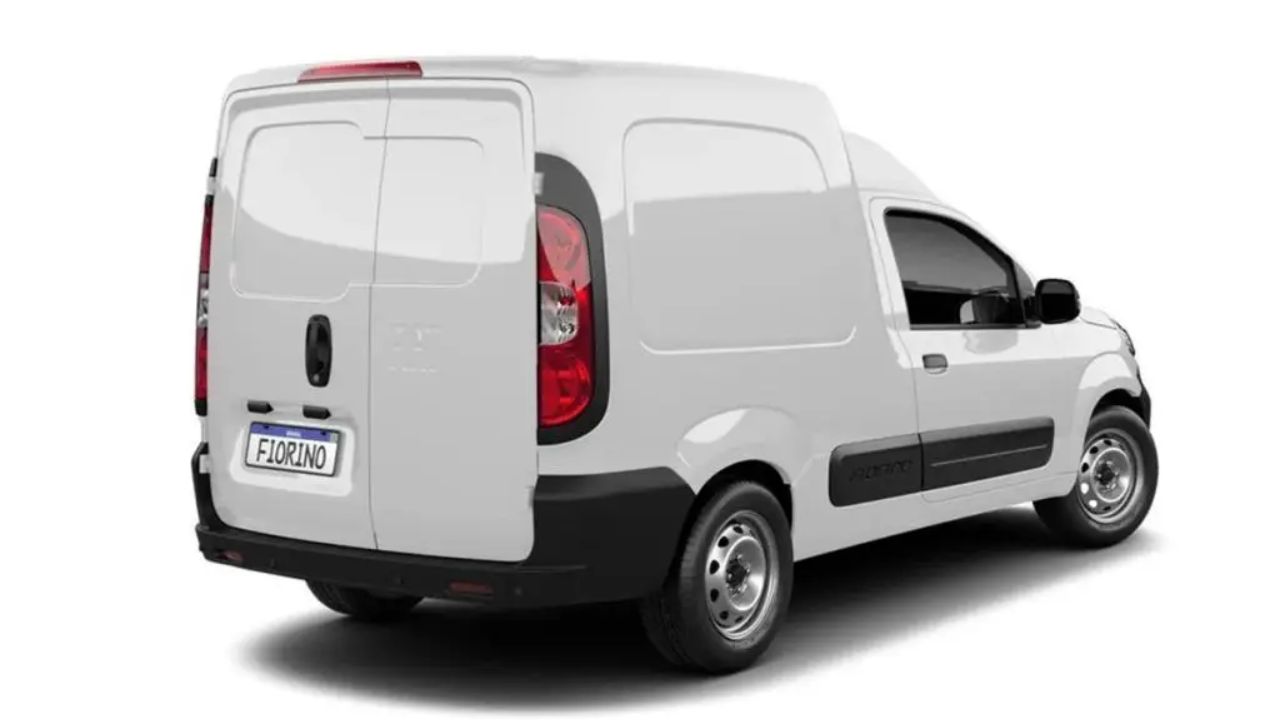
Fiat has updated the veteran Fiorino for the 2025 line, and the main novelty is under the hood. The compact van — widely used by entrepreneurs, delivery drivers, and fleet operators — has left behind the 1.4 Fire EVO engine and is now equipped with the latest 1.3 Firefly, the same engine that powers models like the Fiat Argo, Cronos, and Strada.
In addition to the new mechanical package, the Fiorino 2025 has also gained improvements in energy efficiency and some tweaks to its equipment package, without altering its robust and functional proposal.
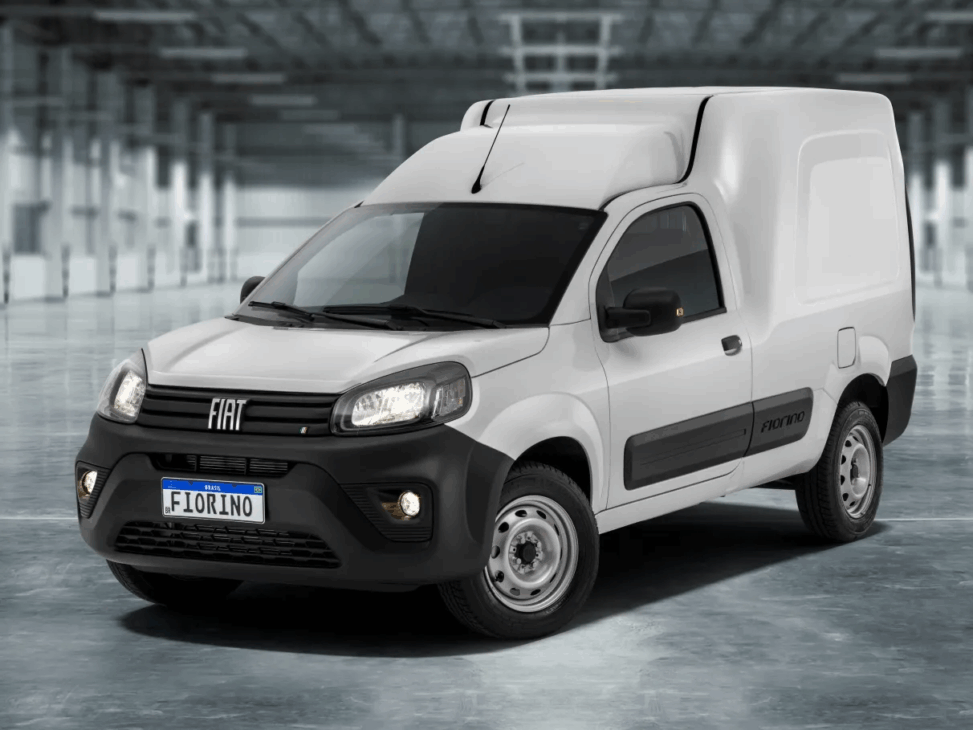
New 1.3 Firefly Engine Brings More Efficiency And Performance
The 1.3 Firefly engine, with four cylinders and 8 valves, delivers up to 107 hp of power with ethanol and 98 hp with gasoline, in addition to a maximum torque of 13.6 kgfm with ethanol and 13.1 kgfm with gasoline. The transmission remains a five-speed manual, but the response at the wheel has become more refined thanks to the more linear delivery of the new engine.
-
Chevette with cooking gas: How the gas cylinder ends up being used in cars clandestinely and why this makeshift solution can result in leaks, explosions, damaged engines, and seized vehicles.

-
Fiat launches the new 2027 Toro hybrid with 48V, 176 hp, an electric motor of 15.5 hp, a 0.85 kWh battery, up to 7% fuel savings, 8% fewer emissions, and possible exemption from IPVA.
-
Used automatic cars from Hyundai that are reliable, offer comfort, good performance, and cost between R$ 45,000 and R$ 75,000.
-
Electric car surprises on the Transamazon Highway as it tackles a mud pit; Saveiro and Hilux get stuck and need to be pulled out, while a milk truck crosses alongside with ease and draws attention.


In practice, the replacement of the old Fire EVO with the Firefly has ensured noticeable gains in urban fuel consumption. According to official data, the Fiorino 2025 achieves 8.7 km/l with ethanol in the city, compared to the 8.1 km/l of the previous model. In the case of gasoline, the number rises to 12.4 km/l, up from the 11.7 km/l of the previous generation — an improvement that makes a difference for those who drive a lot every day.
More Technology And Comfort For Everyday Life
Another novelty is that the Fiorino 2025 now comes with electric power steering as standard, making low-speed maneuvers much lighter, especially in urban areas. The model has also received tire pressure monitoring (TPMS) and external temperature sensor, features that were not previously available in the entry-level version.
In the equipment package, Fiat has maintained the most important items for the segment, such as air conditioning, power windows and locks, remote control folding key, driver’s seat with height adjustment, steering column with tilt adjustment, and glove compartment illumination. There is also perimeter alarm, oil pan protector, height-adjustable seat belts, and more practical and durable interior upholstery for daily use.
Enhanced Safety: Stability Control And Dual Airbag
Safety has also benefited in the new line. The Fiorino 2025 now offers stability control (ESP) and hill start assist, as well as dual front airbags, seatbelt fastening indicator for the driver, traction control, halogen DRL built into the fog lights, and turn signal repeaters on the exterior mirrors. This enables the model to meet safety standards more effectively and provides greater peace of mind for drivers and companies operating fleets.
Price And Market Positioning
The model remains positioned as one of the most affordable options among small vans in Brazil, with a suggested price of R$ 124.490.
With the new engine and improvements in the equipment package, Fiat aims to keep the Fiorino competitive against rivals such as the Renault Kangoo, starting at around R$ 155 thousand, and the Peugeot Partner Rapid, sold from R$ 129 thousand, both with similar propositions for the professional audience.
Even after decades on the road, the Fiorino remains one of the favorite choices for those needing a work vehicle, especially for urban deliveries. With simple maintenance, a wide network of technical assistance, and good cargo capacity, it continues to be an important asset in Fiat’s portfolio — now with more efficiency and technology.










-

-

-

-

6 pessoas reagiram a isso.