





 Portuguese
  English
  Spanish
 3 min of reading
  0 comments


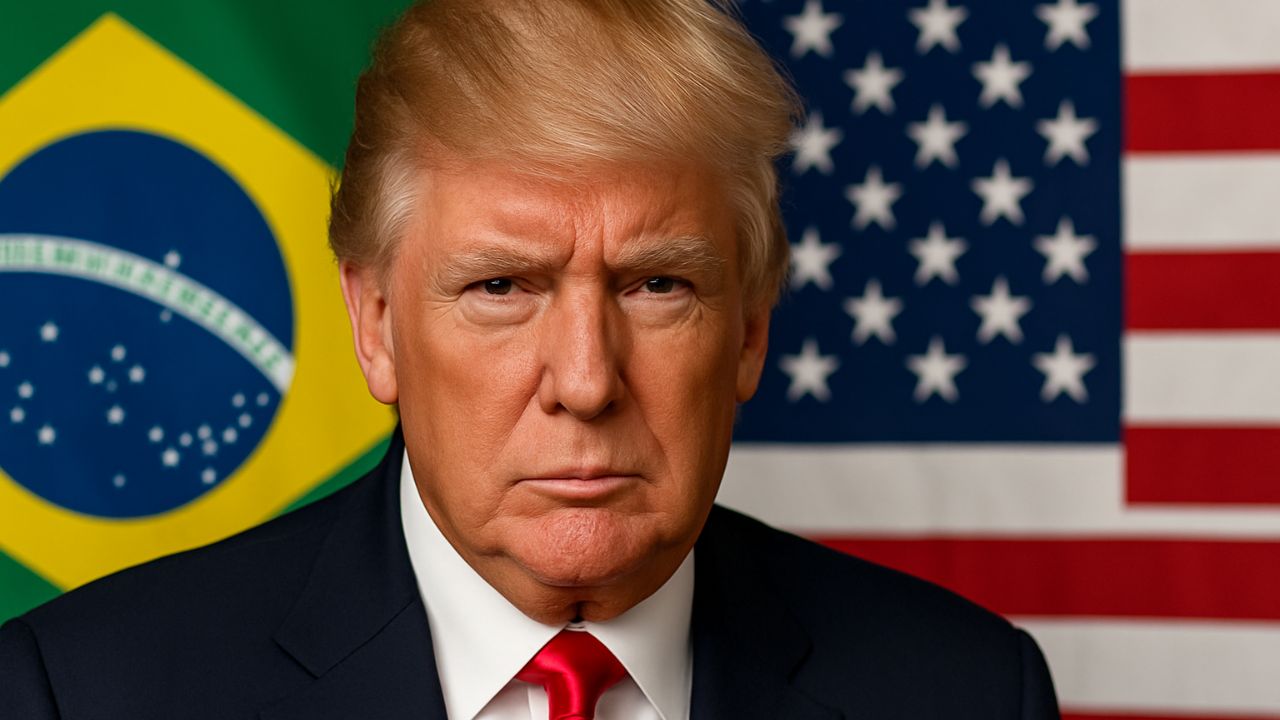
Firjan Criticizes Trump’s New Tariffs Against Brazil and Warns of Losses in Fluminense Exports, Especially in the Oil and Gas Sector.
On last Wednesday, 30/07, the Federation of Industries of the State of Rio de Janeiro (Firjan) expressed concern over the economic impacts of the new tariffs announced by the United States, which will take effect on August 6. The measure, signed by former President Donald Trump through an executive order, establishes a 50% tariff on imports of various Brazilian products. The initiative could directly affect the economy of the state of Rio, according to the federation’s assessment.
Although items in the oil and gas sector have been exempted from the new charge, Firjan highlighted that steel and aluminum continue to face the previously applied 50% surcharge.
This maintains apprehension in the Fluminense industrial sector, which sees the tariffs as a risk to international competitiveness and job creation in the state.
-
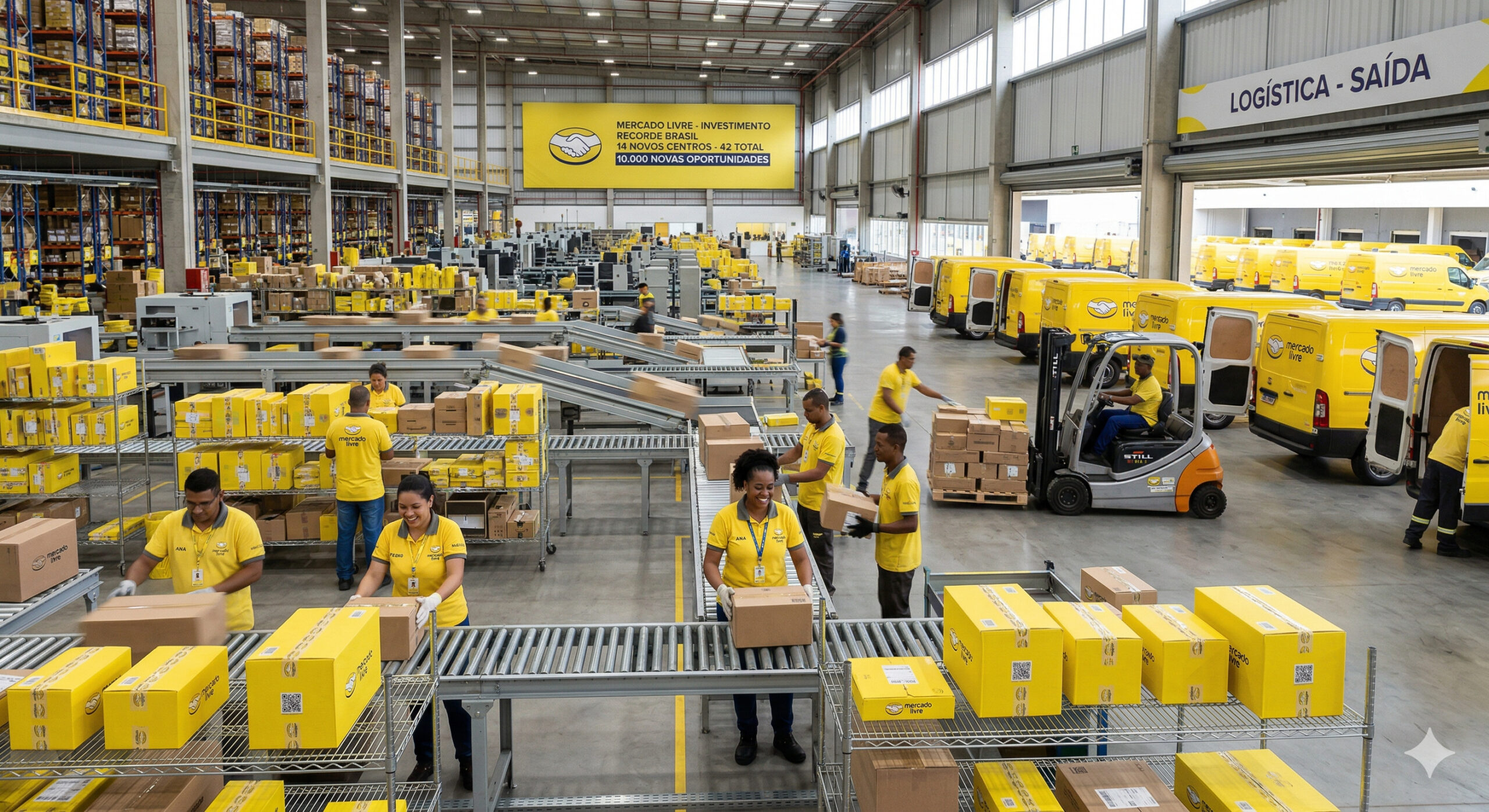
Mercado Livre “opens the vault” and announces a record investment of R$ 57 billion in Brazil in 2026, a value 50% higher than the previous year, with an expansion plan that includes 14 new logistics centers, totaling 42 units in the country and hiring an additional 10,000 employees.
-
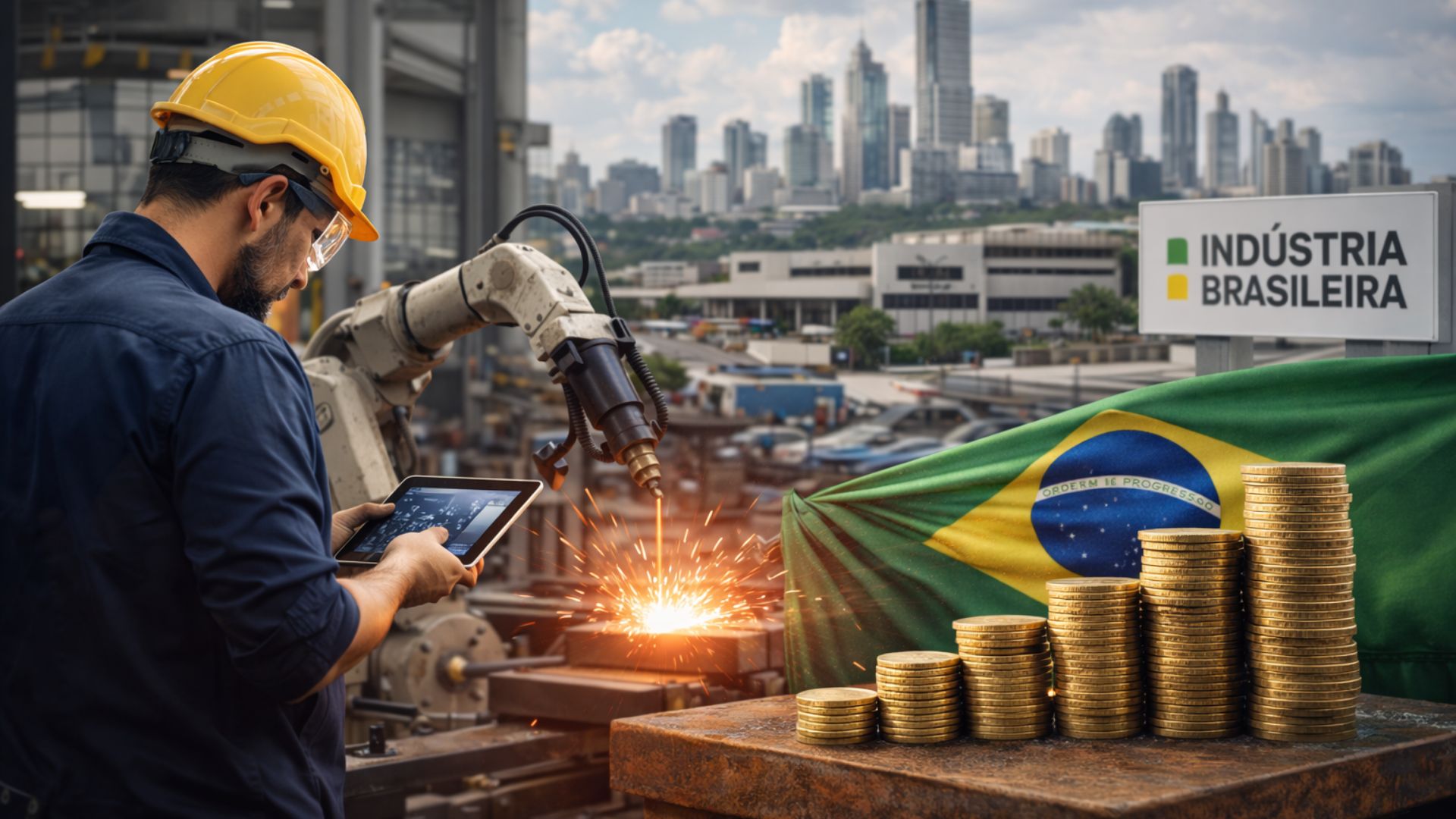
How investment in technology can revolutionize the national economy and enhance industrial gains, according to a study that highlights the direct impact on productivity, innovation, and wealth retention within Brazil.
-
The largest food company on the planet, JBS, has just opened a 4,000 square meter laboratory in Florianópolis to develop customized proteins that modulate muscle mass gain, immune response, and metabolic performance.

-
After nearly 30 bids and competition among industry giants, a Spanish company purchases one of the largest airports in Brazil for almost R$ 3 billion and takes over the management of Galeão in a concession that will last until 2039.


Fluminense Exports Under Direct Threat
The oil and gas chain represents about 60% of Rio de Janeiro’s exports to the U.S., accounting for approximately 40,000 direct jobs.
Even with crude oil off the tariff list, other products essential to the Fluminense trade balance remain vulnerable.
A survey by Firjan itself shows that 48 municipalities in the state exported to the North American market in 2024 and may feel the effects of the new rules.
The entity emphasizes that, although some segments have been spared, the overall impact on the Fluminense economy tends to be significant.
A consultation made by Firjan with associated companies revealed that 60% of respondents expect negative impacts in the short term.
Among the main anticipated problems are: revenue decline, increased operational costs, and reduction in export volume.
In addition, 42% of business owners stated they fear layoffs in light of the new scenario. According to the federation, the local job market may be directly affected, with job reductions at a time when the country still faces challenges of economic recovery.
Firjan Calls for Diplomatic Action Against Tariffs
Given the scenario, Firjan advocates for more intensive diplomatic and paradiplomatic action between Brazil and the United States.
The entity believes that negotiation is the only viable way to mitigate the losses already projected by companies in the productive sector.
“Firjan emphasizes the urgent need for a negotiated solution that reduces the economic and social impacts of these measures,” the entity stated in a note.
For the federation, the moment requires unity among governments, businesses, and institutions in order to protect national and regional interests.
Commercial Relations Remain Strategic
Despite the tensions caused by the tariffs, Firjan stressed that Brazil and the United States maintain a historical partnership in international trade.
In 2024, Americans were the largest foreign investors in Brazil and the second-largest trading partner of the country.
The balance of trade was US$ 7 billion in favor of Brazil, demonstrating the importance of the bilateral relationship.
Thus, the entity argues that unilateral actions, such as Trump’s tariffs, could compromise a solid relationship that has been built over decades.
Firjan’s appeal is for a balanced solution that takes into account the impact on jobs, revenue, and the growth of the national industry.





-

Uma pessoa reagiu a isso.