





 Portuguese
  English
  Spanish
 3 min of reading
  0 comments


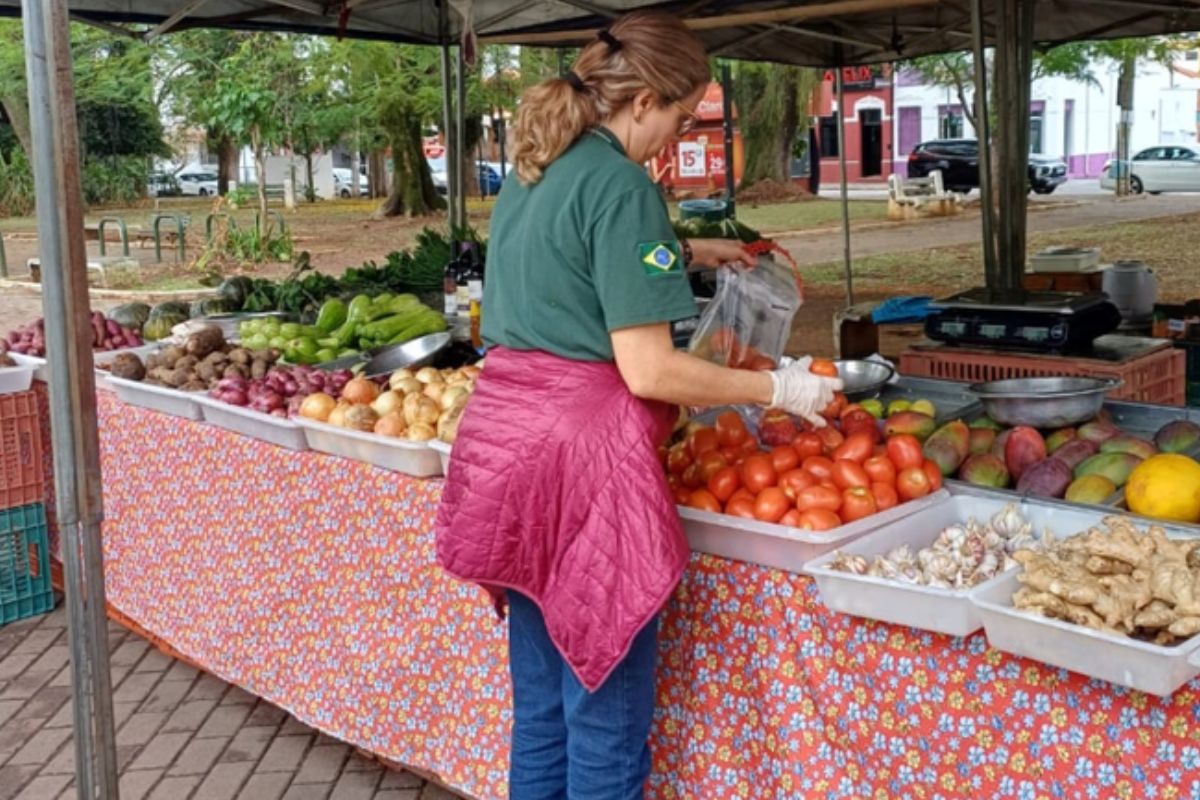
The Map Expands Oversight of Organic Products in São Paulo, with Inspections, Laboratory Analyses, and Educational Actions that Strengthen Certification and Food Safety
The oversight of organic products has gained strength in various regions of São Paulo with a new round of actions coordinated by the Ministry of Agriculture and Livestock (Mapa), according to a news article published.
The operations took place in both the interior and the coastline of São Paulo, covering cities such as São José do Rio Preto, Pindamonhangaba, Taubaté, Santos, and São Vicente.
The work is conducted by the Support Center for Organic Production of São Paulo (Nusorg-SP), with support from Mapa’s regional units in Campinas, Guaratinguetá, and São José do Rio Preto.
-
While Russia dominates the global wheat market, Brazil emerges as an unexpected competitor in the Cerrado, offering grain available in July and August when stocks in the Northern Hemisphere are at their lowest point of the year.

-
China returned almost 20 Brazilian ships with soybeans, but now everything could change: the country that buys 80% of the grain is considering relaxing regulations after impurities held up shipments of thousands of tons and caused million-dollar losses.

-
The drought of the cerrado was considered an enemy of wheat, but Brazilian scientists turned the lack of rain into a competitive advantage by creating a grain with quality that is already attracting the attention of international mills around the world.
-
THE OWNER of Brazil: a farmer who came from laundries, created an ’empire’ and today runs a company valued at R$ 42 billion after tripling its value in less than a year and receiving a billion-dollar investment from the USA.


The objective of the oversight of organic products is to ensure that consumers receive truly organic food while valuing producers who comply with the legislation.
The teams registered a high compliance rate among the establishments inspected, reinforcing the credibility of the organic certification system in the country.
Oversight of Organic Products: Inspections at Farmers’ Markets Reinforce Transparency and Credibility
During inspections at farmers’ markets, specialized shops, and sales points, inspectors verified the correct labeling, origin, and storage of the products.
The few irregularities found in the oversight of organic products involved inadequate packaging and lack of identification for bulk items, which led to penalties when necessary.
According to the superintendent of Agriculture and Livestock in São Paulo, Estanislau Steck, these inspections “value those who operate within the rules and provide greater security to the consumer.”
In São José do Rio Preto, Mapa collected samples of honey, eggs, chicken breast, and fresh produce for laboratory food analysis.
In Taubaté, faced with reports of irregular production of organics aimed at children’s food, 12 samples of fruits and vegetables, such as pumpkin, banana, sweet potato, beetroot, and tomato, were collected and sent to the Federal Laboratories of Agricultural Defense (LFDA) in Goiás and Minas Gerais.
The aim is to confirm the absence of prohibited residues, reinforcing transparency in the production chain.
Technical Support from Mapa Strengthens Organic Production Certification
The actions of the oversight of organic products by Mapa in São Paulo have technical support from municipal departments, expanding monitoring and guidance for producers.
On the coast, in Santos and São Vicente, the teams found total compliance at local markets and fairs.
In Santos, the city hall maintains a permanent incentive for organic markets with producers from various regions; in São Vicente, the government has been expanding programs to promote organic production certification, stimulating sustainable consumption and strengthening the sector.
In addition to oversight, the Department of Agricultural Defense conducts educational activities, guiding merchants and farmers on best practices for display and labeling.
For Judi Maria da Nóbrega, director of the Support and Standards Department, this preventive approach “has contributed to consolidating the credibility of the Brazilian organic system.”
Food Safety in Agribusiness and Continuous Commitment
The advancement of oversight of organic products also represents an investment in food safety in agribusiness, ensuring that food reaches consumers within the standards required by law.
The increased presence of Mapa in the State strengthens public confidence, stimulates fair trade, and promotes more sustainable productive practices.
The maintenance of inspections, combined with laboratory analyses and training, ensures that the oversight of organic products remains an essential pillar of national agricultural policy.








-

Uma pessoa reagiu a isso.