





 Portuguese
  English
  Spanish
  3 min of reading
  0 comments


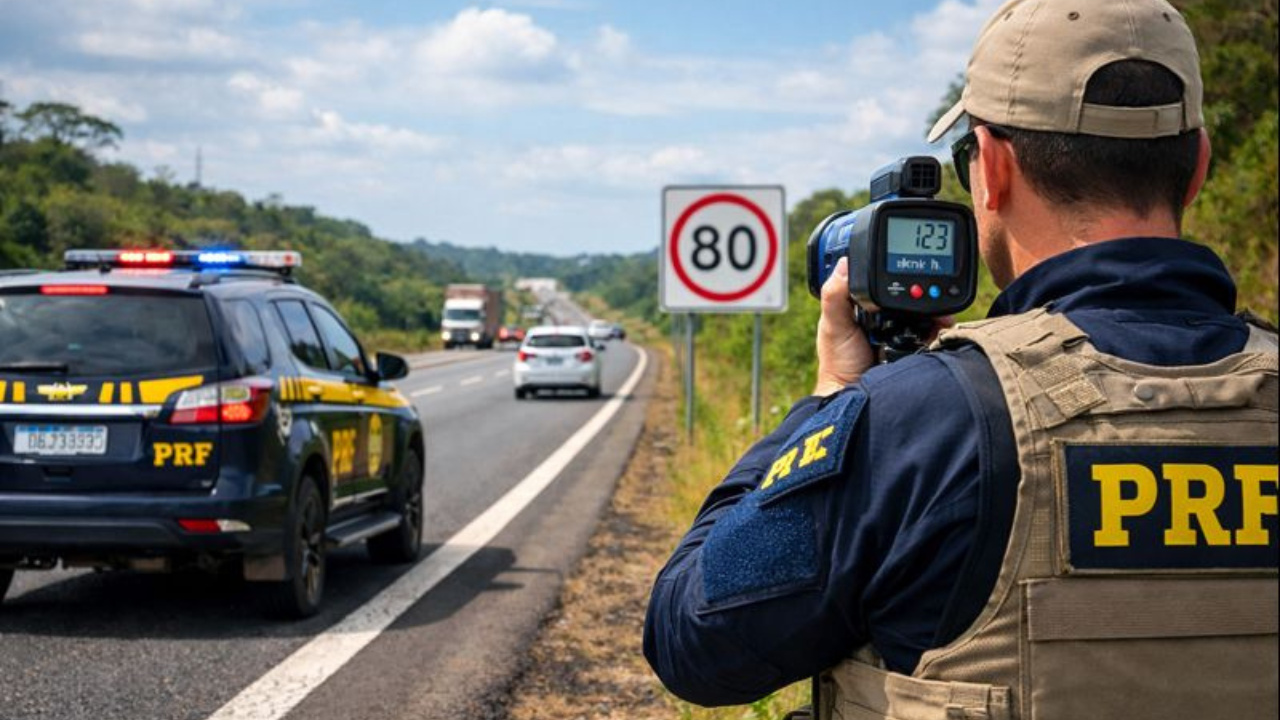
Federal Highway Police Strengthens Oversight on Highways, Combats Speeding, and Issues Traffic Fines to Enhance Road Safety.
The Federal Highway Police (PRF) has intensified the oversight on Brazilian highways to combat speeding, one of the main causes of serious accidents in the country.
The action took place throughout the month of October, especially in Maranhão, where 437 drivers were caught speeding in just one weekend.
The operation focused on strategic segments, utilizing radars and teams in the field, specifically to preserve road safety and reduce risks on federal highways.
-
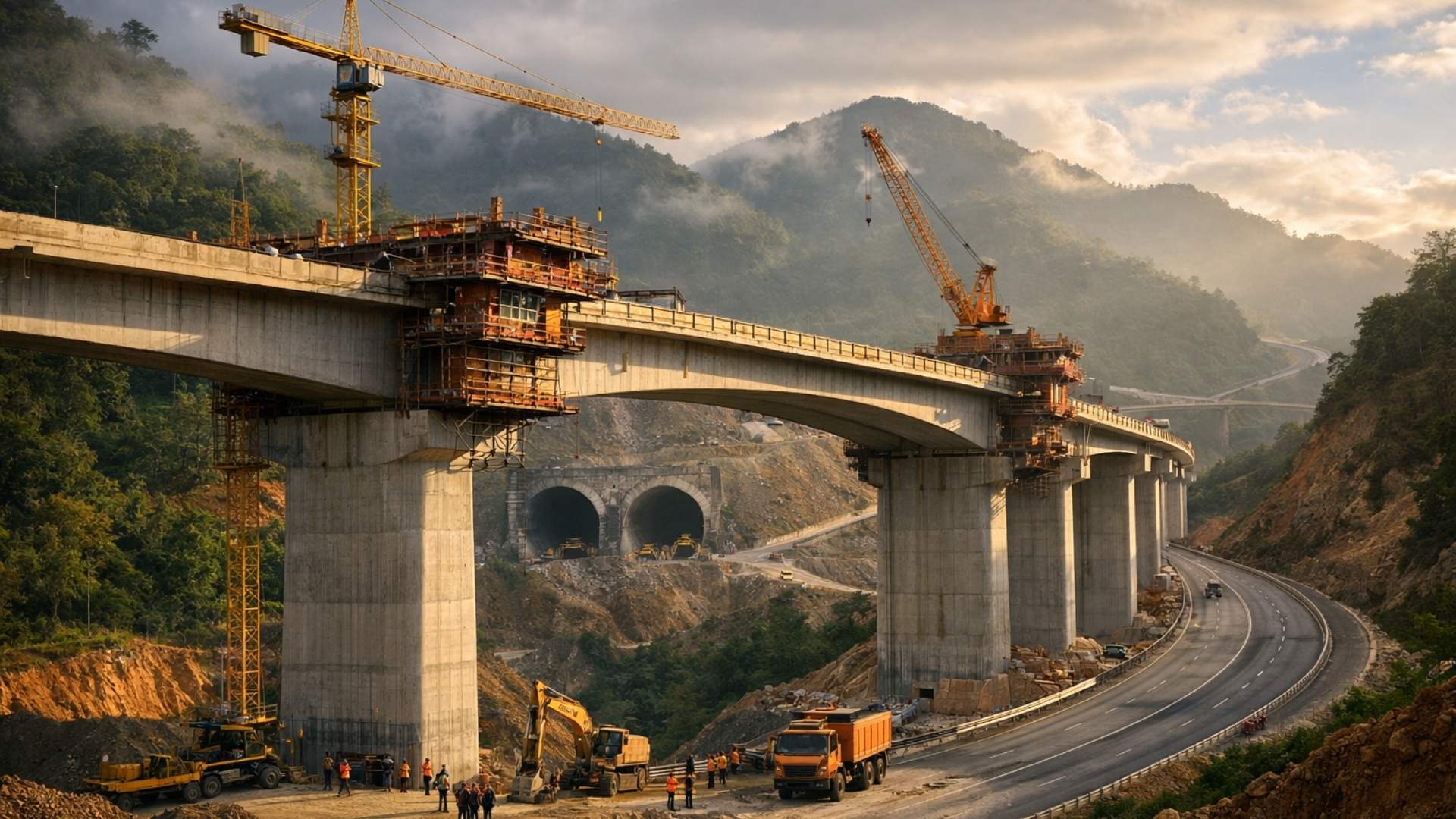
The government puts R$ 8.6 billion on the table to change the highway (BR) with 50 overpasses, 28 bridges, 4 tunnels, and 40 km of bike lanes in 180 km of historic duplication.
-
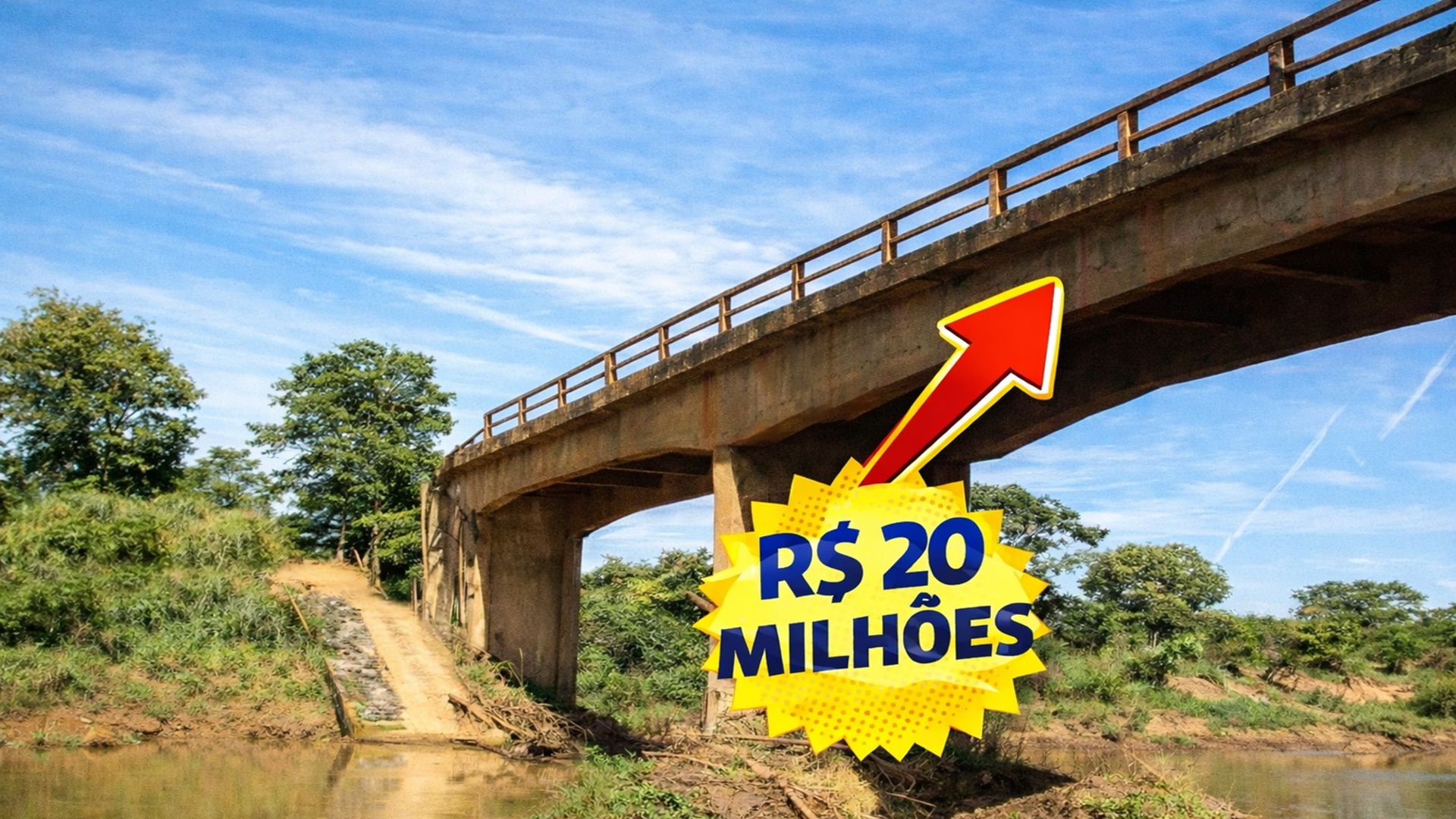
BRL 20.1 Million Bridge Project Kicks Off: 200-Meter Construction to Improve Access in Three Cities in Minas Gerais
-
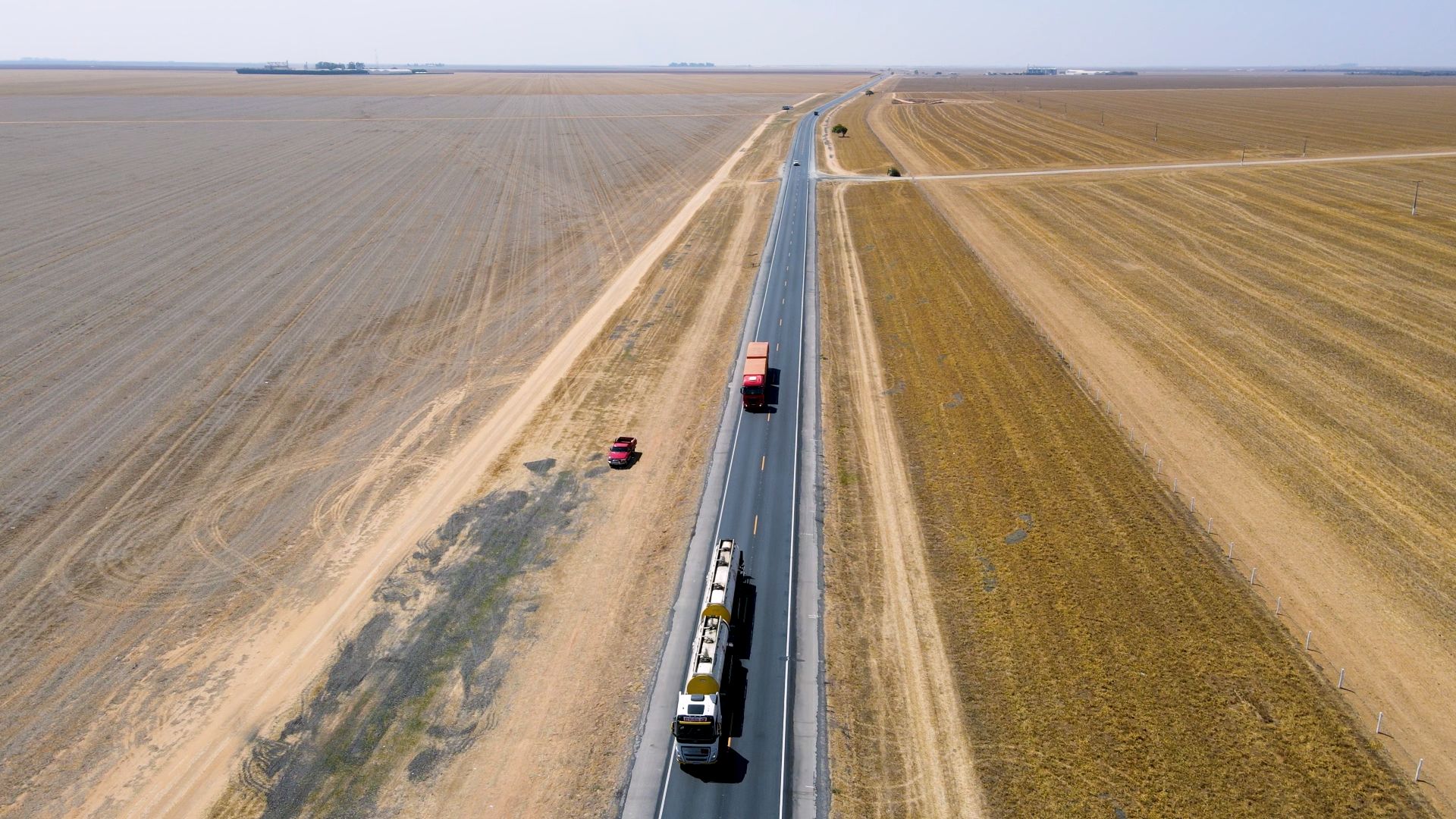
‘Endless Road’ In Brazil Is One of The Largest In The World: 145 Km Stretch On An Important Highway (BR) Crosses The West Of Bahia And Had 135.9 Km Revitalized With R$ 35.3 Million
-
Engineer From ITA Who Worked at Embraer Leads Free Flow Expansion With National Artificial Intelligence and Technology for Toll Without Barriers in Brazil


Highway BR-402 recorded the highest number of violations, which reinforced the need for the continuous presence of the PRF in critical areas.
According to the agency, the main objective is not just to issue traffic fines, but to change dangerous behaviors and save lives, especially during periods with higher vehicle flow.
Oversight on Highways Targets Critical Points and Risky Segments
The intensification of oversight on highways occurs mainly in areas with a high history of accidents.
In addition, the PRF prioritizes segments where speeding tends to be recurrent, such as single-lane highways, areas close to urban centers and tourist regions.
In this context, speed limits are not defined randomly.
The responsibility lies with the National Department of Transport Infrastructure, which evaluates technical criteria before establishing the rules.
Among the factors analyzed are the geomorphology of the road, pavement quality, traffic volume and type, as well as proximity to urban areas.
Thus, when a driver exceeds the limit, they disregard not only a legal rule but also a technical analysis made to reduce risks in that specific segment.
Speeding Remains One of the Main Infractions in the Country
Speeding continues to be one of the most recorded infractions on federal highways.
This number raises an alert.
The higher the speed, the lower the driver’s reaction time, and the more serious the accidents tend to be.
Therefore, the PRF emphasizes that respecting the limits is a simple yet decisive action for road safety.
Traffic Fines Vary According to the Severity of the Infraction
The Brazilian Traffic Code establishes penalties proportional to the degree of speeding.
In cases where speed exceeds between 20% and 50% of the limit, the infraction becomes serious. In this situation, the fine rises to R$ 195.23 and the driver receives five points on their license.
In addition to the fine of R$ 880.41, the driver accumulates seven points and may have their driving rights suspended.
Technology and Police Presence Strengthen Road Safety
To curb abuses, the Federal Highway Police continuously invests in fixed and mobile radars, in addition to on-site operations.
These devices help monitor traffic in real-time and identify risky behaviors.
The results are beginning to show. In the first half of 2025, for example, Bahia registered a significant reduction in the number of serious accidents, a direct indication of the effectiveness of oversight on highways.
Meanwhile, the PRF highlights that the focus is not only on punishment.
The actions aim to raise drivers’ awareness that respecting speed limits is a direct way to protect their own lives and those of others.
Road Safety Also Depends on Driver Behavior
Although oversight is essential, road safety primarily depends on the choices made behind the wheel.
Respecting signals, maintaining attention, and adjusting speed to road conditions are fundamental actions.
Thus, traffic fines serve as a correction tool, but the greater objective is to prevent tragedies.
The active presence of the Federal Highway Police on Brazilian roads reinforces that preventing accidents is a shared responsibility between the government and drivers.
Ultimately, reducing speeding is one of the most effective ways to save lives on the country’s highways.








-

-

2 pessoas reagiram a isso.