





 Portuguese
  English
  Spanish
  2 min of reading


Petrobras President, Jean Paul Prates, Demands Oversight of Gas Stations Charging Over R$ 6 Per Liter, Exceeding State Company Adjustments.
Amid growing consumer concerns about fuel prices, Petrobras president Jean Paul Prates raises the banner for strict oversight of gas stations charging over R$ 6 per liter, following the latest adjustment announced by the state company. Prates, in a move to ensure transparency in pricing practices, spoke out about the alarming prices recorded at some locations in Rio de Janeiro, which exceeded the estimates from Petrobras itself.
Jean Paul Prates Alerts to Abusive Charges at Gas Stations
With the recent adjustment in fuel prices, the national average price of gasoline jumped from R$ 5.53 to R$ 5.83 per liter.
Meanwhile, in Rio de Janeiro, this average reached R$ 6, exceeding the projections from the state company.
-
IR 2026 will affect those who have crypto: the Revenue Service receives monthly data, pre-filled forms pull even cashback from Mercado Pago, and exchanging Bitcoin for USDT becomes a taxable sale; declare correctly or fall into scrutiny.

-
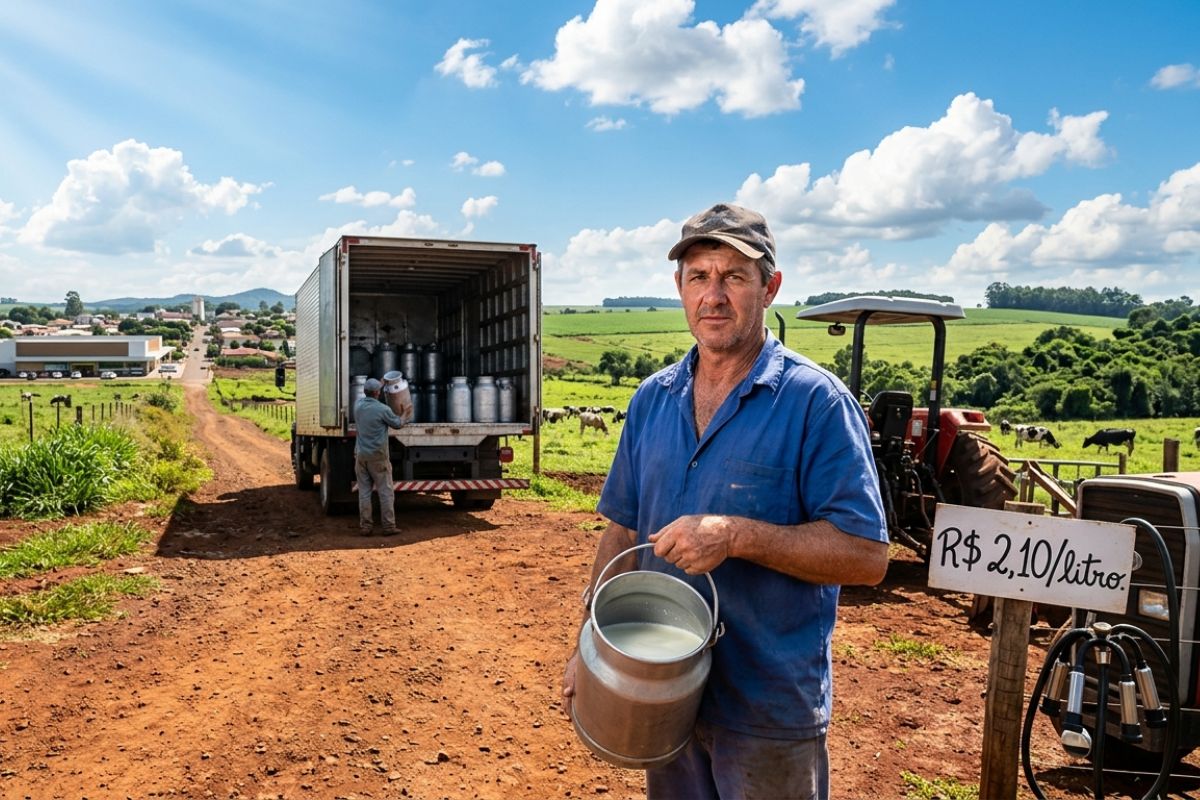
In Paraná, long-life milk prices rise by 17% and powdered milk by nearly 9%, but producers still receive R$ 2.10 while the market charges R$ 7; middlemen keep the difference and are awaiting a price adjustment.
-
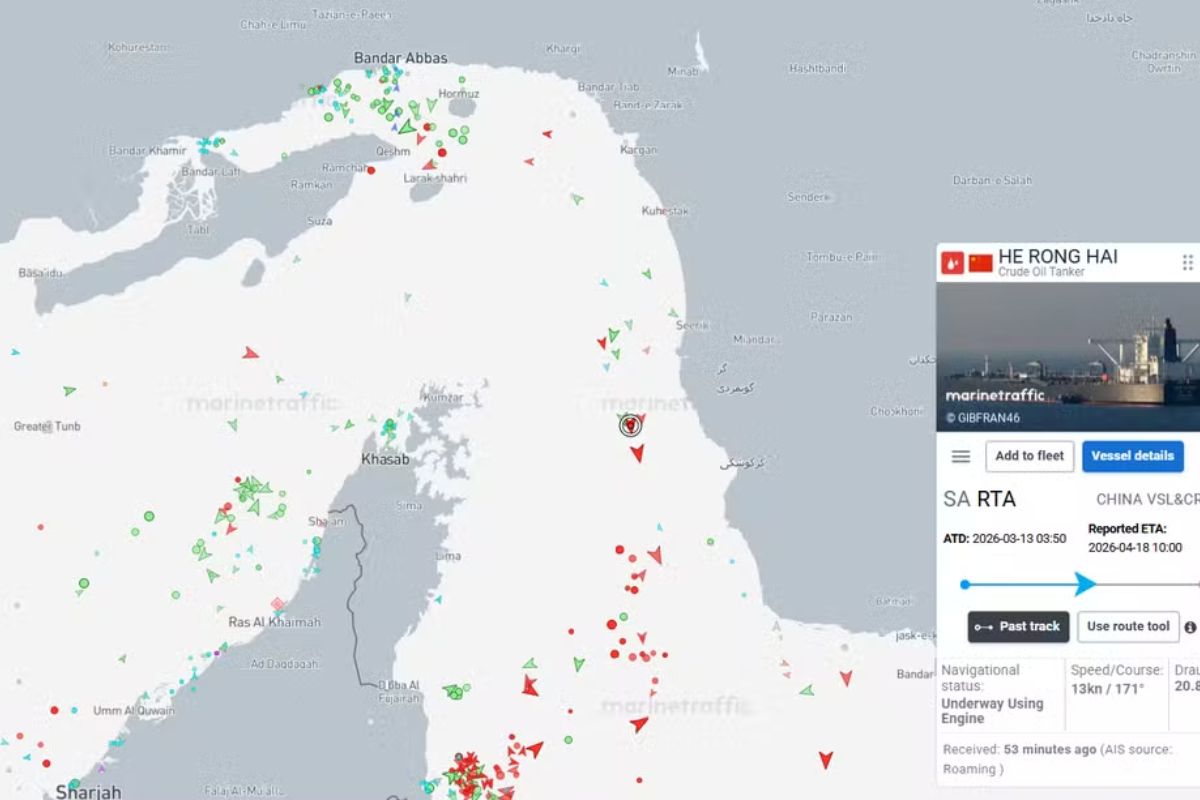
Two Chinese supertankers chartered by Asia’s largest refiner have just crossed the Strait of Hormuz and may be the first to leave the Persian Gulf since the ceasefire between the United States and Iran on a route that still has mines and uncertainties.
-
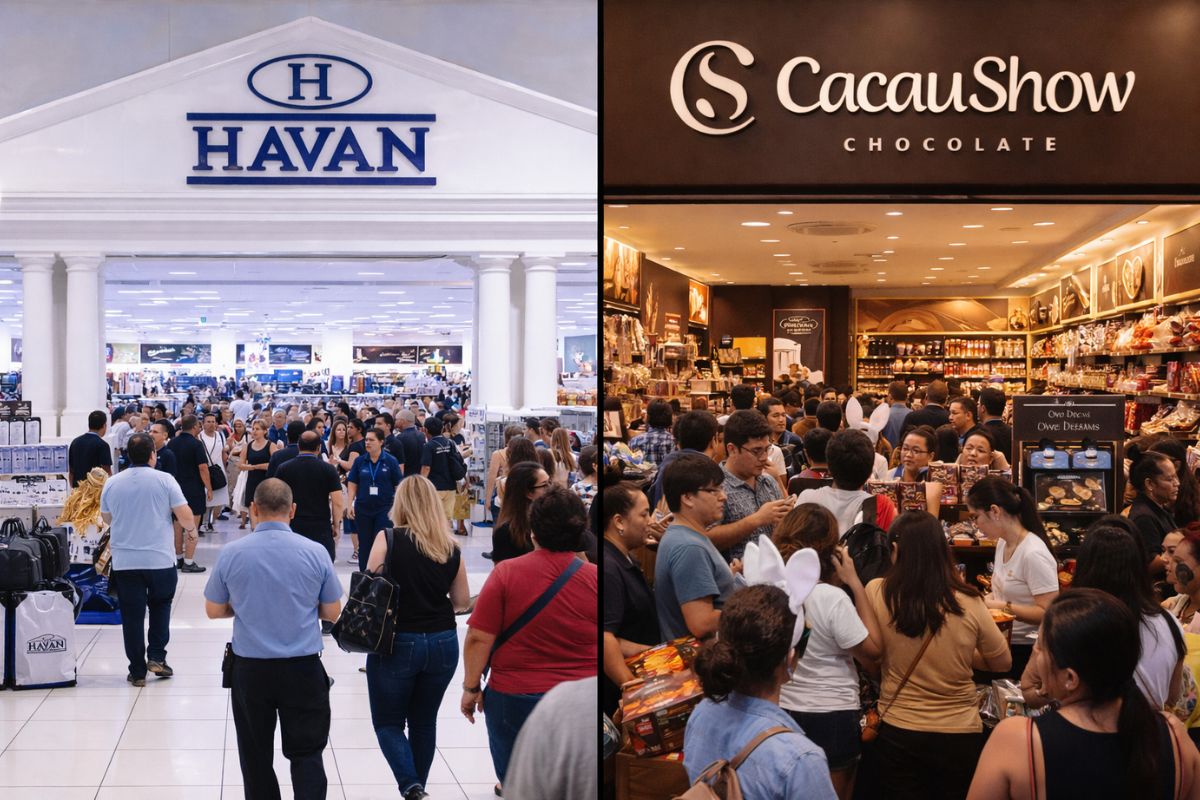
While Havan earns R$ 50 million per day throughout the year, Cacau Show managed six times more in just 24 hours, totaling half a billion reais in two days of Easter.
Prates, emphasizing Petrobras’s commitment to fuel accessibility, stated that the expectation is that prices remain below R$ 6 per liter, both nationally and in Rio.
In a statement issued on Tuesday (08/15), Petrobras informed distributors of the adjustments in gasoline and diesel prices.
It is important to note that, while the state company has the autonomy to implement such changes, gas stations also have the freedom to pass these adjustments to consumers.
In this context, Prates urged authorities to intensify oversight of stations that charge excessive prices, in order to protect consumer interests.
Petrobras Adjustments and the Challenges of the Fuel Market in Brazil
The justification for the adjustments, according to Petrobras, is related to the balance between international oil prices and complementary imports of gasoline and diesel.
With the volatility of oil prices, the state company’s refineries have had to adjust their prices according to global market variations, which has directly impacted importers and private refineries in the country.
Thus, Petrobras aims to keep prices at levels that allow for the sustainability of third-party imports.
The implementation of the commercial strategy, which abandoned import parity, was highlighted by Petrobras as a response to market and societal demands, incorporating parameters that reflect optimizations in refining and logistics.
Experts point out that, although the adjustment has reduced the gap for importers, it has not been eliminated completely.
The President of the Central Bank, Roberto Campos Neto, expressed support for the adjustment, emphasizing the importance of keeping prices aligned and minimizing inflationary impacts in 2023.
Prates and his team remain committed to ensuring that the fuel market operates transparently and fairly for all involved, while reiterating their commitment to closely monitor prices charged at gas stations nationwide.






Seja o primeiro a reagir!