





 Portuguese
  English
  Spanish
  3 min of reading
  0 comments


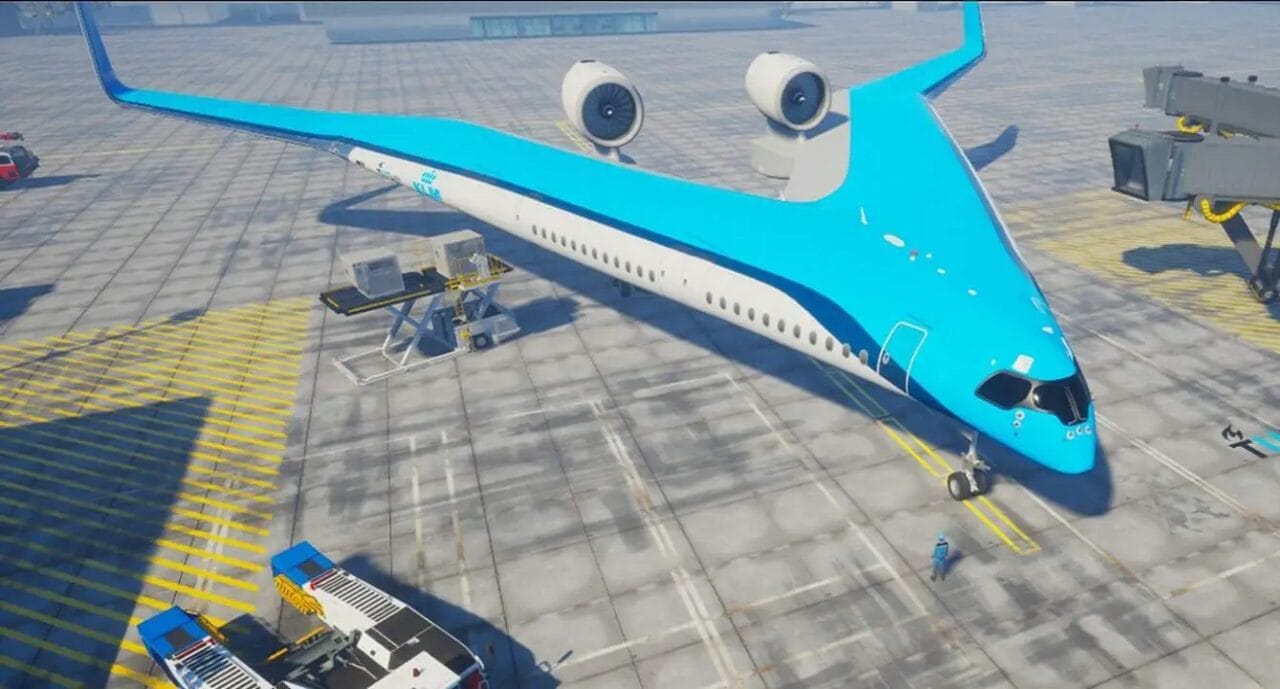
Engineers Create Innovative V-Shaped Airplane, Promising Greater Efficiency and Cheap Airfares with Capacity for Up to 314 Passengers.
A KLM Royal Dutch Airlines, in partnership with Delft University of Technology, revealed a pioneering V-shaped airplane design, aiming to offer more affordable air travel for passengers. However, the expectation is that this innovative model will only reach the market in mid-2041. According to the engineers involved in the project, while traditional aircraft rely on extensive wings for lift, resulting in a main body that represents additional weight, the revolutionary V-shaped airplane seeks to integrate all essential parts of the aircraft into a single efficient structure.
Airplane That Promises Cheap Airfares Can Transport 314 People
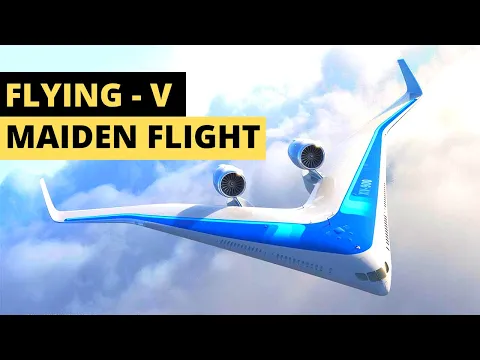

With the passenger cabin, cargo hold, and fuel tanks all in one space, the V-shaped airplane saves a significant amount of fuel, even with a capacity for 314 people.
According to the tabloid The Sun, the engineers compare the V-shaped airplane to the A350 model and claim that both can carry the same amount of cargo; however, the V is more energy-efficient. A scaled prototype was recently launched by the companies, and the tests were quite promising.
-
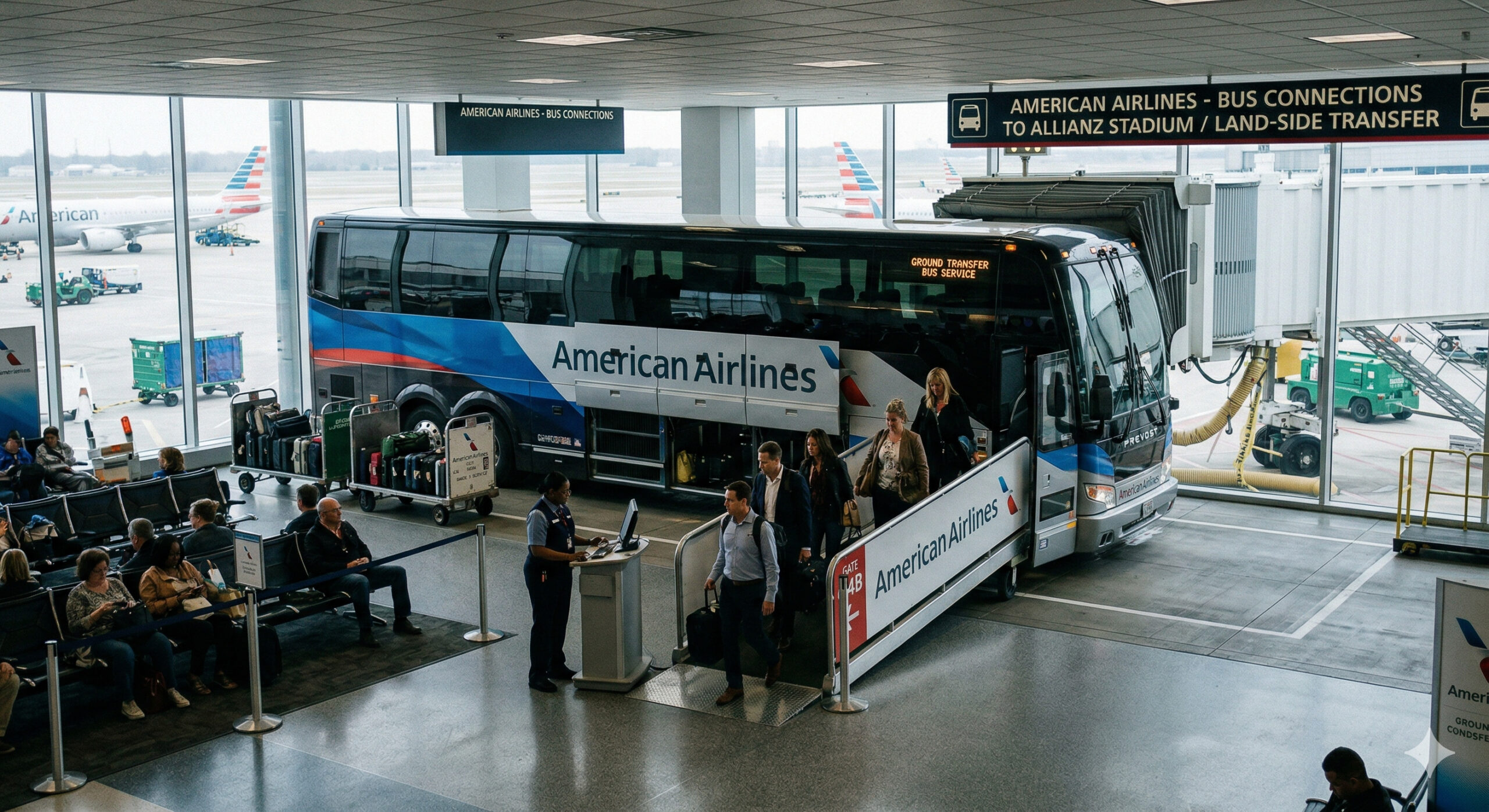
American Airlines starts selling trips as if they were flights, with check-in and baggage check at the airport, but on short routes, passengers board luxury buses connecting cities to major hubs in the U.S.
-
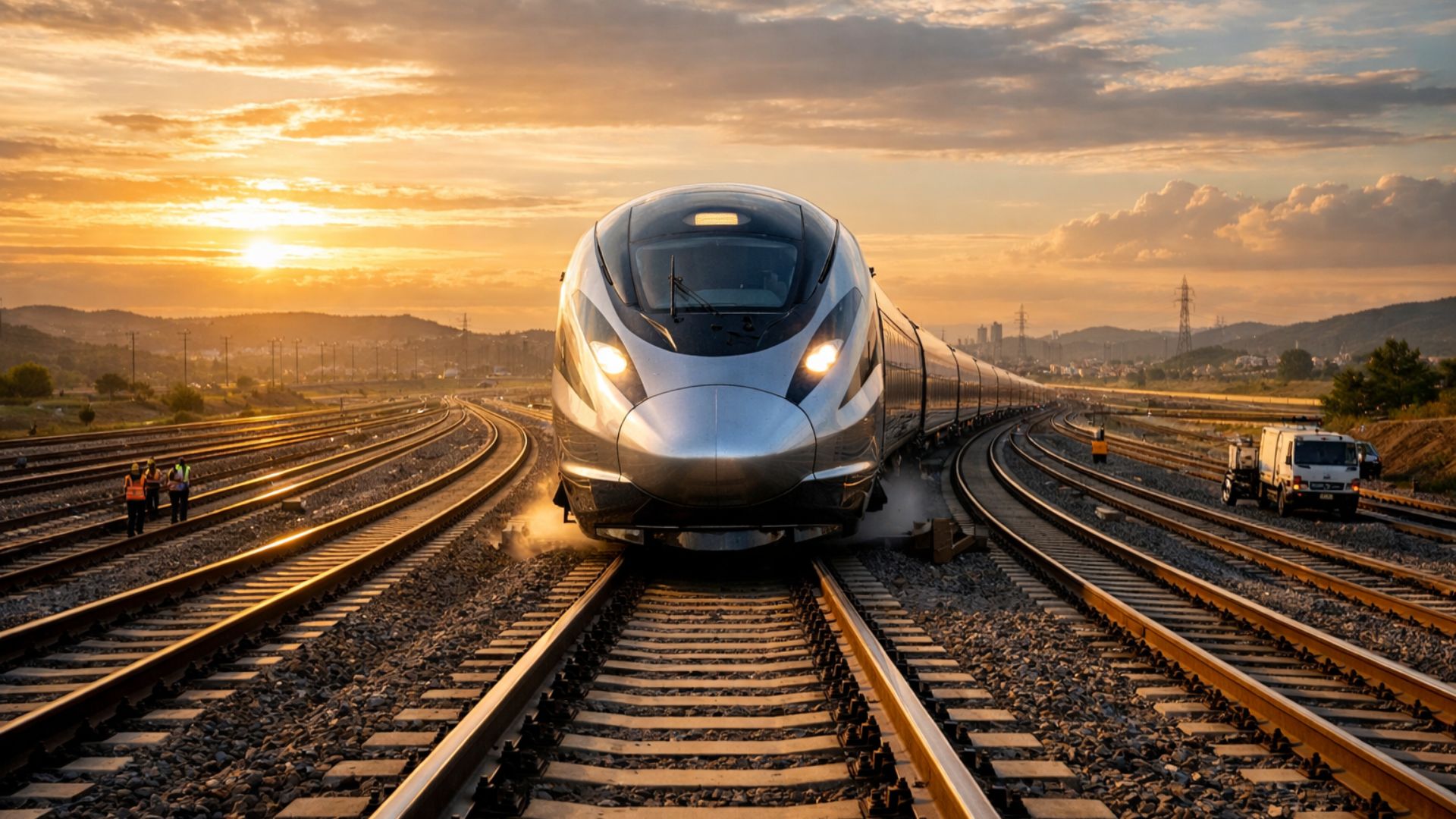
São Paulo surprises the world with a colossal railway network project that promises over 1,000 km of tracks, R$ 194 billion in investments, and 40 projects connecting the capital to the interior with fast and sustainable trains.
-
The world’s largest escalator, measuring 905 meters in China, reduces urban travel time from 1 hour to about 20 minutes and transforms mobility in mountainous regions with an engineering solution adapted to the terrain.

-
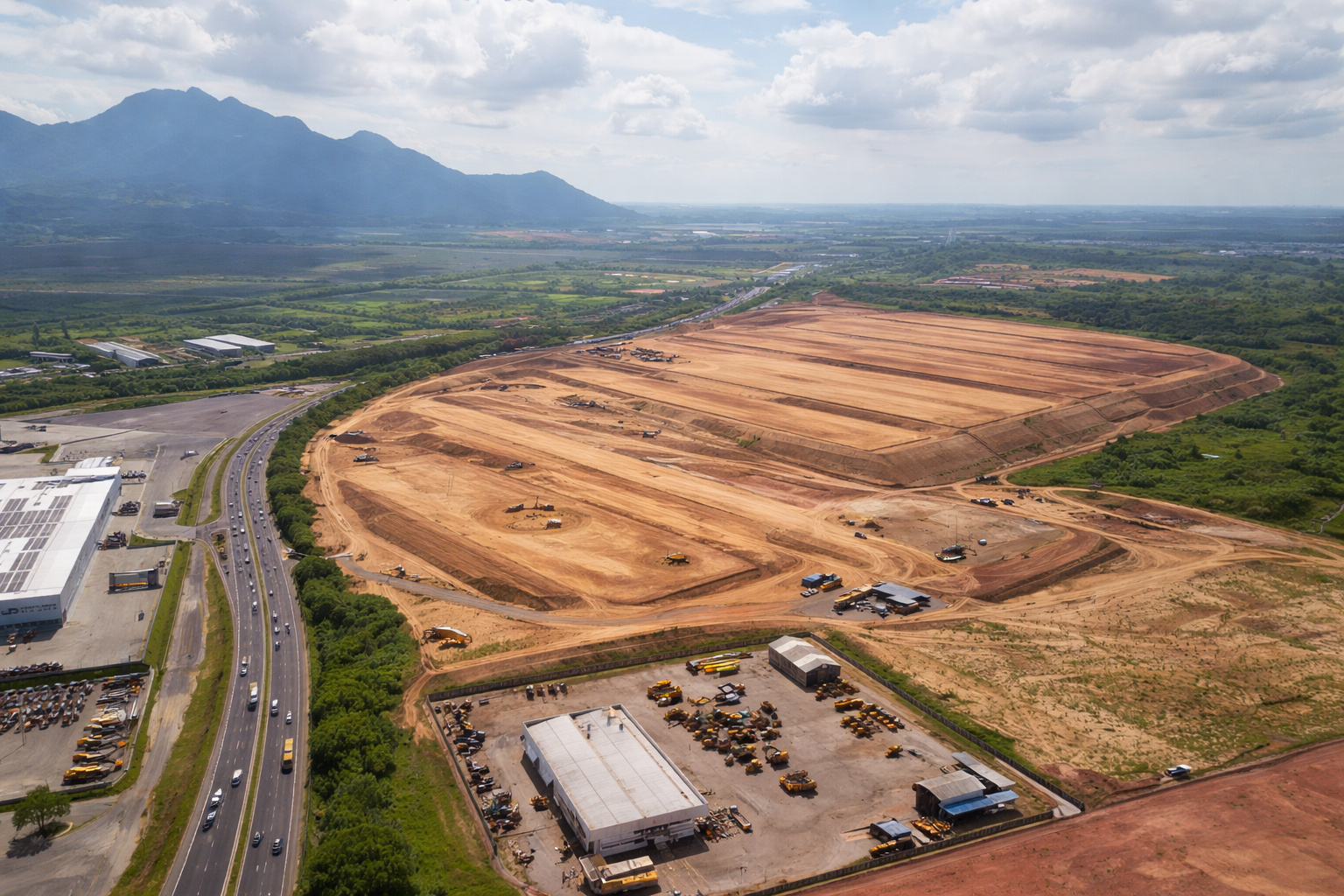
A R$ 300 million logistics giant is taking shape in Serra with over 100,000 m² and raises a question: how can this transform e-commerce and distribution in the state?

For the project leader at Delft, Dr. Roelof Vos, the V-shaped airplane is smaller than the A350 and has less surface area for drag compared to the available volume. The result is less resistance, which means the Flying-V requires less fuel to cover the same distance, leading to cheaper airfares. The team is also exploring alternative and sustainable propulsion methods, possibly using liquid hydrogen, as it would produce no carbon emissions.
V-Shaped Airplane Will Receive Electric or Hybrid Propulsion
In V shape, the vehicle that will provide cheap airfares can be 20% more economical, thereby polluting and consuming less. Additionally, the engineers aim to develop new propulsion methods such as electric and hybrid electric.
As mentioned earlier, the idea is that the Flying-V will transport about the same number of passengers as the A350, 314 in its standard configuration, and the same amount of cargo, 160 m3. During the first prototype flight, all these weight, wingspan, and speed conditions were considered, and the flight was a success.
During the prototype flight, measuring 2.76 meters in length and 3.06 meters in wingspan, the takeoff was performed smoothly at a speed of 80 km/h. The thrust of the airplane was excellent, and the flight speeds and angles were as expected.
Only the center of gravity of the aircraft was located slightly further back than had been previously calculated. Another important detail was the instability of the V-shaped airplane during landing due to difficulty in keeping the wings level, which will be adjusted in upcoming flights.
How Does the V-Shaped Airplane Take Off?
At first glance, the Flying-V appears “strange,” as there is a lack of a rear horizontal stabilizer and the engines positioned beneath the wings. The Flying-V is stabilized by the location of its aerodynamic center and the airplane’s center of gravity.
The control of pitch and roll is provided by the segmented ailerons on the trailing edge of the wings, while yaw control is provided by the rudders integrated into the winglets, according to Roelof Vos.
The design somewhat follows that of the Concorde, with landing performed with the nose held high to maintain lift. The upper engines were designed considering the center of gravity and the aerodynamics of the new aircraft’s wings. Additionally, the engine located behind the passenger cabin reduces noise inside the airplane.










Seja o primeiro a reagir!