





 English
  Francês
  Alemão
  Italiano
  Japonês
  Norueguês
  Portuguese
  Spanish
 2 min of reading



PEC That Defines Pre-Salt Royalty Resources Authorized by Alerj Is Based on Federal Law 12.858/13; 25% Will Be Invested in Health and 75% in Education
It was approved in the first discussion last Wednesday (09/12) by the Legislative Assembly of the State of Rio de Janeiro (Alerj), the Constitutional Amendment Proposal 54/17, which regulates the percentages of resources from pre-salt oil royalties for Health and Education. Looking for a job? Petrobras Extends Applications for 236 Vacancies in Its Young Apprentice Program
Read Also
- Oil and Gas Multinational Oceaneering Receives Resumes in Macaé, Niterói, and Rio de Janeiro for Technical and Higher Level Positions
- In Macaé, GranEnergia Hires Brazilians for Offshore Jobs in International Waters on December 11
- National Energy Policy Council Approves Standards Related to the Oil, Natural Gas, and Biofuels Sector
- Halliburton’s Selection Process in Rio de Janeiro Demands Job Openings for Technicians and Engineers
The proposal that regulates the percentages of resources from pre-salt oil royalties for Health and Education is authored by deputies André Ceciliano and Zeidan, both from the PT.
Despite being approved with 54 votes in favor and one against, it still needs to be approved in the second discussion by the Legislative Assembly of the State of Rio de Janeiro (Alerj).
-
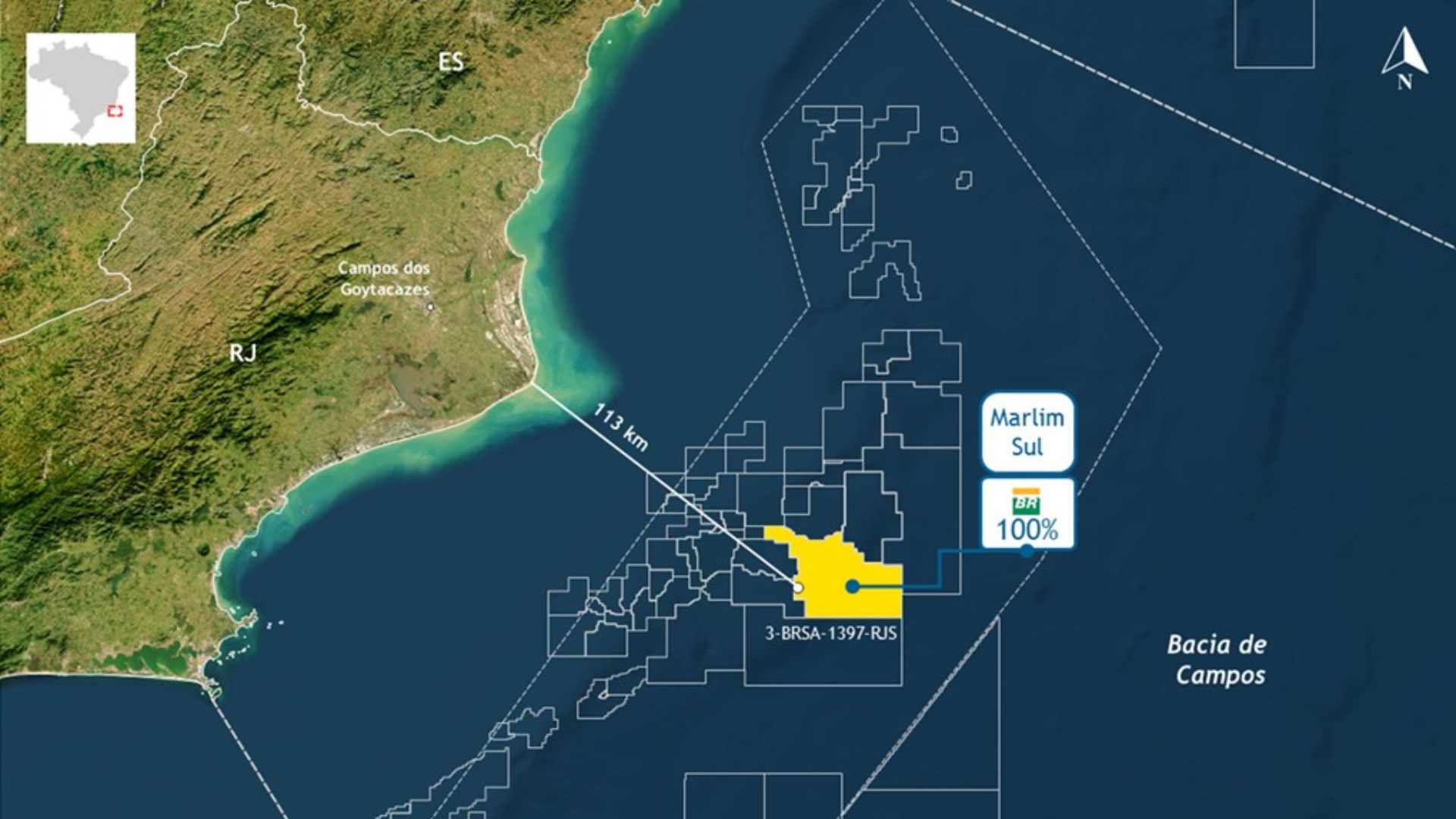
Petrobras finds high-quality oil in the pre-salt at 113 km from RJ and reignites expectations about strategic reserves in the Campos Basin.

-
Ocyan opens registrations for startups focused on innovation in the oil and gas sector and will select projects for Innovation Day with the support of Nexio.

-
Petrobras announces new oil discovery in the pre-salt of the Campos Basin and reinforces Brazil’s prominence with high-quality reserves that can increase production and energy revenues.
-
Alert in the fuel market: Analysts and a former director of ANP warn that oil prices may worsen in the coming months due to global instability.


According to the project, 100% of the pre-salt royalties will go to fund public health and education, divided as follows: 25% will be allocated to financing the Unified Health System (SUS). Meanwhile, 75% of these royalties must be applied to cover expenses related to the maintenance and development of public education, especially full-time basic public education, including salaries and other remuneration for education professionals effectively working in the public network.
The project also stipulates that at least 25% of the resources allocated to Education will be designated for the maintenance, funding, and development of state public universities.
The PEC applies to the oil royalties from the pre-salt that derive from areas where the declaration of commerciality occurred as of December 3, 2012. The percentage division between the Health and Education sectors is already determined by Federal Law 12.858/13.
Ceciliano, who is the president of Alerj, highlighted the financial crisis in the state, especially in public universities. “The financial crisis faced by the State of Rio de Janeiro has presented one of its worst phases in the management of state public health and in the administration of public universities, especially UERJ, which has faced routine strikes since 2014 due to delays in salary payments,” the parliamentarian highlighted.









Seja o primeiro a reagir!