





 Portuguese
  English
  Spanish
  5 min of reading
  0 comments


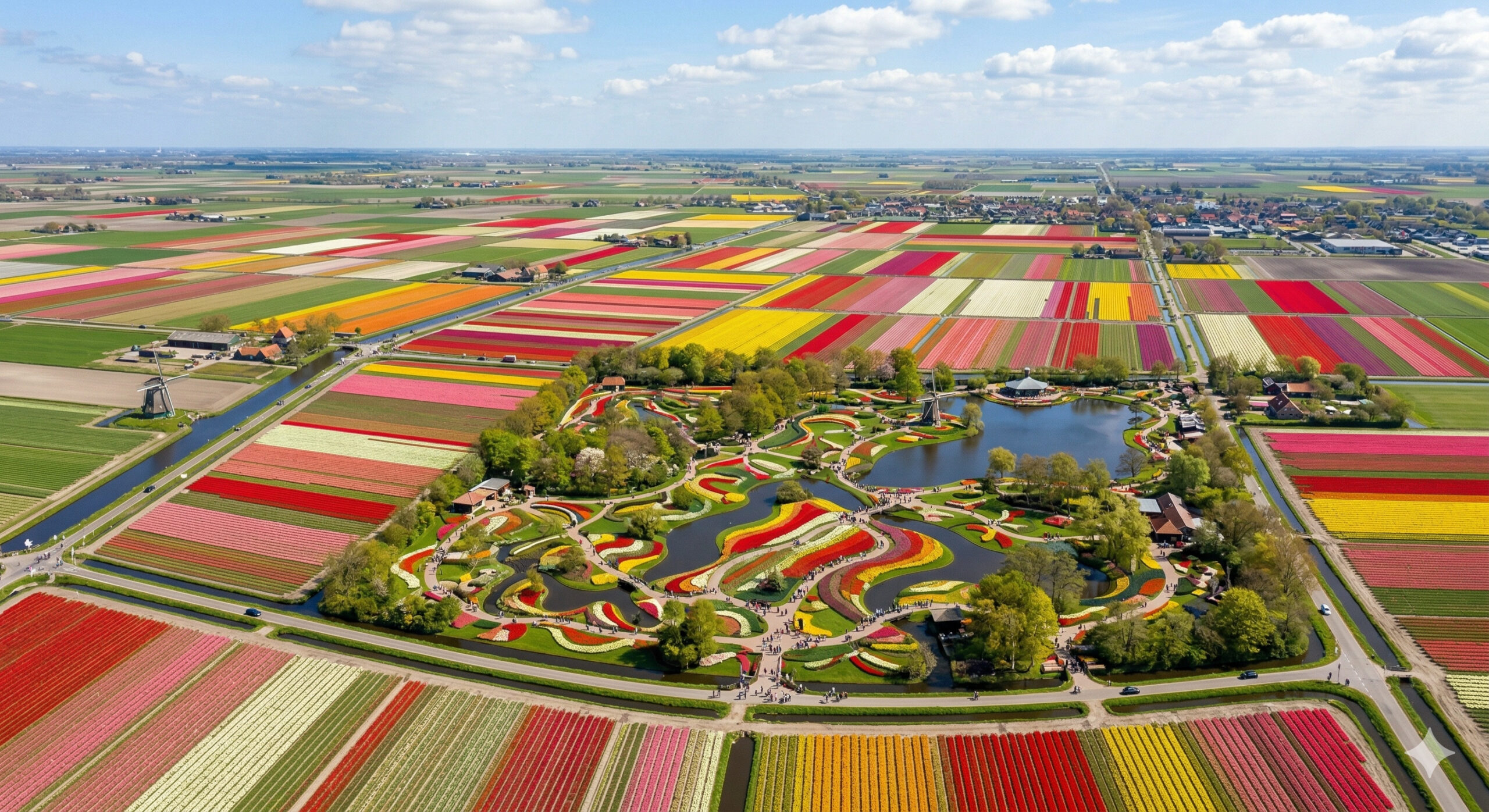
Tulip fields in Holland bloom with billions of flowers for a few weeks and transform the country into a global natural spectacle.
Every year, between the end of March and the beginning of May, Holland undergoes a visual transformation that captures the attention of the entire world. During this short period, entire fields bloom with tulips in different colors, creating a mosaic that can be seen even from the sky. According to a survey by NASA Earth Observatory, the country is the world’s largest producer of tulip bulbs, with about 4.2 billion produced annually, many of them concentrated in the so-called “bulb region,” near Amsterdam.
The most impressive fact is that the scale of this production is gigantic. According to data from the Dutch florist sector, Holland produces about 4.3 billion tulip bulbs per year, with more than half intended for cut flower production, which helps explain the magnitude of this seasonal phenomenon.
This flowering cycle concentrates thousands of hectares of cultivation in full activity. Industry estimates indicate that the country dedicates extensive agricultural areas exclusively to flower cultivation, creating landscapes that combine industrial scale with visual impact — one of the most characteristic scenes of the European spring.
-
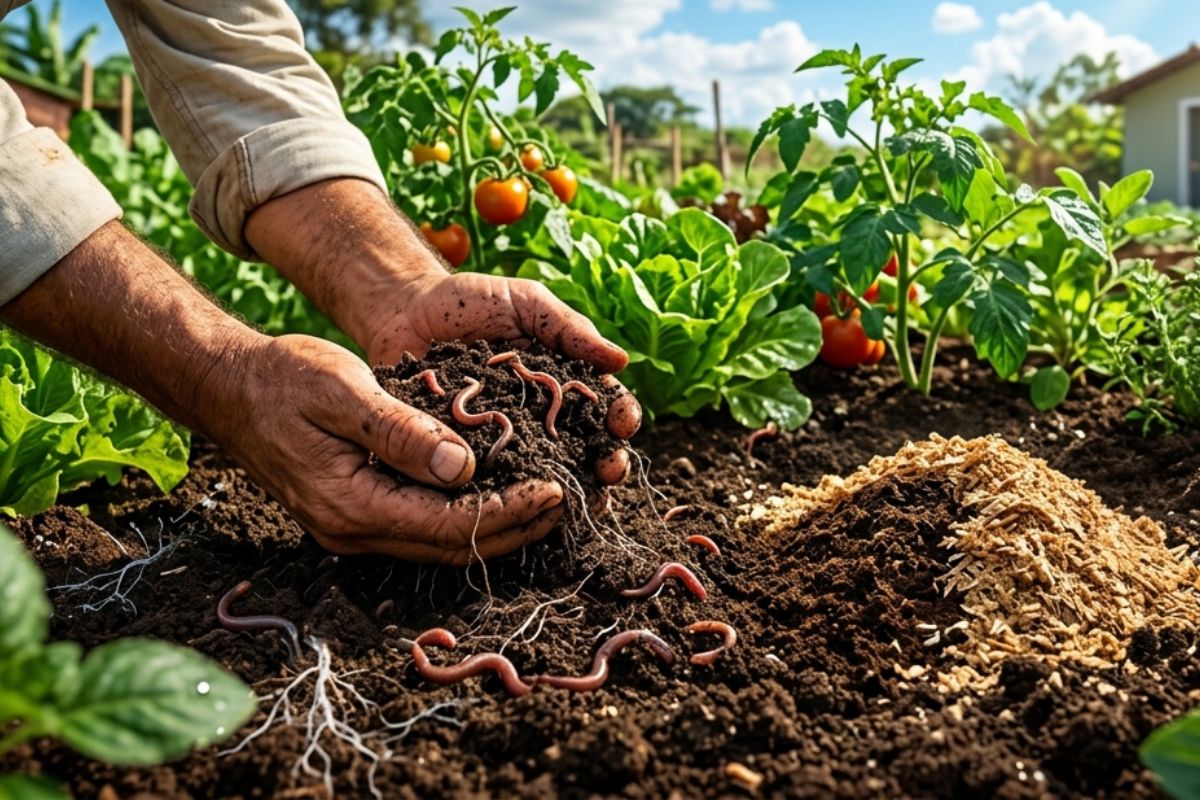
Bokashi, a Japanese technique of controlled fermentation, becomes the organic fertilizer that revitalizes the soil: it activates microorganisms and earthworms, improves pH and moisture retention, gradually releases nutrients, and helps prevent pests in the garden.
-
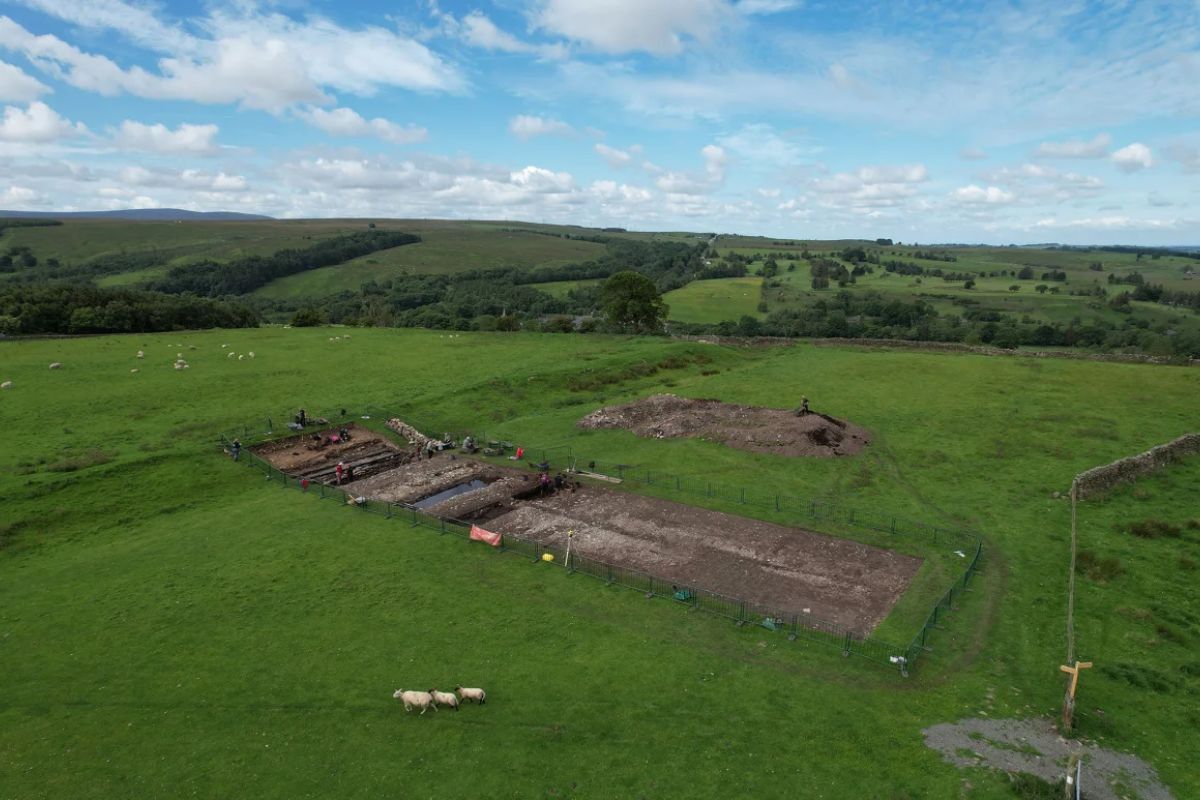
Archaeologists found giant shoes over 30 centimeters near Hadrian’s Wall that survived nearly two thousand years buried and now raise a mystery: who were these Roman soldiers so different from the others?
-
Meta’s new smart glasses are not just for seeing; they use artificial intelligence, analyze your food, summarize messages, and can even change the way you work in professions like engineering.

-
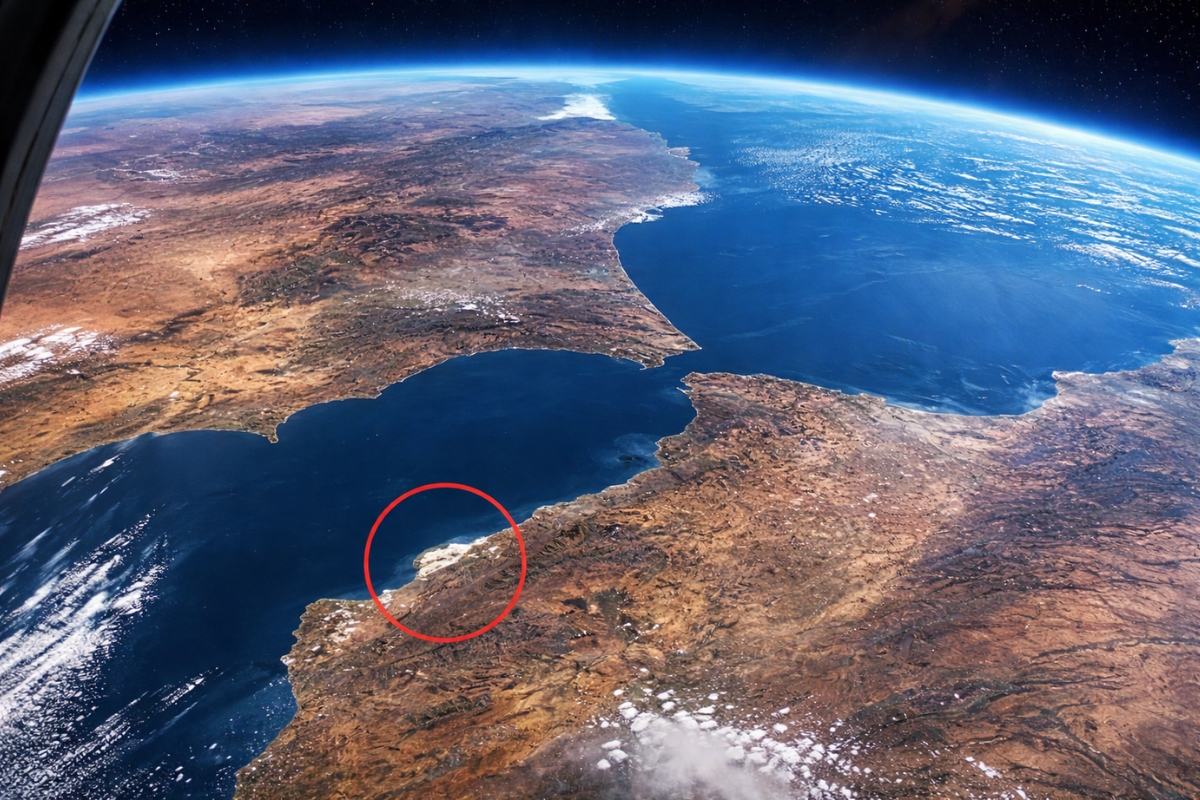
According to an analysis by NASA, only one human-made structure is visible from space, and it is not the Great Wall of China or the Pyramids of Egypt.

Keukenhof concentrates more than 7 million flowers in a few weeks
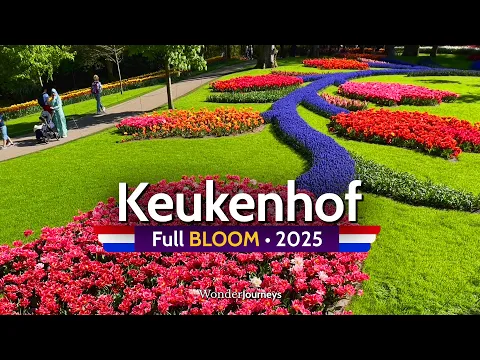
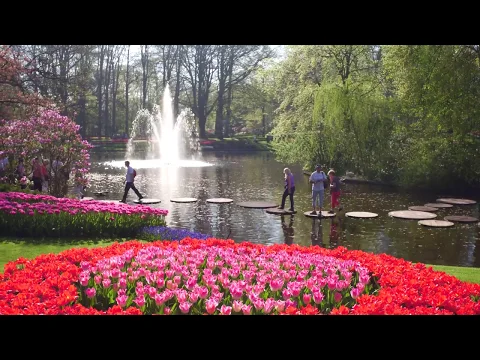
Among the main highlights of this season is the Keukenhof, considered one of the largest flower gardens in the world. Located in the city of Lisse, the park opens only during the European spring.
There are more than 7 million flowers planted each season, organized in compositions that mix colors, shapes, and species in a planned manner.


The garden is not only a tourist attraction but also an international showcase for the Dutch floriculture industry, displaying varieties developed over decades.
Large-scale production transforms the country into a global leader in tulips
Holland occupies a dominant position in the global flower market, especially in the bulb segment. Annual production exceeds billions of units, with distribution to various countries.
This leadership is the result of a highly structured system that involves everything from cultivation to export and international marketing.

The country accounts for a large part of the global tulip bulb trade, consolidating its position as a reference in the sector. The concentration of production in specific regions allows for logistical efficiency and quality standardization.
Flowering fields create landscapes visible even from space
During the peak of flowering, usually in April, the tulip fields reach their visual peak. The plantations are organized in continuous color bands, creating geometric patterns that extend for miles.
These formations are so striking that they can be observed in aerial images and even by satellites.
The contrast between intense colors and linear organization transforms agricultural areas into true large-scale natural scenes. This phenomenon contributes to the strong tourist attraction during the period.
International tourism grows driven by the flower season
The blooming of tulips attracts visitors from different parts of the world, interested in observing the natural spectacle up close. Cities near cultivation areas receive a large tourist flow during spring. Keukenhof, for example, can register more than a million visitors in a single season.
Tourism associated with tulips has become one of the country’s main seasonal activities, boosting sectors such as transportation, hospitality, and commerce. This flow concentrates in a few weeks, reinforcing the temporary and exclusive nature of the event.
The intensity of flowering varies according to climatic factors, such as temperature and sunlight incidence. Colder winters and stable springs tend to favor flower development.
Small variations in the weather can advance or delay the peak of the season. The ideal time to observe the fields at their peak usually occurs in April, when most plantations reach full bloom. This climatic dependence makes each season unique.
The history of tulips is linked to the economy and culture of the country
Tulips are not just a visual element of the Dutch landscape, but they are also part of the country’s economic history. In the 17th century, the phenomenon known as “tulip mania” occurred, considered one of the first recorded speculative bubbles.
Since then, tulip cultivation has evolved from a speculative market to a highly structured industry.

Today, tulips represent one of the most internationally recognized symbols of Holland, associated with the country’s cultural identity. The modernization of the sector has allowed for expanded production and meeting global demand.
Logistics and technology sustain large-scale production
The production of billions of bulbs requires advanced logistical planning and the use of agricultural technology. Irrigation systems, soil control, and genetic selection are used to ensure productivity and quality.
In addition, export involves efficient logistical chains that connect producers to international markets.
The combination of technology and industrial scale allows for maintaining global leadership in flower production. This model serves as a reference for other countries seeking to develop the sector.
The tulip season is not just an agricultural event, but a phenomenon that combines nature, economy, and tourism. The transformation of the fields into colorful landscapes creates one of the most striking scenes in Europe.
The union between mass production and visual appeal makes this period one of the most relevant in the European calendar. Furthermore, the economic impact extends to various sectors, reinforcing the importance of the activity.
Billions of flowers redefine landscape and economy for weeks
For a few weeks of the year, Holland transforms into a unique setting, where billions of tulips create a landscape that combines industrial scale and natural beauty.
The concentration of millions of flowers in places like Keukenhof and the massive production in agricultural fields show how the country has managed to integrate agriculture, tourism, and cultural identity into a single seasonal phenomenon.
This event, although temporary, completely redefines the landscape and reinforces Holland’s role as a global reference in flower production.







Seja o primeiro a reagir!