





 Portuguese
  English
  Spanish
  5 min of reading
  8 comments


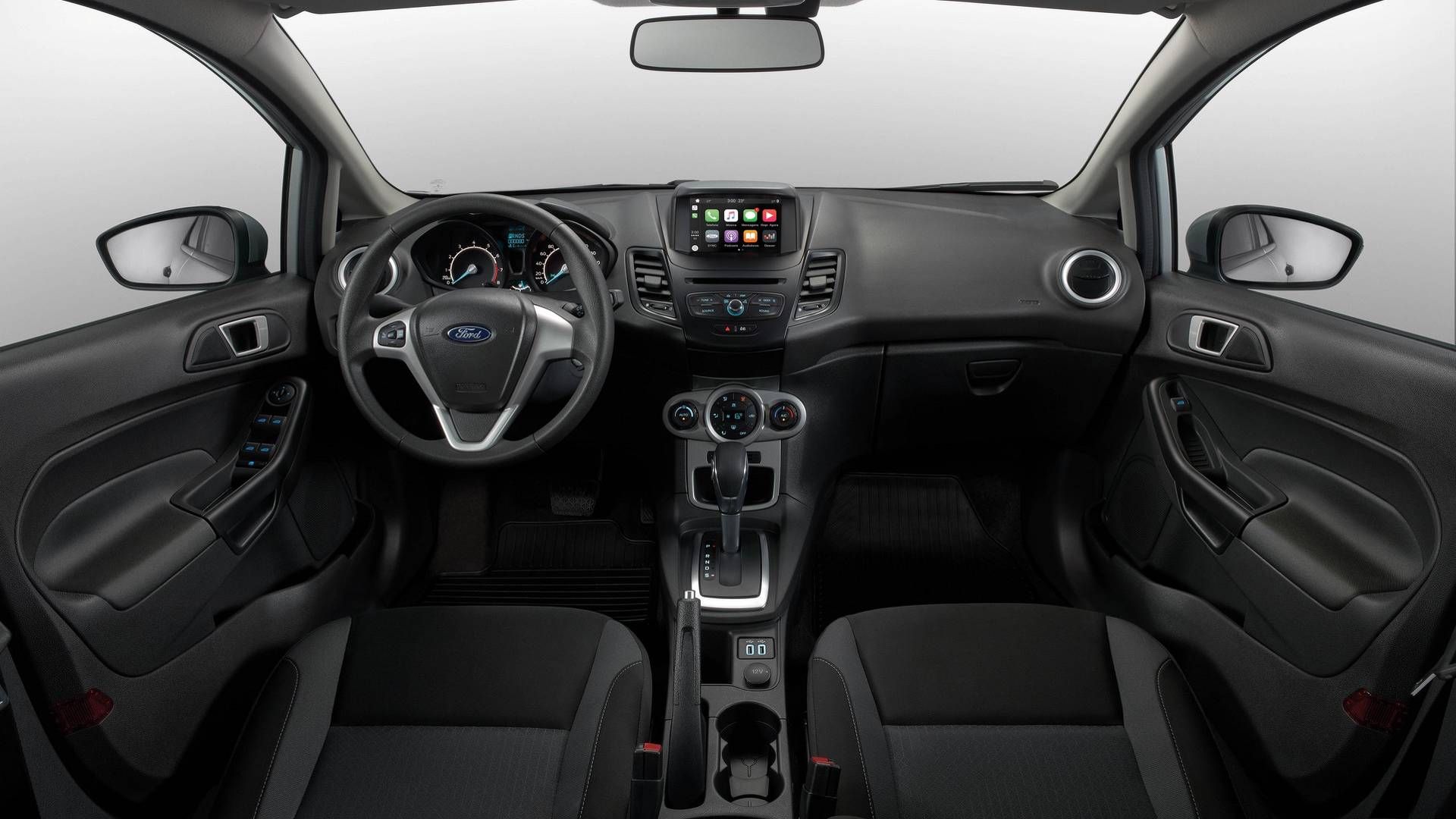


Ford Compact Remains Valued in the Used Market for Combining Low Consumption, Affordable Maintenance, and Basic Safety Equipment, Even After More Than Five Years Out of Production.
The Ford Fiesta 1.6 continues to be available in the used market in 2025, even after being discontinued in Brazil in 2019.
This model maintains strong demand for combining moderate consumption, basic safety items, and low maintenance costs, according to dealers and automotive industry experts.
The compact is considered to have balanced performance and is identified by workshops as a practical option for those seeking an urban car with predictable maintenance.
-
The car stored for 38 years: when opening the barn door, what appears is breathtaking and looks like a scene from a movie!

-
Fiat works miracles in the Brazilian market, lowers the price of its 0 km hatch to R$ 69,990, reestablishes the model as the cheapest car in the country, and reignites the battle against Kwid and C3.
-
Chevette with cooking gas: How the gas cylinder ends up being used in cars clandestinely and why this makeshift solution can result in leaks, explosions, damaged engines, and seized vehicles.
-
Fiat launches the new 2027 Toro hybrid with 48V, 176 hp, an electric motor of 15.5 hp, a 0.85 kWh battery, up to 7% fuel savings, 8% fewer emissions, and possible exemption from IPVA.

Efficiency and Consumption of the Ford Fiesta 1.6
According to data from the Brazilian Vehicle Labeling Program (PBEV/Inmetro), the Fiesta 1.6 records averages of 12 km/l in the city and up to 14.9 km/l on the highway when fueled with gasoline.
The figures keep the model in line with other compacts in the category and help reduce the cost per kilometer traveled, according to market surveys.
The Sigma 1.6 16V TiVCT flex engine delivers 125 hp with gasoline and 130 hp with ethanol, according to Ford’s official specifications.
The calibration prioritizes energy efficiency, but according to brand technicians, the setup offers sufficient performance for everyday use and short trips.
The five-speed manual versions are among the most common in the second-hand market.
Safety and Standard Equipment
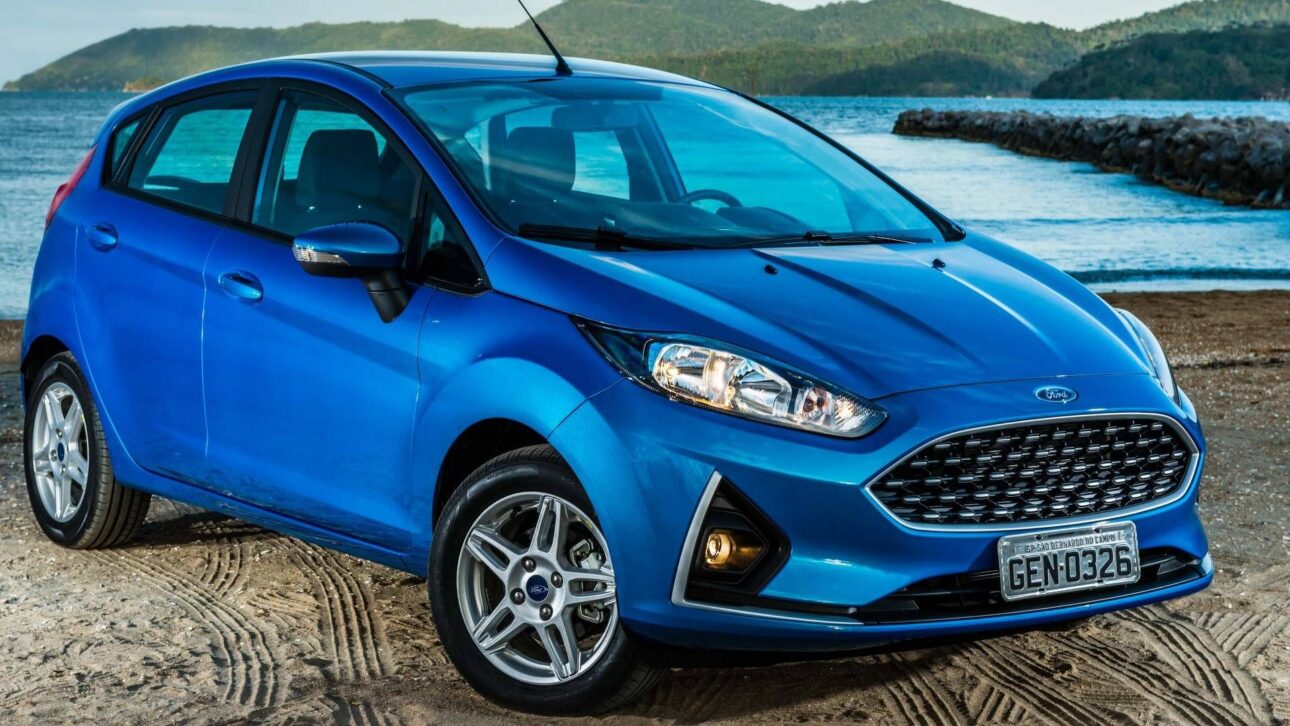
The latest versions produced in the country come with front airbags and ABS brakes, items that have been mandatory since 2014.
This ensures that the more recent units meet the basic safety requirements.
Intermediate and higher versions could also include multimedia system, audio controls on the steering wheel, and in some cases, traction control — features that varied based on the trim level and model year.
Industry sources point out that the safety features and good drivability continue to be factors that favor demand for the model in the used market, especially among urban drivers.
Maintenance and Parts of the Ford Fiesta
The maintenance of the Fiesta is considered simple and affordable by independent mechanics and specialized dealerships.
Since the vehicle shares various components with other models from the brand, there is a widespread availability of parts in the market.
This ease contributes to lower repair costs compared to other compacts in the same price range.
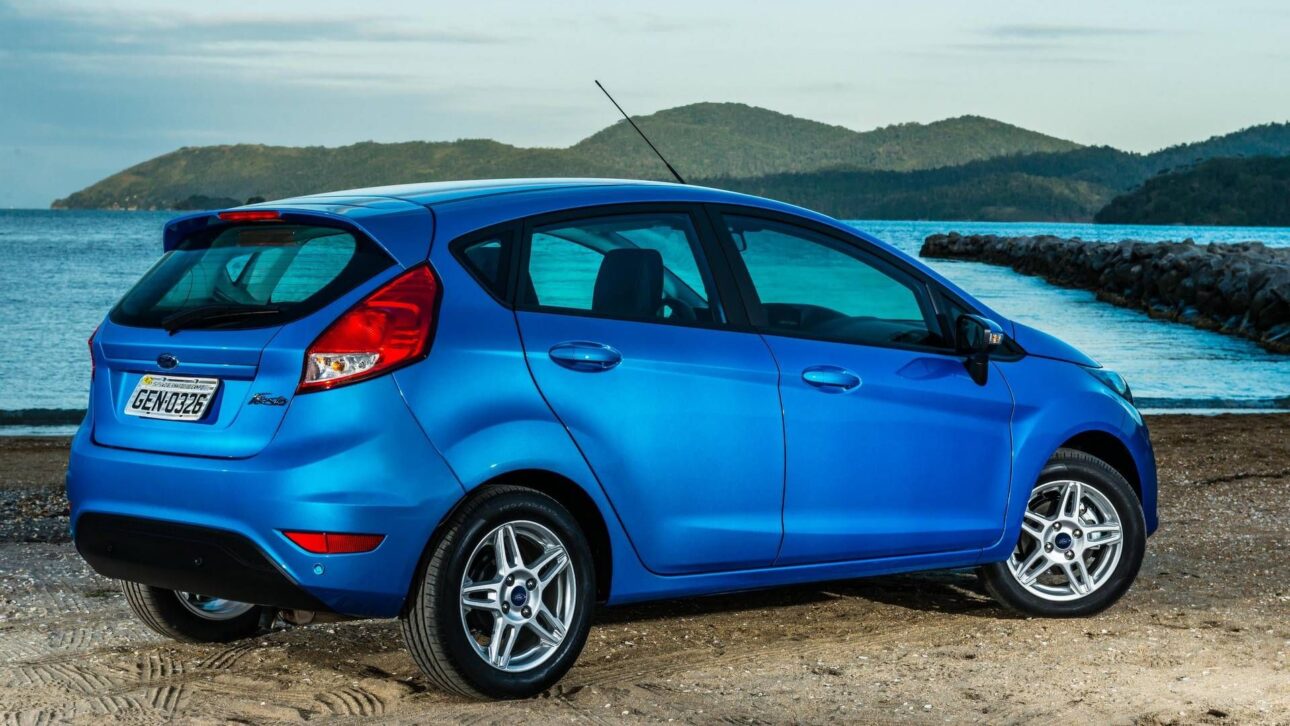
According to repair professionals consulted, routine maintenance and replacements of wear components — such as brake pads and belts — tend to be affordably priced.
The continued existence of the Ford after-sales network in Brazil following the closure of the São Bernardo do Campo factory in 2019 also ensures a continuous supply of original parts.
Used Market and Audience Profile
Data from buying and selling platforms indicate that the Fiesta maintains good liquidity among used compact vehicles.
Experts explain that the model is sought mainly by young drivers and consumers who prioritize low cost of use and compact dimensions for urban traffic.
Advertisers claim that units with verified maintenance and compatible mileage tend to sell quickly, especially those equipped with manual transmission.
The balance between purchase price and equipment package helps sustain the demand.
Points of Attention When Buying a Used Fiesta
Automotive inspection professionals recommend that buyers check the condition of the engine and transmission, as well as the functioning of electrical systems and safety equipment.
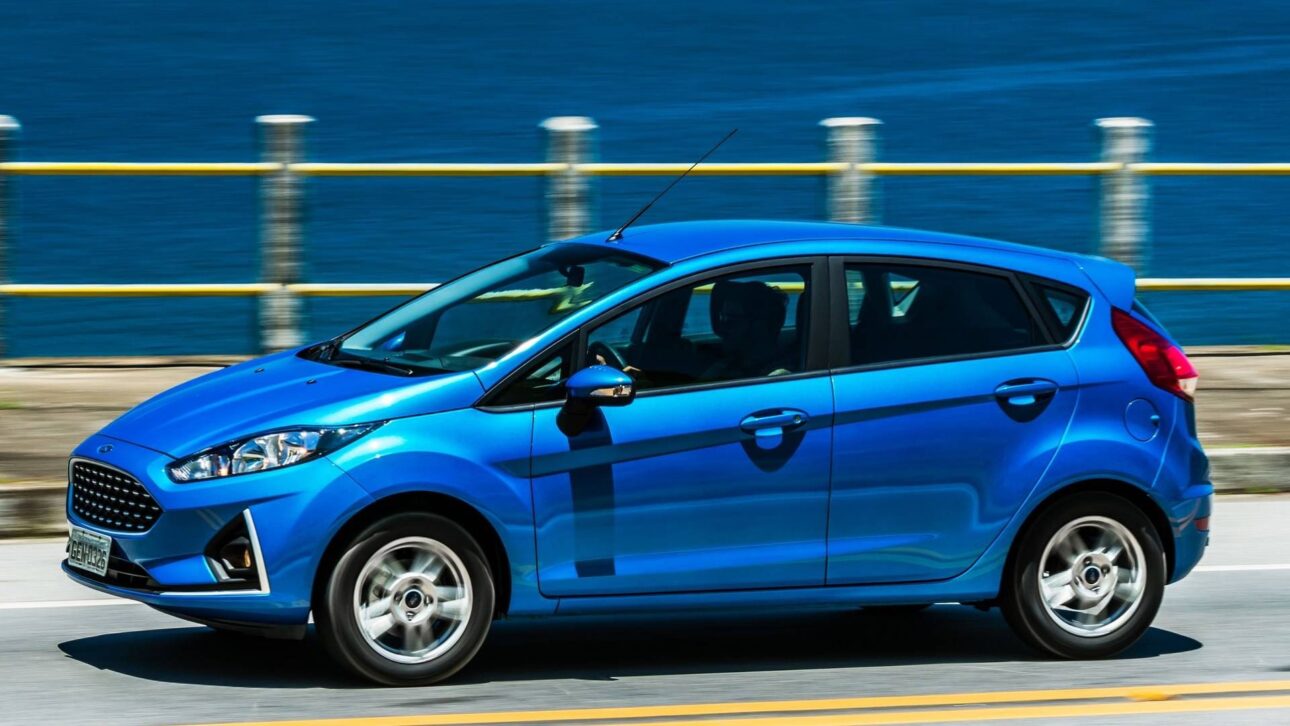
As the most recent model has been in use for more than five years, it is advisable to review the maintenance history and any suspension component replacements.
It is also recommended to perform a road test and check accident and auction records, a common practice for any used vehicle.
Resale specialists emphasize that cars with verified provenance tend to retain market value longer.
Timeline and End of Production
The production of the Fiesta in Brazil was terminated in 2019, when Ford shut down the São Bernardo do Campo (SP) factory.
The decision was part of a restructuring of the automaker’s operations in South America.
Since then, the model has remained only in the used market, where it continues to hold a significant share among urban compacts.
Industry sources indicate that the end of production did not significantly affect the supply of parts, as the mechanical platform is shared with other vehicles from the brand.
This has helped preserve maintenance costs and public interest.
Versions, Transmissions, and Performance
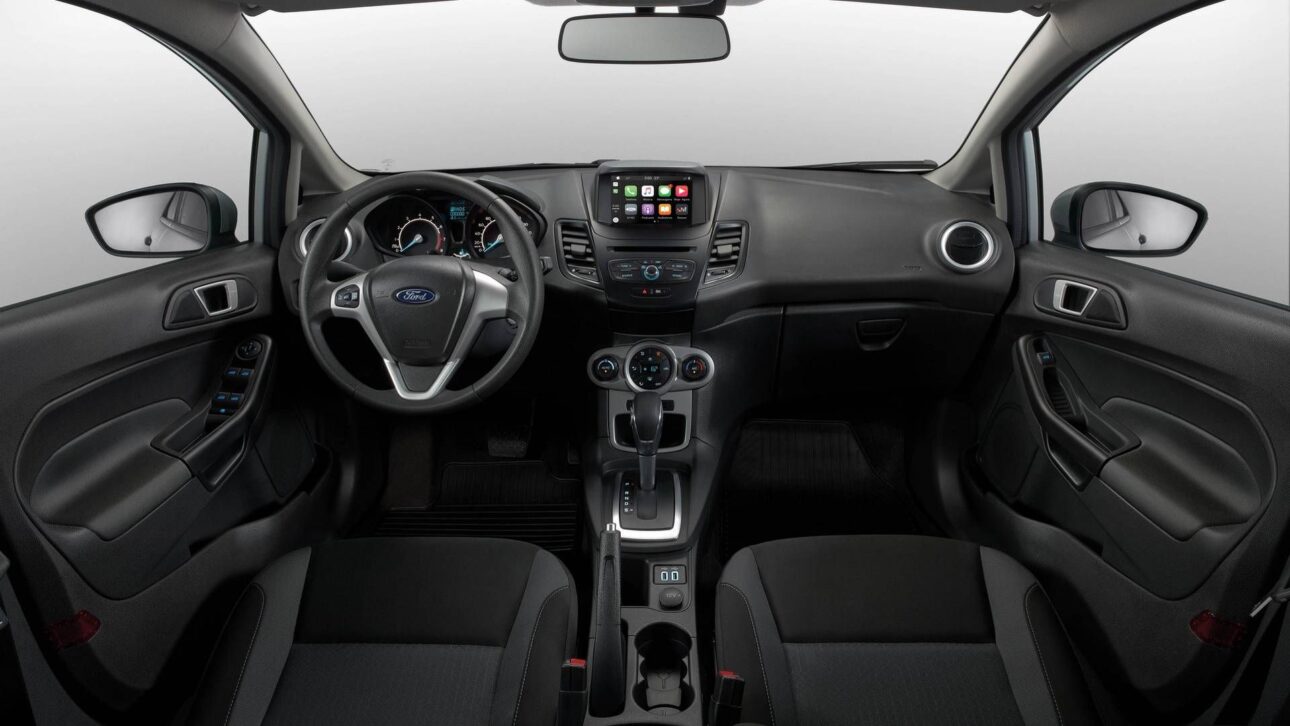
The Fiesta was sold in hatch and sedan body styles, with manual or automated (DCT) transmission options in the last models.
Ford’s official catalogs record power of 125/130 hp and torque of 16 kgfm, numbers that position it within the average of 1.6 compacts at the time.
According to experts, these configurations guarantee satisfactory performance for urban use and short trips without compromising fuel consumption.
The balanced drivability and compact size continue to be cited as practical factors in daily use.
Perspectives in the Used Market
Even after the end of the production line, the Fiesta remains a stable option among entry-level models.
According to dealer evaluations and market reports, the car is viewed as a reasonable alternative for offering efficient consumption, affordable maintenance, and good availability of parts.
The durability of the mechanical setup and the history of reliability help sustain its reputation.
The trend, analysts in the sector point out, is that the model will continue to be present in the used market in the coming years, especially in capitals and large urban centers.
Among economy, safety, and maintenance cost, which of these factors influences your choice when buying a used car the most?







Tenho um Hatch 1.6 2015 manual estou com ele há 3 anos carro muito bom, manutenção e pouco caro sim mas compensa.
Uns dos carros que mais gostei de possuir, foi o 2012 versão mexicano é a versão mais completa, ele só saiu no ano de 2012 até 2013, as rodas são diferentes, farol de milha em led, bancos de couro, som mais completo, na verdade a manutenção não é cara como alguns comentários já disseram é um carro que entrega muito conforto, é bem econômico, não é caro, e comparado a carros com mesmo padrão a manutenção é igual, os mais novos na versão nacional também são bons eles tiraram alguns mimos, e colocaram um motor um pouco mais forte, só é uma pena ter saído de linha pois na Europa foi até 2022 e com opção de motor 1.5 turbo, que aí muda de figura, uma pena não ter vindo para o Brasil, infelizmente nosso país está atrasado no quesito de veículos pois temos poucas opções, que de qualquer marca que seja o leque de carros é tão grande e pra gente só chega os intermediários que não são aceitos em outros países pois lá não é aceito carro com acabamento ruim, e versão básica o povo não compra e se não compra não fábrica então só aqui vêm alguns modelos pelados de opcionais, pois o imposto é tão grande que se não fizer isso ninguém consegue comprar, e na verdade é o que está acontecendo agora, carro popular custando mais de $ 80 mil, pois 48% é só imposto, infelizmente.
A manutenção não é barato, suspensão é caro e trocar correia dentada fica quase 2 mil reais,a mão de obra dele também é muito caro.