





 English
  Francês
  Alemão
  Italiano
  Japonês
  Norueguês
  Portuguese
  Spanish
  3 min of reading
  1 comment




President Lula Visits the Aerospace Science and Technology Department (DCTA) and Learns About New Aerospace Projects in Brazil!
According to defesaaéreaenaval, the President of the Republic, Luiz Inácio Lula da Silva, visited the Aerospace Science and Technology Department (DCTA) in São José dos Campos (SP), accompanied by the Commander of the Air Force, Lieutenant-Brigadier Marcelo Kanitz Damasceno, and the Generals of the High Command of the Air Force. The occasion marked the inauguration of the new student housing block of the Aeronautics Institute of Technology (ITA), with capacity for 80 students, as part of the institute’s expansion project.
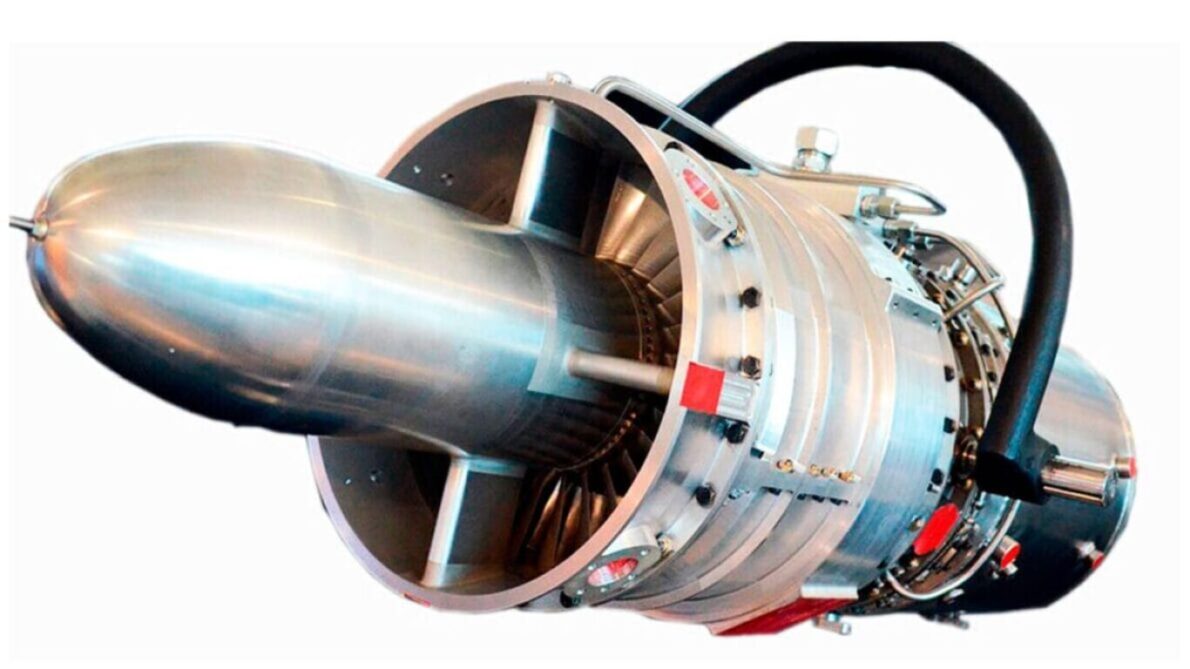
Subsequently, the presidential delegation had the opportunity to learn about the Preparation and Integration Laboratory (LPIN), of the Aeronautics and Space Institute (IAE), where the project for the TR-5000 turbojet engine was presented, a 100% national jet engine that promises to be a commercially viable alternative in the energy generation sector through the use of multi-fuels.
ITA Expansion and Investments in Technology
The visit to the DCTA began with the inauguration of the new housing for the ITA, a significant step in the expansion of the institute. The Lieutenant-Brigadier Damasceno highlighted the importance of government investments in the aerospace industry, and emphasized ongoing projects, such as ITA Fortaleza, the new Aerospace Technology Park at the Air Force Base in Salvador, and the new Aerospace Museum in São Paulo. These investments aim not only to improve the training of qualified labor but also to strengthen Brazil’s position in the aerospace race.
-
A “silent skill” is allowing Brazilians to earn up to R$ 22,000 per month without a degree and become indispensable for companies that rely on millions of data to survive.

-
Researchers at the Toyota Research Institute found that if a human uses robotic arms to flip a pancake 300 times in an afternoon, the robot learns to do it on its own the next morning, and this is currently the most promising method to solve the biggest bottleneck in modern robotics.

-
Goodbye iron: a common item in households is starting to lose space to technology that smooths clothes in minutes without an ironing board and with less energy consumption.

-
Antarctica reveals an unusual clue high in the Hudson Mountains, and what appeared to be just an isolated rock began to expose a secret hidden under the ice for ages.


Innovative Projects: TR-5000 and Microsatellite Launch Vehicle
At the LPIN, the Commander of the Air Force presented the TR-5000 turbojet engine. “This 100% national jet engine is not just a technological advance, it is also a symbol of our capacity for innovation“, he stated. The TR-5000 is designed to be a commercially viable solution for generating energy from multi-fuels, standing out for its efficiency and sustainability.
Additionally, President Lula was presented with the project of the Microsatellite Launch Vehicle (VLM), developed by the IAE to launch microsatellites into low orbits. This project is crucial for ensuring Brazil’s presence in space, positioning it among the powers that dominate this technology. “With the VLM, Brazil is ready to make a significant leap in the aerospace race“, emphasized Lieutenant-Brigadier Damasceno.
Lula Emphasizes the Importance of the Defense Industry
In his speech, President Lula highlighted the importance of investments in the defense industry. “We need to believe that Brazil has no limits. Besides protecting our airspace, we need to conquer space in the defense industry. With the ITA and Embraer, we have the capacity to be leaders in the defense area, building peace through innovation“, he affirmed. Lula emphasized that a strong defense industry is essential for the country’s independence and security, allowing Brazil to not depend on other nations.
Commitment to Progress and Innovation
The event concluded with the presentation of a miniature of the TR-5000 Turbine to President Lula, symbolizing the FAB’s commitment to the country’s progress. Lieutenant-Brigadier Damasceno reinforced the role of the Brazilian Air Force in the research and development of smart solutions, always focused on the common good and the synergy between operational employment and innovation.
In summary, Lula’s visit to the DCTA and the presentation of the TR-5000 and VLM projects highlight Brazil as an emerging competitor in the aerospace race, with significant investments in technology and innovation that promise to transform the country’s future.






O Lula tem que investir 10% ou mais do PIB para o Brasil ter defesa militar….