Portuguese
  Spanish


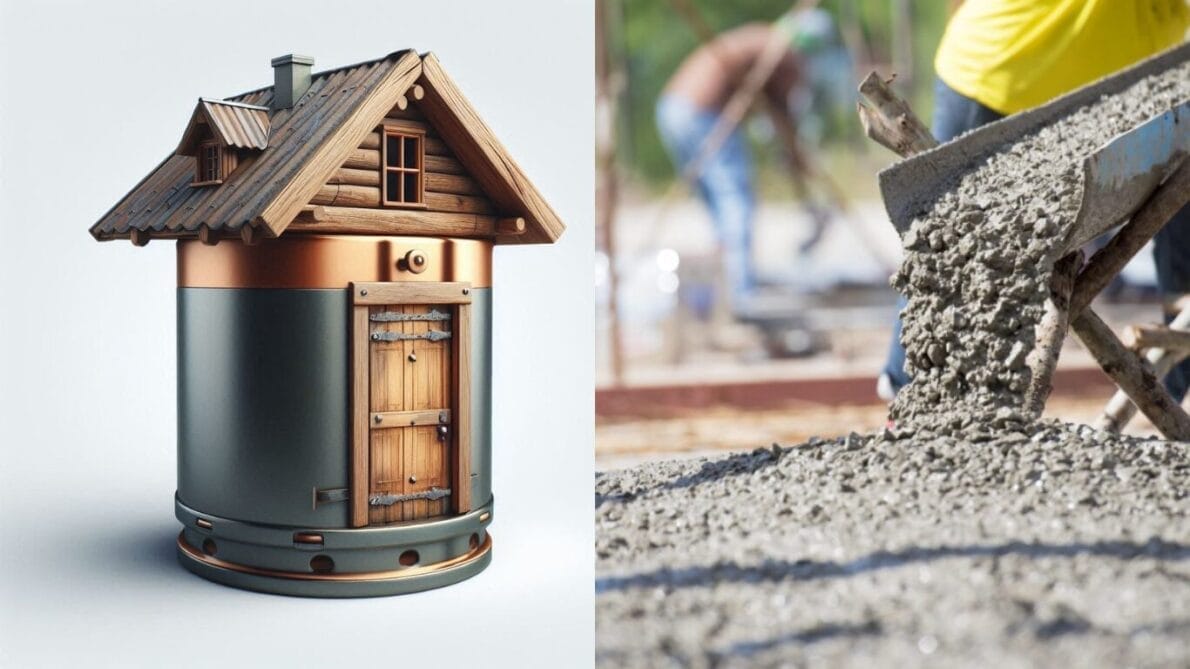

Innovation in Civil Construction Promises to Revolutionize Renewable Energy Storage Worldwide: Project Developed at a University in the USA!
Researchers at the MIT (Massachusetts Institute of Technology) have developed a type of concrete capable of storing energy, promising a revolution in the civil construction sector and in renewable energy storage. The idea is that, in theory, a house made with this modified concrete functions like a giant battery. However, this innovative material still faces challenges in becoming viable on a large scale, according to olhardigital.
Supercapacitor Concrete: MIT’s Innovation
A team of researchers at MIT, led by Damian Stefaniuk, created a type of concrete that acts like a supercapacitor. This new construction material is a mix of water, cement, and carbon black – a highly conductive material often used in the manufacturing of car tires. According to Stefaniuk, “we’ve transformed these components into something that can store energy efficiently“. In simple terms, imagine that the walls of your house could charge and release energy, helping to relieve pressure on the power grid, especially during times of high demand.
Benefits and Limitations of Supercapacitor Concrete
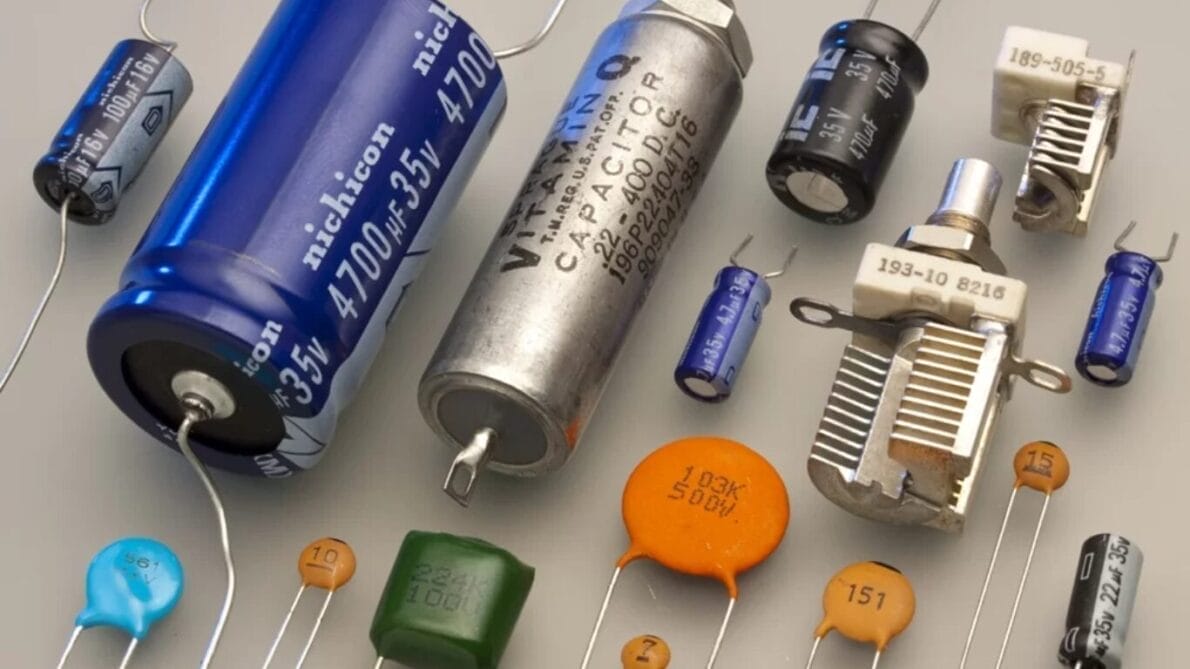
Although supercapacitor concrete has great potential, it does not replace traditional lithium-ion batteries. Supercapacitors are known for their rapid charge and discharge, making them less efficient for long-term energy storage. However, this characteristic can also be an advantage, allowing the concrete to be used in applications where energy needs to be released quickly.
-
Brazilian Engineer Who Grew Up Without Electricity Develops Software, Expands AltoQi to 67,000 Clients, Aiming for $21 Million by Digitizing Brazil’s Construction Industry

-
Spain Launches World’s Largest Floating Dry Dock: 56-Meter Giant Produces Massive Concrete Structures in A Coruña Using Technology Proven in Brazil

-
AI-powered toys that talk, recognize faces, and collect data face scrutiny from Brazilian government over children’s privacy concerns

-
4,000-Year-Old Child’s Skull Unveils Ancient Burial in 7,500-Year-Old Norwegian Rock Shelter, Impressing Archaeologists





For example, roads built with this concrete could wirelessly charge electric cars while they drive. Additionally, buildings could have walls, foundations, or columns made from this material, allowing for the storage of energy within the structures themselves. “We are talking about a future where urban infrastructure itself can help manage and store renewable energy“, explains Stefaniuk.
Future Applications and Challenges in Civil Construction
Currently, there is only a sample of the supercapacitor concrete, capable of energizing a 10-watt LED for 30 hours. While this is an initial step, scaling up this technology could represent a significant advancement in how we store renewable energy. If it becomes possible to increase the storage capacity of the concrete, we could see a considerable impact on civil construction and energy sustainability.
However, the path to practical implementation is still long. “We have many challenges ahead, from scalability to the durability of the material“, comments Stefaniuk. The MIT team continues to work on improvements and testing to ensure that the supercapacitor concrete can be used safely and efficiently in real constructions.
Energy Revolution: Concrete and Renewable Energy
The development of this concrete by MIT could be a milestone in the pursuit of sustainable solutions in civil construction. By combining energy storage with construction materials, we are one step closer to a future where renewable energy is more accessible and integrated into our daily lives. This innovation will not only alleviate pressure on power grids, but it will also allow for a more efficient use of energy produced from renewable sources, such as solar and wind.
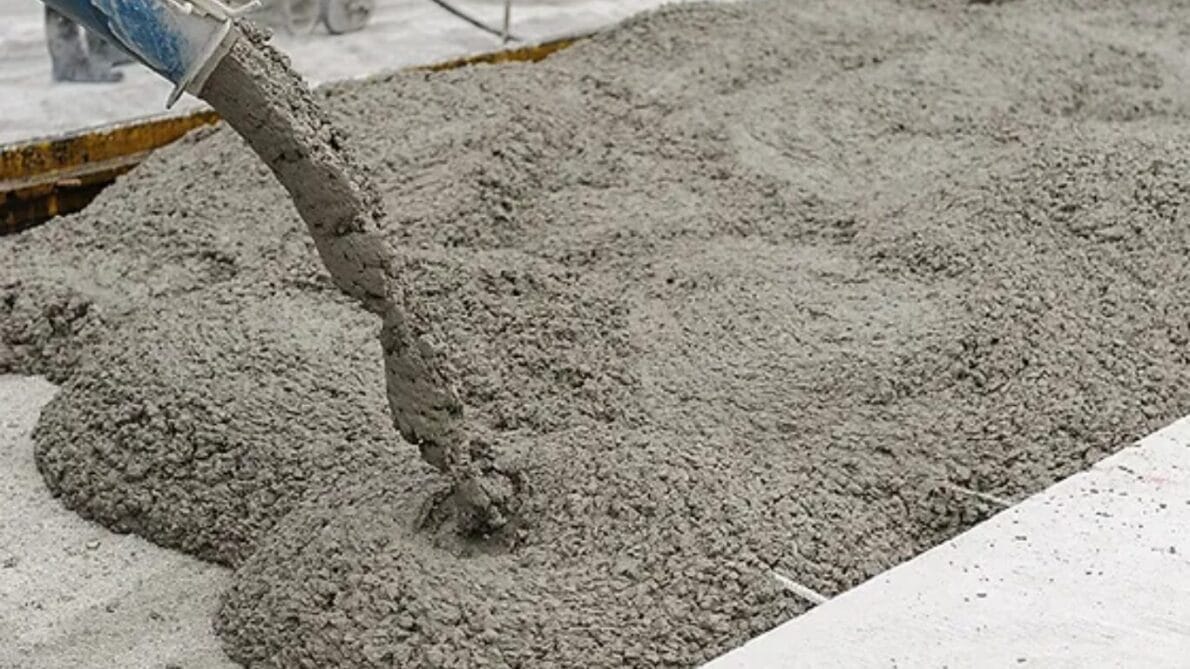
MIT Supercapacitor Concrete
Therefore, MIT’s supercapacitor concrete is an exciting promise in the field of civil construction and energy storage. Despite its current limitations, the potential applications of this innovative material could transform the way we build and manage energy. With further research and development, we may see a future where our homes and urban infrastructures become integral parts of a sustainable and efficient energy system.
This advancement places MIT at the forefront of technological innovations, and the potential to positively impact the environment and the global economy is enormous. For enthusiasts of civil construction and renewable energy, this is an area to watch closely in the coming years.